Starkey Unit and the Experimental Forest
The Starkey Unit, nestled in the heart of northeast Oregon, presents a fascinating and often perplexing challenge for big game hunters. Many folks hear whispers about this area, specifically the "experimental forest," and immediately wonder how a place dedicated to scientific research can also be open to public hunting. It’s a completely valid question, as navigating the unique rules, boundaries, and animal behavior shaped by ongoing studies can feel like trying to solve a puzzle while deep in the timber. This guide aims to demystify the Starkey Unit and its renowned Experimental Forest, helping you understand its intricacies and how to approach hunting in this one-of-a-kind landscape.
Understanding the Starkey Unit's Unique Landscape
The Starkey Unit isn't just another hunting unit on the map; it's a living laboratory, primarily focused on understanding elk and deer ecology, movement, and behavior in relation to logging and road management. This experimental focus means that unlike typical units, certain areas within Starkey are actively managed and studied, leading to specific rules and conditions that directly impact hunters. It's a place where science and sport truly intersect, sometimes to the bewilderment of those just trying to fill their tag.
The Foundation of the Experimental Forest
The core of what makes Starkey so unique is the Starkey Experimental Forest and Range, established decades ago by the U.S. Forest Service and other partners. The primary goal here is long-term research into the interactions between elk, mule deer, habitat manipulation (like logging), and human disturbance (roads, vehicles). Imagine scientists meticulously tracking individual animals, monitoring their feeding patterns, reproductive success, and how they react to different forest management practices. This isn't just about counting animals; it's about understanding the complex web of factors that influence their lives. For a hunter, this means the animals in Starkey might behave differently than those in a completely unstudied area, often showing distinct patterns based on the presence of the experimental facilities and the general "feel" of being observed.
This scientific endeavor has profound implications for game management across the state. The data gathered from Starkey helps inform decisions on timber harvest, road policies, and even hunting season structures in other units. So, while you're out there trying to track a bull, you're essentially walking through an outdoor classroom that benefits wildlife management far beyond its immediate boundaries. It's a rare privilege to hunt in such a place, but it demands a higher level of awareness and respect for the ongoing research.
General Unit Boundaries and Terrain
The larger Starkey hunting unit encompasses more than just the experimental forest. It’s located in the Blue Mountains, specifically in northeast Oregon, offering a diverse mix of terrain typical of this region. You'll find rolling timbered hills, open sagebrush flats, riparian zones along creeks, and steep draws. Much of this unit falls within the Wallowa-Whitman National Forest, providing vast stretches of public access. Understanding the broader unit is crucial, as many hunters may choose to pursue game outside the most strictly regulated experimental areas.
The unit's diverse habitat supports both Rocky Mountain elk and mule deer, along with black bears and cougars. Elevations can vary significantly, from valley floors to higher mountain ridges, meaning hunting conditions can change dramatically within a single day or across different parts of the unit. Hunters need to be prepared for everything from dusty, dry conditions in early season to potentially heavy snow later in the fall. The road network within the general unit is extensive in some areas, tapering off into more remote sections where motorized access is restricted by Reading a Travel Management Area Map Before You Drive, giving hunters a variety of experiences from drive-and-glass to deep backcountry treks.
Navigating the Starkey Experimental Forest
The Starkey Experimental Forest itself is the most distinctive feature of the larger Starkey Unit, and it's where many hunters feel a mix of intrigue and apprehension. It's truly a one-of-a-kind place in Oregon, centered around a massive, fenced enclosure designed to control and observe animal movement and habitat use. Knowing the rules and understanding the purpose behind them is paramount to a successful and ethical hunt.
The Infamous Eight-Foot Fence
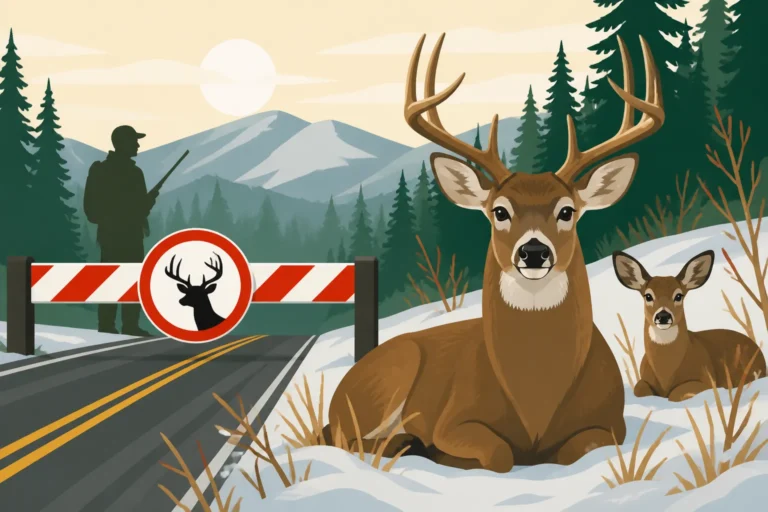
The most defining feature of the Starkey Experimental Forest is a formidable eight-foot tall fence that encloses a significant portion of the research area. This fence isn't just there to keep animals in; it's designed to control their movement for research purposes. Within this fenced area, wildlife are fitted with radio collars, and their movements are meticulously tracked relative to various habitat treatments and road closures. Hunters often grapple with the existence of this fence because it fundamentally alters animal behavior and how they interact with the landscape. You might find elk moving along the fence line, trying to find a way through, or avoiding it entirely, creating unique challenges for predicting their patterns.
The presence of the fence creates a distinct ecological boundary. Animals inside the fence are part of a controlled study group, while those outside might be subject to different pressures and move more freely. Hunters need to be acutely aware of their proximity to this fence at all times. Crossing the fence, even accidentally, is strictly prohibited and can lead to serious consequences, not to mention disrupting vital research. Always consult an up-to-date map, like those found on onX Hunt, to clearly identify the fence line and avoid unintentional trespass. This digital mapping tool becomes an indispensable piece of gear when hunting in such a structured environment.
The Quarter-Mile Buffer Rule
Beyond the physical barrier of the fence, there's another critical regulation that hunters must adhere to: the quarter-mile buffer. This rule prohibits hunting within a quarter-mile of the Starkey Experimental Forest's outer perimeter fence. This buffer zone is a protective measure, both for the research animals and for the safety of personnel working within the enclosure. It's a common area of confusion and potential violation for hunters unfamiliar with the specific rules of the Starkey Unit.
The buffer means that even if you're on accessible public land outside the fence, you still cannot legally discharge a firearm or bow within that 440-yard perimeter. This effectively creates a "no-hunt" zone around the entire experimental area. This rule demands careful planning and constant vigilance with your mapping tools. Imagine you're stalking a nice bull, only to realize your shot will fall within that quarter-mile buffer. It can be incredibly frustrating, but respecting these rules is essential for ensuring the continuation of the research and maintaining hunting access to the area. Always double-check your position, especially when setting up for a shot, using features on mapping apps that show distances and boundaries. Understanding these specific prohibitions is a major part of Starkey Experimental Forest Boundary Rules.
Hunting Opportunities and Challenges in Starkey
Hunting in the Starkey Unit, especially near the Experimental Forest, offers both rewarding opportunities and unique challenges that seasoned hunters need to consider. It’s not your average hunt, and the presence of ongoing research definitely influences how game behaves and how you might approach your strategy.
Target Species and Tag Types
The Starkey Unit is primarily known for its Rocky Mountain elk and mule deer populations. For elk, the unit often provides opportunities for both general season archery and controlled rifle hunts. Mule deer hunting is exclusively through controlled hunts, meaning you'll need to draw a tag. Oregon Controlled Hunt Draw Explained can help clarify this process. The presence of these two iconic big game species makes Starkey a desirable unit for many hunters. You might also encounter black bears and cougars, which can be pursued with the appropriate tags. However, the density and behavior of these predators can also be influenced by the heavy ungulate populations and the relative safety of the experimental forest.
Drawing a tag for elk or mule deer in Starkey often requires accumulating several preference points, especially for the rifle seasons. It’s a competitive unit, and many hunters are drawn to the perceived quality of animals that benefit from the research area's habitat management, even with the restrictions. While no specific numbers can be given, tools like GoHunt can provide historical draw odds and unit statistics that can help you assess your chances. Remember, even once you draw, the hunt itself is only just beginning, and Starkey presents its own set of unique circumstances.
Elk Behavior Around the Fence
This is perhaps the biggest challenge for elk hunters in Starkey. Elk are intelligent animals, and they quickly learn where they are safe from hunting pressure. The Starkey Experimental Forest, with its no-hunting buffer and the relative security of the fenced interior, can act as a refuge. Elk, particularly mature bulls, may spend a significant amount of time just inside or along the quarter-mile buffer, exploiting the safe zone. This means hunters often find themselves playing a frustrating game of cat and mouse, trying to intercept elk as they move in and out of the "safe haven" area.
You might observe elk feeding in the early morning or late evening just outside the buffer, only to retreat to the sanctuary as hunting pressure increases during the day. This behavior demands extreme patience, excellent glassing skills, and a deep understanding of prevailing winds to position yourself for an ethical shot when animals are briefly outside the restricted zone. It's not uncommon for hunters to spend days watching a group of elk, waiting for them to make a critical mistake by moving too far from the fence. This unique dynamic makes Oregon Rocky Mountain Elk Season Structure within this unit particularly challenging.
Hunter Density and Ethical Considerations
Given Starkey's reputation and the perceived quality of its game, hunter density can be quite high, especially during the general archery and early rifle seasons. This increased pressure can further complicate animal movements and make traditional still-hunting or calling tactics more difficult. You’ll need to be prepared to share the woods and be extra vigilant about hunter safety.
Ethical considerations are also magnified in Starkey. Respecting the research facilities, leaving no trace, and being absolutely certain of your target and your backdrop are always important, but even more so here. Avoid anything that could disturb the ongoing scientific studies, whether it's harassing animals near the fence or entering prohibited areas. The long-term ability to hunt in such unique areas depends heavily on hunters demonstrating impeccable ethical conduct. Additionally, be mindful of Oregon's 300-Foot Rule Beside an Open Road for discharge of firearms, as roads are plentiful in some areas.
Accessing the Starkey Unit and Nearby Public Lands
Successfully hunting the Starkey Unit requires not only understanding its unique rules but also knowing how to effectively access its diverse public lands. This unit offers a mix of opportunities, from roaded timber country to more remote sections, and knowing your way around is key.
Primary Public Land Opportunities
A significant portion of the Starkey Unit falls within the Wallowa-Whitman National Forest. This means vast expanses of timber, meadows, and draws are generally open to public hunting. Access is often via a network of Forest Service roads, though many of these roads may be subject to seasonal or permanent closures as part of Travel Management Areas (TMAs) or for habitat protection. Always check the current Forest Service motor vehicle use maps (MVUMs) before heading out. Beyond the National Forest, there can also be scattered parcels of Bureau of Land Management (BLM) land within the unit, offering additional public hunting grounds.
For hunters looking to get away from roads, the Wallowa-Whitman also contains more remote areas that require foot or horse access. These sections can offer a more solitary experience and sometimes hold less-pressured animals, though getting an elk out of these areas will be a serious workout. Even within the general public lands of the Starkey Unit, scouting for water sources that hold deer in dry country can be a critical strategy.
Using Digital Mapping Tools
In a unit like Starkey, with its complex boundaries, experimental forest, and varying land ownership, digital mapping tools are an absolute necessity. Products like onX Hunt are invaluable for clearly defining property lines, identifying the boundaries of the Starkey Experimental Forest, and most importantly, showing the quarter-mile buffer zone. This visual representation on your phone or GPS device can prevent accidental trespass and ensure you're always hunting legally and ethically.
When you're out in the field, these apps allow you to see your precise location in relation to private timber lands that might require permits, Forest Service lands, and the critical Starkey fence and buffer. You can mark waypoints for promising spots, track your movements, and navigate confidently, even in areas with limited cell service. Before you even leave home, E-Scouting Oregon Units With Satellite Imagery using these tools can help you identify potential access points, likely bedding areas, and travel corridors, especially where they intersect with the experimental forest's boundaries.
Road Access and Travel Management
The road network throughout the Starkey Unit is varied. While some main arterial roads are typically open, many secondary and tertiary roads are often gated or closed seasonally as part of Travel Management Areas (TMAs). These closures are put in place for a variety of reasons, including wildlife security, road maintenance, and reducing human disturbance during sensitive periods. It’s imperative to consult the specific TMA maps for the Wallowa-Whitman National Forest. These maps will clearly indicate which roads are open, which are closed, and whether specific restrictions apply (e.g., foot traffic only, specific dates).
Driving past a closed gate, even if it looks passable, is a serious violation. Respecting these closures not only avoids fines but also contributes to the conservation efforts that benefit wildlife. Parking at designated trailheads or turnarounds and continuing on foot is often the best strategy to access prime hunting ground away from road-accessible areas. Pay close attention to signs, especially during hunting season, as rules can sometimes change depending on conditions like fire danger.
Strategies for a Successful Starkey Hunt
Hunting the Starkey Unit requires a strategic approach, blending traditional hunting skills with a keen awareness of the area's unique characteristics. Success here often comes down to adaptability, patience, and a deep respect for the experimental forest's objectives.
Pre-Season Scouting and E-Scouting
Given the complex nature of the Starkey Unit, thorough pre-season scouting is absolutely critical. This involves not only physically getting boots on the ground to look for sign, but also extensive e-scouting from home. Use satellite imagery on platforms like onX Hunt to identify potential bedding areas, feeding zones, water sources, and travel corridors, paying special attention to how these features relate to the Starkey Experimental Forest fence and its quarter-mile buffer. Look for pinch points where elk might be funneled when moving between feeding and bedding areas, especially if these occur just outside the buffer zone.
During physical scouting trips, focus on understanding the terrain, identifying game trails, and determining where the elk and deer are likely to move once hunting pressure begins. Pay close attention to how far animals might be traveling from the fence. Are they holding just inside, or do they venture out a significant distance? This intel is invaluable for setting up effective ambush points or planning your still-hunting routes. Public Land Scouting in Oregon Before the Draw Results applies strongly here, even after drawing your tag.
Adapting to Elk Movement Patterns
Elk in Starkey can be notoriously clever. Their proximity to the experimental forest means they've likely learned to use the no-hunting zones as sanctuaries. Your strategy needs to account for this. Instead of chasing them into the refuge, try to predict their movements out of it. This might mean setting up well before dawn along known travel corridors or feeding areas that are just outside the buffer, waiting for animals to leave the safety of the fenced area.
Patience is key. You might spend hours or even days observing elk movements, waiting for them to make a mistake and present an ethical shot opportunity outside the restricted zones. Consider hunting transition times—first light and last light—when elk are most likely to be moving between bedding and feeding areas. If you're an archery hunter, Calling Bull Elk During Oregon's Archery Season can still be effective, but remember that pressured elk might be more wary and less likely to commit fully. A quiet, stealthy approach, perhaps employing still-hunting techniques, might be more effective than aggressive calling.
Utilizing Adjacent Public Lands Effectively
While the experimental forest gets a lot of attention, remember that the larger Starkey Unit offers vast amounts of Wallowa-Whitman National Forest land that is not subject to the fence or the buffer rule (though other TMAs might apply). Don't get tunnel vision focused solely on the edges of the experimental area. Sometimes, the most successful hunts happen deeper in the general unit, away from the direct influence and hunter pressure associated with the experimental forest.
These adjacent public lands can offer a more traditional hunting experience. Research these areas for older clearcuts, burned areas (consider Elk Behavior After a Wildfire), or north-facing timbered slopes where elk and deer might be bedding. Utilizing a diverse range of strategies across the entire unit, rather than just fixating on the fence, can greatly increase your chances of success. Ensure you're prepared for whatever these diverse environments throw at you, from selecting the right Rifle Choice for Oregon Elk and Deer to packing appropriate gear for extended stays.
Respecting the Research and Regulations
Ultimately, hunting in the Starkey Unit means sharing the landscape with ongoing scientific research. Your respect for the rules and the integrity of the experimental forest is paramount. This includes:
- Knowing the Boundaries: Always be 100% sure of your location relative to the fence and the quarter-mile buffer. Use your mapping apps religiously.
- No Interference: Avoid any actions that could disturb the research animals or facilities. Do not attempt to cross or climb the fence.
- Adhering to TMAs: Understand and follow all travel management area rules and road closures.
- Mandatory Reporting: Remember to complete Oregon Mandatory Harvest Reporting and the $25 Penalty for any big game animals harvested in the unit.
By treating the Starkey Unit with the respect it deserves, you help ensure that both the critical wildlife research and public hunting opportunities can continue for generations to come. It's a challenging but deeply rewarding place to hunt, offering a unique glimpse into the science of wildlife management.
Planning Your Hunt and Important Considerations
Successfully navigating a hunt in the Starkey Unit goes beyond just finding animals; it involves meticulous planning, understanding the regulations, and being prepared for the unique logistical challenges of the area.
Lodging, Supplies, and Logistics
The Starkey Unit is located in a relatively rural part of northeast Oregon, so don't expect extensive amenities right at your fingertips. Nearest towns like La Grande or Baker City will offer the most comprehensive services, including motels, grocery stores, and sporting goods. Smaller communities closer to the unit might have basic supplies and limited lodging options. Many hunters choose to camp on public lands within the Wallowa-Whitman National Forest, which offers numerous dispersed camping opportunities, but always check for fire restrictions, especially during dry seasons.
Think about your fuel needs, especially if you plan to cover a lot of ground on Forest Service roads. Pack enough food, water, and emergency supplies to be self-sufficient for the duration of your trip, as services can be a long drive away. Having a reliable means of communication, such as a satellite messenger, is also a wise idea given the spotty cell service often found in the mountains. Finally, consider how you'll handle your harvest; knowing the location of meat processors or having a solid plan for Coolers, Ice and the Drive Home From Eastern Oregon is essential, especially for an elk.
Understanding Oregon's Big Game Regulations
Beyond the specific rules of the Starkey Experimental Forest, you must be intimately familiar with the broader Oregon big game regulations. This includes understanding your tag's specific dates, legal methods of take, antler point restrictions (if any), and hunter orange requirements during rifle seasons. The Oregon Regulation Pamphlet Release Date is something you should always be aware of, as regulations can change from year to year. Make sure you read the current year's pamphlet cover to cover, paying special attention to the Starkey Unit details.
It's also crucial to understand the state's rules regarding scouting with trail cameras on public land, especially since research cameras are often present in the experimental forest. Knowing your Trail Camera Rules on Oregon Public Land will prevent any accidental violations or interference with ongoing studies. Double-checking these regulations before you leave home will save you a lot of potential headaches in the field.
Environmental Factors and Preparedness
The Blue Mountains can deliver a wide range of weather conditions, sometimes all in one day. Early season hunts might be warm and dry, demanding focus on hydration and managing meat in higher temperatures, as outlined in Field Dressing an Elk in Warm Early-Season Weather. Later in the fall, you can expect significant temperature drops, rain, and potentially early snow. Pack layers, quality rain gear, and appropriate footwear for varied terrain and weather.
Be prepared for sudden changes in weather that can impact road conditions, visibility, and animal movement. Snow can make navigating forest roads treacherous, while heavy rain can turn dirt roads into mud slicks. Always inform someone of your trip plan, including your expected return time and general hunting area. A well-stocked first aid kit and emergency supplies are non-negotiable for any remote hunting trip, especially in a unit that combines rugged terrain with unique environmental conditions.
| Feature | Inside Starkey Experimental Forest (Approx.) | Outside Experimental Forest (within Starkey Unit) |
|---|---|---|
| Primary Purpose | Long-term wildlife research | Public land hunting, timber production |
| Fencing | Yes, 8-foot perimeter fence | No |
| Hunting Buffer | Yes, no hunting within 1/4 mile of fence | No, standard public land rules apply |
| Research Activity | High, radio-collared animals, monitoring | Less direct research presence |
| Elk Behavior | May use fence/buffer as refuge, patterned | More natural, influenced by pressure & habitat |
| Access | Primarily foot access, limited roads | Extensive road network, some TMAs |
| Mapping Needs | Critical for fence/buffer lines | Important for land ownership, TMAs |
| Hunter Density | Can be high near buffer edges | Varies, can be high in accessible areas |
| Ethical Conduct | Extra emphasis on respecting research | Standard ethical hunting practices |
Disclaimer
This article is for general informational purposes only and does not constitute professional advice. Laws, prices and regulations vary by location and change over time. Consult a qualified professional for guidance on your specific situation.