How a Cooperative TMA Works in Oregon
If you've spent any time trying to hunt in Oregon, you know the frustration of driving promising forest roads only to hit a "No Entry" sign, or worse, stumble into a private timber parcel you didn't know existed. It's a checkerboard out there, and simply finding huntable land that isn't perpetually overrun by vehicles can feel like an impossible task. This guide will help you understand how Cooperative Travel Management Areas (TMAs) in Oregon are designed to simplify access, enhance wildlife habitat, and offer a more rewarding hunting experience.
Understanding Travel Management Areas (TMAs) in Oregon
The concept of a Travel Management Area (TMA) in Oregon is something every hunter needs to get familiar with, especially if you're looking for quality experiences away from the roads. These aren't just arbitrary closures; they're a deliberate effort to manage how we access and impact our hunting landscapes.
What is a TMA and Why Do They Exist?
At its core, a Travel Management Area is a designated land area where motorized vehicle use is regulated to achieve specific management objectives. Think of it as a set of rules for driving, parking, and accessing certain parts of the forest, often designed to reduce the overall human footprint. For years, the proliferation of roads across public and private timberlands has been a double-edged sword for hunters. On one hand, more roads mean easier access to more ground. On the other hand, it means more pressure, more noise, and less sanctuary for wildlife.
TMAs exist to strike a better balance. They aim to reduce habitat fragmentation, minimize disturbance to wildlife—especially during sensitive times like calving or winter range use—and enhance the overall hunting experience by creating quieter, less pressured areas. They also play a crucial role in reducing resource damage, such as erosion from off-road driving, and lessening the risk of human-caused fires. For the hunter, the "why" is often about finding quality hunting where game animals aren't constantly being pushed by vehicles. If you've ever felt like every promising ridge or draw had tire tracks leading right up to it, you understand the need for TMAs.
The Role of ODFW and Landowners
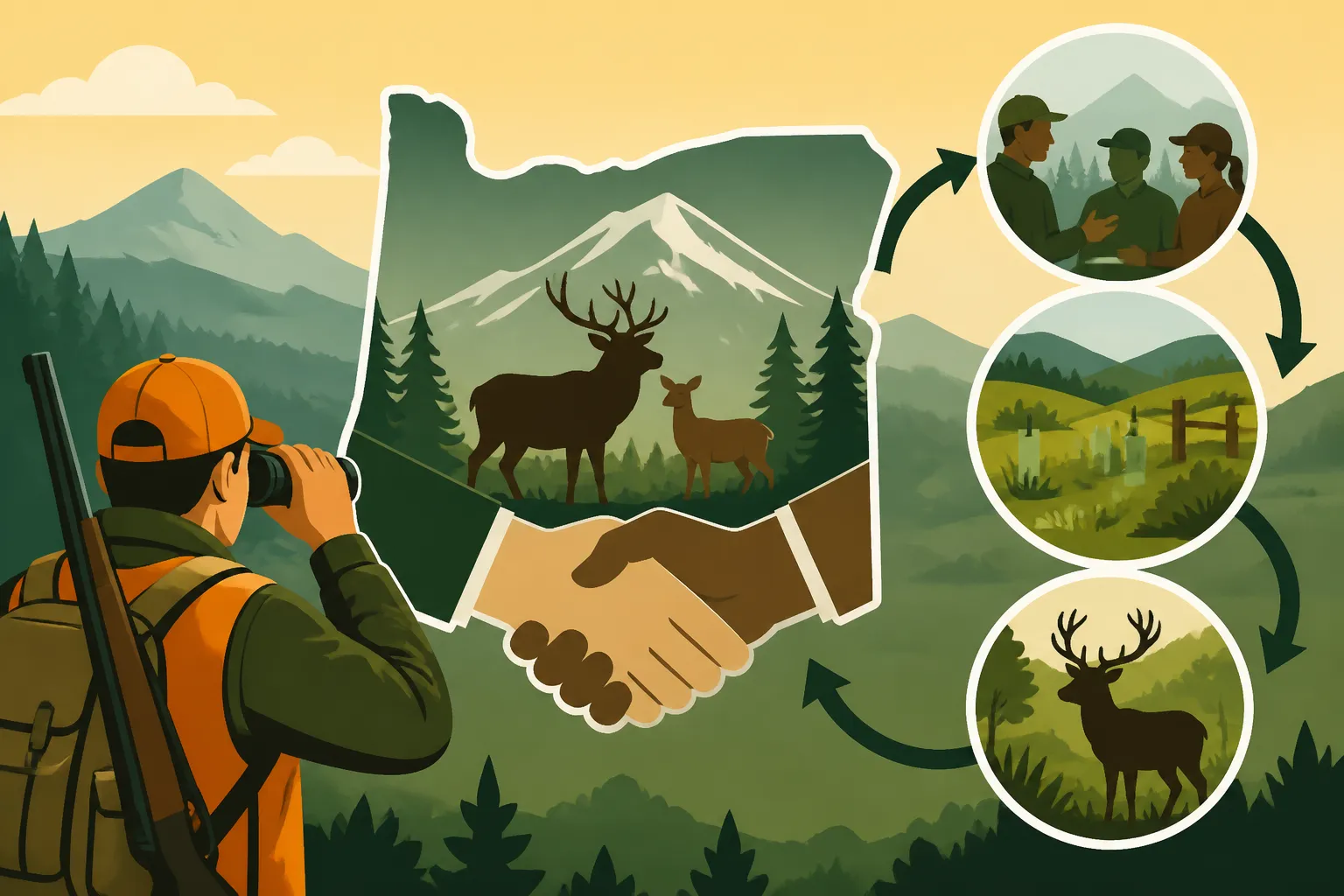
TMAs aren't typically created by a single entity working in a vacuum. Instead, they represent a collaborative effort, which is where the "Cooperative" part truly shines. The Oregon Department of Fish and Wildlife (ODFW) often spearheads these initiatives, but they work hand-in-hand with a variety of landowners. This includes federal agencies like the U.S. Forest Service and the Bureau of Land Management (BLM), as well as Oregon Department of Forestry (ODF) lands, and perhaps most crucially, large private timber companies.
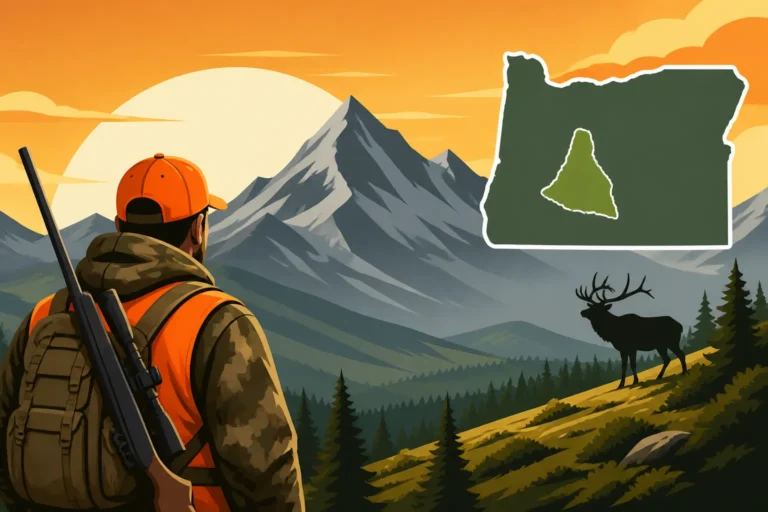
Oregon's landscape is a complex mosaic of public and private ownership. A prime elk unit might have patches of National Forest, intermingled BLM lands, and vast sections owned by industrial timber companies. Each of these landowners has their own management goals and regulations regarding access. The genius of a Cooperative TMA is bringing these disparate entities to the table to agree on a common set of rules for vehicle use across a larger, contiguous landscape, regardless of who "owns" the specific acre you're on. This partnership ensures that the benefits—like improved wildlife security and hunter experience—are felt across a broader area, making the efforts more impactful than if each landowner acted alone.
The Specifics of a Cooperative TMA
Now that we know the why and who, let's dive into what makes a Cooperative TMA distinct and how it functions on the ground. It's truly about synergy between different parties, resulting in a more structured and often more rewarding hunting environment.
How "Cooperative" Comes Into Play
The term "cooperative" isn't just a feel-good marketing phrase; it's fundamental to how these areas operate. It signifies a genuine partnership where various land management agencies and private landowners agree to a unified approach for managing public access. Imagine trying to hunt a large tract of land that's half national forest and half privately owned timber. Without cooperation, you might find yourself constantly crossing invisible lines, encountering different rules, or getting shut out of critical habitat simply because of land ownership boundaries.
In a Cooperative TMA, these different landowners pool their resources and agree to a shared vision for access. For landowners, especially private timber companies, this cooperation can mean reduced administrative burden, less illegal dumping, fewer trespass issues, and lower fire risk because access is managed and monitored. For hunters, it means a clearer, more consistent set of rules across a larger area, often opening up significant tracts of land that might otherwise be completely closed or confusing to navigate. The goal is to maximize habitat benefits for wildlife while still providing quality recreational opportunities for hunters, all while respecting the property rights and management needs of the various landholders. It's a true give-and-take that ultimately benefits everyone involved.
Common Features You'll Find in Cooperative TMAs
When you enter a Cooperative TMA, you'll typically notice a few key features that differentiate it from other public or private lands. These features are the nuts and bolts of how access is managed.
First and foremost are road closures. These can be permanent, meaning the road is decommissioned or blocked off year-round, or seasonal, where roads are closed during specific periods, often to protect wintering animals, reduce road damage during wet conditions, or provide quiet zones during hunting seasons. You might find a physical gate, berm, or even a simple sign indicating a closure. It's essential to understand that these closures are not arbitrary; they are usually backed by biological and management objectives.
Secondly, you'll find designated open roads. These are the arteries that provide access to the TMA's boundaries, parking areas, and points where you can begin your walk-in hunt. These roads are typically clearly marked, and it's crucial to stick to them. Driving off designated roads can lead to hefty fines and damage to the very resource we're trying to protect.
Perhaps the most exciting feature for many hunters is the presence of walk-in only areas. These are often vast stretches of land where all motorized vehicle traffic is prohibited. These areas become sanctuaries for wildlife, offering a more genuine backcountry experience without the constant hum of engines or the sight of headlights. They often push animals into more natural patterns, making them less wary of human presence on foot.
Finally, clear and comprehensive maps and signage are hallmarks of a well-managed Cooperative TMA. These maps delineate open roads, closed roads, walk-in areas, and often key landmarks. Learning to read these maps is paramount to a successful hunt within a TMA. For instance, the Starkey Experimental Forest and Range, while not a TMA in the typical sense, showcases how controlled access and research can inform these types of management strategies, providing insights into how animals respond to varied levels of human interaction. The principles learned there often influence TMA design.
Navigating and Utilizing Cooperative TMAs for Your Hunt
Okay, you've understood what a Cooperative TMA is and why it exists. Now, let's talk about the practical side: how do you actually hunt these areas effectively? It's less about driving and more about planning, walking, and being intimately familiar with your surroundings.
Decoding TMA Maps and Signage
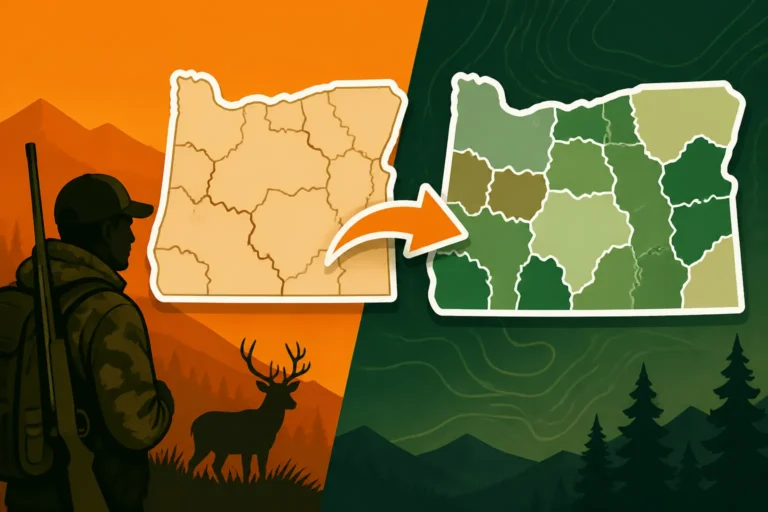
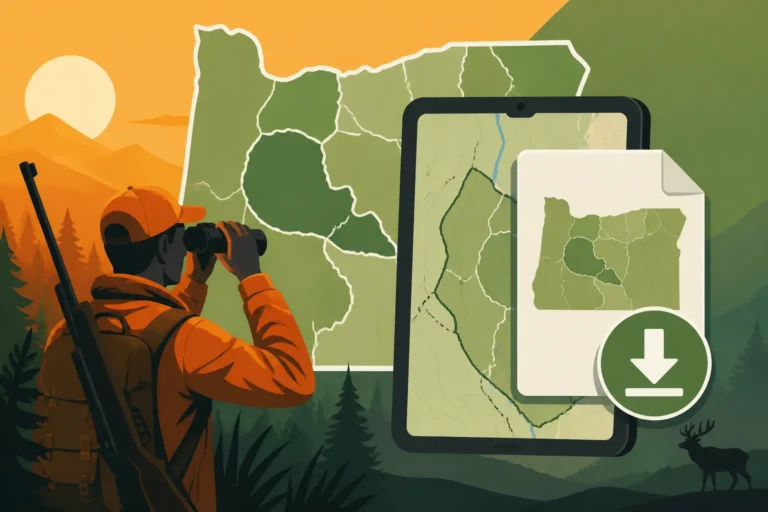
Before you even leave your driveway, your interaction with a Cooperative TMA begins with its maps. These aren't just pretty pictures; they are your hunting bible for these controlled access zones. Typically, these maps will use a system of colored lines or clear symbols to denote open roads, seasonally closed roads, permanently closed roads, and walk-in only areas. Red lines might mean permanently closed, while green might signify open access. It's crucial to get the most current map available, as rules can sometimes shift, especially with seasonal closures. ODFW generally provides these maps on their website, and often in their regulation pamphlets.
Beyond the broad strokes, pay attention to any specific notations regarding dates for seasonal closures. Some roads might be open during early archery season but close come rifle season. Others might be open outside of the general hunting dates. When you're physically in the field, look for the actual signs. These signs, whether they're laminated papers tacked to a post or more robust metal placards, are the legal word on the ground. Disregarding a clearly posted sign, even if it contradicts an older map you might have, can lead to serious legal trouble.
This is where modern technology truly shines. Mapping applications like onX Hunt are invaluable. They can overlay TMA boundaries, road statuses, and land ownership information directly onto a satellite or topographic map on your phone. This means you can see in real-time if you're on an open road, entering a walk-in area, or approaching a private parcel. It takes the guesswork out of decoding paper maps in unfamiliar territory and helps you stay compliant with the rules. Reading a Travel Management Area Map Before You Drive is a skill worth honing, and pairing it with digital tools makes it even more powerful.
Planning Your Hunt Strategy in a TMA
Hunting in a Cooperative TMA demands a different kind of planning compared to simply driving forest roads. It forces you to embrace the "walk-in" mentality, which, while physically demanding, often leads to a higher quality experience.
Your strategy should begin by identifying the core walk-in areas within the TMA. These are the zones where vehicle traffic is completely restricted, meaning less pressure and often more undisturbed game. Focus on access points: where can you park your vehicle legally, and what trail or old logging road can you use to penetrate deep into these walk-in zones? Where Motorized Travel Is Banned in a TMA means you'll need to think about your routes on foot.
Consider different hunting methods that are well-suited to quiet, foot-traffic-only areas. Still-hunting, where you move very slowly and deliberately, observing more than walking, can be incredibly effective when you're not competing with vehicle noise. Spot-and-stalk tactics, especially in more open timber or brushy clearcuts on the fringes of the TMA, can also pay dividends. With reduced vehicle traffic, animals are often less jumpy, making it possible to get closer than you might in heavily roaded areas.
One of the biggest advantages of TMAs is the significantly reduced disturbance. Game animals, especially elk and deer, learn very quickly where they are safe from vehicles. This means they often hold tighter to cover, use more natural travel corridors, and are generally less pressured deeper within the walk-in areas. When E-Scouting Oregon Units With Satellite Imagery, look for these deep, unroaded pockets, or the areas adjacent to vehicle access that are often overlooked by hunters unwilling to walk. Public Land Scouting in Oregon Before the Draw Results becomes even more critical in TMAs, as understanding terrain and animal movement patterns on foot is key. Remember, Oregon has strict rules about how far you can be from an open road with a loaded firearm, generally Oregon's 300-Foot Rule Beside an Open Road, but in a TMA, you'll be well past that threshold, opening up more hunting opportunities.
The Impact of Cooperative TMAs on Wildlife and Hunting Experience
Cooperative TMAs are not just about drawing lines on a map; they are about fostering a healthier environment for wildlife and, in turn, creating a richer, more authentic experience for the hunter willing to put in the effort.
Benefits for Wildlife
The primary beneficiaries of Cooperative TMAs are often the wildlife themselves. By strategically closing roads and creating vast walk-in zones, these areas provide critical sanctuary from human disturbance. Imagine being an elk, constantly on edge with vehicles rumbling past, headlights sweeping through your bedding area, and constant human scent along every road. It's a stressful existence. TMAs offer a reprieve.
Reduced vehicle traffic translates directly to less stress on animals. This is particularly important during vulnerable times, such as the birthing season for fawns and calves, or during harsh winter months when animals need to conserve every ounce of energy. Less disturbance means animals can follow more natural feeding and bedding patterns, without being constantly pushed from one area to another. This can lead to better overall health and condition for the herd.
Furthermore, TMAs contribute to improved habitat security. When animals feel safe, they are more likely to utilize all available habitat, including areas closer to roadsides that might otherwise be abandoned due to pressure. This can lead to a more even distribution of animals across the landscape, rather than them being confined to a few remote, inaccessible pockets. Reduced human access also means fewer opportunities for illegal activities like poaching or off-road habitat destruction, further safeguarding the environment. Elk Behavior After a Wildfire can also be influenced by TMAs, as these areas can provide quiet refuge as animals move into newly regenerating burn zones.
Enhancing the Hunter's Experience
While the benefits to wildlife are clear, Cooperative TMAs also profoundly enhance the hunter's experience. It shifts the paradigm from road hunting to a more traditional, boots-on-the-ground approach, which many hunters find incredibly rewarding.
First off, there's the peace and quiet. Step a mile or two into a walk-in area, and the sounds of traffic fade away, replaced by the rustle of leaves, the chirping of birds, and the subtle sounds of the forest. This creates a much more immersive and reflective hunting experience, connecting you more deeply with nature. It's a chance to truly escape the noise and bustle of everyday life, even if only for a day or two. This sense of solitude is increasingly rare in many popular hunting areas.
Secondly, you often find less competition. Many hunters, for various reasons, are unwilling or unable to venture far from their vehicles. By embracing the walk-in opportunity a TMA offers, you're immediately separating yourself from a significant portion of the hunting crowd. This can translate to less pressure on the animals and potentially encountering more relaxed, undisturbed game. It's a chance to find those hidden pockets that others overlook.
Finally, TMAs encourage more challenging and rewarding hunts. When you've put in the miles, hiked deep into a quiet basin, and successfully located an animal away from the roads, the sense of accomplishment is immense. It's a more physically and mentally demanding style of hunting, but the rewards—a hard-earned animal, the solitude, the feeling of truly understanding a piece of country—are often far greater. For hunters looking to truly test their skills and connect with the wild, Cooperative TMAs offer exactly that. Platforms like GoHunt can be great resources for scouting and researching units that have strong TMA programs, helping you identify areas with good potential for these kinds of experiences.
| Feature | General Public Land Access (Unmanaged) | Cooperative TMA Access |
|---|---|---|
| Vehicle Access | Mostly open roads, limited closures | Designated open roads, extensive walk-in areas, seasonal closures |
| Hunter Pressure | High, concentrated along roads | Lower in walk-in areas, concentrated at access points |
| Wildlife Disturbance | High, animals easily pushed | Significantly reduced, animals more relaxed |
| Hunter Experience | Can be noisy, competitive | Quieter, more solitary, more physically demanding |
| Navigation | Can be confusing with mixed ownership | Clearer with designated maps and signage |
| Physical Demand | Low to moderate | Moderate to high, requires walking |
| Regulatory Clarity | Varies by land manager | Unified rules across cooperative lands |
Challenges and Considerations in Cooperative TMAs
While Cooperative TMAs offer incredible benefits, it's important to approach them with a realistic understanding of the challenges they present. Being prepared for these aspects will make your experience much more enjoyable and successful.
Physical Demands and Logistics
Let's be honest: hunting in a Cooperative TMA is not for the faint of heart or the unprepared. The very nature of "walk-in" access means you're going to be covering ground on foot, often through challenging terrain. This requires a certain level of physical fitness and endurance that many casual hunters might not possess. You'll be walking further, climbing steeper hills, and pushing through thicker brush, all while carrying your gear.
This physical exertion becomes even more critical when you consider the logistics of packing out an animal. If you're fortunate enough to harvest a deer or an elk deep within a walk-in area, you're looking at a significant physical challenge to get that meat back to your vehicle. This isn't a scenario where you can just drive your truck right up to the downed animal. You'll need to be proficient in field dressing, quartering, and packing meat out on your back, potentially over several trips. This is why Physical Training for an Oregon Elk Hunt isn't just a suggestion; it's a necessity for hunting these areas effectively. You'll also want to review resources like Packing Out an Elk in Oregon's Wilderness Units to understand the strategies involved. Being fit isn't about being a marathon runner; it's about being strong enough to safely and efficiently execute the full hunt, including the hardest part: meat retrieval.
Beyond the physical, consider your gear. You'll likely be carrying more water, extra layers, and potentially a sturdy pack frame. You'll need reliable navigation tools beyond paper maps, such as a GPS device or a smartphone app with downloaded maps, since cell service can be spotty deep in the woods. Plan for longer days, as travel time on foot will be significantly greater than by vehicle. Always leave a detailed trip plan with someone responsible at home, including your expected return time and the specific TMA you'll be hunting.
Staying Informed and Respecting the Rules
The dynamic nature of land management means that regulations, even within established TMAs, can sometimes change. Seasonal closures might shift due to weather patterns, timber operations, or specific wildlife management needs. New roads might be added to the closure list, or occasionally, old ones might reopen. This is why it's absolutely paramount to get the most current information directly from ODFW or the managing land agency (like the Forest Service or BLM) before every hunt. Relying on last year's map or outdated information is a recipe for unintended rule violations.
Respecting the rules of a Cooperative TMA isn't just about avoiding a ticket; it's about upholding the integrity of the cooperative agreement itself. These partnerships between ODFW, public land agencies, and private landowners are often fragile and built on trust. When hunters disregard closures, drive off designated roads, or cause resource damage, it erodes that trust and can jeopardize future access opportunities for everyone. Private timber companies, in particular, often agree to these TMAs under the condition that hunters will respect the guidelines. If that respect isn't shown, they might simply opt to close their lands entirely, which would be a huge loss for all of us.
Understanding and adhering to all rules, including those related to Oregon Wildlife Violation Penalties, ensures that these valuable hunting grounds remain open and viable for generations to come. Be a responsible steward of the land, pack out what you pack in, and leave gates and fences as you found them. Your actions reflect on the entire hunting community, and in Cooperative TMAs, that collective responsibility is keenly felt.
Disclaimer
This article is for general informational purposes only and does not constitute professional advice. Laws, prices and regulations vary by location and change over time. Consult a qualified professional for guidance on your specific situation.