Asking Permission Before Oregon’s Season Opens
It's a familiar feeling for many Oregon hunters: you've put in the hours, scouted your public land spots, perhaps even drawn a decent tag, only to arrive opening morning and find every pull-off packed, every prime ridge already occupied. The truth is, some of the best hunting opportunities in our state, especially for deer and elk, lie on private ground. This guide is here to walk you through the often-intimidating but incredibly rewarding process of asking permission to hunt on private land before Oregon's season even begins, giving you a distinct advantage and opening up new possibilities.
Why Private Land Holds Hidden Hunting Gems in Oregon
Let's be honest, public lands get a lot of pressure. Whether you're chasing Roosevelt elk in the Coast Range or mule deer in Eastern Oregon, you're rarely truly alone. Animals on public land become incredibly wary, often nocturnal, and pushed into the thickest, nastiest cover to escape the orange army. Private land, however, often offers a sanctuary.
Think about the dynamics: a rancher's alfalfa fields become a magnet for deer and elk in dry country, offering a reliable food source. Dense timber company ground, even if it's industrial, can provide security cover adjacent to feed for blacktails. Animals quickly learn where they are safe from constant human intrusion. This isn't to say private land is always easy, but the odds of encountering less pressured animals, or even finding a resident herd that rarely sees a hunter, are significantly higher. It means your efforts, when permission is granted, can yield far more satisfying results.
Less Pressure, More Natural Behavior
On public land, animals are constantly being bumped, educated, and harassed. They change their patterns, move more at night, and become masters of evasion. On private ground, particularly properties not frequently hunted, animals might maintain more natural routines. You might see them feeding in open pastures during daylight, or not immediately flee at the sound of a vehicle door closing. This can translate to better viewing opportunities, more relaxed animals, and a greater chance to execute a thoughtful stalk or set up for a clean shot. For example, a herd of elk might frequent a secluded basin on private timberland, using the thick second-growth as bedding cover and only venturing to specific clearings. If you have permission, you can study these patterns without the worry of another hunter blowing them out of the area before you even get a chance.
Unique Habitat and Species Opportunities
Oregon is incredibly diverse, and so are its private land offerings. In the Willamette Valley, vast agricultural fields often hold impressive numbers of blacktail deer, often creating damage concerns for landowners. Gaining access here can be a game-changer for deer hunters. In Eastern Oregon, large ranches with varied terrain – from rimrock to juniper draws to irrigated fields – can be phenomenal for mule deer and even pronghorn. Some private timberlands, depending on their management, might even offer better access and less competition than national forests, especially when it comes to specific habitat features like recent clearcuts or old-growth pockets. Understanding where different species prefer to live, like Blacktail Deer Habitat in Oregon Clearcuts or Finding Mule Deer in Juniper Draws, can help you target the right private lands for your hunt.
Researching Properties and Identifying Landowners
So, you're convinced. Private land is the way to go. But where do you even start? This is often the biggest hurdle, the unknown of who owns what and how to contact them. It requires a bit of detective work, but thankfully, modern tools have made it significantly easier than it used to be.
Leveraging Digital Tools for Land Ownership
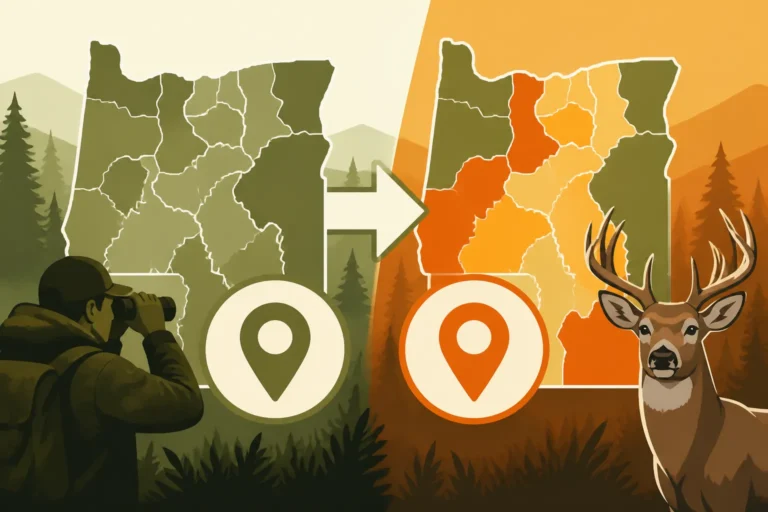
Gone are the days of driving around blindly, peering over fences for a mailbox with a name. Technology has revolutionized how hunters can identify property boundaries and ownership information. Tools like onX Hunt are invaluable here. You can literally pull up a map on your phone or computer, see property lines, and often get the landowner's name and sometimes even a mailing address. This is a crucial first step, allowing you to identify who to ask for permission. Before you even set foot on the ground, you can use these maps to pinpoint potential access points, identify major features like water sources or clearcuts, and understand the general lay of the land.
Another benefit of digital tools is the ability to cross-reference information. While not always directly tied to private land access, platforms like GoHunt provide in-depth unit data, harvest statistics, and habitat reports that can inform your decision on which general areas might hold the game you're after. This knowledge can help you narrow down your search for private land within productive hunting units. Remember, these apps are powerful resources, but they're just a starting point. The real work comes next. For those unfamiliar with digital scouting, learning E-Scouting Oregon Units With Satellite Imagery can provide a solid foundation.
Old-School Reconnaissance and Local Insight
While digital maps are powerful, nothing beats good old-fashioned boots-on-the-ground reconnaissance, especially when combined with local knowledge. Drive the roads that border potential private parcels you've identified. Look for signs of game, like tracks, droppings, or rubs. Note the condition of fences and gates. Are there obvious "No Hunting" signs? Sometimes, simply observing how the land is being used can tell you a lot.
Engaging with the local community can also be incredibly beneficial. Stop at the general store, the feed store, or even a local diner. Casually mention you're interested in the area for hunting and ask if anyone knows about private land access. People in rural communities are often willing to share insights, or even direct you to a landowner they know who might be open to granting permission. Just be respectful and genuine in your approach. Local insights can give you the lay of the land, potential challenges, and even direct contact information you might not find digitally.
The Art of the Ask: Approaching Landowners Effectively
This is where many hunters get nervous, and for good reason. Asking for permission can feel like begging, or like you're imposing. But it doesn't have to be. Approaching landowners with respect, a clear plan, and a willingness to help can turn a potential "no" into a "yes."
Timing, Presentation, and First Impressions
First and foremost, timing is everything. Do not wait until opening morning to knock on a door. That's a sure way to get a quick "no." Start your outreach weeks, if not months, before the season opens. This gives the landowner time to consider your request, check their schedule, and frankly, allows you to avoid the rush of desperate hunters.
When you make contact, whether in person or by letter, your presentation matters. If meeting in person, dress neatly and conservatively – no camo or muddy boots. You're trying to make a good impression, like a responsible adult, not an aggressive hunter. Be polite, articulate, and have a clear, concise request. If writing a letter, keep it brief, personal, and professional. Introduce yourself, state your intention, and offer a way to follow up. Always include your contact information. Remember, you're asking for a privilege, not demanding a right.
| Do's of Asking Permission | Don'ts of Asking Permission |
|---|---|
| Do approach well before hunting season. | Don't wait until opening day. |
| Do dress neatly; no camo if in person. | Don't show up looking like you're ready to hunt. |
| Do be polite, respectful, and articulate. | Don't be pushy, demanding, or entitled. |
| Do offer to help with chores. | Don't show up empty-handed or unprepared. |
| Do ask about specific areas/times. | Don't ask for "the whole farm" for the whole season. |
| Do leave a card/contact info. | Don't forget to thank them for their time. |
| Do offer to share meat or success photos. | Don't bring uninvited friends. |
| Do clarify boundaries and rules. | Don't assume any rules; ask everything. |
What to Say, How to Listen, and Addressing Concerns
When you finally get to speak with a landowner, be direct but friendly. Start by introducing yourself and mentioning how you got their contact information (e.g., from onX Hunt or a local contact). Explain that you're an ethical hunter looking for an opportunity. Clearly state what you're hoping to hunt (deer, elk, coyote, etc.) and for what season. Be specific about your experience and commitment to safety. For example, "Hello, Mr. Smith. My name is [Your Name], and I found your property through my hunting app. I'm an experienced elk hunter, very safety-conscious, and was hoping to inquire about the possibility of hunting elk on your property during the second rifle season."
Listen more than you talk. Landowners often have specific concerns: livestock safety, gates left open, property damage, noise, or simply knowing who is on their land. Address these directly. "I understand you have cattle, and I assure you I'm always aware of my surroundings and will only take a shot with a safe backstop." Or, "I always make sure to close any gates behind me." Offer to provide a copy of your hunting license and insurance. This level of transparency and professionalism goes a long way. If they have a problem with deer eating their crops, offer to help mitigate the issue. This proactive approach can make you stand out from the crowd. Sometimes, showing them you understand local issues like Goose Damage Priority in Open Fields can help build rapport if that's a problem they face.
Building Relationships and Maintaining Access
Getting permission once is fantastic, but the real goal is to build a long-term relationship that allows for future hunting opportunities. This comes down to respect, communication, and demonstrating that you are a responsible and trustworthy individual.
Post-Hunt Etiquette and Gratitude
Whether you filled your tag or not, follow up with the landowner after your hunt. A quick phone call, text, or even a handwritten thank-you note goes a long way. If you were successful, offer to share some of the meat. A plate of elk steaks or a package of venison sausage is a tangible expression of gratitude that many landowners truly appreciate. It shows you value their generosity beyond just the hunting opportunity itself. If you took photos of the animal, offer to share those too – many landowners enjoy seeing the game their land supports.
Beyond the hunt, consider if there are ways you can offer assistance. "Hey, I'm heading out your way next weekend. Is there anything I can help you with around the property? Fix a fence? Chop some wood?" Even if they decline, the offer itself reinforces your goodwill and willingness to be a good neighbor. This kind of follow-up separates the one-off opportunist from the reliable, respectful hunter. Remember that important rule about Leaving Gates and Fences as You Found Them.
Long-Term Stewardship and Trust
True long-term access is built on trust. This means consistently demonstrating ethical behavior, respecting all property rules, and leaving the land better than you found it. Pick up any trash you see, even if it's not yours. Report any suspicious activity you notice. Be mindful of your impact – drive slowly on private roads, park where instructed, and avoid disturbing livestock.
Over time, you can become a trusted resource for the landowner, perhaps even someone they call when they need a specific animal harvested due to crop damage or herd management. This level of trust takes time and consistent effort, but it's incredibly rewarding. Many landowners are happy to allow hunting from responsible individuals who demonstrate respect for their property and their way of life. By understanding programs like Oregon's Access and Habitat Program Lands, you can appreciate the importance of private land contributions to hunting opportunities across the state.
Disclaimer
This article is for general informational purposes only and does not constitute professional advice. Laws, prices and regulations vary by location and change over time. Consult a qualified professional for guidance on your specific situation.