Wallowa Unit Elk Access in Oregon
Hunting elk in Oregon's Wallowa Unit is a dream for many, but the reality of gaining effective access can quickly turn that dream into a frustrating maze of private timber, vast wilderness, and rugged terrain. It's not enough to simply draw a tag; you need a solid strategy for navigating the mountains and knowing where you can actually put boots on the ground. This guide is dedicated to untangling the complexities of Wallowa Unit elk access, helping you understand where to hunt, how to get there, and the essential tools you'll need to succeed.
Understanding the Wallowa Unit Landscape and Elk Behavior
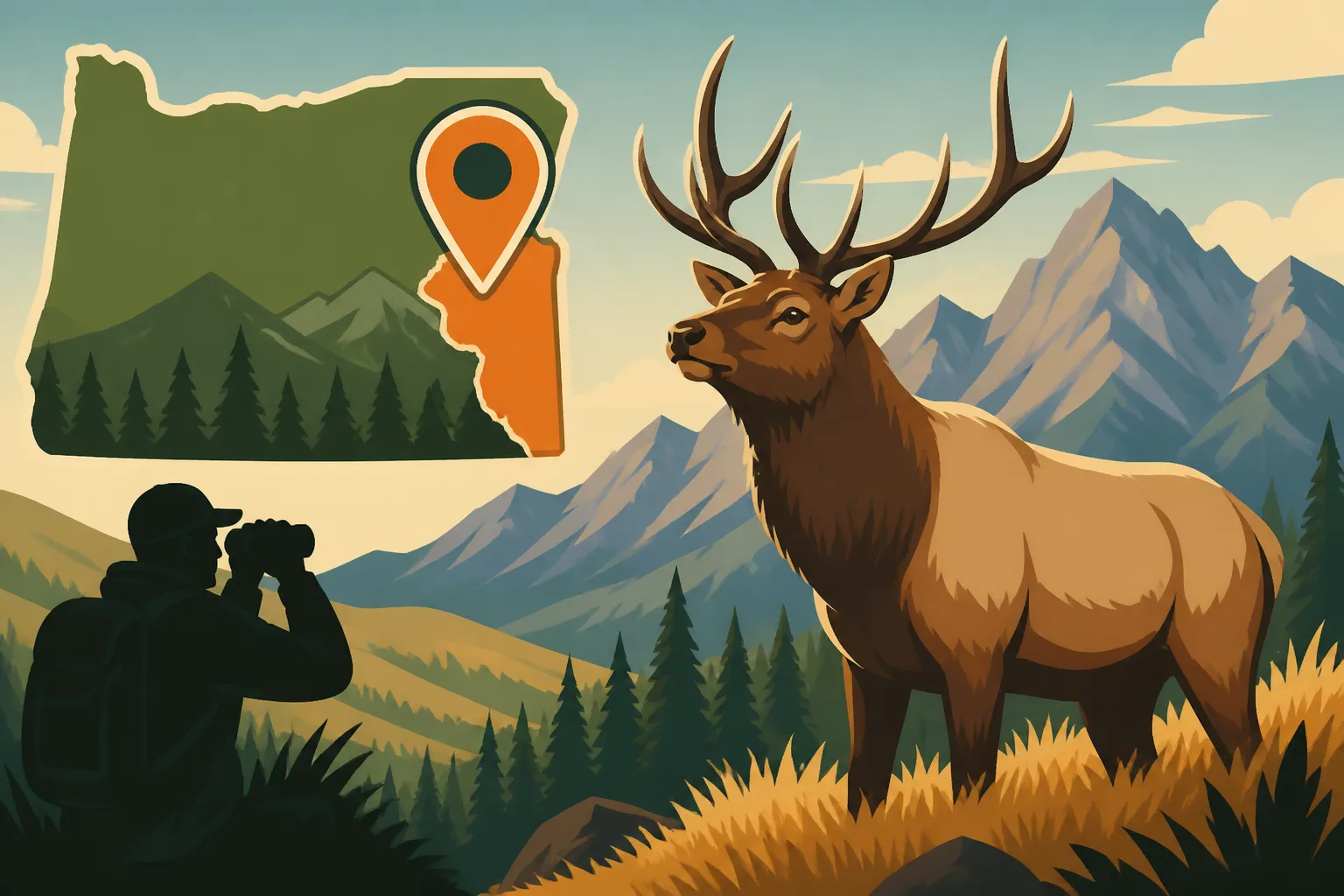
The Wallowa Unit, nestled in the northeastern corner of Oregon, is renowned for its stunning beauty and robust Rocky Mountain elk herds. However, its allure comes hand-in-hand with significant access challenges due to its unique topography and land ownership patterns. To hunt successfully here, you first need to understand the lay of the land and how elk utilize it.
The Rugged Terrain and Its Challenges
Imagine towering peaks, deep canyons carved by glacial rivers, and vast expanses of timber, interspersed with high-elevation meadows and alpine lakes. That's the Wallowa Unit. This is not flat-ground hunting; you'll encounter drastic elevation changes, often thousands of feet in a single day. The terrain is relentlessly steep, rocky, and can be choked with thick lodgepole pine, fir, and spruce, especially in north-facing draws. Travel can be slow and physically demanding, even with just a daypack, let alone when packing out an animal.
The sheer scale of the landscape means that what looks like a short distance on a map can be an epic undertaking on the ground. Hunters often underestimate the physical toll this country takes, leading to exhaustion and missed opportunities. Understanding this ruggedness is your first step in planning, influencing everything from your gear choices to your daily hunting strategy. You'll need to be prepared for everything from loose scree slopes to dense blowdowns, all while keeping an eye on the notoriously unpredictable mountain weather.
Elk Movement and Seasonal Patterns
Wallowa Unit elk are masters of their domain, and their movements are largely dictated by forage availability, hunting pressure, and weather. During the early archery seasons and into the rifle hunts, elk can be widely dispersed across their summer ranges, often found at higher elevations in the cooler timber and secluded basins. As hunting pressure mounts, they become incredibly adept at finding the most remote and difficult-to-reach pockets of cover, often retreating deep into wilderness areas or onto private lands where they feel undisturbed.
Later in the season, or with the onset of early snow, elk may begin to transition towards lower elevation wintering grounds. However, this isn't always a straightforward migration. Patches of favorable feed or sheltered timber can hold animals longer than expected. Hunters who can anticipate these shifts, perhaps by E-Scouting Oregon Units With Satellite Imagery before the season, will have a distinct advantage. It's a constant game of cat and mouse, and the elk almost always have the home-field advantage in this challenging terrain.
Navigating Public Land Access in the Wallowa Unit
The good news for hunters is that the Wallowa Unit boasts a significant amount of public land, primarily managed by the U.S. Forest Service and Bureau of Land Management (BLM). The bad news is that "public" doesn't always mean "easy to access." Understanding the nuances of these lands is critical for planning a successful hunt.
National Forests and BLM Lands
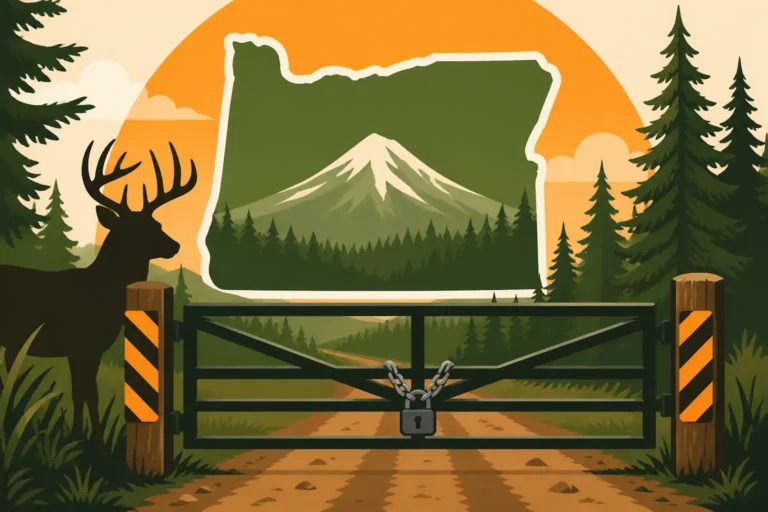
The vast majority of public hunting ground in the Wallowa Unit falls within the Wallowa-Whitman National Forest. This immense forest offers everything from easily accessible roaded areas to remote, non-motorized zones. Access points often involve a network of forest roads, some of which are well-maintained, while others might be rough, gravel, or even require a high-clearance 4×4. It's absolutely crucial to study maps that delineate these roads, noting which are open, seasonally closed, or permanently gated. Many of these closures are part of specific Travel Management Areas (TMAs) designed to protect wildlife or sensitive habitats. Learning how to identify Reading Green Roads on an Oregon Travel Management Map will save you immense frustration and potential fines.
BLM lands also exist, though often in smaller, more fragmented parcels, typically at lower elevations and closer to private agricultural ground. While less common for elk-specific hunting in the Wallowas compared to the expansive national forest, these areas can sometimes provide overlooked access points or transition zones, especially if elk are moving between feeding and bedding areas. The key is never to assume; always verify land ownership and access rules before heading out. Tools like onX Hunt are indispensable for overlaying public and private boundaries directly onto your GPS map, ensuring you know exactly where you stand.
Wilderness Areas and Roadless Country
A significant portion of the Wallowa Unit is encompassed by the majestic Eagle Cap Wilderness, offering truly wild and challenging hunting experiences. Eagle Cap Wilderness Hunting Access means leaving motorized vehicles behind and embracing backcountry travel. Here, the hunting is as much about the journey as the destination. You'll find yourself hiking for miles, often gaining thousands of feet in elevation, to reach remote basins and ridge lines where elk face less pressure. The regulations here are strict: no motorized vehicles, no mountain bikes, and adherence to "Leave No Trace" principles is paramount. Understanding Oregon Wilderness Rules That Ban Motorized Carts is vital if you plan on a pack-in hunt.
Hunting in these roadless areas demands a different level of preparation. Many hunters opt for Backpack Camps in Oregon Wilderness, carrying everything they need on their backs for multi-day excursions. Others might consider Horse and Llama Packing Into Oregon Backcountry to transport gear and, hopefully, meat. While physically demanding, the rewards can be immense: truly wild animals in stunning landscapes, far from the crowds. This is where truly dedicated and prepared hunters find their solitude and often, their success.
Private Land Considerations and Access Strategies
Even within the broad swaths of public land in the Wallowa Unit, private land holdings are scattered throughout, sometimes in a confusing checkerboard pattern. Navigating these private parcels is one of the most critical, and often overlooked, aspects of hunting the unit effectively.
Identifying and Respecting Private Holdings
It's common to find private inholdings, often timber company lands or ranch properties, situated deep within what appears to be solid public domain. These parcels can block access to larger sections of public land or create pinch points where elk concentrate. The biggest mistake a hunter can make is to assume that all land within a national forest boundary is public and open. This simply isn't the case. Trespassing, even accidentally, can lead to fines, loss of hunting privileges, and damage to the hunter's reputation.
This is where digital mapping tools become non-negotiable. Services like onX Hunt and GoHunt provide detailed property line overlays, clearly marking public lands (like National Forest and BLM) versus private ground. This allows you to plan your routes meticulously, identifying legal access corridors and avoiding potential conflicts. If you find your chosen hunting area surrounded by private land, you may need to reconsider your approach or, ideally, seek permission well in advance. Having a clear understanding of property lines is not just about legality; it's about respecting landowners and ensuring continued access for all hunters. If you ever find yourself needing to cross private land to reach public access, make sure to consider Asking a Landowner for Access with courtesy and respect.
Timber Company Lands and Permits
Large timber companies own significant tracts of land throughout Oregon, and the Wallowa Unit is no exception. Companies like Weyerhaeuser and Hancock often manage their properties with varying levels of public access. Some areas may be completely open to public access, while others require a permit, sometimes involving a fee. These permits can range from annual passes to specific hunt-area permits. Checking with the specific timber company directly or through their public access programs is crucial before you plan your hunt. Some permits are highly sought after and sell out quickly, so proactive planning is essential.
It's also important to note that timber company policies can change. Fire season closures, logging operations, or other management decisions can suddenly restrict access, sometimes with little notice. Always check current conditions and policies before you head out. Understanding the general terms, like Weyerhaeuser Permit Cost in Oregon or whether walk-in only gates exist, can shape your strategy significantly. If access is granted, always adhere to their rules regarding gates, roads, and environmental impact. Building a good relationship with these landowners is paramount to maintaining future access.
Tools and Preparations for Wallowa Unit Elk Access
Successfully hunting elk in the Wallowa Unit isn't just about drawing a tag; it's about meticulous preparation, both mentally and physically, and having the right tools in your kit. This challenging environment demands respect and readiness.
Essential Mapping and Navigation
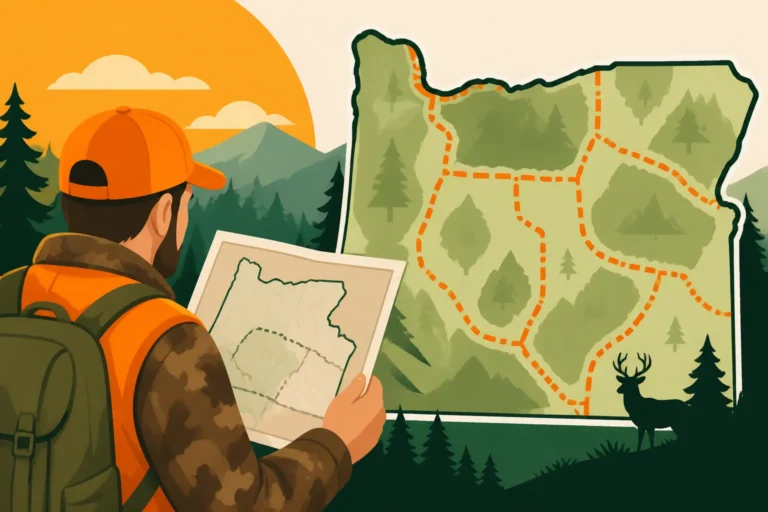
In a unit as vast and complex as the Wallowa, your navigation strategy can make or break your hunt. Relying solely on a paper map is risky, especially given the density of timber and the potential for unexpected weather. Digital mapping apps like onX Hunt have revolutionized how hunters approach these units. These platforms provide satellite imagery, topographic maps, and crucially, color-coded land ownership boundaries directly on your phone or GPS device. You can mark waypoints for glassing points, water sources, elk sign, or your truck, and track your movements. For areas with no cell service, which is common in the Wallowas, downloading offline maps beforehand is absolutely non-negotiable.
Another invaluable tool for planning is GoHunt. While often known for its draw odds and application strategy, GoHunt also provides detailed unit information, including habitat types, roads, and land ownership breakdowns. Combining these digital resources with a good old-fashioned paper map (and knowing how to use it) creates a redundant and robust navigation system. Knowing where you are, where you can go, and what lies ahead is the foundation of effective Wallowa Unit elk hunting.
Physical Fitness and Gear
The Wallowa Unit is not for the faint of heart or the out of shape. The steep climbs, often at high altitude, combined with the need to cover significant ground, demand a high level of Physical Training for an Oregon Elk Hunt. Many hunters spend months preparing, focusing on cardio, strength, and endurance. Being physically capable means you can push deeper, stay longer, and more safely pack out an animal when success strikes. Don't underestimate the energy required to traverse this country; a fit hunter is a safer, more effective hunter.
Your gear also needs to be up to the task. Durable, waterproof Boots for Wet Coastal Hunting (even though the Wallowas aren't coastal, the ruggedness demands similar quality and ankle support) are essential, as are layers of clothing that can handle rapid temperature swings. Quality Rain Gear That Actually Stays Dry is non-negotiable, as mountain storms can roll in quickly, turning a pleasant day into a hypothermic risk. A well-fitted backpack capable of comfortably carrying heavy loads is paramount, not just for your daily essentials but for packing out meat. Don't skimp on a first-aid kit, emergency shelter, and reliable communication devices, especially when venturing into remote areas.
Researching Regulations and Unit-Specific Information
Before you even consider setting foot in the Wallowa Unit, you must thoroughly research current regulations. The Oregon Department of Fish and Wildlife (ODFW) publishes an annual hunting pamphlet that is your primary source for all rules, seasons, tag requirements, and reporting obligations. You'll need to know not only the general rules but also any unit-specific regulations that apply to the Wallowa Unit, such as weapon restrictions, boundary descriptions, or special access permits for certain areas. Always check the Oregon Regulation Pamphlet Release Date and review the most current version.
Beyond the ODFW regulations, delve into online forums, social media groups focused on Oregon hunting, and reputable hunting websites. These can offer valuable insights into recent elk movements, road conditions, fire closures, and general hunting pressure. While you should always take anecdotal information with a grain of salt, it can sometimes fill in the gaps that official publications might miss. Resources like GoHunt provide data on past draw odds and harvest success rates, which can help you understand the challenge and potential reward of hunting the Wallowa.
Comparison of Wallowa Unit Land Types and Access
| Land Type | Ownership/Management | Typical Access | Key Considerations |
|---|---|---|---|
| National Forest (USFS) | Public (Federal) | Roads, trails, wilderness | Road closures, TMAs, wilderness rules, active logging |
| BLM Land | Public (Federal) | Roads, trails, scattered | Often lower elevation, checkerboarded with private |
| Eagle Cap Wilderness | Public (Federal, USFS) | Hike-in, horse/llama pack-in | No motorized vehicles, strenuous, multi-day commitment |
| Industrial Timberland | Private (Companies like Weyerhaeuser, Hancock) | Permitted access, walk-in, gated roads | May require fee/permit, seasonal closures, active logging |
| Private Ranch/Agricultural | Private (Individuals) | Permission required (rare for elk) | Absolute no trespassing, respect boundaries, ask in advance |
This article is for general informational purposes only and does not constitute professional advice. Laws, prices and regulations vary by location and change over time. Consult a qualified professional for guidance on your specific situation.