Strawberry Mountain Wilderness Hunting
The call of the wild, untamed spaces often tugs at the heart of an Oregon hunter, but the sheer scale and remoteness of areas like the Strawberry Mountain Wilderness can feel incredibly daunting. It's easy to get lost in the regulations, the logistics of packing deep into the backcountry, and the worry of being unprepared. This guide will walk you through what it really takes to plan and execute a hunting trip in Oregon's Strawberry Mountain Wilderness, addressing the practicalities and challenges you'll face.
The Unique Challenge of Strawberry Mountain Wilderness
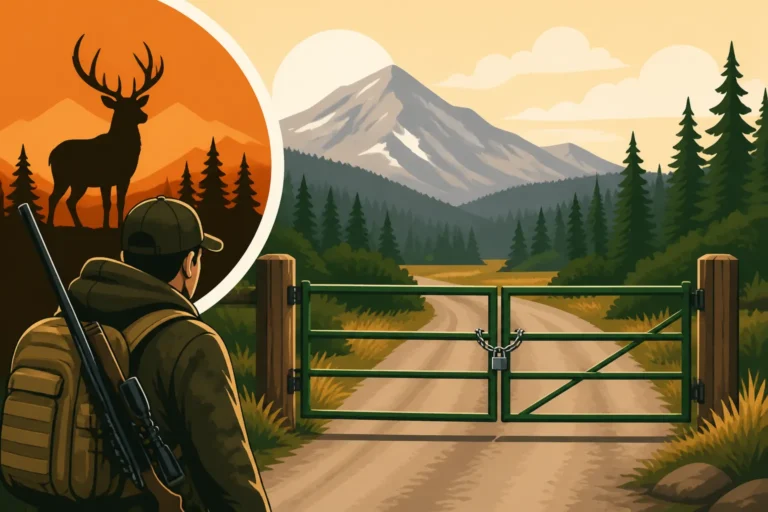
Hunting in a designated wilderness area like the Strawberry Mountain Wilderness is a completely different beast than chasing game on easily accessible public lands with a network of roads. Here, your vehicle stops where the wilderness boundary begins, and everything beyond that point is on your own two feet, or with the aid of pack stock. This fundamental difference shapes every aspect of your hunt, from scouting to packing out.
Terrain and Habitat Characteristics
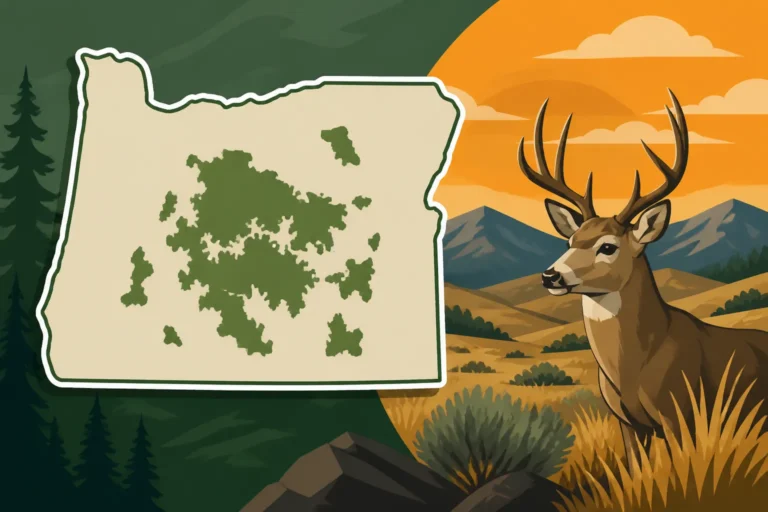
The Strawberry Mountain Wilderness, nestled within the Malheur National Forest in Eastern Oregon, boasts a stunning array of landscapes, from high alpine lakes and jagged peaks reaching over 9,000 feet, to dense lodgepole pine forests, open meadows, and deep canyon bottoms. This diverse habitat is home to Rocky Mountain elk, mule deer, and black bears, among other species. The topography is rugged, with significant elevation changes that will test your physical limits. You'll find yourself navigating steep, rocky slopes one moment and pushing through thick timber the next. Water sources can be plentiful in some areas, especially near the higher elevations and drainages, but knowing where they are is critical for multi-day trips. E-Scouting Oregon Units With Satellite Imagery becomes absolutely vital here, allowing you to meticulously study potential travel corridors, bedding areas, and water holes from the comfort of your home. You'll want to pay close attention to the transition zones where different vegetation types meet, as these often serve as prime feeding and bedding areas for game.
Access Points and Trailheads
Accessing the Strawberry Mountain Wilderness usually means starting at one of several trailheads that dot its perimeter. These trailheads, often found at the end of gravel or dirt roads, are your gateways into this wild expanse. Popular access points might include those leading towards Strawberry Lake, Slide Lake, or around the Canyon Creek drainage. It's crucial to understand that "popular" here is relative; even the busiest trailheads see far fewer hunters than easily drivable units. However, identifying your primary access point is just the beginning. You'll need to know the condition of the access roads leading to these trailheads, as they can range from well-maintained gravel to rough, rocky tracks that might require a high-clearance vehicle. Parking can also be limited, especially during peak seasons, so arriving early is always a good idea. Remember, once you step beyond the trailhead sign, the internal combustion engine is left behind, emphasizing the self-reliance needed for Hunting Oregon's Wilderness Areas.
Planning Your Wilderness Hunt
A successful hunt in the Strawberry Mountain Wilderness hinges almost entirely on meticulous planning. You can't just wing it here; the consequences of being unprepared can be severe. This isn't just about finding game; it's about survival and logistical mastery.
Permit Requirements and Regulations
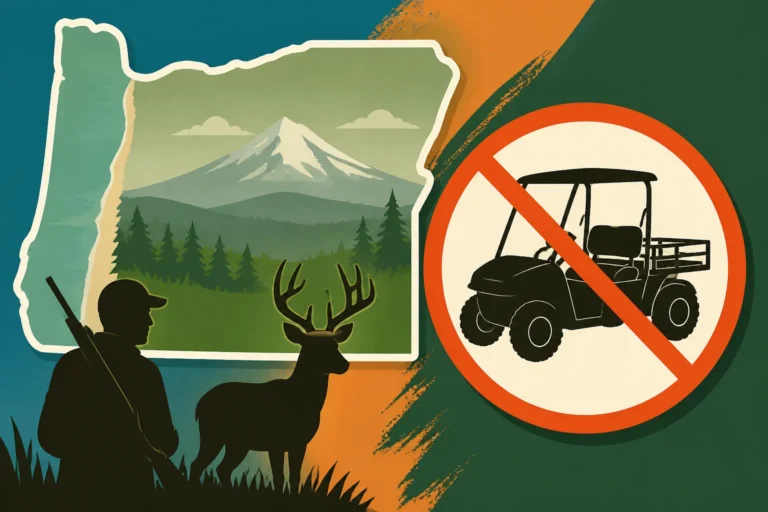
While general hunting licenses and tags are the baseline, hunting specifically within a federal wilderness area carries its own set of considerations. You won't typically need a special hunting permit just for the wilderness itself, beyond your standard Oregon big game tags. However, you absolutely must be intimately familiar with general wilderness regulations. These rules are designed to preserve the wilderness character and typically prohibit motorized vehicles, mechanical transport (like game carts), and often have restrictions on group size and length of stay. For instance, Oregon Wilderness Rules That Ban Motorized Carts are a key regulation you'll need to absorb. Always check the specific regulations for the Malheur National Forest and the Strawberry Mountain Wilderness before you go, as rules can vary and change. Understanding fire restrictions is also paramount, especially during dry fall seasons, as open fires might be prohibited, requiring you to carry a stove for cooking.
Physical Conditioning and Stamina
Let's be blunt: hunting the Strawberry Mountain Wilderness is not for the out-of-shape. The relentless elevation changes, coupled with the need to carry all your gear on your back, demands a high level of physical fitness. You'll be climbing thousands of feet, descending into steep canyons, and traversing uneven terrain, often with a heavy pack. If you're fortunate enough to harvest an animal, the real work begins: packing hundreds of pounds of meat out, potentially over several trips. This is where your physical preparation truly pays off. Many seasoned hunters will spend months prior to the season engaging in rigorous workouts, focusing on cardio, strength training, and especially hiking with a weighted pack. Neglecting this step is a recipe for misery, potential injury, and ultimately, an unsuccessful or abandoned hunt. Think of it as training for a mountain marathon, not a casual stroll. Physical Training for an Oregon Elk Hunt is a good primer for what you'll need to do to prepare.
Navigation and Communication
In the vastness of the Strawberry Mountain Wilderness, reliable navigation is not just a convenience; it's a lifesaver. Cell service is virtually non-existent in most of this country. You absolutely need a combination of traditional and modern tools. A good topographical map and a compass are non-negotiable backups, and knowing how to use them proficiently is crucial. For your primary navigation, a robust GPS unit or a smartphone with a reliable hunting app like onX Hunt is indispensable. These apps allow you to download offline maps, mark waypoints, track your movements, and identify land ownership boundaries, which can be critical even deep in public land. Setting up your waypoints, marking trailheads, and planning escape routes on your digital maps beforehand with tools like onX Hunt or GoHunt is a practice that can literally save your hide if you get disoriented. Beyond navigation, consider satellite communication devices, such as a satellite messenger or phone, for emergencies. These allow you to send texts or SOS signals even without cell service, providing a vital link to the outside world.
Essential Gear and Tactics
Your gear list for a wilderness hunt will be different from a road-based hunt. Every item needs to earn its weight, and redundancy for critical items is smart.
Backpacking Setup and Shelter
For multi-day hunts into the Strawberry Mountain Wilderness, your backpacking setup is paramount. You'll be carrying everything you need to survive and hunt for days on end. This means a sturdy, comfortable pack capable of hauling heavy loads, a lightweight yet durable tent or shelter, a warm sleeping bag rated for the expected temperatures, and a reliable sleeping pad. Backpack Camps in Oregon Wilderness discusses some of the nuances of setting up a temporary home in these remote locations. Think minimalist but functional. Every ounce counts, so scrutinize your gear list and shed anything truly non-essential. Cooking will likely involve a compact backpacking stove, fuel, and dehydrated meals. Water filtration or purification is also a must, as you’ll be relying on natural water sources.
Hunting Tactics for Wilderness Elk and Deer
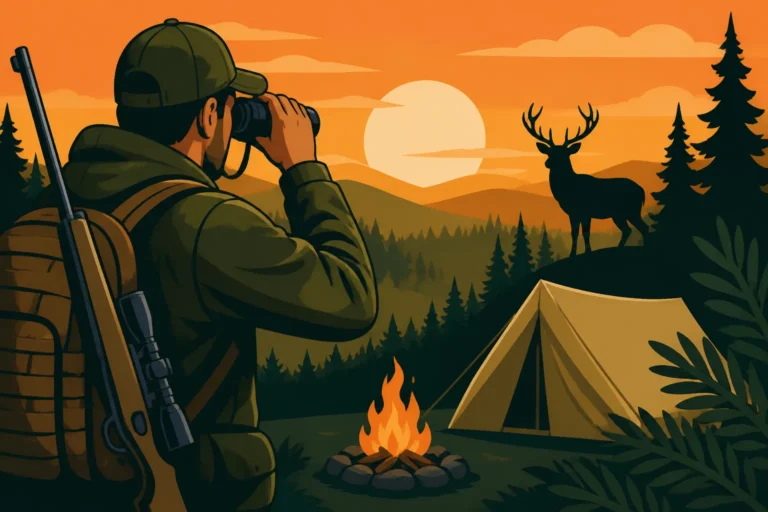
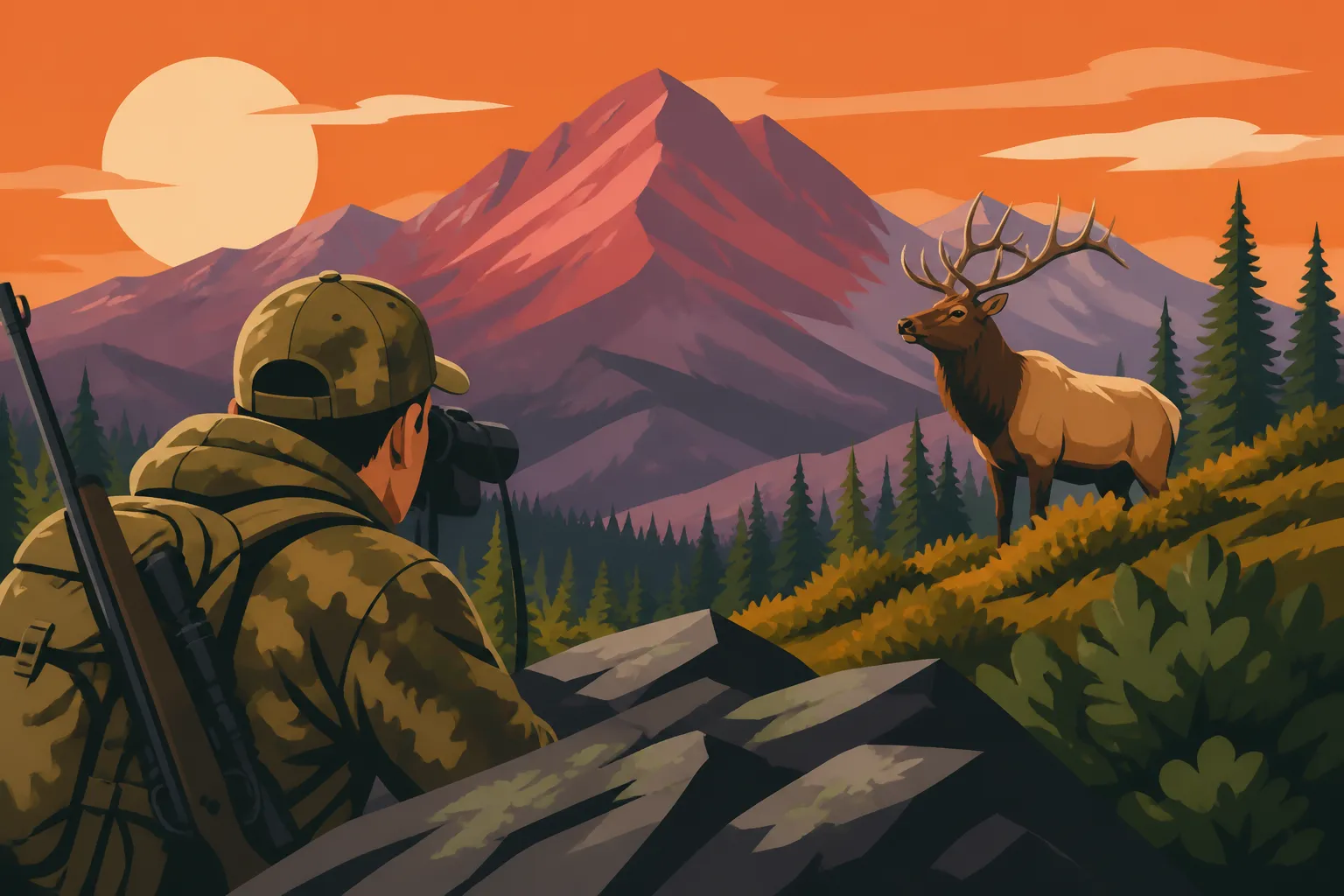
The tactics for hunting elk and deer in the Strawberry Mountain Wilderness often revolve around patience, stealth, and a deep understanding of animal behavior in unpressured environments. Elk, in particular, may behave differently than those constantly harassed by vehicles. They might be less wary of human scent if it's less common, but they will still stick to thick cover and challenging terrain. Still-hunting, slow and deliberate movement through timber, and glassing vast open slopes at dawn and dusk are common strategies. Using calls, especially cow calls, can be effective in drawing out curious bulls or locating herds. For mule deer, focus on glassing rimrock and high basins, especially around water sources in drier periods. Because of the vastness, covering ground on foot is key, often requiring significant hiking before you even start hunting. The animals are likely to be deep in their preferred habitat, far from any human disturbance.
Pack Stock Considerations
For those who regularly venture deep into wilderness areas, pack stock (horses or llamas) can be an invaluable asset. They allow you to carry significantly more gear, food, and crucially, meat on the way out, transforming what would be multiple grueling pack-out trips into a more manageable one or two. This can extend your hunt duration and allow you to explore even more remote corners of the wilderness. However, using stock comes with its own set of responsibilities and regulations. You'll need to understand how to properly care for and manage your animals in a wilderness setting, including certified weed-free feed requirements to prevent the spread of invasive species. If you don't own stock, considering Horse and Llama Packing Into Oregon Backcountry services can be a game-changer for accessing the deepest parts of the Strawberry Mountains.
Regulations and Other Key Considerations
Beyond the immediate hunt, there are broader rules and ethical considerations that define responsible wilderness hunting.
Fire Restrictions and Bear Safety
Eastern Oregon, particularly during the late summer and fall, can be prone to wildfires. Always check current fire restrictions for the Malheur National Forest before you head out. A small, innocent campfire can quickly become a catastrophic blaze, endangering not just the forest but also yourself and other recreationists. If campfires are allowed, ensure you know how to build and extinguish them safely, following Leave No Trace principles.
Bear safety is another critical component of wilderness hunting, as the Strawberry Mountain Wilderness is prime black bear country. Proper food storage is essential to avoid attracting bears to your camp. This means using bear canisters, hanging food from trees, or storing it in bear-resistant bags away from your tent. Be aware of your surroundings, especially when field dressing an animal, as the scent of a kill can attract bears from a distance. Carrying bear spray and knowing how to use it is a prudent precaution.
Leave No Trace Principles
Hunting in a wilderness area inherently demands a commitment to Leave No Trace principles. This means packing out everything you pack in, including all trash, spent casings, and even food scraps. Minimize your impact on the land by staying on established trails where possible, camping on durable surfaces, and properly disposing of human waste. The goal is to leave the area as pristine as you found it, preserving the wilderness experience for future generations of hunters and outdoor enthusiasts. It’s about respecting the land that provides such incredible opportunities.
| Aspect of Hunting | Traditional Road-Access Hunt | Strawberry Mountain Wilderness Hunt |
|---|---|---|
| Access | Vehicle, ATV, short walk | Foot, horse/llama, long hike |
| Physical Demands | Moderate to high | Very High, strenuous |
| Gear Weight | Moderate, can resupply easily | Minimalist, every ounce counts |
| Navigation | Roads, trails, limited off-trail | Detailed topo maps, GPS, satellite comms |
| Pack Out | Vehicle accessible or short haul | Multiple trips on foot/stock, extreme effort |
| Crowding | Potentially high | Generally low, solitude expected |
| Regulations | General hunting rules | Wilderness-specific rules (e.g., no motorized carts), fire bans |
| Self-Sufficiency | Moderate | Absolute, vital for survival |
Responsible Game Handling and Ethics
Successfully harvesting an animal in the wilderness is just the first step. You'll need to be proficient in field dressing and quartering your animal, as getting the meat cooled quickly is critical, especially in early season hunts. Knowing the gutless method can save a lot of time and effort. Field Dressing an Elk in Warm Early-Season Weather and Quartering and Packing an Elk Alone are skills that are not just nice to have, but absolutely essential in this environment. You'll also need a plan for how to safely store and transport the meat back to your vehicle, potentially over several days and miles. Carrying game bags and being prepared for multiple trips back and forth is part of the reality. Beyond the practicalities, maintaining a strong ethical compass is paramount. Respecting the animals, adhering to fair chase principles, and ensuring every effort is made to recover wounded game are core tenets of responsible hunting, especially in such a wild and unforgiving setting.
Disclaimer
This article is for general informational purposes only and does not constitute professional advice. Laws, prices and regulations vary by location and change over time. Consult a qualified professional for guidance on your specific situation.