Mount Jefferson Wilderness Rules
The majestic Mount Jefferson Wilderness, a cornerstone of Oregon's high Cascades, beckons hunters with its rugged beauty and challenging terrain. However, the very wildness that draws us in demands a different approach than hunting closer to developed areas. Many hunters feel overwhelmed trying to decipher the specific rules that apply within this federally designated wilderness, fearing they'll inadvertently break a regulation designed to protect its pristine nature. This guide is here to untangle those complexities, providing clear, actionable insights into navigating the Mount Jefferson Wilderness rules so you can plan a responsible, successful, and truly wild hunting adventure.
Understanding the Wilderness Ethic and Core Principles
Before diving into specific rules, it's crucial to grasp the overarching philosophy of wilderness areas. These aren't just large tracts of public land; they are designated by Congress to preserve their "wilderness character," meaning they are lands "where the earth and its community of life are untrammeled by man, where man himself is a visitor who does not remain." This foundational principle dictates every rule and regulation you'll encounter. It's about protecting the wildness for its own sake, and for future generations to experience it as we do today.
This core ethic means that human impact should be minimal, transient, and non-mechanized. You're entering a landscape where nature's processes dominate, and your presence should reflect that. It’s a challenge, for sure, especially when you’re packing heavy gear or, even better, heavy game meat out of the backcountry. But it's also what makes a hunt in a place like Mount Jefferson so incredibly rewarding – the feeling of earning every step, every ounce of effort, in a truly untamed environment.
Prohibited Activities and Gear
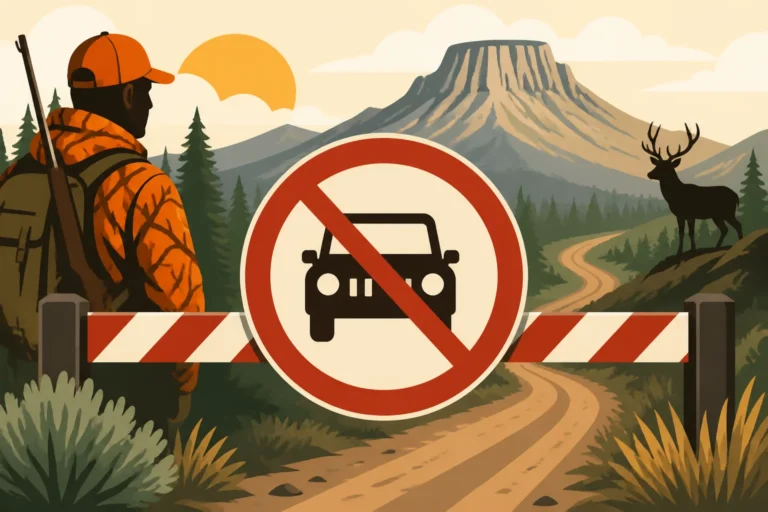
The most significant distinction for hunters in wilderness areas like Mount Jefferson revolves around transportation and equipment. Simply put, anything with a motor or wheels is generally a no-go. This rule often causes confusion, especially with the rise of new technologies that seem helpful but fundamentally clash with the wilderness mandate.
This means you cannot use ATVs, dirt bikes, or any other motorized vehicle. But it extends beyond that. Even seemingly innocent items like mountain bikes, e-bikes, or game carts (those wonderful inventions that save your back on forest roads) are strictly prohibited. Imagine trying to drag a heavy game cart over downed timber or across a rocky creek bed; it's not just impractical, it's explicitly disallowed because it falls under "mechanized transport." This is where the physical demands of a wilderness hunt really hit home, and it's a critical part of why many hunters seeking a true challenge gravitate to these areas. Prepare to use your feet, and perhaps your back, more than ever before. Oregon Wilderness Rules That Ban Motorized Carts delves deeper into these specific restrictions across the state.
Minimizing Your Impact: Leave No Trace
The "Leave No Trace" principles are not just suggestions in wilderness areas; they are a code of conduct. This means packing out everything you pack in, and then some. Leftover food scraps, orange peels, cigarette butts – all must go with you. Digging catholes for human waste, packing out toilet paper, and scattering campfire ashes thoroughly are all part of the deal.
When it comes to game animals, this principle dictates careful field dressing practices. Entrails should be scattered away from water sources and campsites, allowing nature to reclaim them without creating unsightly or unsanitary conditions. Avoid leaving large piles of bone or offal right on the trail or near popular areas. The goal is that the next person, or even you on your next trip, should find no evidence of your visit other than perhaps a faint boot print in the dirt. It's about respecting the land as much as the animals you pursue.
Specific Rules for Hunters and Campers
Hunting in the Mount Jefferson Wilderness comes with a unique set of regulations that apply directly to how you pursue game and establish your temporary home. These rules are designed to balance hunting opportunities with the preservation of the wilderness character, ensuring a sustainable and respectful experience for all. It's not just about obeying the law; it's about being a steward of these incredible lands.
Camping Regulations and Group Size
When you're planning your multi-day hunt, where you set up camp matters. In the Mount Jefferson Wilderness, there are often restrictions on how close you can camp to lakes, streams, or designated trails. These distances, which can vary, are typically in place to protect sensitive riparian areas, prevent overcrowding, and maintain the aesthetic value of the most popular spots. Always check the specific ranger district information or visitor center for the most up-to-date camping restrictions within Mount Jefferson.
Group size is another crucial factor. Wilderness areas generally limit the number of people and stock (horses, llamas, mules) in a single party. This is not to spoil your fun with friends, but to minimize impact and preserve the solitude that is a hallmark of wilderness. Large groups tend to spread out, create more wear and tear on trails and campsites, and produce more waste. Familiarize yourself with Group Size Limits in Wilderness Areas to ensure your hunting party complies. If you're planning a sizable trip, you might need to split into smaller, independent groups to adhere to these rules.
Fire Restrictions and Food Storage
Campfires, while a cherished part of the backcountry experience, are often heavily regulated, especially in a popular and sensitive area like Mount Jefferson. During dry seasons, outright fire bans are common. Even when fires are permitted, there are rules about using existing fire rings, keeping fires small, and ensuring they are completely extinguished. Never start a fire on a windy day, and always have water readily available to douse it. The damage from a single escaped campfire can devastate vast tracts of wilderness and impact hunting opportunities for years. It's a responsibility every hunter must take seriously.
Food storage is equally critical, not just for your provisions but for the safety of wildlife. Bears, cougars, and even smaller critters like marmots and raccoons are opportunistic. Attracting them to your camp by leaving food, garbage, or even scented items (like toothpaste or deodorant) unsecured can lead to habituation, making these animals dangerous and often resulting in their removal. Always hang your food in a bear bag, use a bear canister, or employ another approved method to keep it out of reach. This includes your game meat, which, once processed, becomes a strong attractant. Proper food storage protects both you and the wildlife.
Stock Use and Weed-Free Feed Requirements
For many hunters, especially those pursuing elk deep in the backcountry, packing in with horses or llamas is essential. These animals provide the muscle needed to haul heavy gear in and even heavier game meat out. However, using pack stock in wilderness areas comes with its own set of rules designed to protect the fragile ecosystem.
The most prominent of these is the requirement for certified weed-free feed. This means that any hay, cubes, or pellets you bring for your animals must be certified as free of invasive weed seeds. Invasive species can quickly outcompete native plants, altering habitat and food sources for native wildlife, including the game animals you're hunting. Local feed stores often carry certified weed-free products, and it's your responsibility to source them before your trip. Always carry proof of certification, as rangers can and do check. Understanding Weed-Free Feed Rules on Forest Land is non-negotiable for stock users. Furthermore, there are often restrictions on where you can graze your stock and how close they can be to water sources to prevent erosion and contamination. Horse and Llama Packing Into Oregon Backcountry offers more detail on navigating these logistics.
Access and Navigating the Wilderness
Getting into the Mount Jefferson Wilderness is an adventure in itself, often requiring careful planning and a good understanding of the topography. Once you're past the trailhead, you're relying entirely on your own two feet, or the surefootedness of your pack animals, to get you where you need to go. This remote nature is part of its charm, but it also demands a higher level of preparedness and navigational skill.
Trailheads and Entry Points
The Mount Jefferson Wilderness is accessible from several trailheads on its perimeter, primarily off Highway 22 on the west side and more remote forest roads on the east. Popular trailheads like the Pacific Crest Trail access points, or those leading into areas like Jefferson Park, offer routes into the interior. It’s crucial to research your specific entry point beforehand, including road conditions, parking availability, and any required permits. Some popular trailheads might require a wilderness permit, especially for overnight stays, even if they don't have a fee. These permits are usually self-issue at the trailhead and are essential for tracking use and emergencies. Always leave a detailed trip plan with someone reliable at home, including your entry and exit points, expected return date, and any specific areas you intend to hunt. This is a critical safety measure when venturing into such remote country.
Navigation Without Motorized Aid
Once you're beyond the trailhead, your navigational tools are limited to maps, compasses, and GPS devices. While a GPS unit or a smartphone with a mapping app like onX Hunt is invaluable for pinpointing your location, marking waypoints, and tracking your route, it's essential to carry physical maps and a compass as a backup. Batteries die, devices fail, and satellite signals can be intermittent in deep canyons or heavy timber. A thorough understanding of how to read a topographic map is paramount.
Using onX Hunt can be incredibly helpful for identifying wilderness boundaries and tracking your movements. You can download offline maps to ensure functionality even without cell service. Similarly, other platforms like GoHunt provide excellent resources for researching hunt units and understanding terrain before you even leave home. However, remember the spirit of wilderness travel: no drones, no e-bikes, no motorized carts. Every mile covered is powered by your own effort, making every game animal packed out a testament to your hard work. Consider brushing up on your E-Scouting Oregon Units With Satellite Imagery skills before your trip to get a lay of the land digitally.
| Activity/Item | Allowed in Mount Jefferson Wilderness | Prohibited in Mount Jefferson Wilderness |
|---|---|---|
| Motorized Vehicles | No | Yes (Cars, ATVs, Dirt Bikes) |
| Mechanized Transport | No | Yes (Mountain Bikes, E-bikes, Game Carts) |
| Pack Animals (Horses, Llamas) | Yes (with weed-free feed) | No (unapproved feed) |
| Campfires | Yes (with restrictions, check current regs) | Yes (during bans, unattended, large fires) |
| Group Size | Yes (within limits) | Yes (exceeding specified limits) |
| Permanent Structures | No | Yes (e.g., permanent blinds) |
| Dispersed Camping | Yes (with distance setbacks) | Yes (too close to water/trails) |
| Trail Maintenance | No (unless authorized) | Yes (unauthorized cutting) |
| Drones | No | Yes |
Planning Your Mount Jefferson Wilderness Hunt
A successful hunt in the Mount Jefferson Wilderness is rarely spontaneous. It requires meticulous planning, physical conditioning, and a deep respect for the environment and its challenges. This isn't a place for the unprepared; it's a place where thoughtful preparation can make the difference between an epic adventure and a miserable, or even dangerous, ordeal.
Physical Conditioning and Gear Choices
Mount Jefferson is rugged. You'll encounter steep inclines, rocky terrain, dense timber, and potentially unpredictable weather, even in late summer and early fall. Carrying a heavy pack, possibly with meat, over several miles of uneven ground demands significant physical fitness. Before you even think about applying for a tag, commit to a serious physical training regimen. Hiking with a weighted pack, covering varied terrain, and building core strength are non-negotiable. Many hunters focus on Physical Training for an Oregon Elk Hunt which applies perfectly to the demands of this wilderness.
Your gear choices also become paramount. Lightweight, durable, and reliable equipment is worth its weight in gold. Good quality rain gear is essential, as are sturdy, broken-in boots that can handle the mileage and varying conditions. A robust First Aid Kit Items for a Remote Hunt should be a top priority, along with emergency shelter, water purification, and reliable navigation tools. Every item in your pack should serve a purpose, as every ounce adds to the burden. When pursuing elk, consider Archery Setup for Wet Oregon Timber or Rifle Choice for Oregon Elk and Deer for the types of conditions you may encounter.
Researching Hunt Units and Regulations
Even if you've hunted in other wilderness areas, it's vital to research the specific unit rules for Mount Jefferson. Oregon's hunting regulations can be complex, and while the wilderness designation adds a layer of consistent rules, individual hunt units might have unique nuances regarding seasons, weapon restrictions, or specific access points. The Oregon Department of Fish and Wildlife (ODFW) website is your primary source for official regulations and hunt boundary maps.
Take the time to understand the specific species you're pursuing within the wilderness. For instance, Roosevelt Elk in Western Oregon behave differently from Rocky Mountain Elk in Eastern Oregon, and Mount Jefferson may straddle the transitional zone for some species. Understanding game movements, historical success rates, and pressure points within the wilderness can give you an edge. Many online tools, including GoHunt or onX Hunt, can overlay hunt unit boundaries and public land ownership over satellite imagery, giving you a detailed look at the terrain and access options. While these tools are fantastic, nothing replaces good old-fashioned study of the regulation pamphlet and direct calls to the local ODFW office or Forest Service Ranger District for clarity on any specific rule.
Emergency Preparedness and Communication
Hunting in the Mount Jefferson Wilderness means being truly self-reliant. Cell service is virtually non-existent in much of the area, making emergency communication challenging. A satellite communication device, such as a satellite messenger or phone, is highly recommended. These devices can send messages, track your location, and initiate an SOS call in a true emergency, potentially saving your life or the lives of your hunting partners.
Beyond communication, be prepared for anything. Weather can change rapidly in the Cascades, turning a sunny day into a full-blown snowstorm in a matter of hours. Pack layers, carry extra food and water, and know how to build an emergency shelter. What if you successfully harvest an animal far from the trailhead? Have a plan for Quartering and Packing an Elk Alone or Getting Meat Out Before It Spoils, and remember that all meat must be packed out legally and respectfully, even if it means multiple grueling trips. Your preparation should extend to safely getting your harvest home, understanding things like Coolers, Ice and the Drive Home From Eastern Oregon from a remote location. The more scenarios you've thought through and prepared for, the safer and more enjoyable your wilderness hunt will be.
Disclaimer
This article is for general informational purposes only and does not constitute professional advice. Laws, prices and regulations vary by location and change over time. Consult a qualified professional for guidance on your specific situation.