Weather Days and Who Absorbs Them
Getting out into Oregon's vast hunting grounds is often a dream come true, but Mother Nature has her own schedule, and sometimes her plans don't align with yours. Few things are more frustrating than investing time, money, and anticipation into a hunt, only to have a significant portion of it derailed by severe weather. This guide dives deep into the reality of "weather days" in Oregon hunting, exploring who typically bears the cost and how you can best prepare for these unpredictable events, especially when working with an outfitter.
The Unpredictable Hand of Mother Nature: What Are "Weather Days" in Oregon Hunting?
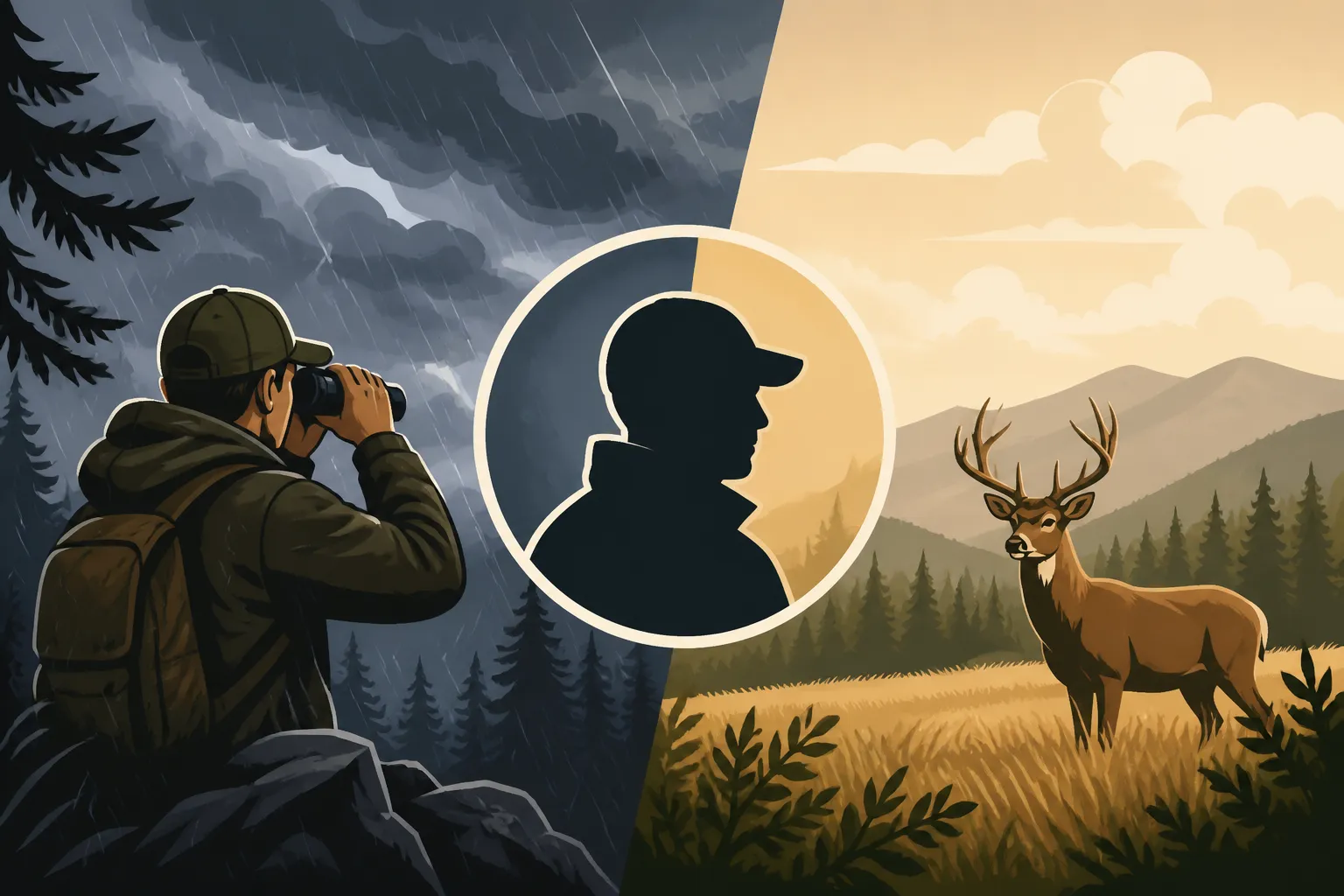
When you envision your Oregon hunt, you probably picture crisp mornings, clear skies, and game moving. But the reality is, Oregon's weather can be notoriously fickle, shifting from pleasant sunshine to relentless downpour or heavy snow in a matter of hours, especially in certain regions like the Coast Range or the high Cascades. These dramatic shifts can quickly turn a planned day of hunting into what many call a "weather day"—a day where hunting is either impossible, unsafe, or simply unproductive due to environmental conditions. It's not just an inconvenience; it can be a genuine safety hazard and a significant setback for your hunting goals.
Defining "Unhuntable" Conditions
What exactly qualifies as an "unhuntable" condition can vary depending on the species, terrain, and the specific hunter or outfitter's comfort level. For instance, a light drizzle in the western Oregon timber might just mean you need better rain gear for a Blacktail Deer Hunting in Oregon's Coastal Clearcuts trip, but a whiteout blizzard in the Blue Mountains could make a Rocky Mountain elk hunt utterly impossible. Extreme wind can make archery hunting dangerously inaccurate and uncomfortable. Heavy fog, especially when glassing expansive areas like those for Glassing Sage and Juniper for Eastern Oregon Mule Deer, can reduce visibility to mere yards, rendering a spot-and-stalk approach useless. Then there's ice, which can make steep terrain treacherous, or severe thunderstorms that bring lightning risk and flash floods. These aren't just minor inconveniences; they pose real threats to personal safety and the integrity of the hunt.
Consider a scenario in Eastern Oregon during late season mule deer. A sudden, unexpected ice storm coats the juniper ridges. While you might be eager to hunt, your outfitter might deem it too dangerous to navigate the steep, frozen slopes, not just for you, but for their horses or UTVs, and potentially for retrieving a downed animal. Or imagine a fall bear hunt in the Coast Range; torrential rain turns logging roads into muddy bogs, making access impossible for vehicles and even on foot in some areas due to deep, slick mud. These are the kinds of days that aren't just tough hunting; they are days where continuing the hunt might invite serious injury or equipment damage.
More Than Just Rain: How Weather Impacts Hunting
The impact of severe weather goes far beyond simply getting wet or cold. It fundamentally alters animal behavior, accessibility, and the overall hunting experience. Heavy snowfall can push animals to lower elevations or into dense cover, making them harder to locate. Conversely, a sudden warming trend after a cold snap can melt snow quickly, creating muddy, impassable roads and making game scent dissipate rapidly. Wind can carry human scent for miles, alerting game long before you're in range, or it can make calling for elk or cougars incredibly difficult as sounds get muffled or distorted. Think about trying Calling Roosevelt Elk in Oregon Rainforest Timber when a gale is whipping through the canopy—it's a near-impossible task.
Beyond the game itself, weather impacts hunter safety and logistics. Treacherous driving conditions on forest roads can delay access or even strand hunters. Hypothermia is a constant threat in wet, cold conditions, especially if proper Rain Gear That Actually Stays Dry isn't used or if someone gets injured miles from the truck. For outfitters, these impacts are magnified. They're responsible for client safety, but also for the well-being of their stock, their equipment, and adhering to strict schedules. A pack string trying to get into the Eagle Cap Wilderness Hunting Access during an unexpected early snowstorm faces significant challenges and risks that can halt an entire trip. It's a cascading effect, where one weather element can unravel a carefully laid plan.
The Financial and Logistical Burden: Who Pays When the Weather Turns?
This is where the rubber meets the road, and often where frustrations arise. Hunters pay good money and often wait years for a tag; outfitters invest heavily in their operations. When a weather day hits, questions about lost time, expenses, and potential rescheduling inevitably come up. There's no single, universal answer, as the responsibility for absorbing the costs of a weather day usually depends heavily on the specific contract signed with an outfitter, as well as the nature of the weather event itself. It's a tricky area, often leading to misunderstandings if not thoroughly discussed upfront.
Outfitter Contracts: The Fine Print on Weather Delays
Most reputable Oregon hunting guides and outfitters will have clear clauses in their contracts addressing weather. This is crucial because it protects both parties. These clauses typically define what constitutes an "unhuntable" day and what the consequences are. Some contracts might state that the hunt duration is fixed, regardless of weather, meaning if you lose a day to a blizzard, you simply lose that day of hunting with no refund or reschedule. Others might offer a partial refund for lost days, or a credit towards a future hunt, especially if the outfitter initiates the halt due to safety concerns. However, it's rare to get a full refund for a weather-disrupted hunt, as the outfitter still incurs operational costs like food, fuel, guide wages, and depreciation of equipment, even if you're not actively hunting.
For example, an outfitter might specify that if a hunt is cut short by a natural disaster, like a major wildfire closure or an extreme, unforecasted weather event that makes access impossible (beyond just difficult), they will offer a percentage credit towards a rebooked hunt in a future year. However, if it's just a typical rainy day in western Oregon, that's often considered part of the hunt and expected. This is why it's absolutely vital to read every line of your Guide Contracts and Deposits in Oregon before signing. Don't assume anything. Ask specific questions about what happens if you lose a day, two days, or even the entire hunt to weather. What if a major Oregon Winter Range Closures That Affect Late Hunts is enacted due to heavy snow and suddenly your hunt unit is off-limits? The contract should ideally provide clarity on these scenarios.
Client Expectations vs. Reality
As hunters, we often go into a trip with a certain expectation of success, or at least a full week of attempting to find game. When weather days occur, that expectation can quickly clash with the harsh reality. It's easy to feel like you're losing money if you've paid for a five-day hunt and two of those days are spent holed up in camp. This is where a realistic understanding of Oregon's varied climate becomes paramount. Hunters need to appreciate that an outfitter cannot control the weather, and their primary responsibility is often the safety of their clients and staff. Pushing into dangerous conditions solely to "get your money's worth" is a recipe for disaster.
A common scenario might involve a client on an Archery Elk Hunting Oregon's August and September Seasons trip. They've saved for years, drawn a coveted tag, and booked an outfitter for a prime week. Suddenly, an unseasonal heatwave hits, pushing temperatures into the 90s. Elk activity grinds to a halt during the day, making hunting incredibly tough and requiring different tactics like hunting water sources at dawn and dusk. While not "unhuntable," these conditions severely reduce success odds and overall enjoyment. The outfitter is still providing services, guiding, and maintaining camp, but the hunting itself is simply miserable. In such cases, the burden of unproductive hunting typically falls on the client, as the outfitter is still performing their part of the agreement, even if nature isn't cooperating. This is often an unspoken part of the "experience" of hunting—sometimes it's just tough, and you learn to roll with it.
Understanding Trip Insurance and Its Limits
For those looking to safeguard their financial investment against the unexpected, hunt or trip insurance can be a valuable consideration. This isn't just for guided hunts, but for any significant hunting trip where travel, lodging, and special permits are involved. Policies can cover a range of contingencies, including medical emergencies, travel delays, lost luggage, and yes, sometimes even hunt cancellations due to severe weather. However, it's critical to understand the specific terms and exclusions of any policy you consider. Not all policies cover all weather-related incidents.
For instance, a policy might cover the cost of your hunt if a major blizzard prevents you from even reaching your destination, or if a declared natural disaster (like a widespread wildfire forcing evacuations) closes your hunting area entirely. However, it's less likely to cover you if the weather just makes for "bad hunting" conditions, like persistent rain or high winds, but the hunt itself is still technically operational. Some higher-tier policies might offer "cancel for any reason" coverage, but these are typically more expensive and have specific deadlines for purchase. When you're looking at your options, make sure to ask your insurance provider directly about their coverage for weather-related disruptions to hunting trips. Companies like BookYourHunt, which often facilitate guided trip bookings, sometimes work with insurance providers or offer advice on securing coverage. It's an added expense, but for a high-cost, once-in-a-lifetime hunt, it could offer significant peace of mind.
| Scenario | Outfitter Contract Clause (Common) | Trip Insurance Coverage (Varies) | Client Responsibility (Typical) |
|---|---|---|---|
| Severe Storm Prevents Travel | Pro-rated refund/credit, rebooking option if outfitter cancels trip. | Often covered if travel is officially halted by airline/road closures. May cover hunt cost if hunt cannot commence. | Bears cost of missed days if contract specifies no refunds for external factors. |
| "Bad Hunting" Weather (Rain, Wind) | No refund; hunt continues as scheduled, just tougher conditions. | Unlikely to be covered, as the hunt is still operational. | Absorbs the impact on hunting success/enjoyment; no financial recourse. |
| Outfitter Calls Off for Safety | Full/partial credit for lost days, rebooking. Outfitter bears immediate operational loss. | May be covered if the outfitter cancels due to conditions making the trip unsafe, leading to a loss of deposit or prepaid fees. | May get credit; often still responsible for costs incurred (e.g., travel to camp). |
| Hunter Decides Not to Hunt Due to Weather | No refund or credit. | Generally not covered, as it's a personal decision, not an imposed cancellation. | Bears all costs; outfitter still expects payment for services ready to be rendered. |
| Wildfire/Natural Disaster Closure | Pro-rated refund/credit, rebooking if outfitter cannot operate. | Often covered if a government authority declares an area unsafe or closed, preventing the hunt. | May get credit from outfitter or claim on insurance; still loses opportunity for that year. |
Preparing for the Inevitable: Strategies for Mitigating Weather Day Impacts
Since you can't control the weather, the best approach is to prepare for it. This isn't just about packing an extra layer; it's about a holistic approach to planning, communication, and expectation management. A well-prepared hunter can turn a potentially disappointing weather day into a manageable inconvenience, or even an opportunity to learn and bond with their outfitter. It's about being proactive rather than reactive, especially when you're investing a significant amount of time and money into an Oregon hunting adventure.
Pre-Trip Planning and Communication with Your Outfitter
The single most effective way to manage weather days is to have an open, honest conversation with your outfitter well before your trip. Don't wait until you're already in camp and it's raining sideways. When you're in the vetting process, asking pointed questions about their policy on weather delays should be high on your list, right alongside questions about their Guide Experience in a Specific Oregon Unit and Outfitter Success Rates and What They Measure. Ask:
- "What constitutes an 'unhuntable' day in your experience for this specific hunt?"
- "What is your typical procedure if we lose a day or more to severe weather?"
- "Do you offer partial refunds, rebooking credits, or are those days simply lost?"
- "What are your typical backup plans for really foul weather? Are there alternative activities, or is it primarily downtime in camp?"
Understanding their approach helps set your expectations. A good outfitter will appreciate your foresight and provide clear answers, often pointing to specific clauses in their contract. This isn't about being confrontational; it's about being informed. Knowing that a day might be spent reading a book by the fire if a severe storm rolls in, rather than expecting a full refund, prevents disappointment. This dialogue can also give you insight into their professionalism and how they handle client relations under stress.
Building Flexibility into Your Schedule and Budget
Another crucial strategy is to build flexibility into your overall hunting plan. If your work schedule allows, try to add an extra day or two to either end of your booked hunt dates. This buffer can be a lifesaver. If bad weather delays your travel in, or if an outfitter needs to extend the hunt by a day to make up for lost time, those extra days can accommodate it without throwing your entire life off track. It's a small investment that can yield huge returns in peace of mind.
Financially, having a contingency fund can also alleviate stress. This doesn't mean paying for days you might not hunt, but rather having extra funds available for unforeseen expenses like an unexpected hotel stay if you're delayed, or even a different activity if your hunt is totally washed out. Remember, hunt costs are just one part of the equation; travel, gear, and licensing all add up. Services like GoHunt, with their extensive resources for planning hunts, often emphasize looking at the full financial picture, not just the outfitter fee. They might also highlight the importance of realistic budgeting for all aspects of a trip, including potential delays. Consider this your "unforeseen circumstances" fund, ready to absorb minor shocks without derailing your entire experience.
Gear Up for the Worst, Hope for the Best
While flexibility and clear communication handle the logistical and financial aspects, having the right gear is your first line of defense against being physically sidelined by weather. Oregon weather demands robust, reliable equipment. This means investing in high-quality rain gear that truly keeps you dry, even through an all-day downpour, and multiple layers of appropriate clothing for changing temperatures. Boots for Wet Coastal Hunting are vastly different from those needed for dry, rocky Eastern Oregon, and choosing correctly is vital. Don't skimp on essentials like a durable backpack, waterproof optics covers, and a reliable headlamp.
Consider what you'd need if you were stuck in camp for a day or two. A good book, a portable game, or even a small charging bank for electronics can make downtime more tolerable. If you're physically prepared, with appropriate Physical Training for an Oregon Elk Hunt, you'll also be better equipped to handle the challenges that come with hunting in less-than-ideal weather, such as navigating slick terrain or pushing through deep snow. Think about it: a little rain or wind might slow you down, but if you're properly dressed and mentally prepared, you can still hunt effectively when others are retreating. Being "weatherproofed" isn't just about comfort; it's about maximizing your hunting opportunities, even on days when Mother Nature seems intent on testing your resolve.
Navigating Contractual Nuances and Best Practices
Understanding the contractual landscape around weather days is paramount. It's not just about knowing what's in your agreement; it's about knowing how to engage with outfitters and use available resources to ensure you're making the most informed decisions possible. This clarity can save you headaches and heartache down the line, ensuring that both you and your guide have a fair understanding of the arrangements.
Asking the Right Questions Before You Book
Beyond the direct "what if" questions about weather days, delve deeper into the outfitter's operational flexibility. For instance, if you're booking an Oregon Rocky Mountain Elk Season Structure hunt in an area prone to early snow, ask about their contingency plans for early winter conditions. Do they have heated tents? Are their vehicles equipped for snow travel? What happens if roads become impassable? Inquire about their typical client-to-guide ratio. A more personalized, one-on-one hunt might offer more flexibility to adapt to weather windows than a larger group hunt where scheduling is more rigid.
Also, ask about their experience with various weather patterns in their specific hunting area. A guide who has been operating in the Coast Range for decades will have a much better understanding of how Hunting Blacktails in Fog and Drizzle affects game movement and how to adapt, compared to someone new to the region. This experience is invaluable. Ensure you discuss not just cancellations, but also what happens if the quality of the hunt is severely diminished, even if not fully cancelled. While no outfitter guarantees success, a frank discussion about realistic expectations given potential weather patterns can help manage your own mindset.
The Role of Hunt Consultants and Booking Platforms
In today's hunting world, many hunters utilize hunt consultants or booking platforms to navigate the vast array of outfitters. These services, like BookYourHunt, can be incredibly helpful when it comes to understanding contractual nuances, including those related to weather. A reputable hunt consultant acts as an intermediary, helping you find an outfitter that aligns with your goals and budget, and often assisting in reviewing contracts. They typically have established relationships with outfitters and a deeper understanding of industry standards regarding cancellations and rebookings.
When using such a service, leverage their expertise. Ask them specifically about how different outfitters handle weather days and whether they recommend trip insurance for your particular hunt. They might even have insights into specific outfitters known for their flexible or rigid policies. Similarly, platforms like GoHunt, while more focused on DIY planning and e-scouting, often provide valuable context on weather patterns for different units and seasons in Oregon, helping you assess the risk of weather days before you even reach out to an outfitter. Using these resources can add an extra layer of protection and informed decision-making to your hunting preparations, making sure you go into your Oregon adventure as prepared as possible for whatever Mother Nature throws your way.
Disclaimer
This article is for general informational purposes only and does not constitute professional advice. Laws, prices and regulations vary by location and change over time. Consult a qualified professional for guidance on your specific situation.