Fort Rock Unit Antelope Country
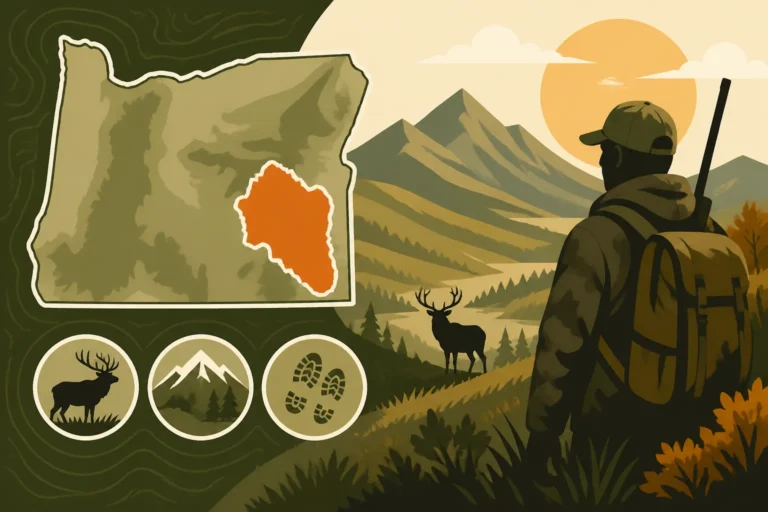
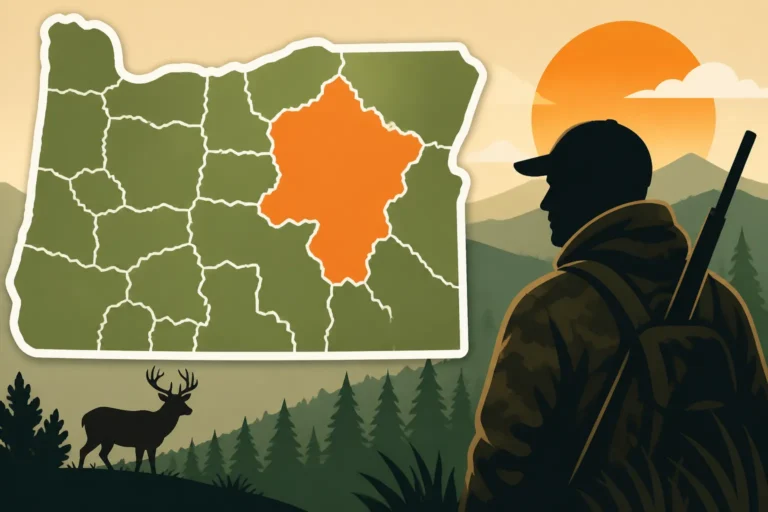
Hunting the vast, arid landscape of Oregon's Fort Rock Unit for pronghorn can feel like searching for a needle in a haystack—a needle that can see you coming from a mile away and run like the wind. This guide is here to walk you through everything you need to know, from understanding the terrain and the animals themselves to practical scouting tips and hunting strategies, helping you navigate this challenging but incredibly rewarding high desert pursuit.
Understanding the Fort Rock Unit for Pronghorn
The Fort Rock Unit is a classic example of Oregon's high desert, a place of stark beauty and challenging conditions. If you've never hunted antelope before, or haven't spent much time in units like this, it can be a real eye-opener. The sheer scale of the landscape and the elusive nature of pronghorn demand a different approach than, say, still-hunting timber for blacktails.
Fort Rock's Unique Landscape
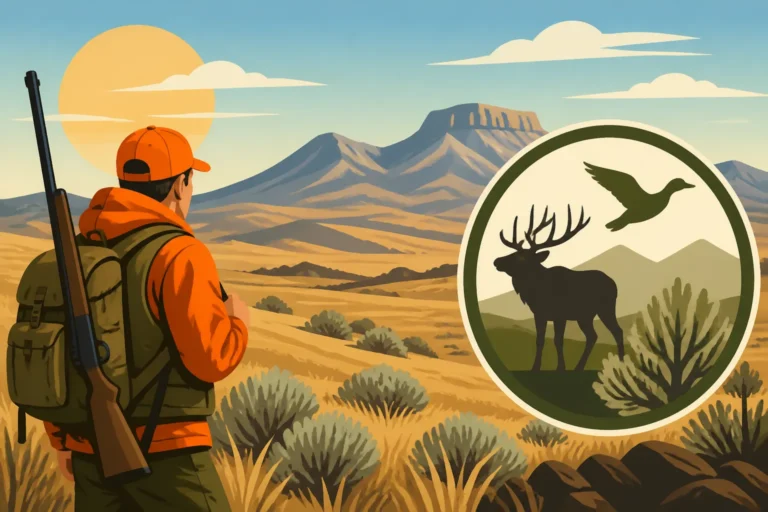
Picture vast, open sagebrush flats stretching to the horizon, interrupted by ancient volcanic features, juniper stands, and dry lakebeds that shimmer in the heat. This isn't your typical lush forest or rolling agricultural land; it's a harsh, unforgiving environment that requires respect and thorough preparation. The ground is often rocky, uneven, and covered in low-lying vegetation that offers minimal cover. Elevations can vary, with small rises and draws that become crucial for both concealment and observation.
The unique geology of the Fort Rock area, with its volcanic remnants and ancient lakebeds, provides critical but subtle features for pronghorn. These geologic formations can create windbreaks, small pockets of different vegetation, or even funnel points for travel. Understanding how these features interact with the open plains is key to predicting where antelope might move or bed down. The open nature of the terrain also means that any movement you make is likely to be spotted, demanding extreme caution and patience.
Pronghorn Habits and Habitat in This Area
Pronghorn are perfectly adapted to this open, arid environment. Their diet primarily consists of sagebrush, forbs, and grasses, which are abundant across the Fort Rock Unit. They are creatures of habit, often following similar travel routes between feeding grounds, water sources, and bedding areas. Knowing their preferred forage and how they utilize sparse cover is fundamental to finding them. This is a topic explored further in Oregon Pronghorn on the High Desert.
What truly sets pronghorn apart, however, is their incredible eyesight and speed. They possess vision comparable to an 8x binocular, allowing them to detect movement at astonishing distances. This makes them incredibly difficult to approach, especially in such open country. Their speed is legendary, earning them the title of the fastest land animal in North America. When spooked, they can quickly vanish over the horizon, highlighting the importance of a well-executed stalk and a quick, accurate shot. To truly appreciate their adaptations, it's worth reading up on Pronghorn Speed, Eyesight and Behaviour.
Scouting and Locating Antelope in Fort Rock
Success in the Fort Rock Unit, perhaps more than in many other hunts, hinges on effective scouting. You can't just drive around hoping to stumble upon a herd; you need a strategic approach to cover the vast distances and pinpoint where these wary animals are congregating.
E-Scouting Essentials
Before you ever set foot in the unit, start with comprehensive e-scouting. Tools like onX Hunt and GoHunt are absolutely invaluable for this type of terrain. Begin by studying satellite imagery, looking for high points that offer expansive views—these will be your glassing knolls. Identify potential water sources, even seasonal ones, as these are critical congregation points for antelope, especially in the heat of August and September. Look for subtle changes in vegetation, faint game trails, and natural funnels created by draws or ancient lava flows. Mark these points digitally.
Consider also how pronghorn might move through the landscape. While they prefer open areas, they will often skirt the edges of juniper stands or use slight depressions in the terrain for cover as they travel. Using the various layers in your mapping app, like public/private land boundaries, can help you identify accessible areas and potential escape routes for the animals. Remember, a good e-scouting session can save you days of aimless wandering on the ground. For more detailed tips, check out E-Scouting Oregon Units With Satellite Imagery and Finding Water on a Digital Map Before You Hunt.
Boots-on-the-Ground Recon
Once you've done your digital homework, it's time for some boots-on-the-ground recon. This doesn't necessarily mean miles of hiking every day, especially during the off-season. Instead, focus on driving accessible roads and trails, stopping frequently at your pre-marked glassing points. Bring your best binoculars and a spotting scope, set them up on a tripod, and systematically scan the landscape. Look for the tell-tale white patches of an antelope's rump, or the shimmering body outlines against the sagebrush. Early mornings and late evenings are prime times for spotting animals as they feed.
Don't just look for antelope; look for signs of them. Tracks near waterholes, fresh droppings in feeding areas, and disturbed vegetation can all point to current activity. Pay attention to how the wind moves across the landscape and how antelope might use it to their advantage. A thorough understanding of the unit's terrain, developed through real-world observation, will be your biggest asset. When you find promising spots, be sure to use your mapping app to Marking Access Points Before Opening Day, noting any specific features or approaches.
Hunting Strategies for Fort Rock Pronghorn
Successfully hunting pronghorn in the Fort Rock Unit is a chess match against one of nature's most vigilant and swift creatures. It requires a blend of patience, precise execution, and a deep respect for their capabilities.
Spot and Stalk in Open Country
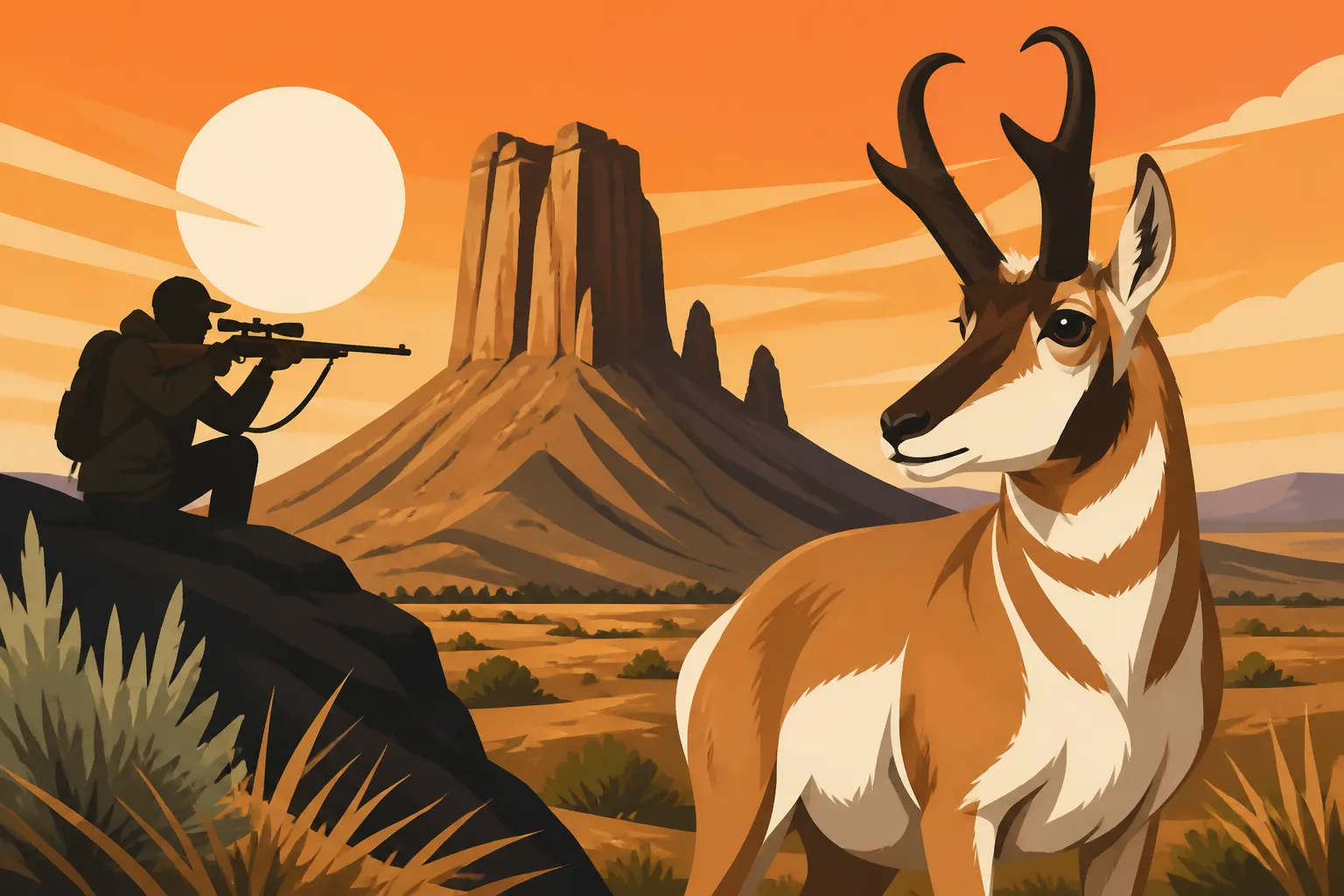
The classic method for hunting pronghorn in the high desert is the spot and stalk, and it's a technique that truly shines in a unit like Fort Rock. First, you need to spot your animal, often from a considerable distance, using your high-quality optics. This is where those e-scouted glassing knolls become invaluable. Once an animal or herd is located, the real challenge begins: closing the distance. This means carefully planning your approach, utilizing every available fold in the terrain, every juniper bush, and every bit of sagebrush for cover. Antelope are incredibly good at detecting movement, so moving slowly, staying low, and often crawling are essential.
Wind direction is paramount. Pronghorn have an excellent sense of smell, and while their eyesight is their primary defense, a swirling wind can give you away in an instant. Always try to approach with the wind in your face or quartering. The stalk itself can be long, tedious, and physically demanding, often covering hundreds of yards or even a mile or more while staying out of sight. Be prepared for multiple attempts; often, you'll get close, only to have the antelope shift positions or spook before you can get a shot off. It's a game of persistence and stealth. Remember, Why Antelope Do Not Jump Fences is relevant here; they'll usually run around obstacles, not over them, which can sometimes aid in predicting their escape routes.
Managing the Elements: Water and Weather
Hunting the Fort Rock Unit means contending with the high desert elements. Early season hunts can be scorching hot, with temperatures easily climbing into the 90s or even 100s. Dehydration is a serious risk, and it can impair your judgment and physical performance. It's absolutely crucial to carry significantly more water than you think you'll need. Electrolyte packets can also be a lifesaver. Plan your day around the heat, often trying to make your moves in the cooler mornings and evenings, and using the midday sun for intense glassing from a shaded spot.
While heat is the primary concern, the weather can turn quickly in the high desert. Sudden thunderstorms can roll in, bringing high winds and even hail, making visibility poor and conditions miserable. Be prepared for these shifts with appropriate rain gear and layers. The vastness of the landscape also means that help can be far away, making self-sufficiency and a well-stocked First Aid Kit Items for a Remote Hunt non-negotiable. Knowing your physical limits and not pushing too hard in extreme conditions is a sign of a smart, responsible hunter.
Essential Gear for Your Fort Rock Antelope Hunt
Your gear list for a Fort Rock antelope hunt will look quite different from what you'd pack for a dense timber elk hunt. It's all about maximizing visibility, comfort, and self-sufficiency in an exposed, arid environment.
Optics for Distant Animals
When hunting pronghorn, your optics are arguably more important than your rifle. You'll spend 90% of your time spotting and 10% stalking. A good pair of 10x or 12x binoculars is essential for general scanning. However, to pick apart distant details and confidently identify animals and their sex, a high-quality spotting scope on a sturdy tripod is non-negotiable. Consider a 20-60x or 25-75x magnification range. A tripod is crucial for steady glassing, reducing eye strain, and allowing you to observe animals for extended periods without fatigue. This is a very different optical requirement than what you might need for Optics for Dark Timber Versus Open Sage.
Equally important is a reliable rangefinder. In the open, vast spaces of the Fort Rock Unit, judging distance can be incredibly difficult and deceptive. What looks like 300 yards might easily be 500, and vice-versa. A laser rangefinder that can accurately read distances out to 800-1000 yards will give you the confidence to know your shot limitations and make accurate decisions during a stalk. Modern rangefinders often include inclinometers for angle compensation, which is helpful even on slight rises and falls. Read more about using them in varied terrain in Rangefinders in Steep Country.
Staying Hydrated and Prepared
Given the extreme conditions often found in the Fort Rock Unit, staying hydrated and prepared for anything is critical. Beyond a reliable rifle suitable for open country shooting (see Rifle Choice for Oregon Elk and Deer), your personal comfort and safety items are paramount.
| Gear Category | Essential Items | Why It's Crucial |
|---|---|---|
| Hydration | Hydration pack (2-3 liters), extra water bottles (1-2 liters), electrolyte packets | Dehydration is a real threat; fluids and electrolytes maintain performance and health. |
| Optics | 10-12x binoculars, spotting scope (20-60x+), sturdy tripod, laser rangefinder | Essential for locating and identifying pronghorn at extreme distances and confirming shot range. |
| Clothing | Lightweight, breathable, moisture-wicking layers; wide-brimmed hat, sunglasses, gaiter | Protection from sun, heat, and blowing dust; aids in comfort during long stalks. |
| Navigation | GPS device (with extra batteries), fully charged smartphone with mapping app (onX Hunt, GoHunt), compass, paper map | Prevents getting lost in vast, featureless terrain, especially if technology fails. |
| Safety & Survival | Comprehensive first-aid kit, fire starter, headlamp, emergency blanket, signaling mirror, extra food | Self-sufficiency is key in remote areas; prepares for unexpected emergencies. |
| Footwear | Broken-in, lightweight, sturdy hiking boots; comfortable socks (wool or synthetic) | Comfort and support for miles of walking on uneven, rocky ground; prevents blisters. |
Remember, physical conditioning also plays a huge role. Even though antelope hunting might not involve the brutal climbs of an elk hunt, covering miles on flat, uneven terrain in the heat can be surprisingly taxing. Consider incorporating Physical Training for an Oregon Elk Hunt principles into your off-season routine to prepare your body for the demands of the high desert. Being well-hydrated, comfortable, and physically ready will significantly increase your chances of success and, more importantly, ensure a safe and enjoyable hunt.
Disclaimer
This article is for general informational purposes only and does not constitute professional advice. Laws, prices and regulations vary by location and change over time. Consult a qualified professional for guidance on your specific situation.