Fern Ridge Wildlife Area Hunting
Finding reliable public land hunting opportunities near Oregon's larger population centers can feel like an endless quest, leaving many hunters frustrated and resorting to long drives or expensive private access. However, nestled in the heart of the Willamette Valley, the Fern Ridge Wildlife Area offers a unique and often overlooked haven for hunters seeking diverse game opportunities without traveling halfway across the state. This comprehensive guide will walk you through everything you need to know to successfully plan and execute a hunt in this expansive and productive area.
Understanding the Fern Ridge Wildlife Area Landscape for Hunting
The Fern Ridge Wildlife Area isn't just another patch of public land; it's a dynamic ecosystem shaped by its primary function as a flood control reservoir. This unique relationship creates an ever-changing landscape that, while challenging at times, provides incredible opportunities for a variety of game. Understanding its geography and habitat types is the first step to unlocking its potential.
General Overview and Habitat Diversity
Managed by the Oregon Department of Fish and Wildlife (ODFW), Fern Ridge Wildlife Area spans thousands of acres, primarily surrounding the Fern Ridge Reservoir. Its core purpose revolves around regulating water levels for flood control, which means the landscape can shift dramatically between wet and dry seasons. This fluctuation, though, is precisely what creates such rich and varied habitats. You'll find extensive wetlands, critical for migratory waterfowl, alongside riparian forests lining the Long Tom River and its tributaries. Interspersed are upland fields, some managed for agriculture (often as wildlife forage), and dense patches of brush and timber. This mosaic of environments attracts a broad spectrum of wildlife, from ducks and geese to pheasants, deer, and even occasional bear.
Imagine walking through a landscape that changes from flooded cattail marshes where ducks dabble, to open fields that might hold pheasant or offer a shot at geese, then transitioning into thorny thickets along a river bend where a blacktail buck might be bedded. It's a place that demands adaptability and a keen eye for reading varied terrain. The sheer scale and diversity mean that no two hunts here are ever quite the same, and understanding these shifts is key to consistent success.
Key Zones and Access Points
The Fern Ridge Wildlife Area can generally be divided into several key zones, each offering slightly different characteristics and access options. The main body of the reservoir and its surrounding lands are typically split into the West Side and East Side, with additional important parcels like Snag Boat Bend.
The West Side, often accessed off Highway 126, features a mix of open water, extensive wetlands, and agricultural fields. This is prime waterfowl country, with numerous designated parking areas and boat launches allowing access to various parts of the reservoir and its flooded timber. Hunters often utilize small boats or kayaks to get to remote pockets of water, setting up decoys in strategic locations. Be prepared for muddy conditions, especially as water levels fluctuate, making sturdy Boots for Wet Coastal Hunting an absolute necessity.
The East Side, accessible via various county roads, also offers excellent waterfowl opportunities but tends to have more riparian habitat and upland fields, which can be attractive to pheasants and deer. Snag Boat Bend, a significant tract of land on the Long Tom River upstream from the reservoir, provides excellent riverine habitat, often with dense cover perfect for still-hunting blacktails or flushing upland birds. Each of these zones has clearly marked parking areas, but don't expect paved lots everywhere; many are gravel pull-offs. Understanding these localized characteristics helps you pinpoint the best areas for your target species and preferred hunting style, allowing you to tailor your approach based on the specific conditions you encounter.
Game Species and Hunting Opportunities at Fern Ridge
While Fern Ridge Wildlife Area might not be the first place that comes to mind for every type of hunting in Oregon, it truly shines for specific species, particularly those that thrive in wetland and agricultural environments. Let's break down what you can expect to pursue here.
Waterfowl Hunting: Ducks and Geese
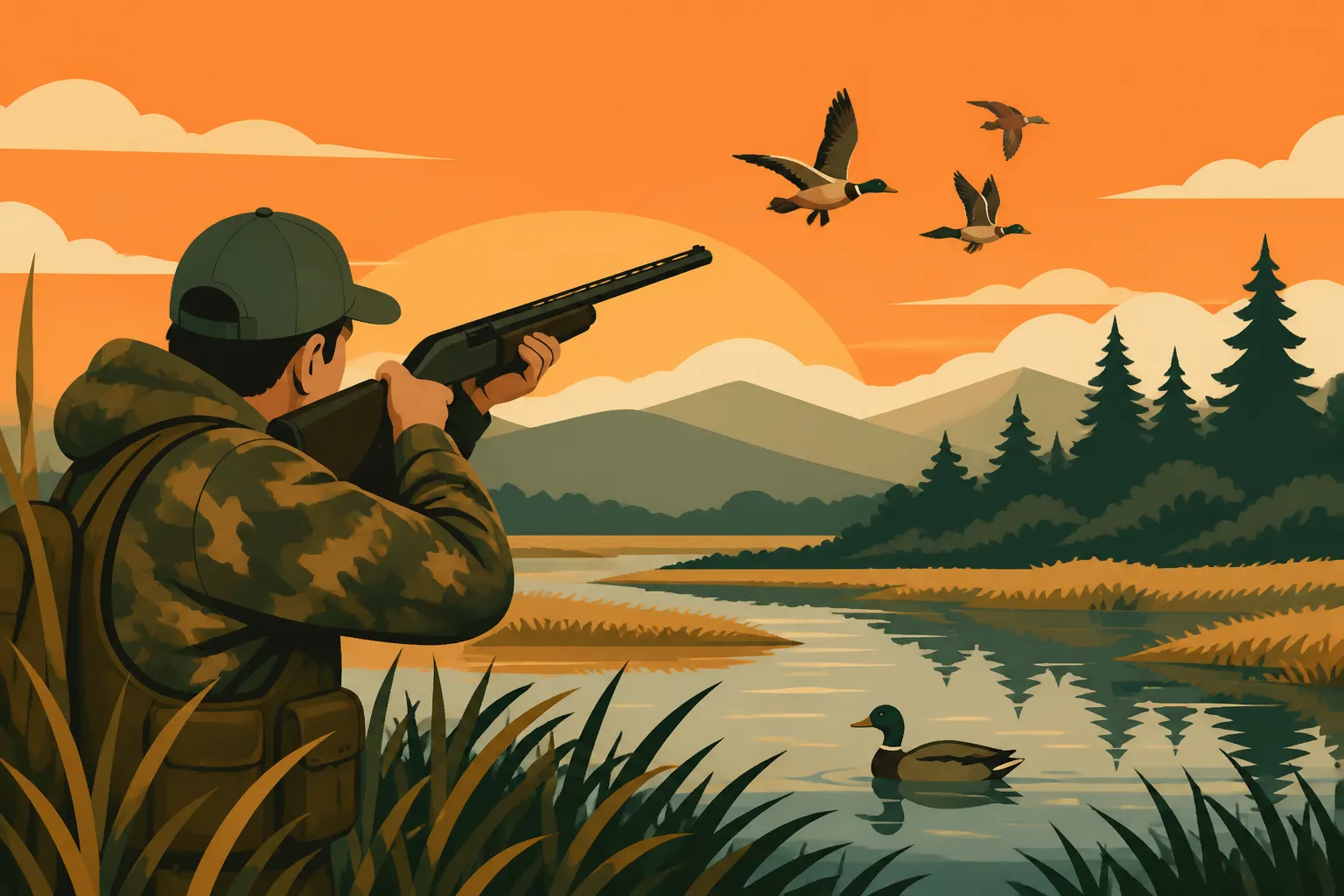
Without a doubt, waterfowl hunting is the primary draw at Fern Ridge Wildlife Area. Its vast open water, flooded timber, and managed agricultural fields create an irresistible magnet for migratory ducks and geese. You'll find a wide variety of duck species here, including mallards, wigeon, pintails, gadwall, and various diving ducks. Goose opportunities are excellent, with both Canada geese and sometimes specklebelly geese making appearances. The sheer number of birds that utilize the reservoir and its surrounding wetlands, especially during peak migration, can be staggering.
Hunters typically employ a range of tactics, from setting up elaborate decoy spreads in open water or flooded fields to jump-shooting along sloughs and creeks. Many dedicated blinds are available, some permanent and some requiring portable setups. Remember that competition can be fierce, especially on opening weekend and holidays, so scouting for less-pressured areas or utilizing a boat to access more remote spots is crucial. You'll need to be well-versed in Oregon Duck and Goose Flyway Numbers to understand migration patterns and have your Rain Gear That Actually Stays Dry dialed in, as Willamette Valley weather can be notoriously wet. Planning for early morning setups and being prepared to stay through changing weather conditions will increase your chances of success. It's also worth noting that geese can cause significant Willamette Valley Goose Damage to agricultural lands, which often translates into more accessible hunting opportunities in these managed areas.
Upland Birds and Other Small Game
Beyond waterfowl, Fern Ridge offers some fantastic opportunities for upland bird hunting, particularly pheasants and California quail. ODFW often releases pheasants in designated areas of the wildlife area, providing excellent chances for hunters, especially those with bird dogs. These releases are typically announced and are a popular draw for many. Look for pheasants in denser cover along field edges, brushy draws, and riparian zones. California quail are native and can be found in similar habitats, especially where there's a good mix of cover and open ground for foraging.
While not as common, you might also find opportunities for doves during the early season, particularly around agricultural fields that have recently been harvested. Rabbits and squirrels are also present, offering additional small game pursuits for those looking to fill a general season bag. These hunts are generally less crowded than the prime waterfowl spots, offering a more tranquil experience. A good pair of boots, a reliable shotgun, and a willingness to cover ground are essential for successful upland hunting here. For those interested in expanding their horizons, exploring other Oregon Wild Turkeys and Upland Birds opportunities might be a good next step after experiencing Fern Ridge.
Deer and Bear Hunting Considerations
While Fern Ridge Wildlife Area is not typically considered a prime destination for big game, it does hold a population of Columbian blacktail deer, and black bears occasionally traverse the area. Deer hunting here is largely opportunistic and dependent on localized conditions and hunter effort. Blacktails tend to stick to the dense cover along river bottoms, brushy sections, and timbered edges, especially where they can access food from adjacent agricultural fields or natural browse. Success often comes from still-hunting slowly through these thickets or identifying key travel corridors. Understanding the patterns of Columbian Blacktail Deer of Western Oregon and their preference for heavy cover is key, as they are masters of concealment.
Bear sightings are less common but do occur, particularly during spring and fall seasons when bears are more active. They might be found foraging in berry patches or moving through riparian corridors. If you're targeting big game at Fern Ridge, you'll need to meticulously check the current Oregon hunting regulations for specific seasons, weapon restrictions, and any special permits or considerations for the wildlife area. These opportunities are generally low-density, meaning you'll need to put in significant time and effort, and manage your expectations accordingly. It's a place where you might fill a small game bag and happen upon a big game opportunity rather than solely targeting it.
Navigating Regulations, Permits, and Access
Hunting any wildlife area in Oregon comes with its own set of rules that often go above and beyond statewide regulations. Fern Ridge is no exception. Successfully hunting here means not just knowing where the game is, but understanding the specific protocols, access points, and ethical considerations.
Special Regulations and Controlled Hunts
One of the most critical aspects of hunting Fern Ridge Wildlife Area is understanding its special regulations. These areas are managed intensively, and as such, often have unique rules concerning hunting hours, weapon types, vehicle access, check-in/check-out procedures, and even specific hunt zones. For example, some waterfowl hunting areas might require a special daily permit, obtained either online or at a physical check station, to manage hunter numbers and gather harvest data. There could be specific open and closed zones to provide refuge for wildlife, or restrictions on dog use in certain areas or during particular times.
It's imperative to consult the current ODFW hunting regulations pamphlet and specifically look for the section pertaining to Fern Ridge Wildlife Area. Don't assume that general statewide rules apply universally. There may also be special youth hunting days or mentored youth opportunities that require adherence to Oregon Hunter Education Requirements. Ignorance of these specific rules can lead to citations and penalties, which nobody wants. Always double-check before you head out, and if in doubt, contact the local ODFW office.
Utilizing Maps and Technology for Success
Modern hunting greatly benefits from advanced mapping technology, and Fern Ridge Wildlife Area is a prime example of where it can make a real difference. Traditional paper maps are useful, but digital tools like onX Hunt can be incredibly powerful for navigating this complex area. With onX Hunt, you can clearly see public and private land boundaries, which is crucial around the wildlife area where public land abuts numerous private parcels. This helps you avoid accidental trespass and identifies access points, parking areas, and designated hunting zones. You can also drop pins for observed game sign, potential blind locations, or areas of interest during E-Scouting Oregon Units With Satellite Imagery.
Beyond just boundaries, these apps often show topographical contours, water bodies, and roads, helping you plan your approach and identify potential travel corridors for game. While not specifically a unit-based draw like many big game hunts, familiarizing yourself with hunting specific wildlife areas benefits from a similar level of detailed pre-planning. Using platforms like GoHunt might provide broader insights into hunting trends or draw odds for certain species in the larger region, but for on-the-ground navigation and real-time information about land status, onX Hunt is a fantastic tool to have in your pocket. Always download maps for offline use, as cell service can be spotty in some remote sections of the wildlife area. Knowing how to use Using the Oregon Hunting Map Online or via an app can save you a lot of time and frustration.
Respecting the Environment and Other Users
Fern Ridge Wildlife Area is a multi-use recreation area, popular with birdwatchers, anglers, hikers, and boaters, especially outside of peak hunting seasons. Sharing the landscape responsibly is not just good etiquette; it's essential for maintaining access and fostering a positive image of hunting. Always practice "Leave No Trace" principles: pack out everything you pack in, including spent shell casings. Be mindful of your noise levels and don't disturb other recreationalists.
When hunting near private land boundaries, which are numerous around Fern Ridge, be extra vigilant. Even if you're on public ground, respect adjacent landowners. This means ensuring your shots are safe and won't carry onto private property, and certainly not retrieving game from private land without explicit permission. Always be sure to follow the advice of Leaving Gates and Fences as You Found Them if you encounter any on the perimeter, ensuring you don't inadvertently create problems for ranchers or farmers. A respectful, courteous approach goes a long way in ensuring these valuable public hunting areas remain open and accessible for future generations. Remember, a polite wave or a friendly nod to a birdwatcher or hiker can sometimes be just as impactful as a successful hunt in promoting understanding.
Strategies for a Successful Fern Ridge Hunt
Hunting at Fern Ridge is less about finding a secret honey hole and more about consistent effort, adaptability, and understanding the nuances of this managed landscape. Success here often comes down to timing, preparation, and a willingness to adjust your plans.
Timing Your Hunt: Seasons and Conditions
Timing is paramount, especially for waterfowl. Water levels at Fern Ridge Reservoir fluctuate significantly. During periods of heavy rain and flood control operations, water levels might rise dramatically, spreading birds out into newly flooded areas and making access challenging. Conversely, during drier periods, water levels can drop, concentrating birds in smaller, accessible pools and making traditional boat launches difficult. Monitoring water levels and local weather forecasts is crucial for waterfowl hunters. Early season typically offers good numbers of local ducks, while later in the season brings in more migratory birds, but also colder weather and potentially ice.
For upland birds, especially pheasants, the timing of ODFW pheasant releases can dictate prime hunting windows. Keep an eye on ODFW announcements for these dates. For native quail and deer, consistent effort throughout the season, focusing on periods of low pressure (weekdays) and favorable weather (damp, quiet days for still-hunting deer; crisp mornings for flushing birds), will yield better results. Consider what part of the season aligns best with the species you are targeting and the conditions that favor them.
Essential Gear and Preparation
Your gear list for Fern Ridge will largely depend on what you're hunting. For waterfowl, expect to need waders (often chest waders for navigating deeper sections), a reliable shotgun, plenty of non-toxic shot, a good spread of decoys, and possibly a portable blind or camouflage material. A small boat, kayak, or even a sturdy canoe can be invaluable for accessing prime spots. Don't forget layers of warm, waterproof clothing, as mornings can be cold and wet.
For upland birds, a lighter gauge shotgun, comfortable walking boots, and brush pants are key. If you have a bird dog, ensure they are well-trained and capable of working in dense cover and potentially muddy conditions. For deer, quiet clothing, a good pair of binoculars, and a rifle or archery setup suitable for dense cover and shorter shots are appropriate. Regardless of your target, a well-stocked first-aid kit, plenty of water, and an understanding of the area's boundaries via your mapping app are non-negotiable. Always inform someone of your hunting plans and expected return time, especially if you're heading into more remote areas.
Scouting and Adaptability
Fern Ridge is not a place where you can just show up on opening day and expect immediate success without prior knowledge. Pre-season scouting, both physical and through e-scouting, is vital. Drive the access roads, walk the trails (when legal and safe to do so), and use satellite imagery to identify potential holding areas for game, pinch points, and good access routes. Look for fresh sign: scat, tracks, rubs, and active feeding areas. Pay attention to water levels and how they might affect bird movement.
The ability to adapt on the fly is also critical. What worked yesterday might not work today due to weather changes, increased pressure, or shifting game patterns. If your primary spot is crowded, have a backup plan. If the ducks aren't flying in one area, be prepared to move to another. If the pheasants are pressured, try hunting less obvious cover. This constant assessment and adjustment are what separate consistently successful hunters from those who struggle. Persistence, coupled with keen observation and flexibility, will significantly improve your odds of filling your tag at the dynamic Fern Ridge Wildlife Area.
Disclaimer
This article is for general informational purposes only and does not constitute professional advice. Laws, prices and regulations vary by location and change over time. Consult a qualified professional for guidance on your specific situation.