First Aid and CPR Requirements for Oregon Guides
In the rugged, unpredictable wilderness of Oregon, where every hunting trip holds the potential for unexpected challenges, the safety of clients rests squarely on the shoulders of their guide. From navigating steep, rocky terrain to encountering unpredictable wildlife or even just a simple slip on a wet log, injuries can happen far from medical help. That's why understanding and fulfilling the specific first aid and CPR requirements for Oregon hunting guides isn't just a regulatory checkbox; it's a fundamental commitment to client welfare and professional responsibility. This guide will walk you through everything a guide needs to know to stay prepared and compliant.
Why First Aid and CPR are Non-Negotiable for Oregon Guides
Being an Oregon hunting guide isn't just about finding game; it's about being a leader, a survivalist, and, crucially, a first responder when things go sideways. The remote nature of many prime hunting locations means that professional medical help might be hours, not minutes, away.
The Reality of Remote Oregon Terrain
Imagine you're deep in the Eagle Cap Wilderness Hunting Access pursuing elk, or perhaps tracking blacktails in the dense, wet Tillamook State Forest Hunting Access in Oregon. Cell service is a distant memory, and the nearest paved road is a grueling hike, let alone the closest hospital. A client could take a nasty fall on slippery rocks, sustaining a deep laceration or a suspected fracture. Someone might suffer a severe allergic reaction to an insect bite, or worse, experience a sudden cardiac event. In these scenarios, the guide is the first, last, and only line of immediate care. Without proper first aid and CPR training, what starts as a manageable incident can rapidly escalate into a life-threatening crisis, highlighting why every guide absolutely needs to be proficient.
Legal and Ethical Obligations
Beyond the moral imperative to protect your clients, Oregon has clear legal requirements for guides. The Oregon Marine Board, which regulates outfitter guides, mandates specific training to ensure guides are equipped to handle emergencies. This isn't just a suggestion; it's a foundational aspect of being a registered and reputable guide in the state. Clients trust you with their safety, often putting themselves in unfamiliar and challenging environments. Failing to meet these standards not only puts lives at risk but also exposes guides to significant liability and can lead to serious professional repercussions, including loss of registration. It’s an ethical duty to be as prepared for medical emergencies as you are for the hunt itself.
Building Client Confidence
In a competitive market, a guide's reputation is everything. Clients look for competence, experience, and trustworthiness. Knowing that their guide is not only a skilled hunter but also certified in advanced wilderness first aid and CPR provides immense peace of mind. Platforms like GoHunt, where hunters research potential guides, often feature testimonials or information about a guide's certifications. A guide who openly emphasizes their commitment to client safety through rigorous first aid training sets themselves apart. This proactive approach shows professionalism and care, directly translating into positive client experiences, repeat business, and strong referrals. It’s a tangible demonstration that you take your role as a caretaker, not just a guide, seriously.
The Specific Training Requirements Mandated by Oregon
Navigating the regulatory landscape for guides in Oregon can feel a bit like reading a topo map in the dark if you don't know where to look. When it comes to first aid and CPR, the Oregon Marine Board is the primary authority defining what's required.
Oregon Marine Board Regulations
The Oregon Marine Board is tasked with regulating outfitter guides to ensure public safety. Their rules are clear: anyone acting as an outfitter or guide in Oregon must be registered and meet specific qualifications, including those related to emergency medical preparedness. These regulations are designed to protect clients, especially given that many guided activities, like hunting, take place in remote or challenging environments where emergency services might be delayed. As such, the Marine Board stipulates the type and level of medical training required, emphasizing practical skills for handling situations far from definitive medical care. Guides looking to ensure they are fully compliant should regularly review the Marine Board's official guidelines, as these can be updated. You can find more details on general requirements in Oregon Guide Registration Through the Marine Board.
Required Certifications
For hunting guides operating in Oregon, the Oregon Marine Board generally requires certification in both first aid and CPR. While "Standard First Aid" or its equivalent is a baseline, for backcountry operations, certifications like Wilderness First Aid (WFA) or Wilderness First Responder (WFR) are often either explicitly required or highly recommended and accepted as fulfilling the requirement.
- Standard First Aid: This typically covers basic life support skills, wound care, bone/joint injuries, and common medical emergencies. It's a good starting point but often lacks the depth needed for prolonged care in remote settings.
- CPR (Cardiopulmonary Resuscitation): This is non-negotiable and must include adult, child, and infant CPR, along with AED (Automated External Defibrillator) training. The American Heart Association (AHA) or American Red Cross are common and widely accepted providers.
- Wilderness First Aid (WFA): A WFA course is an excellent option for guides. It's usually a 16-hour course designed for lay rescuers operating in remote settings, providing skills to assess and manage injuries and illnesses when emergency services are more than an hour away. It’s a step up from basic first aid, addressing common outdoor incidents like sprains, fractures, wounds, and environmental conditions such as hypothermia.
- Wilderness First Responder (WFR): Often considered the gold standard for outdoor professionals, a WFR course is typically 70-80 hours long. It covers advanced wilderness medical skills, including long-term patient care, comprehensive assessment, advanced wound management, and improvisation techniques. This level of training is incredibly valuable for guides who spend extended periods in truly remote or challenging terrain, offering the skills to stabilize a patient for hours or even days until evacuation.
It's important for guides to verify which specific certification level is accepted or preferred by the Oregon Marine Board for their particular type of guiding operation. While a basic First Aid/CPR cert might cover the bare minimum, opting for WFA or WFR often provides a much more robust skill set for the environments Oregon guides operate in.
Frequency of Renewal
Like many professional certifications, first aid and CPR training are not one-and-done deals. Medical protocols evolve, and skills can degrade over time without practice. The Oregon Marine Board typically requires guides to maintain current certifications, which means regular renewal.
- CPR certifications usually need to be renewed every two years.
- Standard First Aid, WFA, and WFR certifications often have different renewal cycles, typically every two to three years, sometimes with options for shorter refresher courses rather than retaking the full class.
It’s crucial for guides to stay on top of their renewal dates. Letting a certification lapse not only puts their clients at risk but also jeopardizes their guide registration and can lead to significant penalties. Consider setting reminders well in advance of expiration dates and factoring the time and cost of renewal into your annual business planning. Many providers, including the American Red Cross and NOLS Wilderness Medicine, offer recertification courses specifically designed to update skills and knowledge without requiring a full re-do of the initial lengthy course.
Beyond the Basic Certification: Advanced Skills for Backcountry Scenarios
While basic first aid and CPR are essential, the realities of hunting in Oregon's diverse and often extreme backcountry demand more than just textbook knowledge. Advanced certifications like Wilderness First Responder (WFR) provide a deeper toolkit, equipping guides for the unique challenges of prolonged care in remote settings.
Wilderness First Responder WFR vs Wilderness First Aid WFA
The choice between a Wilderness First Aid (WFA) and a Wilderness First Responder (WFR) course largely depends on the typical remoteness of your hunts and how long you might be responsible for a patient before professional help arrives.
A WFA course, usually around 16 hours, is fantastic for recreationalists or guides on shorter trips (1-3 days) where evacuation might take a few hours. It provides solid foundational skills for common wilderness medical problems. It's practical and hands-on, covering things like initial patient assessment, wound cleaning, splinting, and recognizing environmental emergencies. For many guides leading shorter day hunts or hunts in areas with relatively quicker access, a WFA might suffice for regulatory compliance and practical needs.
A WFR course, on the other hand, is a more intensive 70-80 hour program, designed for professionals who might be managing a patient for 24 hours or more in extremely remote areas. Think multi-day backcountry elk hunts in the Hells Canyon Access for Oregon Hunters or deep within the Strawberry Mountain Wilderness Hunting. WFRs learn advanced assessment techniques, complex wound management, reducing dislocations, managing spinal injuries, and making critical evacuation decisions. They are trained to improvise with limited resources and monitor a patient's condition over an extended period. For guides offering truly remote, multi-day experiences, the WFR is invaluable and often preferred, if not explicitly required, by outfitters who book trips through services like BookYourHunt, as it signals a higher level of preparedness.
| Certification Level | Typical Duration | Focus Areas | Recommended For |
|---|---|---|---|
| Standard First Aid | 4-8 hours | Basic cuts, scrapes, minor burns, sprains, CPR/AED | General public, urban environments |
| Wilderness First Aid (WFA) | 16-20 hours | Patient assessment, wound care, fractures, hypothermia, allergic reactions, CPR/AED in remote contexts | Weekend trips, guides with relatively quick access to EMS |
| Wilderness First Responder (WFR) | 70-80 hours | Extended patient care, advanced assessment, dislocations, spinal injuries, severe trauma, prolonged environmental exposure, CPR/AED in remote contexts | Outdoor professionals, guides in extremely remote areas, multi-day trips |
Trauma and Advanced Bleeding Control
Hunting, by its very nature, carries inherent risks. Accidents involving firearms or broadheads can result in severe trauma and rapid, life-threatening blood loss. Standard first aid might cover basic wound care, but advanced training delves into critical techniques like tourniquet application, wound packing, and pressure dressings for catastrophic hemorrhages. Imagine a client accidentally shooting themselves in the leg, or taking a bad fall with their rifle, resulting in a deep penetrating wound. Knowing how to immediately control bleeding can be the difference between life and death. Courses that incorporate Tactical Combat Casualty Care (TCCC) or Stop the Bleed protocols are incredibly beneficial for hunting guides, as they focus on interventions for traumatic injuries often seen in high-risk environments. This specialized knowledge goes far beyond applying a band-aid; it's about stabilizing major trauma until a more robust medical response can reach the scene.
Environmental Emergencies
Oregon's environment presents a myriad of unique challenges, from the bone-chilling rain of the Coast Range to the scorching desert heat of Eastern Oregon. Guides must be prepared for a range of environmental emergencies.
- Hypothermia: A common threat in Oregon's wet, cool weather. Knowing how to recognize its stages, properly rewarm a patient, and prevent further heat loss is crucial. This often involves specialized techniques like creating a hypothermia wrap or constructing emergency shelters, skills learned in wilderness medicine courses.
- Heat Stroke and Dehydration: Especially prevalent during early season hunts in Eastern Oregon's arid regions or during Spot-and-Stalk Spring Bear on Oregon's Green Slopes when temperatures can swing wildly. Guides need to understand how to cool a patient rapidly and manage fluid intake.
- Venomous Bites and Stings: While less common, rattlesnakes are found in Eastern Oregon, and severe allergic reactions to bee or wasp stings can occur anywhere. Knowing how to manage an anaphylactic shock with an EpiPen or what to do for a snakebite is critical.
- Altitude Sickness: While much of Oregon isn't at extreme altitude, some high-elevation hunts in the Wallowas or Cascades can present mild forms of Acute Mountain Sickness. Guides should understand the symptoms and the primary treatment: descent.
These are not merely inconveniences; they are serious medical conditions that can rapidly incapacitate or kill if not managed effectively. Advanced first aid training focuses heavily on prevention, recognition, and prolonged management of these specific environmental threats, making it indispensable for any guide operating across Oregon's diverse ecosystems.
Maintaining Your Certification: Staying Current and Prepared
Earning your first aid and CPR certifications is a huge step, but the journey doesn't end there. Medical knowledge and best practices evolve, and skills can get rusty if not regularly used and refreshed. For Oregon guides, staying current isn't just about meeting regulatory requirements; it's about maintaining a crucial safety net for your clients and your business.
Recertification Schedules and Continuing Education
As mentioned, most CPR certifications require renewal every two years, while WFA and WFR certifications typically have a two-to-three-year cycle. It's incredibly important to mark these dates on your calendar and plan for recertification well in advance. Don't wait until the last minute! Many providers offer specific "refresher" or "recertification" courses that are shorter and less expensive than taking the full course again. These are designed to update you on the latest protocols and allow you to practice critical skills.
Beyond formal recertification, continuing education is vital. Subscribing to wilderness medicine newsletters, attending webinars, or even reading updated first aid manuals can keep your knowledge sharp. Think of it like practicing your shooting skills before Sighting In Before the Season Opens; you wouldn't head out without a refresh, and medical skills are no different. Staying engaged with the material ensures you're always operating with the most current and effective techniques.
Practice Makes Perfect: Regular Drills and Scenario Training
You can know all the theory in the world, but if you can't perform under pressure, it won't help in a real emergency. Regular practice is absolutely critical.
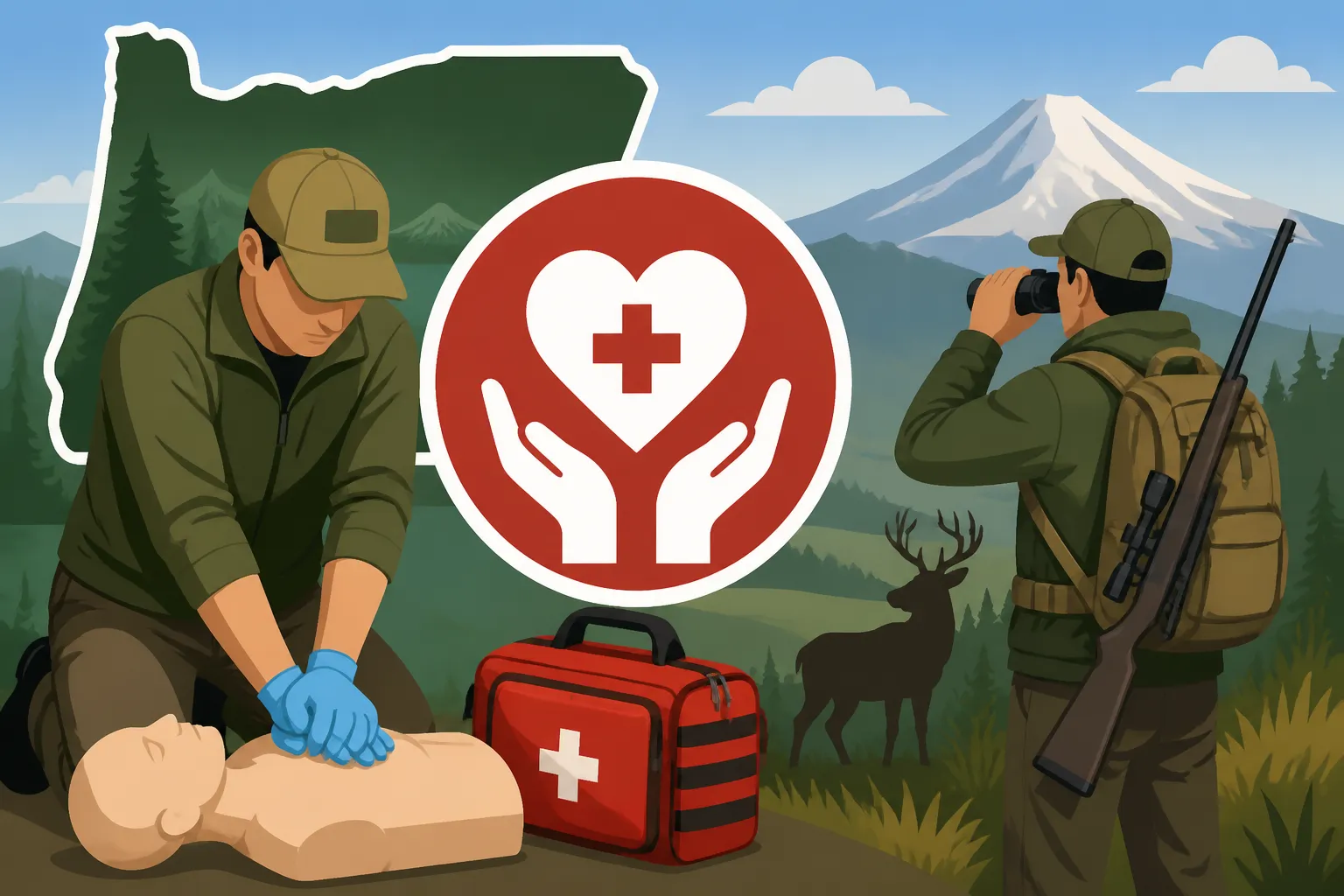
- Hands-on Drills: Practice CPR compressions on a manikin, even if it's just once every few months. Practice applying tourniquets, splinting limbs, and bandaging wounds. Do it with your gear on, replicating the conditions you might face in the field.
- Scenario Training: Work with a fellow guide, a friend, or even your family to run through hypothetical scenarios. "What if a client twists an ankle two miles back in the timber?" "What if someone has an allergic reaction and their EpiPen is expired?" These simulations force you to think critically, make decisions, and act. This kind of practice builds muscle memory and confidence, which are invaluable when real emergencies strike. It also helps identify gaps in your knowledge or your First Aid Kit Items for a Remote Hunt.
Many guides get together in the off-season to run these kinds of drills. It's a great way to bond, share knowledge, and ensure everyone on the team is proficient. Remember, the goal is not just to pass a test, but to be truly ready to save a life.
Essential First Aid Kit Components for Guides
A guide's first aid kit is not just a collection of band-aids; it's a mobile emergency room, carefully curated for the specific risks of the backcountry. While a basic kit is a starting point, experienced Oregon guides will customize theirs with items appropriate for potential hunting injuries and environmental challenges.
Here’s a general idea of what a comprehensive guide’s kit might include, keeping in mind specific regulations and client needs:
- Trauma Management: Tourniquets (CAT or SOF-T wide), hemostatic gauze (e.g., QuikClot), chest seals, trauma shears, pressure bandages. These are critical for severe bleeding or penetrating injuries common in hunting accidents.
- Wound Care: Various sizes of sterile dressings, gauze rolls, medical tape, antiseptic wipes, irrigation syringe, wound closure strips, moleskin for blisters.
- Orthopedic Support: SAM splints, triangular bandages (for slings/binders), athletic tape.
- Medications: Pain relievers (ibuprofen, acetaminophen), anti-inflammatories, antihistamines, antacids, anti-diarrheals. Crucially, if you carry prescription medications like EpiPens or inhalers, they must be prescribed to you or the client specifically, and you must be trained in their administration. Check Oregon law carefully regarding carrying and administering medication to others.
- Assessment Tools: Small headlamp, patient assessment forms (SOAP notes), waterproof pen, thermometer, pulse oximeter (optional but helpful).
- Environmental Protection: Emergency blanket, hand warmers, sunscreen, insect repellent.
- Personal Protective Equipment (PPE): Nitrile gloves, CPR mask, eye protection.
- Tools: Tweezers, small knife or multi-tool, safety pins.
- Communication: Whistle, two-way radio (check Two-Way Radios and Legal Use While Hunting rules), satellite communication device (e.g., InReach or Garmin Messenger). This is vital for calling for assistance, especially in areas with no cell service.
Always keep your kit organized, sealed in waterproof bags, and regularly inspect expiration dates on medications and sterile supplies. A well-stocked, well-maintained kit is an extension of your training and a vital resource in an emergency. Remember to tailor your kit to the specific hunt: a week-long elk hunt in the remote Blue Mountains will require a much more extensive kit than a day trip for blacktails in a moderately accessible area.
Choosing the Right Training Provider for Your Guiding Business
When you're looking to get your first aid and CPR certifications, or even advance to a WFR, it’s not just about finding the cheapest or quickest option. The quality of your training directly impacts your ability to respond effectively in a crisis, which means choosing the right provider is a critical business decision for an Oregon guide.
Accredited Programs and Instructors
The first thing to look for is accreditation. Ensure that the program you choose is nationally recognized and accepted by the Oregon Marine Board. Reputable organizations like the American Heart Association (AHA), American Red Cross, National Outdoor Leadership School (NOLS) Wilderness Medicine, or Wilderness Medical Associates International (WMAI) offer robust, accredited courses. These providers have standardized curricula, certified instructors, and regularly update their materials based on the latest medical science.
When evaluating a program, also consider the instructors. Are they experienced wilderness professionals themselves? Do they have real-world experience beyond the classroom? An instructor who has managed emergencies in a remote setting can offer invaluable insights and practical tips that a purely academic instructor might miss. Don't hesitate to ask about an instructor's background and experience; it’s your investment in your clients' safety and your professional reputation.
In-Person vs. Online Options
The rise of online learning has made certain certifications more accessible, but for wilderness medicine, a blended approach or entirely in-person training is often superior.
- Online Courses: Many providers offer the didactic (classroom) portion of CPR or basic first aid online. This can be convenient for learning the theoretical knowledge at your own pace. However, the hands-on skills portion, such as performing chest compressions or applying a tourniquet correctly, absolutely requires in-person practice and evaluation by a certified instructor.
- In-Person Courses: For WFA and especially WFR certifications, in-person, experiential learning is paramount. These courses involve extensive hands-on practice, realistic scenarios, and peer assessment under the guidance of experienced instructors. You'll learn to improvise splints with natural materials, carry an injured patient, and manage complex medical situations with limited resources – skills that simply cannot be fully mastered through a screen.
For an Oregon hunting guide, where the environment is often rugged and unforgiving, prioritizing in-person training for wilderness medical skills is highly recommended. It builds the confidence and practical competence needed when things go wrong miles from the nearest road.
Tailoring Training to Oregon's Environment
While general first aid principles are universal, the application often depends on the specific environment. When choosing a training provider, consider if they offer courses or modules that specifically address the challenges of Oregon’s diverse ecosystems.
- Coastal Range: Wet, cold, dense vegetation. Training should emphasize hypothermia prevention, managing injuries in slippery conditions, and Blood Trailing in Oregon Rainforest Understory.
- Eastern Oregon High Desert: Dry, hot, cold nights, potential for rattlesnakes. Training should focus on heat-related illnesses, dehydration, and management of snakebites.
- Cascade Mountains/Wallowas: High elevation, variable weather, steep terrain. Training should cover altitude sickness, extreme weather changes, and potential for falls.
Some providers might even incorporate Oregon-specific scenarios into their training, which can be incredibly valuable. For example, understanding how to communicate for emergency evacuation when Emergency Evacuation From a Backcountry Camp requires specific knowledge of local SAR procedures or communication limitations. A training program that recognizes and integrates these regional nuances will equip you with the most relevant and effective skills for guiding hunters safely across Oregon's wild lands.
Disclaimer
This article is for general informational purposes only and does not constitute professional advice. Laws, prices and regulations vary by location and change over time. Consult a qualified professional for guidance on your specific situation.