Booking a Year Ahead for Oregon Elk
One of the biggest heartbreaks in the world of Oregon elk hunting isn't missing a shot or spooking a bull—it's realizing too late that all the good hunts are already booked. If you've been dreaming of chasing big Roosevelt elk in the Coast Range or Rocky Mountain elk in the Blues, but keep hitting dead ends when trying to find an outfitter, this guide is for you. We'll dive deep into why booking your Oregon elk hunt a year (or more!) in advance isn't just a suggestion, it's pretty much a necessity for a successful and less stressful experience.
The Harsh Reality of Popular Oregon Elk Hunts
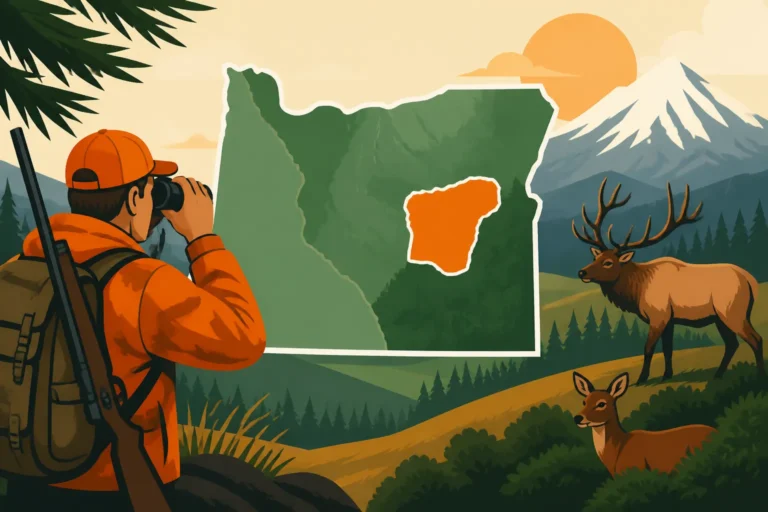
Let's be honest, Oregon offers some absolutely world-class elk hunting, and the secret is definitely out. Between the dense rainforests of the west teeming with majestic Roosevelt elk and the rugged, expansive mountains of the east holding powerful Rocky Mountain bulls, hunters from all over the country have Oregon on their radar. But this popularity, while a testament to our state's incredible wildlife, comes with a significant challenge: competition.
Why Oregon Elk Hunts Are So Sought After
Oregon's diverse landscapes provide habitat for two distinct subspecies of elk, each offering a unique hunting experience. On the western side, particularly in areas like the Coast Range and the western Cascades, the Roosevelt elk reign supreme. These are massive animals, often larger in body size than their Rocky Mountain cousins, adapted to the wet, thick timber. A successful Roosevelt hunt often involves navigating challenging terrain and dense cover, making the experience incredibly rewarding. Then, you head east of Highway 97, and you're in Rocky Mountain elk country. These bulls might not have the sheer body mass of a Roosevelt, but they boast impressive antler spreads and are often found in more open, sage-covered hills and timber pockets, requiring different glassing and stalking tactics.
The allure isn't just the size of the animals, but the quality of the hunting experience itself. Many of Oregon's controlled elk hunts offer excellent draw odds for those with a decent number of preference points, or even the chance for a coveted over-the-counter tag in general seasons, especially for archery. This combination of impressive animals, diverse landscapes, and reasonable access means that demand for prime hunting opportunities—especially with reputable guides—is extremely high. Every year, more hunters are discovering what makes Oregon so special.
The Scarcity of Good Dates and Guides
Here’s where the rubber meets the road: the really good outfitters, the ones with a proven track record, excellent access, and experienced guides, are not sitting around waiting for your call in July the year of the hunt. They are booked solid, often two, sometimes even three years out. Think about it: a top-tier guide only has so many prime weeks in a season. If they typically run six or seven elk hunts a year, and half their clientele are repeat customers who rebook as soon as their current hunt ends, that leaves very few openings for new clients.
Prime hunting dates, such as the early archery season when bulls are often most vocal, or the opening weeks of the general rifle seasons in November, are the first to go. Everyone wants to hunt when the chances of success are highest, or when the weather is most favorable. If you're calling a guide in the spring or summer hoping to secure a spot for the fall, you're likely going to hear a lot of "sorry, we're fully booked" or be offered dates that are less than ideal. It's not a slight against you; it's simply the reality of supply and demand in a competitive market for quality experiences.
The Advantages of Planning Your Oregon Elk Hunt Early
Booking your Oregon elk hunt far in advance might seem a little overzealous, but trust me, it’s one of the smartest moves you can make. It transforms a potentially stressful, last-minute scramble into a well-organized, exciting countdown. The benefits extend far beyond just securing a spot; they impact every aspect of your upcoming adventure.
Securing Your Preferred Dates and Guide
Imagine having your pick of the litter. When you start looking at outfitters 12 to 18 months out, you're contacting them before their calendars are completely jammed. This means you have a much better chance of securing the exact dates you want – perhaps that opening week of archery season you've always dreamed of, or a specific rifle season that aligns perfectly with your work schedule. More importantly, it allows you to choose from the best and most reputable outfitters available.
Many top guides have a significant portion of their business from repeat clients who re-book immediately after a successful hunt. By getting ahead of the curve, you're putting yourself in a position to be one of those coveted new clients. Sites like BookYourHunt or GoHunt can be invaluable resources here, allowing you to browse available dates and vet outfitters well in advance. You can compare different operations, read reviews, and genuinely find a guide whose style and success rates align with your expectations, rather than settling for whoever has an opening. This proactive approach ensures you're hunting with someone you trust, on terms that suit you best, laying a solid foundation for your hunt.
Financial Planning and Payment Schedules
A guided elk hunt in Oregon represents a significant investment, no two ways about it. The sticker shock can be real if you're trying to pay for everything just a few months before the hunt. This is where early booking truly shines. Most outfitters require a deposit to secure your dates, with the balance due closer to the hunt. When you book a year or more in advance, this effectively creates a staggered payment plan for you.
You put down your deposit, and then you have a substantial amount of time to save and budget for the remaining balance. Instead of one large, daunting payment, you can break it down into smaller, more manageable chunks over many months. This reduces financial stress immensely, allowing you to focus on the excitement of the upcoming hunt rather than worrying about the immediate impact on your bank account. It’s like having an interest-free payment plan built right into your hunting adventure, making that dream hunt much more attainable without breaking the bank all at once.
Time for Physical and Mental Preparation
Oregon's elk country, whether you're climbing steep, brushy slopes in the Coast Range or navigating the high desert canyons in Eastern Oregon, is physically demanding. It’s not a casual stroll. A successful hunt often hinges on your ability to hike miles, climb elevation, and pack heavy loads in challenging conditions. Booking a year ahead gives you a crucial advantage: time.
With a long lead time, you can implement a dedicated physical fitness regimen that slowly builds your stamina, strength, and endurance. There's no need to cram months of training into a few frantic weeks. You can gradually work on strengthening your core, conditioning your legs for steep ascents, and improving your overall cardiovascular health. Check out our guide on Physical Training for an Oregon Elk Hunt for specific exercises and tips. Beyond the physical, this extended period allows for mental preparation. You can research the specific unit you'll be hunting, visualize scenarios, and get into the right mindset for the challenges ahead. It minimizes the rush and anxiety, letting you approach your hunt with confidence and readiness.
Steps to Successfully Book Your Oregon Elk Hunt a Year Out
Okay, you're convinced. Booking early is the way to go. But how do you actually go about it without making mistakes? The process involves careful research, clear communication, and a thorough understanding of the agreement you're entering into. Don’t rush this part; it's as important as the hunt itself.
Researching and Vetting Outfitters
This is perhaps the most critical step. With so many options out there, it can be overwhelming to find the right fit. Start by compiling a list of potential outfitters who operate in the areas you’re interested in, or who specialize in the type of elk hunt you envision (e.g., archery vs. rifle, Roosevelt vs. Rocky Mountain). Websites like BookYourHunt and GoHunt are great starting points, offering directories and reviews that can help narrow down your choices.
Once you have a shortlist, dig deeper. Check if they are officially registered with the Oregon State Marine Board, which is mandatory for all outfitters and guides operating in the state. Our article on Hiring a Registered Oregon Hunting Guide offers more details on what to look for. Beyond registration, ask for client references—and actually call them. Ask past clients about the guide’s communication, hunting style, camp conditions, and how they handled unexpected challenges. Read online reviews, but take them with a grain of salt and look for consistent themes. A good outfitter will be transparent and proud to share their credentials and past client experiences.
Understanding Contracts, Deposits, and Cancellations
Never, ever sign a contract without reading it thoroughly. This document is your protection and outlines what you can expect from your outfitter and what they expect from you. Pay close attention to the deposit amount—it's typically a percentage of the total hunt cost, and is usually non-refundable. Understand the payment schedule for the remaining balance.
Crucially, clarify the cancellation policy. What happens if you have to cancel due to an emergency? What if the outfitter cancels? Are there options to reschedule, or is your deposit forfeited? Are there any clauses regarding weather, fire closures, or unforeseen circumstances that could impact the hunt? These details, while seemingly tedious, are vital for avoiding potential headaches down the road. Our guide on Guide Contracts and Deposits in Oregon goes into more depth on common clauses and what questions to ask. Don't be afraid to ask for clarification on anything you don't understand; a professional outfitter will be happy to explain.
Crafting Your Communication Strategy
Effective communication is the cornerstone of a successful guided hunt. When you first reach out to potential outfitters, be clear about your expectations and what you're looking for. Are you focused on a trophy bull, or is the experience of a general season hunt more important? What's your physical fitness level? Do you have any dietary restrictions?
Prepare a list of questions before your initial calls or emails. These might include:
- What is the typical success rate for this specific hunt?
- What is the average shot distance for your clients?
- What does a typical day in camp look like?
- What gear should I bring?
- What are the camp facilities like (tent, cabin, cooked meals, DIY)?
- How do you handle meat care and packing out? (Quartering and Packing an Elk Alone is a good read for understanding the demands.)
- What is your philosophy on calling elk versus still-hunting? (For example, if you're keen on Calling Roosevelt Elk in Oregon Rainforest Timber, ensure the guide shares that approach.)
Remember, you're interviewing them as much as they are assessing you as a client. The goal is to ensure that your expectations align with what the outfitter provides. Don't hesitate to ask about their approach to different scenarios, such as Glassing Eastern Oregon Rimrock for Mule Deer for a different perspective on their general hunting tactics or even alternatives like What It Costs to Hire a Packer With Stock if you're considering a semi-guided option.
| Aspect | Booking a Year Ahead | Waiting Until Last Minute |
|---|---|---|
| Guide/Outfitter Choice | Top-tier, highly recommended, specific experience | Limited options, potentially less experienced or new |
| Hunt Dates | Prime season, preferred week/days, flexibility | Whatever is left, off-peak, limited choice |
| Financial Burden | Staggered payments, easier budgeting, less stress | Large upfront cost, potential financial strain |
| Physical Prep Time | Ample time for training, gear testing, skill refinement | Rushed, minimal training, potential performance issues |
| Gear Acquisition | Research, compare, buy on sale, practice | Scramble for gear, pay full price, limited practice |
| Tag Application | Time to understand draw system, apply strategically | Rushed application, potential errors, missed deadlines |
| Overall Stress | Significantly lower, organized, confident | High, constant worry about logistics and availability |
What to Do Once Your Hunt Is Booked (Still A Year Out!)
So, you've done it! You've secured your dream Oregon elk hunt a year in advance. Congratulations! But the work isn't over. This long lead time isn't just for booking; it's a golden opportunity to ensure everything else falls perfectly into place. Don’t just sit back and relax; use this time wisely.
Securing Your Oregon Tags and Licenses
Once your hunt dates are locked in, your next immediate priority is understanding the Oregon tag and license system. This is crucial and often where hunters make critical mistakes if they wait too long. Most desirable elk hunts in Oregon require participation in the controlled hunt draw, which has a strict application deadline, typically May 15th each year. Missing this deadline means you've missed your chance for that year.
Familiarize yourself with the Oregon Department of Fish and Wildlife (ODFW) application process. Understand how preference points work, as they are often key to drawing a good tag, especially for specific units or species. Our detailed guides like Oregon Controlled Hunt Draw Explained and Oregon Preference Points and How They Work are essential reading. Even if you're doing a general season hunt, knowing when licenses and tags go on sale, and ensuring you purchase them in time, is paramount. Your outfitter will likely guide you on the specific hunt number to apply for, but the responsibility to actually apply correctly falls squarely on your shoulders.
Gear Acquisition and Practice
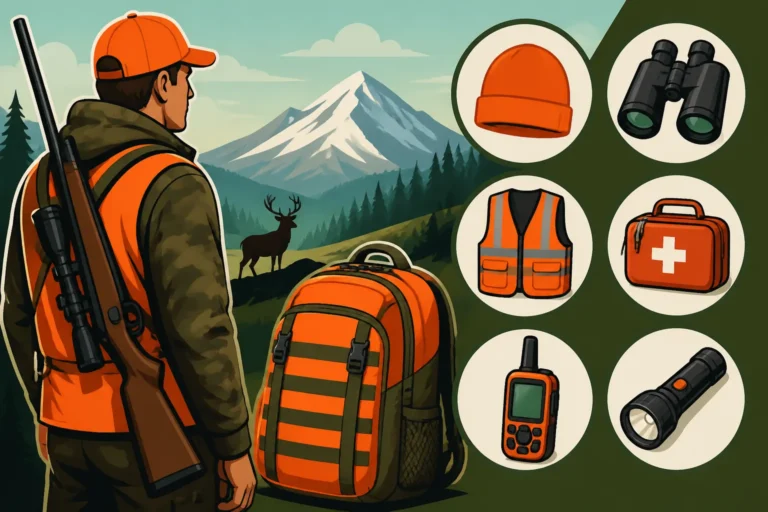
With a year to go, you have plenty of time to strategically acquire the right gear and, more importantly, practice with it. Don't fall into the trap of buying new boots a month before the hunt and expecting them to be broken in. Start early. Invest in quality footwear, then wear them on hikes, in various weather conditions, to ensure they’re comfortable and reliable. The same goes for rain gear; coastal Oregon hunts, especially, demand gear that actually keeps you dry, so look for Rain Gear That Actually Stays Dry and test it.
If you're a rifle hunter, use this time to solidify your rifle choice, zero it in, and practice shooting from various field positions that mimic hunting scenarios—steep angles, off a pack, etc. For archers, this is your chance to dial in your bow setup for the specific conditions you’ll face in Oregon, potentially practicing with broadheads and ensuring your setup is quiet and efficient for thick timber. Check out Rifle Choice for Oregon Elk and Deer or Archery Setup for Wet Oregon Timber for specific advice. The goal is to make your gear an extension of yourself, minimizing surprises when that moment of truth arrives.
Staying Informed and Connected
Even after booking and planning, things can change. Oregon’s hunting regulations are reviewed and updated annually, and while major shifts are usually communicated well in advance, minor adjustments can occur. Keep an eye on the ODFW website for the official regulation pamphlets and any in-season updates. Knowing when the Oregon Regulation Pamphlet Release Date is can help you stay current.
Maintain an open line of communication with your outfitter. A good guide will keep you informed of any changes to access, local conditions (like fire closures), or herd dynamics that might affect your hunt. Don't be afraid to check in periodically with questions or just to touch base. This ongoing dialogue ensures that everyone is on the same page, and it demonstrates your commitment to a successful partnership. The more informed you are, and the more connected you stay with your guide, the smoother your journey to an Oregon elk hunt will be.
Disclaimer
This article is for general informational purposes only and does not constitute professional advice. Laws, prices and regulations vary by location and change over time. Consult a qualified professional for guidance on your specific situation.