Willamette Valley Goose Damage
If you’ve spent any time driving through the picturesque Willamette Valley in late fall or winter, you’ve probably noticed vast flocks of geese dotting the fields, sometimes in numbers so immense they seem to blanket the landscape. While it's a beautiful sight for nature lovers, for local farmers, it often represents a serious and costly problem: significant agricultural damage. This guide will delve into why these geese cause such headaches for Willamette Valley growers, the specific goose species involved, and crucially, how regulated hunting seasons and specialized programs play a vital role in mitigating this ongoing challenge.
Understanding the Problem: Why Geese Cause Damage in the Willamette Valley
The Willamette Valley, with its rich soils and mild climate, is a prime agricultural region, famous for everything from grass seed and clover to various vegetables and specialty crops. Unfortunately, these same fertile fields and abundant water sources that make it a farming paradise also make it an irresistible wintering ground for hundreds of thousands of geese. The sheer number of birds concentrated in relatively small areas leads to an ecological imbalance, and it’s the crops that suffer the consequences.
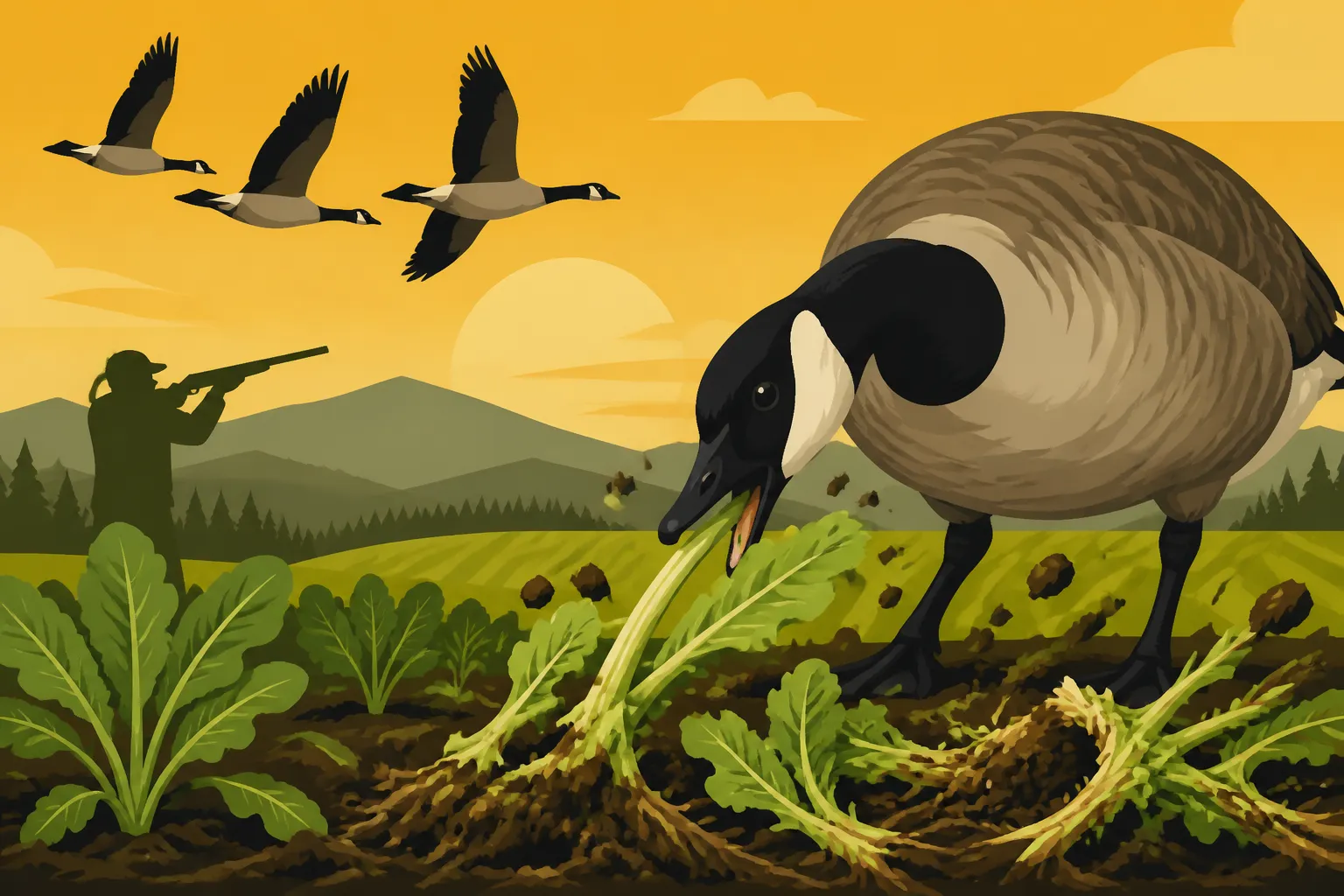
Imagine a farmer who has meticulously planted a field of grass seed, a high-value crop, in the late summer or early fall. The young shoots are just starting to establish themselves, vital for a successful harvest the following year. Then, overnight, a flock of several thousand geese descends. These birds are hungry, having completed a long migration, and those tender young sprouts are an easy meal. They don't just eat; they trample, root around, and leave behind significant amounts of waste, further contaminating and compacting the soil. This isn't just a few birds taking a snack; it's an army of feathered grazers systematically destroying potential income.
The problem is particularly acute because these aren't just transient visitors. Many goose populations, particularly the dusky Canada geese, spend the entire winter in the Willamette Valley before migrating north again in the spring. This extended stay means continuous pressure on agricultural lands. Farmers often face a dilemma: protect their crops at significant expense, or risk substantial financial losses that could jeopardize their livelihood. This isn't a minor nuisance; it's a serious economic threat that can impact the viability of agricultural operations in the region.
The Primary Goose Culprits and Their Impact on Agriculture
While many bird species can cause localized issues, certain goose species are the main offenders when it comes to widespread agricultural damage in the Willamette Valley. Identifying these birds helps both wildlife managers and hunters understand the scope of the problem and tailor management strategies. The most prominent species contributing to this damage include various subspecies of Canada geese, particularly the Cackling and Dusky Canada geese, along with the increasing presence of Western Canada geese, and snow geese. Each has its own habits and contributes to the problem in slightly different ways.
Cackling and Dusky Canada Geese
Cackling geese are smaller cousins of the larger Canada geese, often appearing in massive, dense flocks. They are highly migratory and their sheer numbers can quickly devastate fields. They're particularly fond of newly emerging grass and clover, which are critical for early growth and vigor. A field that looks green and healthy one day can be stripped bare the next, with the delicate root systems often pulled up or damaged, preventing regrowth.
The Dusky Canada goose is another significant player, though its population numbers are generally lower than cacklers. What makes duskies a particular concern is their vulnerability. They have a more restricted breeding range and their populations have struggled in the past. However, they also winter in the Willamette Valley, and their presence in damage areas presents a challenge for managers trying to balance species conservation with agricultural protection. Hunters need to be particularly diligent in identifying these birds, as specific harvest restrictions can apply to ensure their populations remain healthy. This can make hunting in areas with mixed flocks quite a careful undertaking.
Western Canada Geese and Snow Geese
Western Canada geese are the larger, more common Canada geese most people recognize. While some migrate, many have established resident populations in the Willamette Valley, choosing not to migrate long distances. These resident populations can cause year-round issues, not just in winter. They forage on various crops, graze on pasturelands, and can contaminate ponds and waterways. Their adaptability means they are often found closer to human settlements, including urban parks and golf courses, but also extend their reach into agricultural zones.
Snow geese, with their striking white plumage, arrive in impressive numbers, often intermingling with other goose species. They are particularly known for their "grubbing" behavior, where they literally tear up fields to get at roots and tubers. This isn't just grazing; it's a destructive act that can leave large sections of a field looking like a rototiller went through it, making it impossible to plant or harvest. While the image of a thousand white geese lifting off a field is stunning, the reality for the farmer is a patchwork of destroyed crop land. Finding good hunting opportunities for snow geese often means targeting these large concentrations, and resources like GoHunt can be invaluable for pinpointing general areas where these flocks are known to congregate.
Here's a quick look at the impact of these primary goose culprits:
| Goose Species | Typical Foraging Behavior | Primary Agricultural Impact | Noteworthy Challenges for Management/Hunting |
|---|---|---|---|
| Cackling Geese | Grazing on young sprouts, shoots | Stripping new growth, trampling, root damage | High numbers, can devastate fields quickly |
| Dusky Canada Geese | Grazing on young sprouts, shoots | Similar to Cackling; direct crop consumption | Conservation concerns, requires careful identification by hunters |
| Western Canada Geese | Grazing, varied vegetation | Pasture degradation, crop consumption, contamination | Resident populations, year-round pressure |
| Snow Geese | Grubbing for roots, tubers | Destructive tearing up of fields, preventing regrowth | Massive flocks, widespread physical damage |
Hunting as a Management Tool: Oregon's Approach to Goose Damage
Given the extensive agricultural losses, simply letting nature take its course isn't an option for Willamette Valley farmers. This is where regulated hunting becomes not just a recreational pursuit, but a crucial wildlife management tool. The Oregon Department of Fish and Wildlife (ODFW) recognizes the need to alleviate this pressure, and they've developed specific programs and seasons designed to do just that. It's a prime example of how hunting directly contributes to conservation and economic stability in a region.
One of the most impactful programs is the Oregon Open Fields Properties and How to Find Them, which often includes lands specifically designated for hunting geese to mitigate damage. These programs provide access to private agricultural lands where hunting is permitted specifically to reduce goose numbers and deter them from damaging crops. It's a win-win: hunters get an opportunity to harvest geese, and farmers get much-needed relief. These special access opportunities are often critical because many of the affected fields are privately owned, otherwise inaccessible to the general public. Hunters participating in these programs are effectively working as part of the solution, helping to protect vital food sources.
Beyond these special programs, general waterfowl seasons are also structured to allow for significant goose harvest in the Willamette Valley. ODFW analyzes goose population data and agricultural damage reports to set season lengths and bag limits that encourage harvest where it's most needed. For example, specific hunt zones might have extended seasons or increased bag limits for certain species to target those contributing most to the damage. This targeted approach is essential, especially when trying to manage specific subspecies like the more abundant Cackling geese while still protecting vulnerable populations like the Dusky Canada geese. Understanding the regulations and zones is critical, and many hunters use tools like GoHunt to cross-reference maps with current regulations.
Navigating Access and Seasons for Willamette Valley Goose Hunts
Hunting geese in the Willamette Valley requires a bit more planning than simply heading to public land. The nature of agricultural damage means that many of the best opportunities are on private property, often through specific access programs. Understanding these avenues and the nuances of the season dates is key to a successful and impactful hunt.
Understanding Special Hunt Zones and Damage Control Seasons
The Willamette Valley often has specific hunt zones with unique regulations tailored to goose management. These zones might have different season dates, shooting hours, or bag limits than general statewide regulations. This is particularly true for "late seasons" or "damage control seasons" which run after the general waterfowl season has closed, specifically targeting geese that are still causing problems in fields. These seasons are a direct response to farmer complaints and are a vital tool in preventing ongoing crop destruction. Before you even think about heading out, you absolutely must check the current Oregon Game Bird Regulations pamphlet for the precise dates, boundaries, and any special requirements for these zones.
Access is another big piece of the puzzle. While some state wildlife areas might hold geese, the heaviest concentrations causing damage are frequently on private farms. This is where programs like Hunting Willamette Valley Goose Damage Ground or the Oregon Open Fields Properties and How to Find Them come into play. These initiatives facilitate access to private lands, often requiring registration or a permit. You'll also find some landowners who are open to granting permission directly, especially if they are suffering from significant goose pressure. Always remember the golden rule: always ask permission before stepping onto private property. Landowner relations are paramount, and respecting their property and rules ensures these opportunities remain available for everyone.
Gear, Tactics, and Ethical Considerations
Hunting geese effectively in the Willamette Valley demands specific gear and tactics. Large decoy spreads, often numbering in the dozens or even hundreds, are essential to draw in wary birds. Layout blinds or well-camouflaged pits are critical for concealment in open fields. Electronic calls can be a game-changer for attracting distant flocks, but always double-check the current regulations on their legality for your specific hunt zone, as rules can vary. Retrieving downed birds can be a challenge in vast fields, so a good dog is invaluable.
It’s also crucial to be mindful of your impact as a hunter. This includes staying clear of residential areas, respecting property boundaries, and leaving no trace behind. The goal is to help farmers, so any behavior that damages their property or reputation works against that objective. Being an ethical and responsible hunter helps maintain these vital relationships and ensures the continued success of damage control programs. You might also find valuable insights and discussions on effective tactics and access points by engaging with online hunting communities or using advanced mapping tools like GoHunt, which can help visualize land ownership and potential access points when you're planning a trip to a new area. Oregon Waterfowl in the Willamette Valley also provides more context on the general waterfowl hunting scene in the region.
Disclaimer
This article is for general informational purposes only and does not constitute professional advice. Laws, prices and regulations vary by location and change over time. Consult a qualified professional for guidance on your specific situation.