Blue Grouse at High Elevation
The pursuit of blue grouse in Oregon's high country is a uniquely challenging and rewarding experience, far removed from the more accessible hunts for other upland birds. These robust birds favor the rugged, often steep terrain of our higher elevations, presenting a puzzle to hunters who aren't familiar with their specific habits and preferred habitats. This guide aims to unravel that mystery, providing you with the insights and strategies needed to successfully connect with blue grouse in the challenging, yet stunning, mountain environments they call home.
Understanding Blue Grouse Behavior at High Elevation
Hunting blue grouse, also known as dusky grouse, in Oregon's high country means you're stepping into a completely different world than chasing pheasant or quail. These birds are masters of their mountainous domain, and understanding their seasonal movements and dietary preferences is crucial to finding them. It's not just about walking through the woods; it's about reading the landscape and anticipating where these elusive birds will be.
Seasonal Movements and the "Hooting" Phenomenon
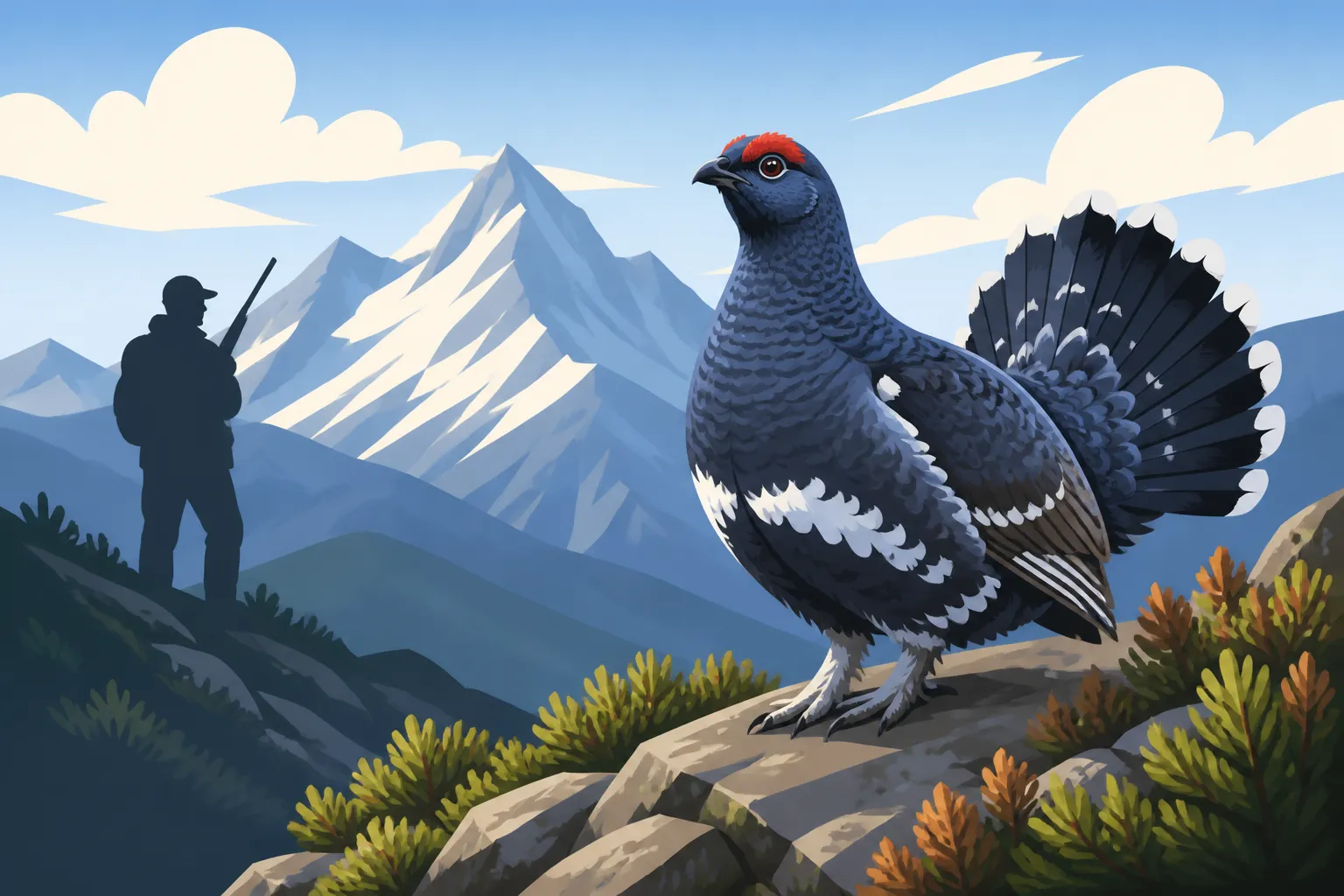
Blue grouse are fascinating because they exhibit a distinct vertical migration pattern. In the spring and early summer, you'll often find them at slightly lower elevations, usually near the timberline. This is when the breeding season kicks off, and the males, with their striking yellow air sacs, perform their characteristic "hooting" display. If you've never heard it, it's a deep, resonant sound that carries surprisingly far through the dense timber. Locating these hooting males can be a great way to pinpoint their general whereabouts early in the season, though they can be incredibly hard to sneak up on.
As the summer progresses and snow recedes further up the mountainsides, blue grouse gradually move to higher elevations. This "upward migration" is driven by food availability and cooler temperatures. By late summer and early fall, which is prime hunting season, you'll typically find them in the subalpine zones, often above 5,000 or 6,000 feet in places like the Cascades or the Wallowas. They're still secretive, relying heavily on camouflage and stillness, so you need to be observant and patient. They might be just a few feet from you, completely still, until you almost step on them. This is where a good pair of eyes and a slow pace really pay off.
Diet and Habitat Preferences
At high elevations, blue grouse have a pretty specific diet. They're not scratching in agricultural fields like pheasants. Instead, they primarily feed on the needles of various conifer trees, especially Douglas fir, true firs like subalpine fir, and sometimes lodgepole pine. This needle-browsing is a key adaptation to their harsh environment, providing sustenance when other food sources are scarce. But it's not all needles! During the late summer and early fall, they'll also feast on a variety of berries that ripen in the high country, such as huckleberries, currants, and grouse-whortleberries. Finding good berry patches, especially those adjacent to dense conifer stands, can be a real hotspot.
Beyond their diet, blue grouse have distinct preferences for cover. They love dense timber stands that offer protection from predators and the elements, but they also need openings for dusting, sunning, and foraging on ground vegetation. Look for areas where dense timber transitions into small clearings, rocky outcroppings, or even old fire scars. They are often found on north-facing slopes in the morning, soaking up the sun, and may move to more sheltered, shadier areas as the day warms up. Being aware of these subtle habitat shifts throughout the day can significantly improve your chances. It's not unlike how Elk Behavior After a Wildfire changes, where animals adapt their patterns to new cover and food sources.
Key Habitats and Terrain Features
Understanding the specific terrain and vegetation types that blue grouse favor at high elevations in Oregon is paramount. It’s not enough to simply say "high country"; you need to pinpoint the micro-habitats within those vast landscapes. These birds are creatures of routine within their preferred environments, and learning to identify these zones will drastically cut down on unproductive hiking.
The Subalpine Fir and Lodgepole Pine Zones
When you’re thinking about hunting blue grouse in Oregon, your mind should immediately go to the subalpine fir and lodgepole pine zones. These are the classic high-elevation evergreen forests you’ll encounter in mountain ranges like the Oregon Cascades, the Wallowas, and parts of the Blue Mountains. Subalpine fir, with its distinctive dark green needles and often pyramidal shape, provides excellent thermal cover and a primary food source for these grouse, especially as winter approaches and other forage becomes scarce. You'll typically find these forests thriving between 5,000 and 8,000 feet, sometimes even higher.
Lodgepole pine stands, often found in slightly drier or previously disturbed areas (like old burns), also offer prime grouse habitat. These trees provide good cover and their needles are another food source. What makes these areas particularly productive is often the mix of tree ages and densities. Grouse thrive in a mosaic of dense stands for security and more open areas or edges for feeding and sunning. When you're e-scouting using a tool like GoHunt, pay close attention to the transitions between these forest types and any pockets of old-growth mixed with younger regeneration. These subtle shifts can indicate ideal locations where grouse feel safe but also have easy access to food.
Steep Slopes, Rock Outcroppings, and Clearings
Blue grouse aren't afraid of a good climb, and you'll often find them on steep slopes, especially those dotted with rock outcroppings. These rocky areas provide crucial advantages: they offer excellent vantage points, natural shelters from predators like hawks and coyotes, and often hold small pockets of unique vegetation. Grouse will use the sunny side of these rocks to warm themselves in the morning chill, or the shady side to escape the midday sun. Furthermore, the broken terrain provided by these features can make it incredibly difficult for predators—and hunters—to approach undetected, which is why a slow, deliberate Still-Hunting Speed in Wet Brush is so vital, even when it's dry.
Small clearings within or adjacent to these steep, timbered slopes are also key. These might be natural openings, old logging landings, or areas where rock slides have created a break in the canopy. These clearings often harbor wildflowers, insects, and berry bushes, all of which are attractive to grouse, particularly in the late summer and early fall. The key is to hunt the edges of these clearings, where the birds can quickly retreat into the security of the timber if they feel threatened. When you're looking at a map, don't just focus on the dense green; look for those subtle breaks and changes in contour that signify these crucial openings.
Hunting Strategies for High-Altitude Blue Grouse
Successfully hunting blue grouse in Oregon's high country requires a different approach than what you might be used to for other upland game. Forget wide-open fields or meticulously manicured habitats. This is a game of patience, stealth, and adapting to some of the most challenging terrain Oregon has to offer.
Still-Hunting and Spot-and-Stalk
The most effective method for high-elevation blue grouse is often still-hunting or spot-and-stalk. These birds are known for "freezing" when they sense danger, blending seamlessly into their surroundings. You might walk within feet of a bird and never know it until it explodes from the underbrush, sending your heart into your throat. Therefore, your pace needs to be agonizingly slow. Take a few steps, then pause for a good minute or two, scanning every tree limb, every patch of needles, and every shadow for the tell-tale shape of a grouse. Using binoculars can be incredibly helpful for picking apart dense cover, almost like you would when Glassing Sage and Juniper for Eastern Oregon Mule Deer, just on a smaller scale.
Focus on areas where the habitat changes—the edge of a clearing, the transition from dense timber to a rockslide, or where different tree species meet. These "edge habitats" are where grouse often spend their time. Walk into the sun if possible, as it illuminates the birds better and makes it harder for them to see you. Remember, grouse rely heavily on their eyesight, so quiet movement and breaking up your silhouette are critical. If you spot a bird before it sees you, try a slow, deliberate stalk. Sometimes, a well-placed shot can be had before the bird takes flight, especially if they are feeding calmly on a limb.
Working Edges and Transition Zones
As mentioned, grouse are often found where different habitat types converge. This is especially true at high elevations. Think about the timberline where dense forest gives way to alpine meadows, or the edges of old clearcuts that are slowly regenerating. These transition zones offer the best of both worlds for grouse: thick cover for safety and open areas for foraging.
When you're out hunting, make it a point to methodically work these edges. Walk along the line where dense timber meets a rocky slope, or where a thick stand of lodgepole pine borders a huckleberry patch. These areas are natural travel corridors and feeding grounds. Utilize tools like the GoHunt app or other mapping software on your phone to identify these key transition areas before you even hit the trail. Many successful grouse hunters prioritize these "seams" in the landscape, knowing that they offer the highest probability of encountering birds. Don't be afraid to circle back and re-hunt productive edges, as grouse may move into them throughout the day.
Dog Work in Steep Country
While still-hunting is productive, many hunters enjoy working with a bird dog for blue grouse. A good flushing dog can be invaluable, especially in the thick cover and steep terrain where these birds reside. However, hunting with dogs in high-elevation, rugged country presents its own unique set of challenges. Not all dogs are suited for the extreme physical demands. You need a dog with excellent stamina, tough pads, and an unwavering drive to work through steep, often rocky and brushy terrain. Breeds like sturdy setters, pointers, or even strong Labs can excel, but they need to be conditioned for mountain hunting.
The benefit of a dog is that they can cover ground more efficiently and sniff out those incredibly camouflaged birds that you'd otherwise walk right past. A dog's nose can be a game-changer when grouse are holding tight. The downside is the risk of injury in rough terrain, and keeping track of your dog on steep slopes can be a challenge. Always carry plenty of water for your dog, especially on warm days, and consider protective gear like boots for their paws. A GPS collar is almost a necessity to ensure you can locate them if they get out of sight in the dense timber or rugged canyons. It's a balance, but a well-trained dog can make a blue grouse hunt incredibly exciting and productive.
Gear and Preparation for Mountain Grouse Hunts
Successfully hunting blue grouse at high elevation isn't just about knowing where to find them; it's also about being prepared for the demanding environment. The Oregon high country can be unforgiving, with rapidly changing weather, steep terrain, and remote locations. The right gear and physical conditioning are not just about comfort, they're about safety and success.
Footwear, Layering, and Rain Gear
Your feet are your most important asset on a high-elevation grouse hunt. You'll be climbing, descending, and navigating uneven, often rocky or slick terrain. Invest in a high-quality pair of waterproof, ankle-supporting boots with excellent traction. Think about what you'd wear for a tough day of Chukar Country Footwear and Fitness – that's the kind of support and durability you'll need. Blisters or a twisted ankle can quickly end your hunt, or worse, put you in a dangerous situation miles from the trailhead. Break in your boots well before the season, and always carry a good pair of wool or synthetic socks, with a spare pair tucked into your pack.
Layering is equally critical for mountain hunting. Temperatures can swing dramatically from chilly mornings to warm midday sun, only to drop again if clouds roll in or you ascend higher. Start with a moisture-wicking base layer, add an insulating mid-layer (fleece or puffy jacket), and top it with a durable, breathable outer shell. Speaking of shells, reliable rain gear is non-negotiable. Even on a clear forecast day, a sudden mountain shower or afternoon thunderstorm can soak you to the bone, leading to hypothermia risks. Don't skimp on quality here; good rain gear that actually stays dry is worth its weight in gold.
Optics, Navigation, and Safety
For blue grouse, while not as critical as for big game, a good pair of binoculars (8x or 10x) can still be incredibly useful for picking apart distant timber or spotting birds sunning on a rock outcropping. However, navigation is paramount. Relying solely on your phone is risky due to potential battery drain and spotty cell service. Always carry a reliable GPS device or a mapping app like GoHunt on your phone with downloaded offline maps. A physical map and compass are also smart backups, and knowing how to use them is a crucial skill. E-Scouting Oregon Units With Satellite Imagery before your hunt, marking potential grouse habitat and access points, will give you a significant advantage once you're on the ground.
Safety in remote, high-elevation environments cannot be overstated. A comprehensive first aid kit is essential, covering everything from minor cuts and blisters to more serious emergencies. First Aid Kit Items for a Remote Hunt should include trauma dressings, pain relievers, and any personal medications. Consider carrying a satellite communication device (like a Garmin inReach or Zoleo) for emergency communication, as cell service is often non-existent. Always leave a detailed trip plan with someone responsible at home, including your intended route, where you'll be parking, and when you expect to return.
Physical Conditioning
Hunting blue grouse in the mountains is a physically demanding endeavor. You'll be ascending and descending steep slopes, often carrying a pack, and doing so at elevations where the air is thinner. This isn't a walk in the park; it's a strenuous workout. Just like preparing for Physical Training for an Oregon Elk Hunt, you need to train your body for these conditions.
Start a fitness regimen well before the season. Focus on cardiovascular endurance (hiking, trail running), leg strength (squats, lunges, step-ups), and core stability. Incorporate hiking with a loaded pack into your training to simulate hunt conditions. The fitter you are, the more enjoyable and safer your hunt will be. You'll be able to cover more ground, maintain focus longer, and recover faster, which can make all the difference when you're glassing for that subtly camouflaged blue grouse or trying to keep up with your dog on a steep ridge. Being in peak physical condition also reduces your risk of accidents due to fatigue, making you a more effective and responsible hunter in Oregon's beautiful, yet challenging, high country.
| Habitat Feature | Typical Elevation (Oregon) | Grouse Use | Hunting Strategy |
|---|---|---|---|
| Subalpine Fir Forests | 5,000 – 8,000 ft | Cover, nesting, conifer needle browsing | Slow still-hunt, focus on edges |
| Lodgepole Pine Stands | 4,000 – 7,000 ft | Feeding on needles, dust baths, escape | Walk fire roads, look for clearings |
| Rocky Outcroppings | Varies, often steep | Sunning, predator evasion, vantage points | Glass from a distance, approach carefully |
| Berry Patches | Lower high elevation | Heavy feeding during late summer/fall | Focus on transitions, hunt methodically |
| Open Ridges/Saddles | Exposed areas | Dusting, travel corridors | Watch for birds moving between timber blocks |
Disclaimer
This article is for general informational purposes only and does not constitute professional advice. Laws, prices and regulations vary by location and change over time. Consult a qualified professional for guidance on your specific situation.