Bear Colour Phases in Oregon
When you head out into Oregon's vast, wild landscapes, you're often picturing a sleek, jet-black bear. But the truth is, the world of black bears in our state is far more vibrant and diverse than many hunters realize. It can be genuinely perplexing to glass a distant hillside and wonder if the animal you're seeing is indeed a black bear, or something else entirely, simply because its coat isn't the familiar dark shade. This guide is here to unravel the common misconceptions about bear color phases, helping you better understand and identify the incredible range of hues you might encounter while hunting in Oregon.
Beyond Black: Understanding Oregon's Bear Color Palette
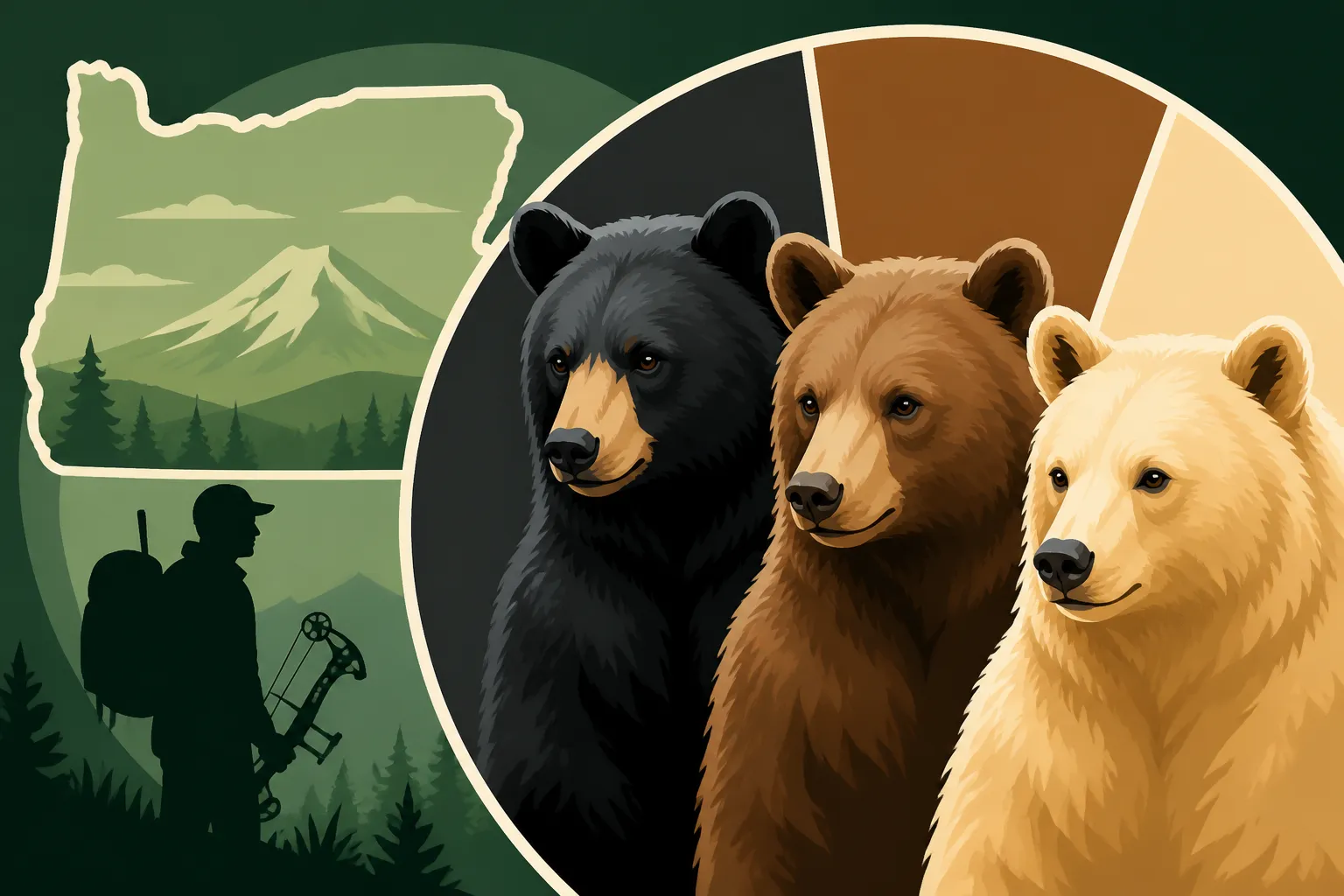
It's a common misnomer, even among seasoned hunters, that "black bear" implies a strictly black coat. In reality, Ursus americanus, or the American black bear, boasts one of the most diverse color palettes of any North American mammal. This genetic variability means you'll see a spectrum that stretches far beyond just black, making identification both a challenge and a fascinating aspect of hunting in Oregon. Knowing these variations isn't just a fun fact; it's crucial for properly identifying your quarry, especially when you're glassing from a distance in tricky lighting.
The Dominant Black and Its Subtle Variations
While black is certainly the most prevalent color phase for American black bears in Oregon, even within this dominant hue, there's a surprising amount of variation. You'll encounter bears that are truly deep, inky black, absorbing almost all light. However, many bears that appear "black" are actually a very dark brown. This can be especially noticeable in direct sunlight, where the brown undertones become more apparent, giving their fur a slightly softer, less intense appearance than a pure black bear.
Sometimes, a bear's coat might appear faded or grizzled, particularly around the muzzle or shoulders, giving it an older, wiser look. This isn't necessarily a distinct color phase, but rather a common characteristic that can develop with age or sun exposure, much like human hair can gray or lighten. Hunters often describe these bears as having a "salt and pepper" look, adding another layer of complexity to field identification. Understanding these subtle variations in what we broadly call "black" helps train your eye to look closer and avoid hasty judgments.
Exploring Cinnamon and Chocolate Hues
Moving away from black, cinnamon and chocolate are arguably the most striking and frequently encountered alternative color phases in Oregon's black bear populations. A cinnamon bear can range from a light, reddish-brown to a rich, warm rust color. These bears often stand out vividly against green foliage or snowy backdrops, making them a beautiful sight, but also potentially easier to spot. The intensity of the cinnamon can vary greatly, almost like different shades of a spice rack, from a mild, pale cinnamon to a deep, fiery reddish-brown.
Chocolate phase bears, as the name suggests, are a rich, dark brown, often resembling a high-quality cocoa bean. They're darker than a typical cinnamon but distinctly lighter and warmer than a true black bear. In certain lighting conditions, especially dim forest light, a chocolate bear can sometimes be mistaken for black, so paying close attention to highlights and undertones is key. These brown color phases are more common in certain parts of Oregon, particularly in the drier, eastern regions, where their camouflage might blend better with the drier vegetation and soil.
Rare Cream and Blonde Sightings
While much less common, Oregon does occasionally produce black bears with cream or blonde coats. These rare individuals are often referred to as "Kermode" bears if they're white, though true Kermode bears are a specific subspecies found predominantly in coastal British Columbia. In Oregon, these lighter bears are genetic anomalies within the Ursus americanus species, not a separate subspecies. Their coats can range from a pale, creamy yellow to a dirty blonde, sometimes with darker guard hairs giving them a slightly mottled appearance.
Spotting a cream or blonde bear in Oregon is a truly unique experience, as they are exceptionally rare. It's important to differentiate these genetic color phases from albino bears, which would have pink eyes and noses due to a complete lack of pigment. Cream or blonde bears, however, typically retain their dark eyes and noses, indicating they simply express a lighter pigment in their fur. If you're fortunate enough to see one, it's a testament to the incredible genetic diversity of Oregon's black bear populations, and a sight you won't soon forget.
Why Color Matters for Oregon Hunters
Understanding bear color phases isn't just about admiring their beauty; it has significant practical implications for ethical and legal hunting in Oregon. In the field, every detail matters when making a positive identification, and coat color, while not the only factor, plays a substantial role. Misidentifying a bear could lead to unfortunate mistakes, highlighting why an informed approach is paramount.
Age and Sex Estimation Challenges
Judging the age and sex of a bear is notoriously difficult, and color can complicate this even further. For instance, a cinnamon-colored bear might appear larger or smaller than it actually is depending on the lighting and how its lighter fur reflects or absorbs light. Darker bears, particularly those with a very dense, black coat, can sometimes appear more massive or "blocky" due to the way black absorbs shadows, potentially leading a hunter to overestimate its size or maturity. Conversely, a lighter phase bear might appear smaller if its lighter coat makes it blend more subtly into the background.
When you're trying to determine if you're looking at a mature boar or a smaller sow, subtle cues like body shape, head size, and ear placement are vital. However, a bear with a grizzled muzzle that suggests age might actually just be a younger bear with lighter fur around its face. It's an ongoing challenge for hunters, and something many discuss when learning about Judging a Boar From a Sow at Distance. The unique color phases add another layer to this puzzle, demanding even closer scrutiny and experience.
Identifying Subspecies and Unique Bears
While Oregon is primarily home to the American black bear, and grizzly bears are no longer found here, the varied color phases can sometimes cause confusion for less experienced hunters. There's no separate "cinnamon bear" subspecies, for example; they are all American black bears. However, recognizing these different colors helps you appreciate the full genetic spectrum of the species present in our state.
Furthermore, being aware of unique colorations can sometimes aid in identifying a specific individual bear if you've been watching it on trail cameras or through prolonged glassing. For wildlife managers, understanding the prevalence of different color phases across different regions can also provide insights into population genetics and overall herd health. For hunters, it's about making sure the bear you're targeting is indeed a black bear and not an incredibly rare anomaly that might warrant a second thought or further observation before pulling the trigger, though this is primarily relevant in states where grizzly bears are present alongside black bears.
Legal and Ethical Considerations
In Oregon, you're hunting black bears, regardless of their specific coat color. The state regulations don't differentiate between a black, cinnamon, or blonde phase black bear. However, the ethical responsibility of a hunter is to make a positive identification of the species. If you're ever in doubt about whether you're looking at a black bear or something else (which, again, is highly unlikely to be a grizzly in Oregon, but the principle applies), it's always best to err on the side of caution.
Moreover, if you're hunting in an area where you know lighter color phases are more common, being prepared for that possibility mentally helps prevent "buck fever" when a surprisingly colored bear steps out. This advanced knowledge supports responsible hunting practices and ensures you're confident in your target identification. Remember, hunting isn't just about the shot; it's about the entire process of respect, knowledge, and adherence to regulations, something profoundly tied into understanding the nuances of the game you pursue.
Factors Influencing Bear Coat Color
The dazzling array of bear color phases isn't just random; it's the result of a complex interplay of genetic, environmental, and even dietary factors. Just like human hair color varies, so too do bear coats, and for many of the same scientific reasons. Delving into these influences helps us appreciate the natural processes at play and further enhances our understanding of Oregon Black Bears in the Coast Range and Cascades and other regions.
Genetics: The Primary Driver of Phenotype
At the heart of bear coat color lies genetics. Specific genes control the production and distribution of melanin, the pigment responsible for hair, skin, and eye color. In black bears, variations in these genes can lead to different color expressions. For example, a single gene mutation can result in a bear producing less dark pigment (eumelanin) or more reddish pigment (phaeomelanin), leading to the cinnamon or chocolate phases. It's a fascinating display of Mendelian inheritance in the wild.
These genetic traits are passed down from parents to offspring, meaning that certain color phases might be more prevalent in specific family lines or localized populations. If you notice a higher number of cinnamon bears in one drainage, it's often an indicator that those genetics are simply more common in that particular breeding group. This is a topic that wildlife biologists study to understand genetic diversity and population health, and it underscores why the "black bear" can be so many different colors.
Diet, Age, and Environmental Impacts
While genetics lay the groundwork, other factors can subtly influence a bear's coat color or its appearance. Diet, for instance, can play a minor role, though it's not a primary driver of dramatic color changes. A bear with a particularly rich diet, especially one high in certain nutrients, might exhibit a shinier, healthier coat that makes its color appear more vibrant. Conversely, a bear in poor health might have a duller, coarser coat that slightly alters its perceived hue.
Age also has an impact. As mentioned before, older bears might develop grizzling, particularly on their muzzle and around their eyes, giving a "salt and pepper" appearance. Environmental factors, like prolonged sun exposure, can also cause a bear's fur to bleach or lighten over time, much like human hair. A bear that spends a lot of time in open, sunny areas might appear lighter than a genetically identical bear that lives primarily in dense, shaded timber. This is especially relevant when considering Bear Diet Through the Oregon Seasons and how it might subtly affect coat quality.
Regional Differences Across Oregon's Landscapes
Oregon's diverse geography, from the wet, dense Coast Range to the dry, open high desert, can also see variations in the prevalence of different color phases. In the lush, dark timber of Western Oregon, truly black bears are overwhelmingly dominant, where their dark coats offer excellent camouflage in the shadows. This makes sense from an evolutionary perspective; a bright cinnamon bear might stand out more against the green backdrop, potentially making it more vulnerable.
However, as you move eastward into the drier, more open landscapes of Central and Eastern Oregon, where ponderosa pine forests, sagebrush, and rocky outcrops prevail, brown and cinnamon phases become more common. Here, a reddish or chocolate coat can offer better camouflage against the tan grasses, reddish soil, and tree bark. This geographical distribution is a rough trend, not a hard-and-fast rule, but it's a pattern many experienced hunters and wildlife observers note. This insight can be incredibly valuable when you're E-Scouting Oregon Units With Satellite Imagery and trying to anticipate what you might see.
Spotting and Judging Color in the Field
Identifying a bear's true color phase in the wild can be surprisingly tricky. What looks like one thing from a distance can transform completely when you get a closer look or as the light changes. Successful identification relies on patience, good optics, and an understanding of how light plays tricks on the eye. It's a critical skill, especially when considering the importance of positive identification for any animal you're hunting.
The Deceptive Nature of Light and Shadow
Perhaps the biggest challenge in judging a bear's color is the variability of natural light. A bear that appears solid black in deep timber shadows might reveal hints of brown or cinnamon once it steps into a sun-dappled clearing. Similarly, a bear on a sunny hillside can look much lighter than it actually is, with its fur reflecting the intense sunlight. Overcast days can mute colors, making them appear darker and less distinct, while a setting sun can cast a warm, reddish glow that might make a dark brown bear look distinctly cinnamon.
Humidity and distance also play a role. Distant objects can appear hazy or tinged with blue due to atmospheric conditions, obscuring true colors. It's a frustration every hunter has experienced: that moment you finally close the distance or the clouds shift, and the animal you've been watching looks entirely different. This is why repeated observation and careful assessment over time are far more effective than a quick glance.
Using Optics for Accurate Assessment
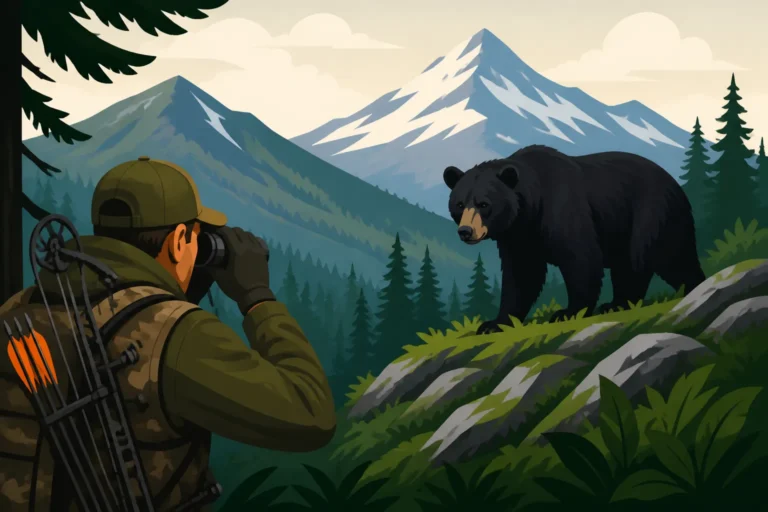
High-quality optics are your best friend when trying to ascertain bear color in the field. Binoculars and spotting scopes allow you to resolve fine details that are invisible to the naked eye. Look for the way light hits the guard hairs versus the undercoat. Often, a bear that appears black from afar will show brown or reddish undertones when viewed through powerful glass, especially along its flanks, shoulders, or legs.
When glassing, try to observe the bear in different orientations to the sun and against different backgrounds. Does its fur still look black when it moves into an open grassy patch compared to when it's in the shadows of the timber? Pay attention to the tips of the fur – do they have a lighter, almost frosted appearance, indicating a different color phase? Remember that even the best optics can't entirely negate the effects of poor light, but they significantly improve your chances of making an accurate call. For those pursuing spring bear, this is especially important when Spotting Bears on Green-Up Slopes where varying light conditions are common.
Documenting Observations with Tools like GoHunt
In today's hunting world, technology offers powerful tools to enhance your field observations. Platforms and apps like GoHunt can be invaluable for documenting your sightings. You can use their mapping features to mark the precise location where you saw a bear, noting its estimated size, behavior, and, crucially, its color phase. Taking photos through your spotting scope (digiscoping) can also provide a record to review later, helping you confirm your initial assessment or even get a second opinion from hunting partners.
This practice of documenting can help you identify patterns over time. If you consistently observe cinnamon bears in a particular drainage, it reinforces the genetic prevalence in that area. GoHunt's data layers, combined with your personal observations, can help you build a more comprehensive understanding of bear distribution and characteristics in your chosen hunting unit. It turns your scouting into a more scientific and structured process, allowing you to track bear activity and even plan future hunts based on previous encounters.
| Color Phase | Description | Commonness in Oregon | Key Identifying Features | Typical Habitat Associations |
|---|---|---|---|---|
| Black | Deep, inky black to very dark brown; can have subtle reddish sheen in sun. | Most Common | Uniformly dark coat, often appearing "wet" or slick; dark muzzle. | Dense timber, coastal forests, high Cascades |
| Chocolate | Rich, dark brown, like dark cocoa; distinctly warmer than black. | Moderately Common | Noticeably brown, especially in good light; not reddish. | Mixed forests, eastern slopes, dry areas |
| Cinnamon | Light reddish-brown to bright rust; can be quite vibrant. | Moderately Common | Distinctly reddish tones; often contrasts sharply with green. | Eastern Oregon, drier forests, open areas |
| Blonde/Cream | Pale yellow, light tan, or off-white; rarely pure white. | Rare | Very light fur; usually still has dark nose/eyes (not albino). | Highly localized genetic occurrences |
| Grizzled | Dark body with lighter, often grayish, tips on guard hairs. | Varies by age | "Salt and pepper" appearance, especially on shoulders/muzzle. | Can occur in any color phase, common on older bears |
Oregon's Bear Management and Color Phases
The Oregon Department of Fish and Wildlife (ODFW) manages black bear populations across the state, and while individual coat colors don't typically dictate specific management strategies, understanding the broader genetic diversity is still important. Management efforts focus on maintaining healthy, sustainable populations, and that means looking at the big picture of bear health and distribution, irrespective of a specific animal's hue.
Population Surveys and Harvest Data
ODFW conducts various population surveys, including track counts, hair snare studies, and public sighting reports, to estimate Black Bear Populations Across Oregon. While these surveys don't specifically target different color phases, the observation of varying colors contributes to the overall understanding of genetic diversity within the population. Harvest data collected from hunters also provides valuable insights into population trends, age structures, and health indicators.
Hunters are required to report their bear harvest, and while the reporting system doesn't typically ask for the exact color phase, the collective knowledge from hunters in the field contributes to a broader understanding of what bears are present in different units. This data, alongside other scientific methods, helps ODFW set appropriate tag numbers and seasons, ensuring that bear hunting remains sustainable year after year.
Conservation Efforts and Genetic Diversity
Conservation efforts for black bears in Oregon are generally focused on habitat preservation, managing human-bear conflicts, and ensuring healthy population numbers. The genetic diversity represented by the various color phases is a natural and healthy aspect of the species. Maintaining this diversity is crucial for the long-term resilience of the bear population, allowing them to adapt to changing environmental conditions.
The presence of diverse color phases suggests a healthy gene pool, rather than a bottleneck that might lead to a lack of genetic variation. This natural genetic variability is a strong indicator of a robust and adaptable species. While ODFW isn't actively managing for specific color phases, the inherent diversity contributes to the overall health and vitality of Oregon's black bear populations, a key aspect of successful wildlife management.
Reporting Sightings to ODFW
Hunters and outdoor enthusiasts play a vital role in wildlife management through their observations. If you encounter a particularly unique color phase bear, or simply have observations about bear activity in an area, reporting this to ODFW can be helpful. While not always directly tied to immediate management decisions, collective anecdotal evidence and detailed sightings contribute to the agency's overall understanding of bear distribution and characteristics.
It's also important to remember the ethical responsibility of reporting any signs of sick or injured animals. If you see a bear, regardless of its color, exhibiting unusual behavior or showing signs of illness, it's crucial to know about Reporting a Sick Animal to ODFW. This ensures that wildlife managers can investigate and take appropriate action if necessary, protecting the health of the broader wildlife population. Your role as an informed and observant outdoors person extends beyond the hunt itself.
Disclaimer
This guide is intended for informational purposes only and is not a substitute for official Oregon Department of Fish and Wildlife (ODFW) regulations. Hunting laws and regulations can change, and it is the responsibility of every hunter to consult the most current ODFW hunting regulations pamphlet before going afield. Always prioritize safety, ethical hunting practices, and compliance with all applicable laws.