Elk Calf Survival and Predation in Oregon
It's incredibly frustrating, isn't it? You spend hours scouting, pour over maps, and finally draw that coveted elk tag, only to find yourself wondering where all the young elk have gone. The health of our elk herds, especially the future generations, weighs heavily on every hunter and conservationist in Oregon. This guide is dedicated to shedding light on the complex and often harsh realities of elk calf survival and the significant role that predation plays in the Beaver State's diverse landscapes.
The Critical Window: Early Life Challenges for Elk Calves
The first few weeks of an elk calf's life are arguably the most perilous. Born small and vulnerable, they face an immediate gauntlet of challenges that can determine whether they'll ever grow to be a part of the breeding herd or a magnificent bull. Understanding these early struggles helps us appreciate the resilience of these animals and the intricate balance of nature.
Birth Timing and Vulnerability
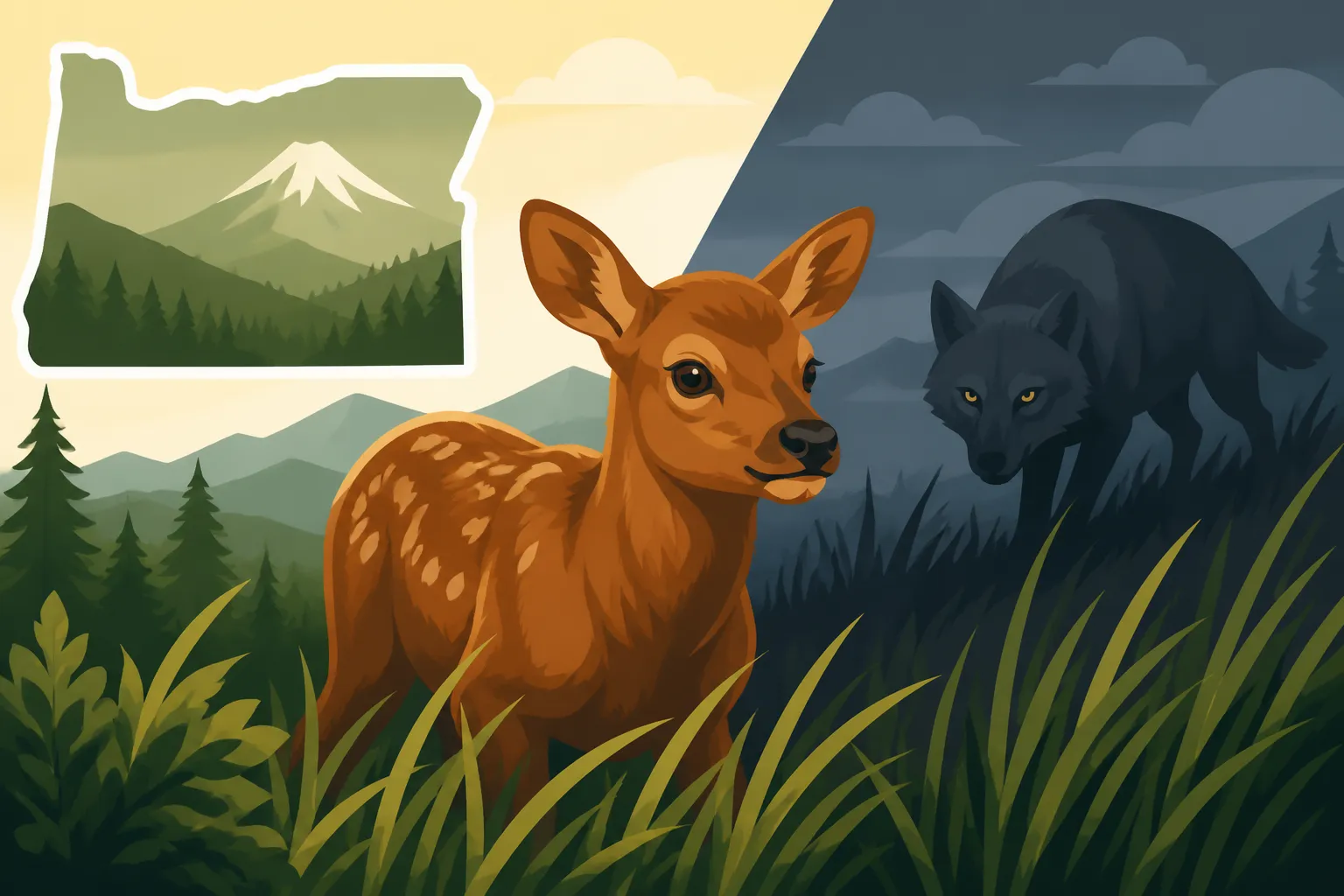
Elk calves typically arrive in late May and early June across Oregon. This timing isn't arbitrary; it's a finely tuned evolutionary strategy designed to coincide with the flush of green vegetation and abundant forage, providing the nutrient-rich sustenance their mothers need to produce milk. However, this period also marks a time of intense vulnerability. A newborn calf, weighing around 30-40 pounds, is largely defenseless, relying solely on camouflage and its mother's protective instincts.
Imagine a cow elk dropping her calf in the dense understory of the Coast Range, perhaps near a patch of thick sword fern and salal, or tucked away in the shadows of juniper and sagebrush in Eastern Oregon. She chooses these spots for concealment, hoping to keep her little one hidden from the ever-watchful eyes of predators. But even with the best hiding spots, the scent of a newborn can travel, and many predators are actively searching during this vulnerable period. A late cold snap or an unseasonable downpour can also significantly impact a calf's chances, leading to hypothermia or weakening it to the point where it becomes an easier target.
Nutritional Stress on Cows
The health and nutritional condition of a cow elk leading up to calving can dramatically impact her calf's survival. A well-nourished cow is more likely to give birth to a healthier, stronger calf with a higher chance of survival. She'll also produce more milk, which is crucial for the calf's rapid growth in those critical first weeks. Conversely, cows that have endured a harsh winter or faced food scarcity due to poor habitat or overgrazing may enter calving season in a weakened state.
When a cow is under nutritional stress, she might give birth to a smaller, weaker calf, or even one that is stillborn. Furthermore, her ability to lactate effectively can be compromised, stunting the calf's development and making it less able to evade predators. This is a subtle but profound factor that often goes unnoticed by casual observers but is a major component of overall herd health. Programs aimed at improving winter range and calving grounds, like those sometimes highlighted on platforms like GoHunt, can offer insights into areas where habitat quality might influence calf recruitment rates. Improving these areas ensures that our Oregon Elk Herd Numbers by Region remain robust for generations.
Habitat Choices for Calving
The specific locations chosen by cow elk for calving are absolutely vital for calf survival. They seek out areas that offer a combination of dense cover for concealment, proximity to water, and good forage for themselves. In Western Oregon, this might mean thick timber stands with heavy brush, deep ravines, or replanted clearcuts with plenty of natural cover. For Roosevelt Elk in Western Oregon, these dense environments are typical. In Eastern Oregon, where Rocky Mountain Elk in Eastern Oregon roam, cows might favor broken rimrock country, isolated pockets of pine and juniper, or even dense sagebrush flats that offer sufficient hiding spots.
The challenge is that these ideal calving habitats often overlap with prime predator territory. A dense stand of timber might hide a newborn elk calf from a soaring eagle, but it also provides excellent stalking cover for a cougar or a black bear. ODFW studies often focus on identifying these critical calving areas to understand how human activities, such as logging or recreational use, might inadvertently put calves at greater risk by disturbing cows or reducing suitable cover.
Major Predators of Oregon Elk Calves
Let's be blunt: nature is brutal, and predation is a primary driver of elk calf mortality. It’s a fact of life in the wild, and Oregon's diverse predator populations certainly play their role. While it can be tough to witness, these interactions are fundamental to maintaining a healthy ecosystem and prevent overpopulation, which could devastate habitat.
Cougar Predation Dynamics
Oregon's cougars, or mountain lions, are incredibly efficient predators, and elk calves are a significant part of their diet, especially during the spring and early summer calving season. These stealthy hunters possess the perfect combination of strength, agility, and patience to ambush vulnerable newborns. A cougar will often stalk a calving area, waiting for a cow to leave her calf momentarily to feed or water.
Studies have shown that cougars can have a substantial impact on elk calf survival, particularly in areas with high cougar densities. A single cougar's territory can be vast, and they are constantly on the move, making them a pervasive threat. Understanding Cougar Territory Size and Movement is crucial for researchers tracking their impact. They are masters of the ambush, using dense cover to get within striking distance before pouncing. Hunters know this instinctively when they are trying to still-hunt blacktails in thick cover – what hides a deer also hides a predator. It's a challenging dynamic to manage, especially with the ban on hound hunting for cougars in Oregon, which makes population control through hunting much more difficult.
Bear Predation Patterns
While cougars are often spotlighted, black bears are also significant predators of elk calves in Oregon, particularly during the early weeks after birth. Emerging from their dens in spring, bears are hungry and looking for readily available protein. A newborn elk calf, especially one that is weak or has been left alone by its mother, presents an easy meal. Bears are opportunistic omnivores, but they won't pass up fresh meat.
Black bears are common throughout much of Oregon's elk range, from the Coast Range to the Blue Mountains. They are adept at finding calves hidden in dense vegetation, often relying on their keen sense of smell. Research into Bear Diet Through the Oregon Seasons confirms that while berries and vegetation make up a large portion of their diet later in the year, meat, including fawns and calves, is critical during the spring. This predation can be particularly impactful in areas where bear populations are robust and elk calf numbers are already struggling.
Wolf Presence and Impact
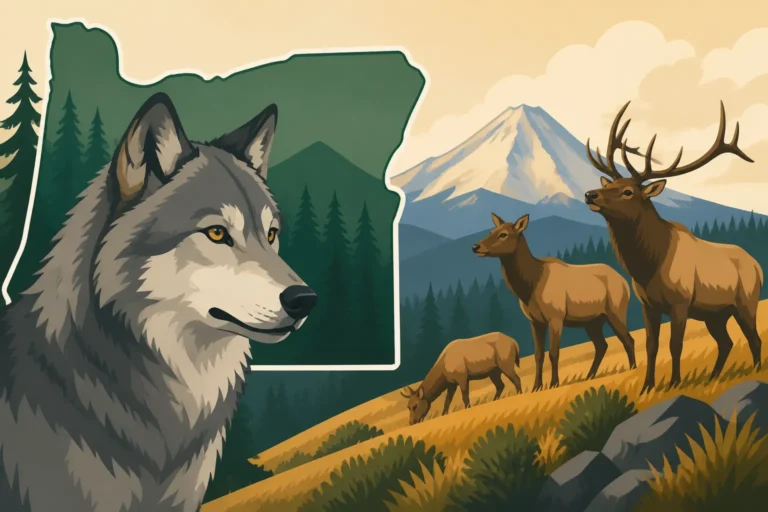
The reintroduction and natural spread of wolves into Oregon, particularly in the eastern regions, has added another layer to the predation dynamics of elk calves. While still relatively localized compared to cougars and bears, wolf packs are highly effective predators of ungulates, and young elk are a key part of their prey base. A wolf pack's coordinated hunting strategy can be devastating to a vulnerable calf.
As Oregon Wolf Pack Numbers continue to grow and expand their territories, their impact on elk calf survival is an ongoing area of research and debate. Unlike solitary cougars or bears, a wolf pack can cover extensive ground and exert constant pressure on elk herds, often leading to increased vigilance and changes in elk behavior. This new variable in the predator-prey equation makes it even more challenging for calves to reach maturity in certain units, and their growing presence is something every hunter needs to be aware of when planning hunts in Eastern Oregon.
Coyote and Bobcat Influence
While not as dominant as cougars, bears, or wolves, coyotes and bobcats also contribute to elk calf mortality, particularly targeting the weakest or smallest calves. Coyotes are especially opportunistic, and a single coyote or a small pack can certainly take down a newborn calf if the circumstances are right. Bobcats, though smaller, are also efficient hunters capable of preying on very young calves.
These smaller predators are more widespread and tend to opportunistically target calves that are truly alone, perhaps separated from their mothers, or already weakened by disease or adverse weather. Their impact is generally considered less significant on overall herd numbers compared to the larger carnivores, but they are part of the complex mosaic of challenges a newborn calf faces. It's a reminder that every creature plays a role in the intricate Predator Prey Balance in Oregon Units.
Non-Predator Factors Affecting Calf Survival
Predation isn't the sole challenge facing Oregon's elk calves. A host of other environmental and biological factors, often interconnected with predation, can significantly reduce their chances of survival. These factors highlight the delicate balance required for elk herds to thrive.
Disease and Parasites
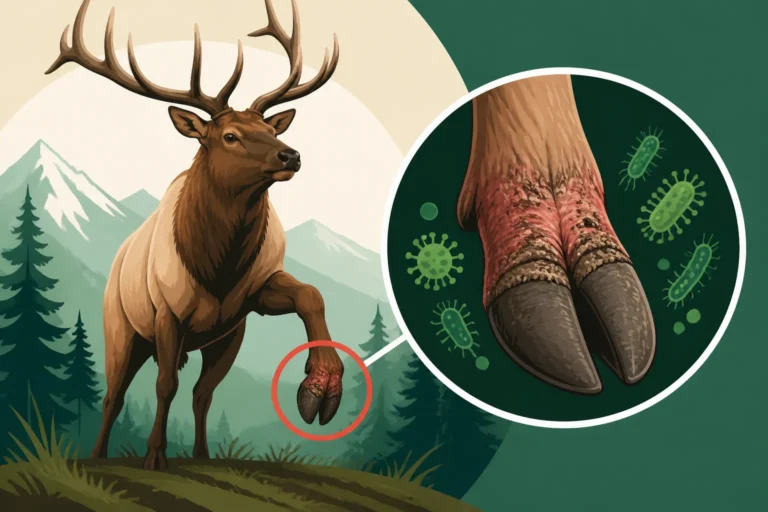
Disease can sweep through an elk herd, weakening animals and making them more susceptible to predation or simply unable to survive. Calves, with their developing immune systems, are particularly vulnerable. One of the most talked-about health issues in Oregon elk is Elk Hoof Disease in Western Oregon. While primarily affecting adults, a cow suffering from this debilitating condition may be less able to protect her calf or lead it to good forage, indirectly impacting its survival. Other respiratory illnesses, internal parasites, or even localized outbreaks of bacterial infections can take a toll on young calves.
A sick calf is a slow calf, and a slow calf is an easy target for any predator. ODFW continuously monitors herd health, and hunters are encouraged to report any signs of unusual illness or mortality. Understanding Oregon Wildlife Disease Surveillance efforts is important for appreciating the challenges biologists face. If you encounter a sick or deceased animal, especially a calf, it’s vital to contact ODFW to help them track potential issues. This goes hand-in-hand with knowing how to appropriately report any observations of Reporting a Sick Animal to ODFW.
Environmental Extremes and Habitat Degradation
Oregon's weather can be unpredictable and harsh, and environmental extremes pose a significant threat to young elk calves. Severe winters can reduce the nutritional reserves of pregnant cows, leading to weaker calves or higher mortality rates among newborns. Late spring cold snaps, heavy snow, or torrential rains can lead to hypothermia in calves that are still struggling to regulate their body temperature.
Beyond immediate weather impacts, long-term habitat degradation is a chronic issue. Loss of quality calving habitat due to development, severe wildfires like the ones that have shaped areas of Eastern Oregon, or unsustainable logging practices can force cows to calve in less secure areas. These less-than-ideal spots might lack adequate cover, be closer to human disturbance, or have poorer forage, all of which reduce a calf's chances. Understanding Elk Behavior After a Wildfire and how elk utilize Hunting a Recent Burn for Elk shows us how adaptable these animals are, but extreme changes can still be detrimental to their most vulnerable.
Human-Caused Mortality
While ethical hunting contributes to herd management, other human-caused factors can negatively impact calf survival. Road mortality, for example, is a consistent, though often unquantified, factor. Calves, being less aware of dangers and less agile than adults, are more likely to be hit by vehicles, particularly on roads that bisect prime elk habitat.
Disturbance from recreational activities like hiking, mountain biking, or off-roading, especially in critical calving areas, can stress cow elk and cause them to abandon or separate from their calves. While most outdoor enthusiasts are respectful, high-traffic areas can inadvertently increase stress on wildlife. This isn't just about direct mortality; constant disturbance can lead to less effective mothering or calves being pushed into less suitable, more exposed areas, ultimately increasing their vulnerability to natural predators.
ODFW Management Strategies and Research
The Oregon Department of Fish and Wildlife (ODFW) is continuously working to understand and manage the complex factors influencing elk calf survival. This isn't an easy task, as it involves balancing ecological realities with public expectations and diverse stakeholder interests.
Monitoring Calf Recruitment Rates
A cornerstone of elk management is diligently monitoring calf recruitment rates, which is essentially the number of calves that survive to a certain age (typically 6 months) per 100 cows. ODFW uses various methods, including aerial surveys and ground observations, to estimate these numbers. Low recruitment rates are a red flag, indicating potential issues within the herd, whether it's excessive predation, poor habitat, or widespread disease. These figures are critical for ODFW to determine tag allocations and overall herd management objectives.
When you look at big game statistics, perhaps on a platform like GoHunt that aggregates public data, these recruitment rates are often presented. They tell a story about the health and sustainability of an elk population. If the numbers consistently dip below a sustainable level, it triggers a deeper investigation into specific local factors. This continuous data collection helps ODFW manage the resource effectively. Understanding How ODFW Counts Big Game offers insight into the monumental effort involved.
Habitat Improvement Initiatives
Recognizing that healthy habitat is the foundation for healthy elk herds, ODFW, often in collaboration with other agencies like the US Forest Service and Bureau of Land Management, and even private landowners, implements habitat improvement projects. These initiatives focus on enhancing forage quality, increasing thermal and hiding cover, and restoring critical calving and wintering grounds. This might involve prescribed burns to rejuvenate vegetation, planting native species, or improving water sources.
By providing better nutrition for cow elk, especially before and during calving season, and ensuring safe, secluded areas for calves to be born and grow, these efforts aim to indirectly boost calf survival rates. It's a long-term strategy that addresses the root causes of vulnerability, making elk herds more resilient against all threats, including predation.
Predator Management and Public Opinion
Predator management is perhaps the most contentious aspect of wildlife conservation. ODFW employs a range of strategies, from monitoring predator populations to, in some cases, targeted removal in areas where predation is clearly identified as the primary limiting factor for a struggling elk herd. However, these decisions are always met with intense public scrutiny and ethical considerations.
The public holds diverse views on predator management. Hunters often advocate for more aggressive predator control to boost ungulate populations, while many non-hunting conservation groups oppose lethal control methods. ODFW must navigate this complex landscape, using the best available science to make decisions that balance the health of both predator and prey populations, while also considering the social tolerance for these actions. It’s a constant tightrope walk, and you'll often see these debates reflected in ODFW commission meetings.
What Hunters Can Do to Support Elk Calf Survival
As hunters, we are often the most invested in the health and future of Oregon's elk herds. Our actions, both in and out of the field, can contribute significantly to the ongoing efforts to ensure robust calf survival and thriving elk populations.
Ethical Hunting Practices
Responsible hunting is more than just following the regulations; it’s about making choices that prioritize the long-term health of the herd. This includes being selective with harvest, especially in areas where calf recruitment is low. Some hunters, particularly when hunting antlerless animals, will avoid shooting cows with very young calves, allowing the calf the best chance to survive its first crucial months. While ODFW does not typically implement restrictions on this, it's an ethical consideration many thoughtful hunters ponder.
Furthermore, minimizing disturbance in critical elk habitat, especially during calving season (late spring to early summer), is paramount. This might mean choosing to scout different areas until later in the summer or being extra cautious about human presence. Good hunters are good conservationists, and that means being aware of our footprint and its potential impact on the most vulnerable members of the herd.
Supporting Conservation Efforts
Financial and vocal support for conservation efforts are crucial. A portion of every hunting license and tag purchase in Oregon goes directly to ODFW for wildlife management and habitat programs. By consistently purchasing licenses and tags, even when you don't draw that coveted tag, you're contributing to these vital efforts. Beyond that, consider supporting organizations that work on habitat improvement, wildlife research, and responsible land management.
Becoming informed about local issues, attending ODFW public meetings, and providing constructive feedback can also make a difference. Websites like GoHunt provide resources for hunters to delve into data, research units, and understand the various factors at play in specific areas. The more informed we are, the better advocates we can be for healthy elk populations and the future of hunting in Oregon. Engaging in volunteer habitat restoration projects, even simple ones like trail maintenance, directly benefits the animals we cherish.
Understanding Data and Trends
It's easy to get caught up in anecdotes or personal observations about elk numbers. However, making informed decisions and being an effective advocate requires understanding the broader data and trends. Familiarize yourself with ODFW's annual reports on elk populations, harvest statistics, and calf recruitment rates for your chosen units. These reports, often available online, provide a more complete picture of herd health than what can be gleaned from a few days in the field.
By understanding how factors like habitat quality, predator populations, and disease outbreaks interact, we can develop a more nuanced perspective on elk calf survival. This deeper knowledge allows us to better grasp the complexities of wildlife management and to support strategies that genuinely benefit the long-term health and sustainability of Oregon's magnificent elk herds. It helps us see beyond just our immediate hunting season and appreciate the generational commitment required for conservation.
Disclaimer
Please remember that hunting regulations, seasons, and wildlife management policies in Oregon can change. Always consult the most current Oregon Department of Fish and Wildlife (ODFW) regulations and resources before planning any hunting activities. This information is for educational and informational purposes only and should not replace official ODFW guidance.