Rocky Mountain Goats in Oregon’s Wallowas
For many devoted hunters, the thought of pursuing a Rocky Mountain Goat in Oregon's breathtaking Wallowa Mountains isn't just a dream—it's the ultimate pinnacle, an aspiration whispered among those who understand the true challenge of the high country. The extreme rarity of drawing one of these coveted tags, coupled with the physically demanding and unforgiving terrain, often leaves hunters feeling overwhelmed by the sheer scale of the endeavor. This comprehensive guide aims to demystify the elusive world of Oregon's Wallowa goats, offering deep insights into their biology, habitat, and the intricate process of securing one of the most sought-after hunting opportunities in the Pacific Northwest.
The Allure of Oregon's Rocky Mountain Goats in the Wallowas
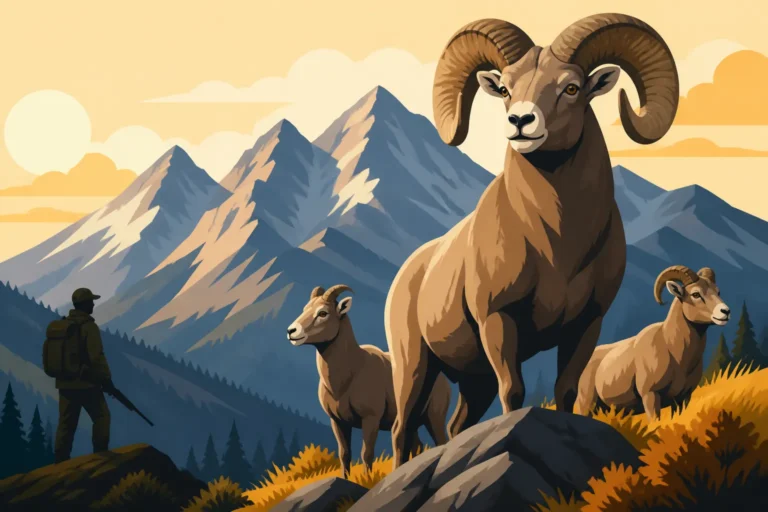
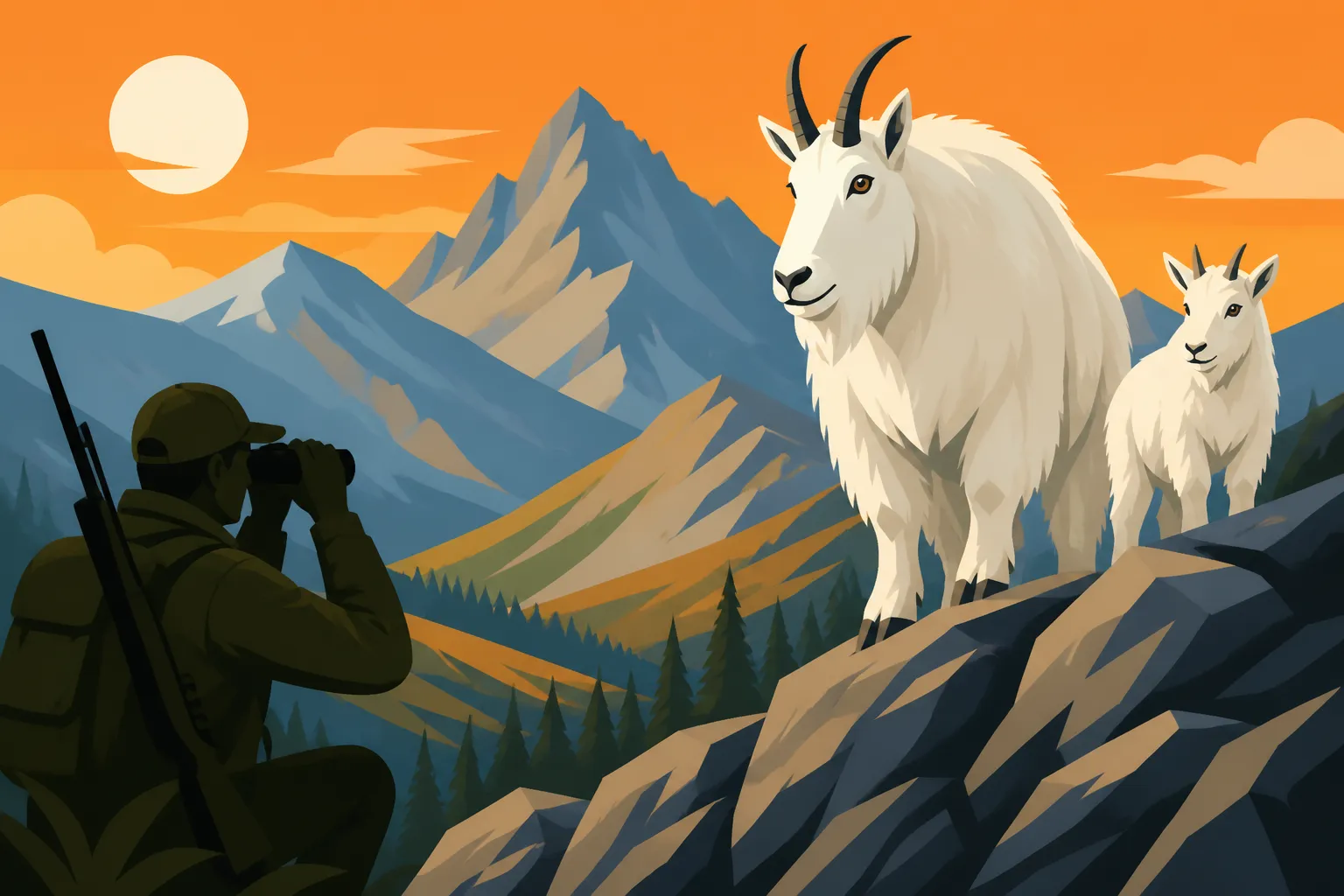
There's something inherently mystical about the Rocky Mountain Goat, an animal perfectly adapted to survive in some of the most inhospitable landscapes on Earth. In Oregon, these majestic creatures make their primary home in the rugged, awe-inspiring Wallowa Mountains, a range often dubbed "Little Switzerland" for its dramatic peaks, deep canyons, and pristine alpine lakes. For hunters, the draw isn't just about the hunt itself, but the profound experience of venturing into these remote, high-altitude realms where the air is thin, and the silence is broken only by the wind and the occasional cry of a hawk.
A Glimpse into the Goat's Domain
The Wallowa-Eagle Cap Wilderness, a designated federal wilderness area, provides the core habitat for Oregon's self-sustaining population of Rocky Mountain Goats. These aren't just any mountains; they are a sprawling expanse of jagged granite, talus slopes, and windswept ridges that rise dramatically from the lower timberline. Within this harsh environment, goats find everything they need: abundant forage, escape terrain from predators, and secluded areas for kidding. Accessing this domain is a test of will and endurance, often requiring multi-day backpacking trips deep into the backcountry, far from roads and services. It's a place where you quickly learn the meaning of self-reliance and humility in the face of nature's grandeur.
The elevation ranges from around 4,000 feet in the valley bottoms to nearly 10,000 feet at the highest peaks, offering a diverse array of microclimates and vegetation zones. You'll find dense subalpine fir and lodgepole pine forests giving way to open meadows, then transitioning to barren rock and snowfields above the tree line. This vertical stratification means that while you might start your day hiking through lush green valleys, you'll likely spend your hunting efforts scrambling over scree fields and navigating sheer cliffs. Understanding the topography and vegetation patterns is crucial for any hunter hoping to locate these masters of the vertical world.
The Iconic Challenge They Represent
Hunting a Rocky Mountain Goat in the Wallowas is not just about pulling a trigger; it's an epic journey that truly embodies the spirit of mountain hunting. These animals are incredibly resilient, living in a world that would defeat most other species. Their agility and natural camouflage make them notoriously difficult to spot, let alone approach, in their preferred rocky haunts. The physical demands are immense: steep ascents, precarious traverses, and unpredictable weather can turn a fair-weather day into a dangerous ordeal in a matter of hours.
Beyond the physical exertion, there's a significant mental component. The sheer scale of the wilderness can be daunting, and the isolation demands a level of self-sufficiency that many modern hunters rarely encounter. Drawing a tag for a Wallowa goat is akin to winning a lottery, and if you're fortunate enough to be selected, the responsibility to be fully prepared, physically, mentally, and ethically, is paramount. This hunt will push you to your limits, test your resolve, and ultimately reward you with an unparalleled sense of accomplishment, whether or not you fill your tag. It's a true wilderness experience that few hunters ever get to witness firsthand.
Biology and Behavior of Wallowa Goats
To truly appreciate the Rocky Mountain Goat and increase your chances of success in the Wallowas, it’s vital to understand their unique biology and behavior. These aren't just shaggy white animals; they are marvels of evolution, exquisitely designed for life in some of the planet's most extreme alpine environments. Their adaptations, social structures, and foraging strategies all contribute to their remarkable survival.
Physical Adaptations for Extreme Terrain
Rocky Mountain Goats possess an array of specialized physical characteristics that allow them to thrive where other ungulates would perish. Perhaps most striking are their hooves. Unlike the broad, cloven hooves of deer or elk, goat hooves are a two-part marvel, featuring hard, sharp outer edges for traction on rock and soft, rubbery inner pads that conform to irregularities in the terrain, acting like natural suction cups. This unique design grants them incredible grip, enabling them to navigate seemingly impossible ledges, sheer cliffs, and slippery talus slopes with uncanny ease. They are truly the mountaineers of the animal kingdom.
Their dense, shaggy white coats provide exceptional insulation against the fierce winds, freezing temperatures, and heavy snowfalls common in the high Wallowas. This double layer of wool and guard hairs sheds water, keeps them warm in blizzards, and provides camouflage against snowfields and granite. Unlike deer or elk, goats carry this heavy coat year-round, shedding some of the underfur in summer, but always maintaining a substantial barrier against the elements. Their short, sharp black horns are also crucial, used for defense against predators like cougars or bears, and for establishing dominance within their herds, especially during the rut. If you're lucky enough to draw a tag, you'll quickly see why proper Rifle Calibers That Suit Oregon Elk might need to be reconsidered for a goat hunt, focusing on precision and ethical dispatch in challenging angles.
Social Structures and Seasonal Movements
Rocky Mountain Goats generally live in small, often segregated herds, though they are not as tightly knit as some other herd animals. Nannies (females) typically lead groups of other nannies and their offspring (kids and yearlings), while billies (males) often form bachelor groups or are more solitary, especially older, mature males. This social structure helps minimize competition for resources and may reduce predator pressure on the vulnerable young. During the rut, which occurs from November into early December, billies will join nanny groups, and intense head-to-head battles can ensue as males compete for breeding rights.
Their seasonal movements are primarily dictated by forage availability and security. In spring, as snow begins to melt and new vegetation emerges, goats will descend to slightly lower elevations to access fresh green-up, often staying above the timberline but moving to south-facing slopes. As summer progresses, they climb back to the highest alpine reaches, seeking cooler temperatures and exploiting the abundant alpine wildflowers and grasses. In winter, they tend to remain high on windswept ridges where snow is blown away, exposing critical forage, or they might move to steep, south-facing rock walls that shed snow quickly. Understanding these patterns is key to E-Scouting Oregon Units With Satellite Imagery before you even set foot on the mountain.
Diet and Foraging Habits in Alpine Environments
Given their harsh environment, Rocky Mountain Goats are remarkably adaptable foragers. Their diet primarily consists of a variety of grasses, forbs (herbaceous flowering plants), lichens, and even some woody browse. In the Wallowas, they consume what's available in the alpine and subalpine zones, which includes a surprising diversity of plants. They are opportunistic feeders, taking advantage of whatever vegetation grows among the rocks and in sparse alpine meadows. Their digestive systems are highly efficient, allowing them to extract maximum nutrients from low-quality forage.
You’ll often observe them grazing slowly, meticulously picking through rocky slopes. They are not fast-moving grazers like elk; instead, they take their time, methodically covering small areas. This behavior, coupled with their exceptional eyesight, means they are constantly aware of their surroundings, making them difficult to surprise. When disturbed, they typically opt to climb higher into more inaccessible terrain rather than fleeing across open ground. This flight response to higher ground is a critical behavior for hunters to understand, as it dictates approach angles and tactical considerations. Knowing their preferred feeding areas and how they react to pressure will be crucial once you are on the ground.
Population Dynamics and Herd Health in the Wallowas
The story of Rocky Mountain Goats in Oregon is one of successful reintroduction and careful management. While they once roamed parts of the state historically, they were extirpated by the early 20th century. Their return to the Wallowas is a testament to dedicated conservation efforts, and maintaining a healthy, self-sustaining population remains a top priority for wildlife managers.
Historical Reintroductions and Current Population Estimates
Oregon's current Rocky Mountain Goat population in the Wallowas originates from reintroductions that began in the 1950s and continued into the 1980s. Goats were transplanted from other healthy populations in Montana, Washington, and British Columbia into various sites within the Eagle Cap Wilderness. These initial releases were painstakingly monitored, and over decades, the goats slowly but surely established themselves, learning to navigate the unique challenges of the Wallowas. This careful process allowed the herd to grow from a few dozen animals to a robust, free-ranging population.
Today, the Oregon Department of Fish and Wildlife (ODFW) actively monitors the Wallowa goat population through aerial surveys, ground observations, and remote cameras. While exact numbers fluctuate annually, the population has generally remained stable, often estimated to be in the range of 100-200 animals, spread across the vast and rugged terrain of the Eagle Cap. This relatively small, but genetically healthy, population supports the extremely limited hunting opportunities available. Each year, only a handful of tags are issued, emphasizing the species' protected status and the ODFW's conservative management approach to ensure long-term sustainability.
Factors Affecting Goat Survival: Predation, Disease, and Habitat
Despite their impressive adaptations, Wallowa mountain goats face a number of threats that influence their survival rates. Predation is a natural part of the ecosystem, with cougars being their primary predator. While goats are adept at using escape terrain, a determined cat can still take down a kid or an older, weaker animal. Bears, particularly black bears, might also prey on young kids, though this is less common. Understanding where Cougar Territory Size and Movement overlaps with goat habitat can offer clues to their behavior.
Disease, though less frequently observed than in some other ungulate populations, can also impact goat health. Respiratory diseases are a concern, as is the potential for transmission from domestic livestock, although the remote nature of much of the Wallowa goat habitat mitigates some of this risk. Habitat quality is another crucial factor. While the Wallowas offer vast suitable terrain, events like severe wildfires or extended drought periods could impact forage availability. However, due to their generalist diet and mobility, goats are quite resilient to localized habitat changes. Continued conservation efforts focus on maintaining habitat integrity and minimizing human disturbance in critical areas.
ODFW Management Strategies for Sustaining the Herd
The Oregon Department of Fish and Wildlife employs a highly conservative management strategy for Rocky Mountain Goats, reflecting their status as a rare and cherished species. The overarching goal is to maintain a healthy, viable population within the Wallowas while providing limited, high-quality hunting opportunities. This involves careful monitoring of population trends, herd health assessments, and habitat evaluations. The number of tags issued each year is deliberately kept very low, often just one or two, to ensure that harvest rates are well below sustainable limits.
Furthermore, ODFW focuses on ensuring that hunters who draw a tag are well-informed and committed to ethical hunting practices. The "once-in-a-lifetime" rule for goat tags (which we'll discuss in detail shortly) also contributes to this conservation-minded approach, spreading the opportunity among a broader base of hunters over time. These strategies aim to balance recreational hunting with the long-term ecological health of this iconic species, ensuring that Rocky Mountain Goats continue to be a vibrant part of Oregon's wild heritage for generations to come. For more information on ODFW’s broader approach to managing these unique animals, you might look into Oregon Mountain Goat Herd Growth Since Reintroduction.
The Oregon Rocky Mountain Goat Tag: A True Unicorn Draw
If you're dreaming of hunting a Rocky Mountain Goat in Oregon, you need to understand one fundamental truth: it's incredibly difficult to draw a tag. These are arguably the rarest big game tags in the state, making them a true "unicorn" hunt that few hunters ever experience. The application process is unique, and patience is not just a virtue, it's a prerequisite.
Understanding the Once-in-a-Lifetime Rules
One of the most significant aspects of Oregon's Rocky Mountain Goat tag is the "once-in-a-lifetime" rule. This means that if you are fortunate enough to draw and harvest a Rocky Mountain Goat in Oregon, you are no longer eligible to apply for or hold another Oregon Rocky Mountain Goat tag for the remainder of your life. This policy is in place to ensure that the extremely limited opportunities are distributed as widely as possible among the hunting community, allowing more individuals to experience this unique hunt over time. It underscores the precious nature of this resource and the state's commitment to equitable distribution of rare tags.
This rule makes the draw even more intense for those applying. Unlike Oregon Controlled Hunt Draw Explained for deer or elk where you might draw multiple times over a lifetime, a goat tag is a one-and-done deal. This also means that if you draw, you want to be absolutely, unequivocally prepared to make the most of that singular opportunity. It’s not a hunt you can take lightly or one where you can afford to cut corners on preparation. The stakes are incredibly high, not just in terms of personal effort and cost, but also in the knowledge that this is your one shot at an Oregon goat.
Applying for the Highly Coveted Wallowa Goat Tag
Applying for an Oregon Rocky Mountain Goat tag follows the general framework of the Oregon controlled hunt draw, but with critical differences due to the once-in-a-lifetime status and the extreme rarity. The application period usually aligns with the primary big game draw, with the deadline typically around May 15th. You'll apply through ODFW's online licensing system, and you'll need a valid hunting license. The process involves selecting your hunt choice, which, for goats, usually means selecting from one of the incredibly limited Wallowa Mountain hunts.
Because goat tags are so rare, and there are no preference points for them in the same way there are for deer or elk (we'll dive into this more in the next section), every applicant essentially starts on an even playing field each year. This means your chances are incredibly slim, often less than 1% for residents, and even lower for non-residents if any non-resident tags are available. You'll want to carefully review the current year's hunting regulations pamphlet, which outlines the specific hunt numbers, application fees, and any changes to the draw process. Consulting resources like GoHunt can provide valuable data-driven insights into historic draw odds and application trends, even for these ultra-rare tags, helping you understand just how competitive the field truly is.
Demystifying the Draw Odds and Preference Point System
Here’s where the Oregon Rocky Mountain Goat draw truly diverges from other species. For goats and bighorn sheep, Oregon operates on a pure lottery system, meaning there are no preference points or bonus points that accumulate year after year to improve your odds. Every applicant who applies each year has an equal chance, regardless of how many times they've applied in the past. This is a stark contrast to the Oregon Preference Points and How They Work system for deer and elk, where accumulating points significantly increases your statistical chance of drawing.
This "no points" system for goats can be both frustrating and liberating. Frustrating because it means you could apply for 30 years and never draw, simply due to random chance. Liberating because it means a first-time applicant has the exact same odds as someone who's been applying for decades. The draw is purely random. Typically, Oregon offers only one or two tags for Rocky Mountain Goats annually, and these are often designated for specific units within the Wallowas, such as the Wallowa or Imnaha units. Non-residents face even steeper odds, as only a small percentage (if any) of total tags are allocated to them. To truly grasp the difficulty, looking at Oregon Mountain Goat Draw Odds from previous years can be quite sobering, often showing tens of thousands of applicants for a single tag. It's truly a once-in-a-lifetime opportunity in more ways than one.
| Hunt Unit (Typical) | Tags Available Annually (Approx.) | Resident Applicants (Recent Avg.) | Non-Resident Applicants (Recent Avg.) | Resident Draw Odds | Non-Resident Draw Odds |
|---|---|---|---|---|---|
| Wallowa/Imnaha | 1-2 | 10,000 – 15,000 | 1,500 – 2,500 | <0.01% | <0.001% |
Note: These numbers are generalized and approximate based on recent ODFW draw reports. Specific tag numbers and applicant figures vary year-to-year. Always consult the current year's ODFW Big Game Regulations for precise information.
Preparing for a Wallowa Mountain Goat Hunt: Beyond Physical Fitness
Drawing an Oregon Rocky Mountain Goat tag is just the first step in an extraordinary journey. The real work begins immediately after the draw results are released. This isn't your average deer hunt; it's an extreme athletic endeavor coupled with rigorous logistical planning. Preparation for a Wallowa goat hunt transcends mere physical fitness, demanding mental fortitude, specialized gear, and a deep understanding of backcountry operations.
Gear Considerations for Alpine Hunting
Your gear for a Wallowa goat hunt will be significantly different from what you'd pack for a low-elevation deer or elk hunt. Every item must be lightweight, durable, and capable of performing in the harshest alpine conditions.
Backpack and Shelter: A robust, expedition-grade backpack (75-100+ liters) is essential to carry several days' worth of food, water, and survival gear, plus the potential weight of a cape, skull, and meat. Your shelter needs to withstand high winds, heavy rain, and even early-season snow. A four-season mountaineering tent or a durable ultralight shelter is a must. Remember, you'll be setting up Backpack Camps in Oregon Wilderness in extremely exposed and rugged areas.
Clothing System: Layering is paramount. Start with moisture-wicking synthetics or merino wool base layers. Add insulating mid-layers like fleece or down/synthetic puffy jackets. Your outer shell must be waterproof and windproof. Forget water-resistant; you need fully waterproof Rain Gear That Actually Stays Dry to survive the unpredictable Wallowa weather. Expect rapid temperature swings, from warm sunshine to freezing rain or snow in minutes, even in August or September.
Footwear: Mountaineering boots with stiff soles and good ankle support are non-negotiable. You'll be traversing loose scree, steep rock, and potentially snowfields. Break them in well before your hunt to avoid debilitating blisters. Gaiters are also highly recommended to keep debris out of your boots and offer extra protection against wet brush.
Optics: High-quality optics are critical for spotting goats at extreme distances in their camouflaged environment. A 10x-15x binocular is a minimum, mounted on a tripod for stability. Many goat hunters also bring a spotting scope (20x-60x or higher) to evaluate trophy quality and confirm species (nanny vs. billy) from afar. A reliable rangefinder that performs well in steep country is also crucial. GoHunt's gear reviews and recommended packing lists can be a great resource for optimizing your setup.
Navigation and Safety: Beyond maps and compass, a reliable GPS unit or a mapping app like onX on your phone (with downloaded offline maps) is essential. A satellite communication device (like a Garmin inReach or Zoleo) for emergency communication is a must, as cell service will be nonexistent. A comprehensive First Aid Kit Items for a Remote Hunt tailored for backcountry emergencies, including trauma supplies, should always be with you.
Essential Physical and Mental Conditioning
The Wallowa goat hunt is often compared to a mountaineering expedition. Physical conditioning needs to start months, if not a year, in advance.
Cardiovascular Endurance: Focus on intense cardio that simulates mountain climbing. Hiking steep trails with a heavy pack (30-50 lbs) is the gold standard. Incorporate stair climbing, trail running, and vigorous cycling. Aim for sessions of 1-3 hours, 3-5 times a week, gradually increasing intensity and duration. Remember, you're not just hiking; you'll be ascending thousands of feet daily in thin air. Building this kind of endurance is even more critical than for something like Physical Training for an Oregon Elk Hunt.
Strength Training: Emphasize core strength, leg strength (quads, hamstrings, glutes), and ankle stability. Incorporate squats, lunges, step-ups, and plyometrics. A strong core will help you maintain balance on uneven terrain and prevent injury while carrying heavy loads. Don't neglect upper body strength, as you'll be using trekking poles and potentially scrambling with your hands.
Mental Fortitude: This is where many hunts are won or lost. The Wallowas are vast, and goats can be elusive. You'll face fatigue, frustration, adverse weather, and the psychological toll of being deep in the wilderness. Practice mindfulness, develop problem-solving skills, and cultivate a "never give up" attitude. Visualization, picturing yourself successfully navigating challenges, can also be beneficial. The ability to stay positive and focused when conditions are at their worst is as important as your physical prowess.
Navigating the Rugged Wallowa-Eagle Cap Wilderness
The Wallowa-Eagle Cap Wilderness is truly wild, and navigation can be a serious challenge. Trail systems exist, but they are often steep, rocky, and can become indistinct, especially in high alpine areas or after snow.
Topographic Maps and GPS: Always carry detailed topographic maps and a compass, and know how to use them, even if you rely heavily on GPS. Batteries can die, and electronics can fail. Learning to read terrain features on a map and correlate them with your surroundings is a fundamental survival skill. A good GPS or phone app with downloaded offline maps can show your precise location, track your movements, and mark waypoints for potential goat sightings or escape routes. This is vital for Finding Your Old Oregon Unit on the New Map or for navigating within the specific wilderness hunt area.
Route Finding and Safety: The Wallowas demand meticulous route finding. Avoid overly ambitious shortcuts that might lead to cliff-outs or dangerous exposure. Always assess the terrain ahead and choose the safest path, even if it means adding extra distance. Pay close attention to weather forecasts, but be prepared for sudden changes. High winds and lightning are real dangers in exposed alpine areas. Always have a bailout plan and know your nearest escape routes. Being knowledgeable about Oregon Wilderness Rules That Ban Motorized Carts is important, as you'll be packing everything on your back or with approved pack stock.
Wildlife Encounters: While goats are your primary focus, you'll be sharing their habitat with other wildlife, including black bears and cougars. Know how to properly store food to avoid attracting bears, and be aware of proper protocols for bear and cougar encounters. The wilderness is a dynamic environment, and being prepared for all possibilities, not just finding a goat, is crucial for a safe and successful hunt.
Ethical Hunting and Conservation: Preserving Oregon's Mountain Goat Legacy
Successfully drawing and preparing for a Wallowa goat hunt is a monumental achievement. But the responsibility doesn't end there. Ethical hunting practices and a commitment to conservation are paramount, especially when pursuing such a rare and iconic species in a pristine wilderness environment.
Shot Placement and Recovery in Steep Terrain
When the moment of truth arrives, precise shot placement is absolutely critical. Goats, with their thick hide and dense bone structure, are tough animals. Their relatively small vital zone, coupled with the often-extreme shooting angles in steep terrain, makes a clean, ethical kill paramount. Practice shooting at various inclines and declines, simulating real-world hunting scenarios. Understanding the anatomy of a goat and aiming for the heart-lung area, just behind the shoulder, is vital. Remember, a goat that drops on a steep slope can easily tumble hundreds or even thousands of feet, potentially damaging the trophy or making recovery impossible.
Consider the consequences of your shot. Is there a safe backdrop? Will the goat fall into an unrecoverable position? Sometimes, passing on a questionable shot, even if it means a long wait or a lost opportunity, is the most ethical decision. If a goat is hit, immediate and diligent tracking is essential. Blood Trailing in Sword Fern and Salal might be for blacktails in the Coast Range, but the principle of thorough recovery applies equally, if not more, so in the Wallowas, albeit on different terrain. Your commitment to recovering the animal you pursue must be absolute, regardless of the difficulty or danger involved.
Respecting the Wilderness and Pack-It-In, Pack-It-Out Principles
Hunting in the Wallowa-Eagle Cap Wilderness means adhering to strict Leave No Trace principles. This is not just a suggestion; it's a fundamental expectation for anyone venturing into these protected lands. Everything you pack in, you must pack out – this includes all trash, spent casings, and even organic waste like orange peels or apple cores. Human waste should be properly buried away from water sources, or preferably, carried out using designated waste bags, especially in high-use or sensitive areas.
Minimize your impact on the landscape. Stick to established trails where possible, and when traveling off-trail, spread out to avoid creating new paths. Keep campfires small and contained, or better yet, use a stove for cooking to reduce fire risk, especially in dry years. Respect wildlife by maintaining a safe distance and never disturbing their natural behaviors. The goal is to leave the wilderness exactly as you found it, preserving its pristine beauty for future generations of wildlife and wilderness enthusiasts. This is particularly important in areas with Oregon Wilderness Group Size Rules and sensitive ecosystems.
Contributing to Future Goat Conservation Efforts
Drawing an Oregon Rocky Mountain Goat tag provides a unique opportunity to directly contribute to the conservation and management of this incredible species. Mandatory harvest reporting is a critical component of ODFW's data collection efforts. After a successful hunt, you are required to report your harvest by the specified deadline. This information, including the location, date, sex, and age of the animal, provides invaluable data for wildlife biologists to assess herd health, population trends, and the effectiveness of management strategies. This is a non-negotiable step and helps prevent penalties, as outlined in Oregon Mandatory Harvest Reporting and the $25 Penalty.
Beyond reporting, consider becoming involved in conservation organizations that support mountain goat populations and their habitats. Your hunting license fees and tag purchases already contribute significantly to wildlife management, but additional involvement can include volunteering for habitat restoration projects, participating in citizen science initiatives, or advocating for responsible land use policies. By embracing your role as a conservationist, you help ensure that the legacy of Rocky Mountain Goats in Oregon's Wallowas continues to thrive, offering future generations the same awe-inspiring opportunities you've been granted.
Disclaimer
Please remember that hunting regulations and seasons can change frequently. Always consult the most current Oregon Department of Fish and Wildlife (ODFW) regulations pamphlet before planning any hunting trip. This guide is for informational purposes only and does not supersede official ODFW regulations. Ensure you have all necessary licenses, tags, and permits before entering the field.