Roosevelt Elk in Western Oregon
Hunting Roosevelt elk in the dense, rain-soaked forests of Western Oregon can feel like trying to find a ghost in a green labyrinth. The sheer thickness of the timber, the relentless rain, and the often-steep, unforgiving terrain present unique challenges that can frustrate even the most seasoned hunter. This comprehensive guide is here to unravel the mysteries of these magnificent creatures and equip you with the knowledge and strategies needed to successfully pursue Roosevelt elk in their natural, rugged domain.
Understanding the Roosevelt Elk in Western Oregon
When we talk about elk in Oregon, it's crucial to understand we're dealing with two distinct subspecies: the Rocky Mountain elk in the drier, open country east of the Cascades, and the Roosevelt elk, which dominate the western side. These aren't just minor differences; they influence everything from their behavior to the strategies you'll employ to hunt them.
Physical Characteristics and Size
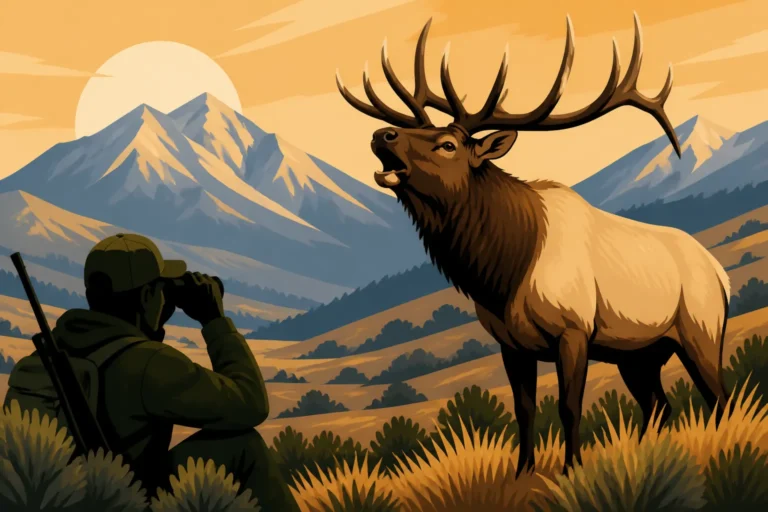
Roosevelt elk, often called "Roosie" elk by locals, are true giants of the forest. They are typically larger in body size than their Rocky Mountain cousins, adapted to pushing through dense undergrowth and navigating steep, broken terrain. While a Rocky Mountain bull might have a wider, more open antler spread, a mature Roosevelt bull often boasts a more compact, heavy rack with deep mass and long, sweeping points that often grow forward, almost reaching their nose. It's a structure built for fighting in tight quarters, and seeing one emerge from the fog-shrouded timber is an unforgettable experience.
A mature Roosevelt bull can easily tip the scales at 800-1,000 pounds, with some reaching even greater weights. This immense size is a testament to the rich, year-round forage available in the temperate rainforests they call home. The sheer power required to push through thickets of salal, sword fern, and vine maple is incredible, and their large bodies are perfectly suited for it. Don't underestimate the task of retrieving an animal this size from steep, remote country.
Their coloration tends to be a darker, richer brown compared to the lighter tan of Rocky Mountain elk, another adaptation for blending into the deep shadows of the old-growth forests and clearcuts. The impressive body mass and unique antler characteristics make them a highly sought-after trophy for many hunters, but it's their elusive nature that truly defines the challenge.
Roosevelt Elk Range and Habitat
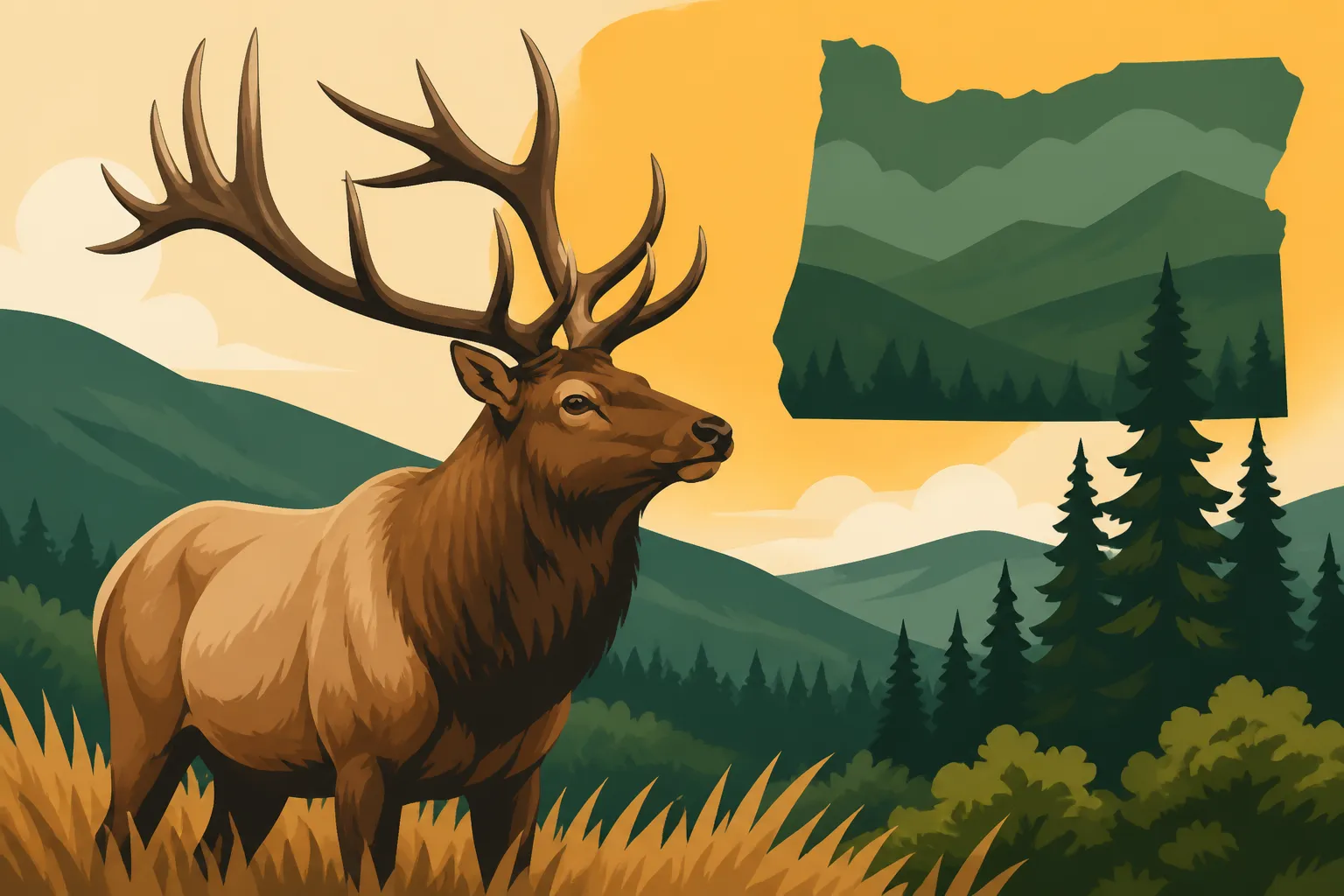
Western Oregon is synonymous with Roosevelt elk country. Their primary strongholds lie within the Coast Range, extending from the Columbia River south into Northern California, and along the western slopes of the Cascade Mountains. You'll also find pockets of them in the fertile Willamette Valley and the Umpqua and Rogue River drainages. This isn't the open sagebrush country of Eastern Oregon; this is a world of towering Douglas fir, hemlock, and cedar, often shrouded in fog and perpetually damp.
Their habitat is characterized by a mix of dense, mature timber, thick second-growth forests, and a patchwork of clearcuts. These clearcuts, especially those a few years old, provide critical forage, but the elk quickly retreat into the security of the deep timber or riparian zones at the first sign of pressure. The intricate network of logging roads, often gated, provides crucial access for hunters but also creates a challenge for understanding public versus private land. Knowing how to navigate these complex landscapes, perhaps with tools like the detailed satellite imagery and property line overlays found on GoHunt, is absolutely essential.
River drainages and steep, brushy canyons offer both cover and escape routes, making these areas prime for finding elk. They thrive in areas with constant moisture, which keeps the undergrowth lush and provides abundant food sources year-round. This preference for thick, wet cover means that while elk populations are healthy in many Western Oregon units, actually spotting and stalking them requires a completely different approach than hunting their plains-dwelling counterparts.
Herd Behavior and Social Structure
Roosevelt elk, like all elk, are social animals, but their behavior is heavily influenced by their dense environment. Cow-calf herds, often numbering anywhere from a handful to a few dozen animals, typically stick to the thickest cover, moving cautiously between feeding and bedding areas. They are masters of stealth, capable of disappearing into seemingly impenetrable brush with surprising speed and silence.
Mature bulls will often form bachelor groups outside the rut, seeking out even denser, more remote pockets of timber, often at higher elevations, where they can feed and grow their antlers undisturbed. As the rut approaches in late August and September, these bulls begin to spread out, seeking out cow herds. Unlike Rocky Mountain bulls who might gather massive harems in open country, Roosevelt bulls often run smaller groups of cows, frequently moving them through the timber, making them harder to pin down.
Their seasonal movements are less about vast migrations and more about subtle shifts in elevation and aspect, dictated by forage availability, hunting pressure, and snow depth. In the fall, as hunting pressure increases, elk tend to become even more nocturnal and move into the nastiest, steepest, most inaccessible timber they can find. Understanding these subtle shifts and how they use the terrain is a crucial piece of the puzzle for any hunter hoping to punch a tag.
Prime Roosevelt Elk Hunting Areas in Western Oregon
Western Oregon offers a plethora of units where Roosevelt elk roam, each with its own character and challenges. While the general landscape is dense and wet, specific regions present different opportunities and access considerations.
The Coast Range Units
The Coast Range is arguably the heartland of Roosevelt elk hunting in Oregon. Units like Trask, Wilson, Alsea, Stott Mountain, and Saddle Mountain are renowned for their robust elk populations. This region is characterized by steep, rugged terrain, deep canyons, and incredibly dense conifer forests mixed with vast clearcuts. The consistent rain ensures lush vegetation, which means ample feed but also incredibly difficult visibility.
Access in the Coast Range is a mixed bag. Much of the land is managed by large industrial timber companies like Weyerhaeuser or Hancock, which often require permits or charge access fees, especially during hunting season. However, there's also a significant amount of public land managed by the Oregon Department of Forestry and the Bureau of Land Management (BLM). Navigating these interwoven public and private lands is critical, and a good mapping app is indispensable. Hunters often find success by focusing on the edges of clearcuts during low-light hours or by still-hunting the dense timber pockets that border these feeding areas. The sheer remoteness of some sections, especially away from main roads, means that those willing to put in the miles often find less pressured animals.
The constant moisture means everything is wet – your gear, the ground, and the air. This plays a significant role in tracking and scent control. On the plus side, wet conditions can muffle sound, allowing for quieter movement through the brush. Remember to check regulations regarding specific access programs and closures before planning your hunt, as these can change annually.
Cascade Foothills and National Forests
Moving east into the western slopes of the Cascade Mountains, you'll find units like Santiam, McKenzie, Indigo, and Dixon. This region offers a different flavor of Roosevelt elk hunting. Here, you'll encounter a mix of managed timberlands, older growth forests within National Forests (like the Willamette or Deschutes National Forests), and even some designated wilderness areas. The elevations are generally higher than the Coast Range, leading to more dramatic terrain and deeper snow in the late season.
The Cascade foothills often present a challenging blend of steep slopes, thick timber, and brushy draws. Elk here might be found in recent burns, which provide new growth, or in the fringes of old-growth forests. Access is primarily through Forest Service roads, some of which are subject to seasonal closures under Travel Management Area (TMA) rules. It’s vital to consult a current TMA map for the specific unit you plan to hunt to avoid unexpected road closures or restricted areas. When you're E-Scouting Oregon Units With Satellite Imagery, pay close attention to elevation changes and potential bedding areas that are difficult to access.
These areas can be extremely physically demanding. Hauling an elk out of a steep canyon in the Cascades is a monumental task, but the reward is often a less pressured animal. Scouting here means looking for evidence of elk movement between feeding and bedding areas, often along distinct game trails that crisscross the steep hillsides. Hunters who embrace the solitude and challenge of this environment often find deep satisfaction, even if the success rates are lower than in more accessible areas.
Willamette Valley and Southern Oregon Coast
While less concentrated than the Coast Range or Cascades, areas within and bordering the Willamette Valley, and further south along the coast in units like Melrose, Rogue, and Applegate, also hold Roosevelt elk. These populations are often smaller, more dispersed, and frequently inhabit private agricultural lands, small timber tracts, or riparian corridors.
Hunting in these "fringe" habitats often requires extensive landowner permission. The Oregon Department of Fish and Wildlife (ODFW) manages several "by-permission" access programs and Oregon Open Fields Properties and How to Find Them in agricultural areas, which can provide unique opportunities, particularly for nuisance or damage hunts. These hunts might be more about managing herd numbers than traditional wilderness experiences, but they can still be incredibly rewarding.
Further south, along the rugged Southern Oregon Coast, the habitat again transitions to dense coastal timber and steep canyons. While not as famous for Roosevelt elk as the northern Coast Range, these areas still offer opportunities for persistent hunters. The challenges remain similar: dense cover, wet weather, and often tricky access. Success in these areas hinges on thorough scouting, building relationships with landowners if hunting private land, and being prepared for intense physical demands.
Roosevelt Elk Behavior Through the Seasons
Understanding how Roosevelt elk behave throughout the year is key to anticipating their movements and increasing your chances of success. Their life cycle is deeply intertwined with the lush, changing landscape of Western Oregon.
Spring Green-Up and Calving Season
As the long, wet Oregon winter gives way to spring, the landscape bursts into life, and so do the elk. Spring green-up brings an abundance of fresh, nutritious forage, which is critical for cows recovering from pregnancy and for the growth of new antlers on bulls. During April and May, pregnant cows seek out secluded, protected areas in dense cover to give birth to their calves. These calving grounds are typically in thick timber or brushy draws, providing security from predators like cougars and bears.
During this period, elk are generally quiet and secretive. Bulls, often in bachelor groups, will be in their antler-growing phase, feeding heavily to maximize nutrient intake for rapid antler development. They'll frequent areas with rich, early-season forage, often away from the main cow herds. For hunters, this is a time for observation and scouting, but not hunting for elk. It's an excellent time to locate potential summer feeding areas and identify travel corridors without disturbing the animals.
Access to certain winter range or calving areas might be restricted during this time, so it's always wise to check ODFW regulations. Respecting these closures is vital for the health and sustainability of the herd, ensuring the next generation of elk has the best possible start. The quiet, undisturbed nature of the spring also offers a chance to observe other wildlife, and perhaps Spotting Bears on Green-Up Slopes.
Summer Feeding and Antler Growth
Summer in Western Oregon, from June through August, sees the Roosevelt elk continue to build mass and grow their antlers. The forests are thick with vegetation, offering ample food. Bulls often remain in small, quiet bachelor groups, spending their days in dense, cool timber to escape insects and heat, emerging primarily at dawn and dusk to feed in clearcuts, meadows, or along riparian zones. Their antlers are typically in velvet during this time, soft and growing rapidly.
Cows and calves will often be found in more open, accessible feeding areas, as the calves are now strong enough to travel. However, they will always have escape cover nearby. Water sources are critical during the warmer, drier summer months, and elk will often bed near springs or small streams. This is a prime time for non-invasive scouting. Using trail cameras strategically placed on game trails leading to water sources or feeding areas can provide invaluable intel on herd movement, bull size, and patterns. Keep in mind Trail Camera Rules on Oregon Public Land when setting them out.
By late August, bulls' velvet begins to dry and shed, and they transition into the hard-antlered phase, signaling the impending rut. Their behavior starts to change, with increased sparring and more vocalizations. This pre-rut period is an exciting time, as bulls begin to challenge each other and move more overtly, though still with a characteristic Roosevelt stealth.
Fall Rut and Winter Range
The fall, particularly September and November, is when the Roosevelt rut kicks into high gear, coinciding with archery and rifle seasons. Unlike the screaming, wide-open bugle fests of the Rocky Mountains, the Roosevelt rut in dense Western Oregon timber is often a more subdued, localized affair. Bulls will bugle, but their calls are typically deeper, guttural, and less frequent, designed to attract cows and challenge rivals in the thick timber. Calling Roosevelt Elk in Oregon Rainforest Timber requires a specific touch, often prioritizing cow calls and soft glunking over aggressive bugling.
During the rut, dominant bulls will attempt to gather and hold cow herds, constantly moving them through the dense cover. Satellite bulls will skirt the edges, looking for opportunities. This period offers the best chance to locate elk by sound, but pinpointing their exact location and closing the distance in the thick stuff is incredibly difficult. After the peak of the rut, elk become more wary, especially with increased hunting pressure. They'll gravitate towards the deepest, steepest, nastiest cover available, often becoming nocturnal.
As winter approaches, usually by late November and December, Roosevelt elk typically move to lower elevations or areas with better forage accessibility. While they don't undertake massive migrations like some Rocky Mountain herds, they do seek out south-facing slopes, lower valleys, or areas of younger timber where snow depth is less prohibitive and browse is easier to find. Many units have specific Oregon Winter Range Closures That Affect Late Hunts to protect these animals during the harshest months, so always verify current regulations. Understanding this seasonal shift is critical for success, especially during the later rifle seasons.
Essential Gear for Western Oregon Elk Hunting
Hunting Roosevelt elk in Western Oregon's unique environment demands specialized gear. You're often battling constant rain, dense vegetation, and steep terrain, so your equipment needs to be rugged, reliable, and purpose-built for these conditions.
Rain Gear and Layering Systems
Let's be blunt: you will get wet in Western Oregon. The average annual rainfall in the Coast Range can exceed 100 inches. Forget "water-resistant"; you need truly waterproof and breathable rain gear. A high-quality rain jacket and pants made with a durable, proven membrane like Gore-Tex, Pertex Shield, or eVent are non-negotiable. Look for fully taped seams, waterproof zippers, and generous pit zips for ventilation. Brands like Sitka, Kuiu, or First Lite are popular choices among serious hunters for a reason – their gear is designed for these exact conditions. It's not about being comfortable for an hour; it's about staying dry for days on end. For more insights, check out this guide on Rain Gear That Actually Stays Dry.
Beyond the outer shell, a smart layering system is crucial. Start with a moisture-wicking base layer (merino wool or synthetic, never cotton) to pull sweat away from your skin. Next, a mid-layer for insulation – a fleece jacket or lightweight puffy. Finally, your waterproof shell. The key is to be able to add or shed layers quickly to regulate your body temperature, preventing both overheating during strenuous hikes and chilling when you stop. Wet layers will make you miserable and can even lead to hypothermia, so investing in good quality, fast-drying layers is paramount.
Don't forget waterproof gloves and a wide-brimmed hat or waterproof ball cap to keep rain out of your face and off your neck. Your feet are equally important; waterproof, well-broken-in hunting boots are absolutely essential. For more detailed advice on footwear, consider reading about Boots for Wet Coastal Hunting. There's nothing quite like the feeling of dry feet after a long, wet day in the timber.
Optics and Navigation in Dense Cover
In the thick timber of Western Oregon, long-range glassing setups like spotting scopes are rarely useful. Instead, focus on compact, high-quality binoculars (8×32 or 10×42 are excellent choices) that you can comfortably carry and quickly deploy. Clarity and low-light performance are critical for picking out elk through the shadows and dense foliage. You'll be using them to scan small openings, clearcut edges, and dense brush at relatively close ranges.
A reliable rangefinder is also vital, especially when hunting with a rifle or bow. Shots in the timber can often be closer than you think, but steep angles and brush can play tricks on your perception of distance. Knowing the exact range helps with precise shot placement, which is paramount for quickly dispatching a large animal.
For navigation, a GPS device or a robust mapping app on your smartphone is non-negotiable. Traditional paper maps are still great backups, but a digital solution provides real-time location, property boundaries, and topographical details that are invaluable in dense, confusing terrain. Apps like GoHunt are incredibly powerful, offering satellite imagery, public/private land ownership overlays, and detailed topographic maps that show roads, trails, and water sources. This allows you to plan your approach, identify potential bedding or feeding areas, and ensure you're on legal hunting ground. Marking waypoints for significant sign, game trails, or potential egress routes is a practice that can save you countless hours and prevent you from getting lost in the maze of logging roads and timber. Public Land Scouting in Oregon Before the Draw Results becomes much more effective with these tools.
Weaponry and Ammunition Considerations
When it comes to weapons for Roosevelt elk, reliability and stopping power are paramount. For rifle hunters, calibers typically range from .30-06 Springfield, .300 Winchester Magnum, .338 Winchester Magnum, or similar. What's more important than the caliber itself, however, is your bullet choice. You need a premium, controlled-expansion bullet designed for heavy game to penetrate tough hide, muscle, and bone, ensuring a clean, ethical kill. Shots in the timber are often at closer ranges, sometimes under 100 yards, so practicing quick, accurate shots is more important than extreme long-range proficiency. Consider this guide on Rifle Calibers That Suit Oregon Elk for a deeper dive.
Archery hunters face unique challenges in the dense Western Oregon timber. Bow draw weight for elk should be sufficient for kinetic energy and penetration, and broadhead choice is critical. Fixed-blade broadheads with strong, sharp blades are often preferred for their reliability and deep penetration on heavy-boned animals. Mechanical broadheads can work, but ensure they are robust enough to handle potential contact with brush or tough hide without prematurely deploying or failing. Keeping your bowstring dry in the constant moisture is also a concern; bow covers and regular maintenance are advised.
Muzzleloader hunters must contend with similar wet-weather issues. Modern inline muzzleloaders with reliable ignition systems are recommended. Sabot bullets often provide better accuracy and energy transfer than traditional conicals. Crucially, practice your Muzzleloader Ignition in Wet Weather techniques and ensure your powder and primers are kept absolutely dry. Whatever your weapon, practice extensively in realistic hunting conditions – shooting from kneeling or sitting positions, in wet weather, and at varying, often steep, angles. Ethical shot placement on a bull at close range is the ultimate goal.
Effective Roosevelt Elk Hunting Strategies
Hunting Roosevelt elk isn't just about showing up; it's about a methodical, patient approach tailored to their environment and habits. These animals are masters of their domain, and you need to become one too.
Still-Hunting and Tracking in Wet Conditions
Still-hunting is perhaps the most effective strategy for Roosevelt elk in Western Oregon's dense timber. This isn't a sit-and-wait game; it's a slow, deliberate dance through the forest. The essence is to move so slowly and quietly that you essentially become part of the environment, scanning every tree, every patch of brush, and every shadow for the outline of an elk. Take one or two steps, then stop and look for several minutes, using your binoculars to dissect the cover. Remember, elk are masters of camouflage, and they'll often stand perfectly still, allowing you to walk right by if you're not paying attention.
The perpetually damp ground of Western Oregon is a gift for tracking. Look for fresh tracks, especially larger ones indicative of a bull, and follow them with extreme caution. Pay attention to "sign" – fresh droppings, rubs on saplings, and disturbed vegetation. A fresh track in the mud, a recently scraped tree, or a bed in the salal can tell you that an elk is nearby. The wet conditions also help muffle your footsteps, allowing for quieter movement, but also make it easy to lose a track if you're not careful. Stay focused on the wind direction at all times; even a slight shift can carry your scent to a bedded elk.
When still-hunting, always factor in the terrain. Elk will often bed on benches, ridges, or in thick draws that offer both cover and a good vantage point downwind. They often prefer to bed just over a ridge, so they can hear or smell anything approaching from below, and sneak out over the top. Approaching from above, with the wind in your favor, can often be the most successful tactic, though it's usually the most difficult physically.
Calling Techniques for Roosevelt Elk
Calling Roosevelt elk differs significantly from calling Rocky Mountain elk. While bugles are part of their vocabulary, especially during the peak of the rut, aggressive, loud bugling is often counterproductive in the dense timber. A Roosevelt bull's world is one of close encounters, and a screaming challenge from an unknown source can often send them running deeper into the thickets. Instead, focus on subtle, realistic vocalizations that mimic a natural elk herd.
Cow calls, especially soft mews and chirps, are often the most effective. These are invitation calls, designed to pique a bull's curiosity or draw in a satellite bull. Using a few quiet glunks or chuckles, mimicking a bull gathering his cows, can also be very effective. The key is realism and subtlety. Imagine what an elk would sound like moving through dense timber – it wouldn't be a raucous bugle. Sometimes, mimicking the sound of elk moving through brush, raking a tree, or even the sound of a small herd feeding can draw in a curious animal.
When using calls, setting up a caller and shooter is a highly effective tactic, especially in dense timber. The caller sits behind the shooter, drawing the elk's attention away from the hunter. This allows the shooter to get into a prime position for a shot while the elk focuses on the "decoy" sounds. Remember that Cow Calling Versus Bugling in Heavy Timber often favors the subtle approach when dealing with wary Roosies. Always be ready for a close encounter when calling, as elk can appear silently and quickly from the dense cover.
Hunting Clear-cuts and Old Growth Edges
Clearcuts are a dominant feature of Western Oregon's landscape and are crucial for Roosevelt elk. They offer abundant forage in the form of new growth, grasses, and shrubs. However, elk rarely spend extended periods in the middle of a clearcut, especially during daylight hours. Instead, they use the edges – the transition zone between the open clearcut and the dense timber – for security and observation.
Hunting clearcuts effectively means understanding how elk use them. During early morning and late evening, elk will often move out into the cuts to feed. This is your prime time for glassing the edges from a concealed position, looking for elk moving out or back into the timber. Pay close attention to re-planted sections of clearcuts that are a few years old, where the new growth is high enough to offer some cover but still provides good browse.
During the middle of the day, elk will typically retreat into the dense, old-growth timber adjacent to the clearcuts to bed down. This makes the timbered edges excellent places for still-hunting. Focus on areas where game trails lead from the clearcut into the deep woods, or where you find fresh sign. The intersection of different timber types, like a mature timber stand meeting a younger clearcut, creates natural travel corridors and bedding areas that elk frequent. Always approach these edges quietly, keeping the wind in your face, and be prepared for a shot at close quarters. The article, Reading Clearcut Edges for Blacktail Bucks, offers useful insights that can also be applied to elk in similar environments.
Post-Harvest: Field Care and Packing Out
Harvesting a Roosevelt elk is just the beginning of a physically demanding journey. The wet, dense, and often remote terrain of Western Oregon presents significant challenges for field care and packing out, making proper planning and execution critical for preserving your hard-earned meat.
Field Dressing and Quartering in the Field
Due to the immense size of Roosevelt elk and the often challenging terrain, traditional gutting methods can be incredibly difficult, if not impossible, for one or two hunters. The "gutless method" is an absolute game-changer in this environment. This technique involves skinning and quartering the animal without opening the body cavity, leaving the entrails intact. It significantly reduces the weight you need to move, makes cooling the meat much faster, and is far more hygienic in the field. For a detailed walkthrough, learn about the Gutless Method on a Bull Elk.
Speed is of the essence, especially if temperatures are mild. The lush, warm, and humid environment of Western Oregon can quickly spoil meat if it's not cooled down promptly. As soon as the animal is down, get it skinned and quartered, hanging the quarters if possible to allow air circulation. If you're on a steep hillside, this can be a wrestling match, so having a sharp knife, a game saw, and plenty of game bags is crucial. Quality game bags, made from breathable cloth, are essential to protect the meat from flies, dirt, and debris while allowing it to cool.
Even in cool weather, the sheer body heat of an elk can cause spoilage from the inside out. Get the hide off quickly, separate the quarters, and remove as much body heat as possible. In remote areas, hygiene is critical. Carry sanitizing wipes or a small amount of water to clean your hands and knives regularly.
Packing Out in the Rainforest Environment
Packing out a Roosevelt elk from the dense, wet, and steep terrain of Western Oregon is arguably the most physically demanding aspect of the hunt. A mature bull can yield 250-350 pounds of boned-out meat, plus the hide and antlers. This will require multiple trips, even with a strong partner. A sturdy, external frame pack capable of carrying heavy loads comfortably is essential. Internal frame packs often aren't designed for the extreme weights of elk quarters.
The terrain will test your resolve. Expect to navigate blowdown, thick brush, slick mud, and steep slopes. Each step will be a careful negotiation. Trekking poles are highly recommended to maintain balance, especially when descending steep, muddy trails with a heavy load. It's not uncommon for a single elk to take 4-6 trips for two strong hunters, sometimes more if the kill is deep in a nasty canyon. Having a well-defined route to camp or your vehicle, marked on your GPS, is vital for efficiency and safety. This is where Packing Out an Elk in Oregon's Wilderness Units truly tests your mettle.
Consider what you'll do with the antlers. If it's a trophy bull, you'll want to cape it out for a shoulder mount and carefully protect the antlers. This adds another bulky, awkward load to your pack-out plan. If you're hunting with a group, coordinate tasks: one person on meat, another on antlers/cape, and someone on camp gear. This is a team effort where good communication and physical fitness are non-negotiable.
Meat Care for the Drive Home and Processing
Once the meat is off the mountain, the care doesn't stop. Getting the meat cooled and kept cool during the drive home is critical. If you're heading back from Eastern Oregon after an elk hunt, or even across Western Oregon, this could be a long drive. Large, high-quality coolers are a must. Fill them with block ice (which lasts longer than crushed ice) and ensure the meat is not directly submerged in water. You can place the meat on grates above the ice or use dry ice for longer journeys. Ideally, your meat should be as cold as a refrigerator. The guide on Coolers, Ice and the Drive Home From Eastern Oregon has some great tips that are applicable here.
Once home, you have a couple of options: take it to a local meat processor or butcher it yourself. If you plan to use a processor, call ahead, especially during peak hunting season, as many get overwhelmed. Be specific about your cuts and packaging preferences. If you're butchering it yourself, having a clean, cool space, sharp knives, and a meat grinder can turn your harvest into custom cuts, roasts, and ground meat for your freezer.
Aging the meat in a spare refrigerator for a few days can significantly improve its tenderness and flavor, but this requires precise temperature control (34-38°F) and good air circulation. Whatever your method, the goal is to get that precious wild game from the field to the freezer in prime condition, honoring the animal and providing delicious, healthy food for your family.
Challenges and Conservation of Roosevelt Elk
While Roosevelt elk populations are generally robust in Western Oregon, they face a unique set of challenges. Understanding these issues helps us appreciate the importance of responsible hunting and conservation efforts.
Habitat Loss and Human Encroachment
The primary threat to Roosevelt elk in Oregon is habitat loss and fragmentation. The same fertile valleys and timber-rich hillsides that elk call home are also attractive for human development, agriculture, and timber harvesting. While modern logging practices often create beneficial forage in clearcuts, the rapid regeneration can quickly turn these areas into dense, impenetrable thickets that offer little nutritional value. Furthermore, intensive forestry can sometimes lead to simplified forest structures, reducing the diversity of habitats elk rely on for different seasons.
Urban and suburban sprawl encroaching into wildlands also fragments habitat, disrupts migration corridors, and increases human-elk conflicts. Elk need vast, undisturbed areas to thrive, and as these areas shrink or become crisscrossed with roads and development, their ability to move freely, find food, and escape pressure diminishes. This also increases vehicle collisions and other interactions that aren't good for either humans or elk.
Conservation efforts focus on protecting existing large blocks of habitat, restoring degraded areas, and securing migration corridors. This often involves partnerships between state agencies like ODFW, federal land managers, private timber companies, and conservation groups, all working to balance human needs with wildlife habitat. Hunters, through their license and tag fees, are significant contributors to these programs, funding land acquisitions and habitat improvements.
Predation and Disease Factors
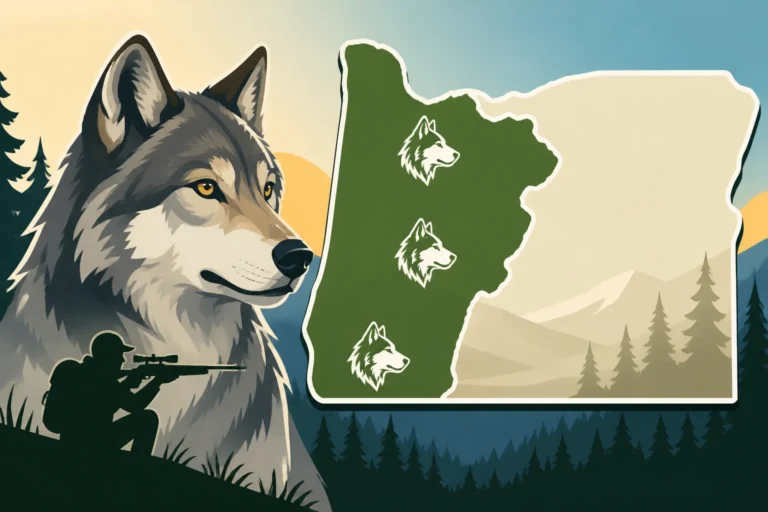
Roosevelt elk in Western Oregon are part of a complex ecosystem, and as such, they are subject to natural predation. Cougars are perhaps their most consistent predator, particularly preying on calves and weakened adults. Black bears also take some calves, especially during spring green-up. While grey wolves are primarily a concern in Eastern Oregon, their expanding populations mean their presence is increasingly being felt in some Western Cascade units, adding another layer of predator pressure. The balance between predator and prey is a delicate one, constantly monitored by ODFW.
Disease is another concern. Elk Hoof Disease in Western Oregon is a debilitating condition that causes severe lameness, affecting an increasing number of elk, particularly in the Coast Range and some Cascade units. It's caused by a bacterial infection that leads to lesions, deformities, and eventually sloughing of the hoof wall, making it difficult for affected elk to forage, escape predators, or travel. While the exact causes and full extent of its spread are still being studied, it's a significant health issue for some herds.
Hunters play a crucial role in disease surveillance. If you harvest an elk that appears sick or observe an animal with noticeable hoof deformities or other unusual symptoms, it's vital to report it to ODFW. This information helps wildlife managers track the spread of diseases, assess herd health, and implement appropriate management strategies. Responsible hunting also helps manage herd numbers, which can sometimes reduce the spread of disease within a population.
Conservation Efforts and Hunter Contributions
The health and sustainability of Roosevelt elk populations in Oregon are a testament to ongoing, dedicated conservation efforts, with hunters at the forefront of funding these initiatives. Every time you purchase a hunting license or elk tag, a significant portion of that revenue goes directly to ODFW for wildlife management, habitat restoration, research, and law enforcement. This "user-pays, public-benefits" model is the backbone of wildlife conservation in North America.
Beyond financial contributions, hunters are often directly involved in conservation work. Volunteer efforts range from habitat improvement projects, such as planting trees or restoring riparian areas, to participating in citizen science programs that help ODFW gather data. Organizations like the Rocky Mountain Elk Foundation, Oregon Hunters Association, and other local conservation groups also play vital roles, often partnering with ODFW and private landowners to secure access, purchase critical habitats, and fund research projects specifically aimed at elk.
Responsible hunting practices are also a cornerstone of conservation. This includes ethical shot placement to minimize suffering, accurate harvest reporting (which is mandatory in Oregon and helps ODFW manage tag allocations), and adhering to all regulations. By being responsible stewards of the land and its wildlife, hunters ensure that future generations will have the opportunity to pursue these magnificent Roosevelt elk in the wild, rugged beauty of Western Oregon.
| Feature | Roosevelt Elk | Rocky Mountain Elk |
|---|---|---|
| Primary Range | Western Oregon (Coast Range, Cascades) | Eastern Oregon (Blue Mountains, High Desert) |
| Body Size | Generally larger, heavier-bodied (800-1000 lbs) | Slightly smaller, more slender (600-800 lbs) |
| Antler Shape | More compact, heavy mass, often forward-sweeping | Wider, more open spread, lighter mass |
| Habitat | Dense, wet temperate rainforests, thick timber | More open Ponderosa pine, sagebrush, aspen groves |
| Rut Vocalization | Deeper, more guttural bugles, less frequent | High-pitched, often frequent, aggressive bugles |
| Primary Forage | Grasses, forbs, shrubs, tree browse | Grasses, forbs, aspen, sagebrush |
| Cover Preference | Extremely dense, wet timber, deep draws | Timber, broken terrain, larger open meadows |
| Hunting Style | Still-hunting, tracking, subtle calling | Calling, spot-and-stalk, ambush on open terrain |
Disclaimer
Please remember that hunting regulations and seasons can change. Always consult the most current Oregon Department of Fish and Wildlife (ODFW) regulations and hunt pamphlets before planning any hunting trip. It is your responsibility to understand and abide by all applicable laws and regulations.