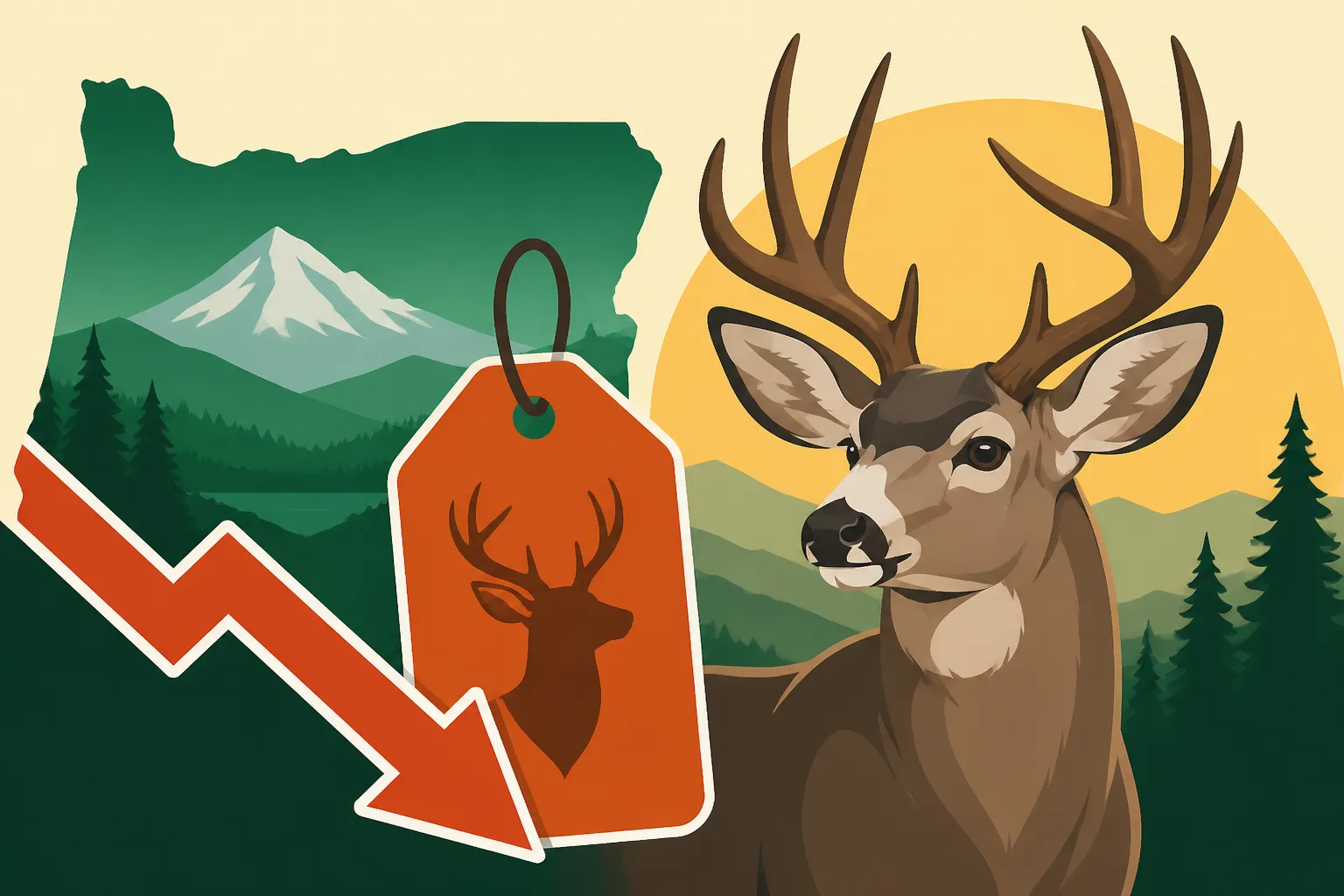
Oregon Mule Deer Tag Reduction for 2026
It’s a tough pill to swallow, but the reality for many Oregon mule deer hunters is that the good old days of relatively accessible tags are quickly fading. We've all seen the alarming decline in herd numbers across the state, and unfortunately, 2026 is shaping up to be a year of significant tag reductions. This guide will walk you through why these changes are happening, what they mean for your hunting plans, and how to adapt your strategy to keep pursuing these iconic high desert deer.
The Troubling Trend: Why Oregon's Mule Deer Herds Are Struggling
For years now, we've been hearing the whispers and seeing the evidence on the landscape: Oregon's mule deer populations are in trouble. It’s a complex issue, not just one single factor, and it’s led to the difficult decision by the Oregon Department of Fish and Wildlife (ODFW) to further reduce tag numbers for 2026. This isn't just an Oregon problem, but it hits close to home for those of us who cherish chasing big ears in the sagebrush.
Habitat Loss and Fragmentation
One of the biggest culprits behind declining mule deer numbers is the relentless chipping away at their vital habitat. Eastern Oregon, with its vast sagebrush plains and juniper forests, is a delicate ecosystem. As human populations grow, so does development, agricultural expansion, and even renewable energy projects. These developments can carve up traditional migratory routes, isolate deer populations, and reduce the overall quality and quantity of forage. Imagine a deer having to navigate new fences, roads, or even solar farms where once there was open, uninterrupted winter range. It forces them into smaller, less productive areas, making them more vulnerable.
Beyond direct development, subtle changes in habitat quality are also a major concern. Invasive species, like cheatgrass, can outcompete native forage that mule deer depend on, especially during critical fawning periods. Moreover, historical fire suppression has led to juniper encroachment into sagebrush steppe, effectively turning valuable open habitat into dense, less nutritious cover that favors other species and limits deer movement. We're seeing a slow, steady erosion of the very places these deer need to thrive.
Predation and Environmental Pressures
While habitat is foundational, other factors amplify the struggle. Predation certainly plays a role, particularly from increasing numbers of cougars and expanding wolf populations in eastern Oregon. When deer numbers are low due to habitat issues or harsh winters, intense predation can make it incredibly difficult for herds to rebound. ODFW is constantly monitoring these dynamics, but it's a tightrope walk. You can learn more about the role of predators by reading about Cougar Prey and Deer Herd Impact.
Compounding this are the environmental extremes Oregon has faced. Droughts are becoming more frequent and severe, impacting forage quality and water availability, which directly affects fawn survival and overall herd health. Conversely, the occasional brutal winter can wipe out large segments of a herd, particularly fawns and older animals already stressed from dry summers. These "perfect storm" scenarios, where poor habitat, high predation, and severe weather align, are devastating for mule deer. It really underscores why we're seeing such a significant emphasis on the Oregon's 2024 Mule Deer Plan and its conservation goals.
Understanding the Tag Reductions
The ODFW isn't making these tag reductions lightly. They're a direct response to sustained low herd numbers and poor fawn recruitment rates in many areas. For 2026, hunters can expect fewer tags across a broad spectrum of controlled hunts, particularly in traditionally popular units in Eastern Oregon.
Specific Changes and Affected Hunt Areas
While the exact final numbers won't be cemented until later in the year, the writing is on the wall: expect fewer opportunities. The changes are part of a broader effort to allow mule deer herds a chance to rebuild. Units that have historically offered decent drawing odds or a reasonable number of landowner preference tags are likely to see significant cuts. For instance, areas within the Steens Mountain, Warner, and Silvies units—which cover a good chunk of prime mule deer country—are often under intense scrutiny due to declining numbers. You may recall recent changes like the Warner Unit Combined Into One Oregon Hunt, which signaled this trend.
These reductions mean that the "point creep" we've been experiencing for years will accelerate. Units that once took 5-8 points to draw might suddenly require 10-12 or even more. If you've been building points for a specific dream hunt, 2026 might push that dream further out of reach. This directly impacts the value of your Oregon Preference Points and How They Work. The 2026 changes also involve the ongoing transition from old unit names to the new, more expansive herd ranges. Make sure you understand Oregon's 22 Mule Deer Herd Ranges to truly grasp the scale of these adjustments.
Here's a simplified look at the potential impact of tag reductions, using hypothetical numbers for illustration. Keep in mind actual numbers will vary by unit and hunt series.
| Hunt Area (Example) | 2025 Tags (Hypothetical) | 2026 Tags (Projected) | Approximate Reduction | Impact on Draw Odds |
|---|---|---|---|---|
| Maury Unit | 150 | 110 | 27% | Significantly Harder |
| Paulina Unit | 200 | 160 | 20% | Noticeably Harder |
| Interstate Unit | 80 | 60 | 25% | Harder |
| Silvies Unit | 120 | 95 | 21% | Harder |
Note: These numbers are illustrative and do not represent final 2026 ODFW tag allocations. Consult the official ODFW regulations for precise figures.
The Impact on Drawing Odds and Hunter Strategy
The ripple effect of these tag reductions is profound. For anyone who applies for Oregon Controlled Hunt Draw Explained, the odds are going to get tougher. What might have been a long shot is now even longer, and what was a solid bet might now be a true gamble. This isn't just about drawing a tag, it's about making every preference point count and rethinking your long-term application strategy. If you've been consistently applying for the same high-demand unit, you might want to reconsider for 2026 and beyond.
Many hunters rely on tools like GoHunt's Insider service to crunch the numbers and gain an edge in these competitive draws. With fewer tags available, utilizing every bit of data, from historical success rates to point averages, becomes absolutely critical. This isn't the year to just blindly apply; it's the year to strategize, analyze, and make informed choices about where you place your precious first, second, and third choices.
Navigating the New Reality: Strategies for Mule Deer Hunters
With fewer mule deer tags on the table, it's natural to feel frustrated and even a little disheartened. But a good hunter adapts. This isn't the end of Oregon mule deer hunting; it's a call to refine your approach and embrace new strategies.
Reassessing Your Application Strategy
The first step is to be brutally honest about your preference point totals and your desired hunt units. If you have low points, say 0-3, drawing a coveted East Oregon rifle mule deer tag in 2026 will be exceptionally difficult. This might be a good year to consider applying for a point only, ensuring you continue to build towards future opportunities without burning a choice on an impossible draw. You can find out more about the Oregon Preference Point Purchase Window.
For those with a decent stash of points, say 8+, it's time to dig deep into the draw odds. Using a platform like GoHunt, you can analyze historical draw odds and current application trends to identify units that might still be within reach, even with reduced tag numbers. Don't just look at first choice odds; sometimes, a solid second or third choice can still yield a tag, especially if you're willing to hunt less popular or more physically demanding areas. Think about applying for hunts that have slightly lower success rates but correspondingly higher draw odds. Remember, What Happens to Points When You Draw is a crucial piece of information for any point-based system.
Exploring Alternative Hunting Opportunities
If your primary focus has always been a rifle mule deer tag in Eastern Oregon, now might be the time to broaden your horizons. Oregon offers fantastic hunting for other big game species, and some of those tags are much more accessible.
- Consider Archery Mule Deer: Archery season often has higher tag numbers and generally better drawing odds, though it presents its own unique challenges. This could be a way to still chase mule deer.
- Target Blacktail Deer: Western Oregon's Columbian Blacktail deer offer a completely different but equally rewarding experience. Many of these hunts are general season, over-the-counter tags, especially for archery. You could spend time Blacktail Deer Hunting in Oregon's Coastal Clearcuts or exploring Still-Hunting Blacktails in Wet Oregon Coastal Brush.
- Shift to Elk Hunting: Oregon boasts healthy Roosevelt and Rocky Mountain elk populations. While controlled elk hunts can also be tough draws, general season archery or even some rifle hunts offer good opportunities. Research Oregon Roosevelt Elk Rifle Seasons in November or consider a tag for Archery Elk Hunting Oregon's August and September Seasons. This might require a different rifle choice, like those suited for Rifle Calibers That Suit Oregon Elk.
- Predator or Upland Bird Hunting: Extend your time in the field by pursuing coyotes or enjoying Oregon's upland bird seasons after big game. This can keep your hunting skills sharp and your passion alive.
Don't forget the power of E-Scouting. Even if your preferred unit seems out of reach, GoHunt's extensive data and mapping tools can help you find overlooked opportunities or new areas to scout. Couple that with Public Land Scouting in Oregon Before the Draw Results to make the most of your time in the field.
The Long Road Ahead: Conservation and the Future of Oregon Mule Deer
The 2026 tag reductions are a stark reminder of the challenges facing Oregon's mule deer. While hunters feel the immediate impact, these decisions are ultimately about safeguarding the species for future generations. It’s a bitter pill to swallow, but it’s a necessary one.
ODFW's Ongoing Efforts and Hunter Involvement
ODFW is actively working on habitat restoration projects, managing predator populations, and conducting research to better understand mule deer dynamics. They're investing in critical winter range improvements and working with landowners to create more mule deer-friendly landscapes. As hunters, we have a role to play beyond just buying tags. Support organizations like the Oregon Hunters Association (OHA) or the Mule Deer Foundation, who actively lobby for and contribute to habitat conservation efforts. Consider volunteering for habitat projects or participating in public meetings to provide input on wildlife management decisions. Staying informed with resources like GoHunt's application strategy articles is more crucial than ever, as is understanding Oregon Mule Deer Population Count Timing Problems.
What You Can Do for Mule Deer
Beyond direct financial or volunteer contributions, every hunter can contribute to the future of mule deer. Practice ethical hunting and always adhere to regulations. Be a responsible steward of the land, pack out what you pack in, and respect private property. When you're out Glassing Sage and Juniper for Eastern Oregon Mule Deer or Tracking Bucks in Fresh Eastern Oregon Snow, pay attention to what you see: observe herd health, fawn numbers, and habitat conditions. Report any unusual observations of sick deer or significant habitat changes to ODFW. The collective knowledge and passion of Oregon's hunting community are powerful tools in the fight to ensure that mule deer continue to roam our wild places for years to come.
Disclaimer
The information provided in this guide is for general informational purposes only and does not constitute official hunting regulations or legal advice. Hunting rules and regulations are subject to change, and it is the sole responsibility of the hunter to consult the most current Oregon Department of Fish and Wildlife (ODFW) regulations before applying for tags or engaging in any hunting activities. Always refer to the official ODFW publications and website for accurate and up-to-date information.