Oregon Mandatory Harvest Reporting and the $25 Penalty
As an Oregon hunter, you’ve probably experienced the frustration of navigating regulations, planning your hunts, and then, after all that effort, remembering that one crucial step many of us forget: mandatory harvest reporting. It feels like just another hurdle, another piece of paperwork, but let me tell you, this isn't just bureaucratic red tape. It's a vital part of keeping Oregon’s wildlife healthy and ensuring there are future opportunities for us to chase elk, deer, and bear. This guide will walk you through everything you need to know about Oregon’s mandatory harvest reporting, why it matters, how to do it correctly, and how to avoid that pesky $25 penalty.
The Core Reason Behind Oregon's Mandatory Harvest Reporting
It's easy to look at harvest reporting as a chore, another item on a seemingly endless checklist, especially after a long, grueling hunt or a season without success. But at its heart, mandatory harvest reporting isn't about giving the Oregon Department of Fish and Wildlife (ODFW) more work; it's about providing them with the essential data they need to manage our precious wildlife populations responsibly. Think of it as your direct contribution to the health and future of Oregon's hunting heritage.
Gathering Critical Data for Wildlife Management
Imagine trying to manage a business without knowing your inventory or sales figures. That's essentially what ODFW would be doing without accurate harvest data. Every single report, whether you harvested an animal or not, contributes to a massive dataset that paints a picture of our state's wildlife populations. ODFW relies on this information for so many critical tasks. They use it to estimate population sizes, track trends in herd health, and understand distribution changes. For instance, if harvest reports indicate a lower success rate in a particular unit year after year, it might signal a declining population or habitat issues that need investigation. Conversely, high success rates could suggest a healthy, robust population capable of sustaining current harvest levels. This data directly influences decisions about how many tags are issued each year, helping to balance hunter opportunity with conservation needs. Without your input, these decisions would be based on guesswork, which could have serious negative consequences for our game animals.
It’s about understanding the dynamics of the ecosystem. How many animals are being taken, where, and what condition they are in? This helps ODFW assess the impact of environmental factors, predator populations, and human activity on different species. For example, if we start seeing a consistent decline in reported mule deer harvest in certain Eastern Oregon units, combined with other survey data, it gives ODFW the justification to implement changes like reduced tag numbers or habitat improvement projects, all aimed at bolstering the Oregon Mule Deer and the Herd Range Decline. Your harvest report, even if it's just a click of a button stating "no harvest," is a data point confirming your effort and indicating the level of hunting pressure and opportunity in that area.
Ensuring Sustainable Hunting Opportunities for Future Generations
Ultimately, the goal of all this data collection is to ensure that hunting remains a sustainable activity in Oregon for generations to come. When you report your hunt, you're not just filling out a form; you're actively participating in the conservation cycle. The data gathered helps ODFW set appropriate harvest levels, preventing over-harvest in vulnerable areas and maximizing opportunities in healthy populations. This careful balancing act is what keeps our game populations thriving and ensures that your kids, and their kids, will have the chance to experience the thrill of an Oregon hunt.
Consider the complexity of managing elk populations, for example. We have two distinct subspecies in Oregon: Roosevelt elk in the west and Rocky Mountain elk in the east. Each has different habitat needs, population dynamics, and hunting pressures. Understanding Oregon Elk Herd Numbers by Region requires accurate harvest data from both general season and controlled hunt tag holders. If hunters fail to report, ODFW loses crucial insights into the health of these specific herds, making it harder to make informed decisions about future tag allocations and season structures. It directly impacts decisions like the number of Oregon Controlled Hunt Draw Explained tags available, or the points needed for certain areas, which you can often research through tools like GoHunt that aggregate this kind of information. By participating in mandatory reporting, you're demonstrating a commitment to ethical hunting and responsible stewardship, which is crucial for public support of hunting as a conservation tool.
Who Exactly Needs to Report Their Oregon Hunt
This is where some confusion can creep in, especially for new hunters or those who haven't drawn a big game tag in a while. The rule is pretty straightforward, but the nuances are important. It's not just about successful hunts; it's about all big game tags.
Every Hunter, Every Big Game Tag
Let's make this crystal clear: if you possess an Oregon big game tag, you must report on it. This includes tags for deer, elk, bear, cougar, pronghorn, bighorn sheep, and mountain goat. It doesn't matter if you hunted for two weeks straight and came home empty-handed or if you filled your tag on opening morning. Every single tag issued for these species requires a report. This can be a hard pill to swallow if you put in countless hours scouting, endured miserable weather, and never even saw an animal, but even an "unfilled" report is incredibly valuable data for ODFW. It tells them about hunter effort and success rates, which informs future management decisions, such as adjustments to Oregon Archery Season Dates for Deer and Elk or the number of rifle tags.
This mandatory reporting differentiates itself from many small game or bird hunts. Typically, species like turkey, waterfowl, or upland birds do not have the same individual tag reporting requirements, though hunters often participate in broader surveys or federal harvest information programs. For big game, however, it's personal to your specific tag. If you bought Oregon black bear tags or a Oregon Cougar Tag Rules and Quotas, even if you just wanted to keep it in your pocket as an "opportunity" tag while deer hunting and never actually pursued a bear or cougar, you still need to report. It's a fundamental part of the system that every hunter, regardless of their individual outcome, contributes to the collective knowledge base that guides wildlife management.
Specific Tags That Mandate Reporting
When we talk about "every big game tag," that encompasses all the different ways you might acquire one in Oregon. This means your general season deer or elk tag, whether it's for coastal Roosevelt elk or Eastern Oregon mule deer, requires reporting. It also applies to controlled hunt tags, which you might have spent years accumulating preference points for. Even if you drew a coveted tag through the Oregon Controlled Hunt Draw Explained or a special program, the reporting obligation remains. This extends to landowner preference tags, auction tags, or any other method of obtaining a specific big game harvest authorization.
The system is designed to capture a complete picture of harvest pressure and success across all units and species. While there might be minor exceptions for certain unique situations (always check the current ODFW regulations pamphlet for the absolute latest rules), the overwhelming majority of big game tags fall under this mandatory reporting umbrella. It’s also important to note that the obligation is linked to the tag itself, not just the act of hunting. If you purchase an Oregon deer or elk tag but then, for whatever reason, don't make it out to hunt, you still need to report that tag as "unfilled." For example, if you were planning a trip to a specific unit for Blacktail Deer Hunting in Oregon's Coastal Clearcuts and life got in the way, you still have to let ODFW know the outcome of that tag. This consistent data input helps ODFW understand hunter participation and effort across the state, which is just as important as knowing actual harvest numbers.
Step-by-Step: How to Report Your Oregon Hunt Online
Gone are the days of mailing in small, easily misplaced cards. Oregon has modernized its system, making harvest reporting much more convenient through its online Electronic Licensing System (ELS). If you've purchased a license or applied for a controlled hunt online, you're already familiar with the platform.
Navigating the ODFW ELS System
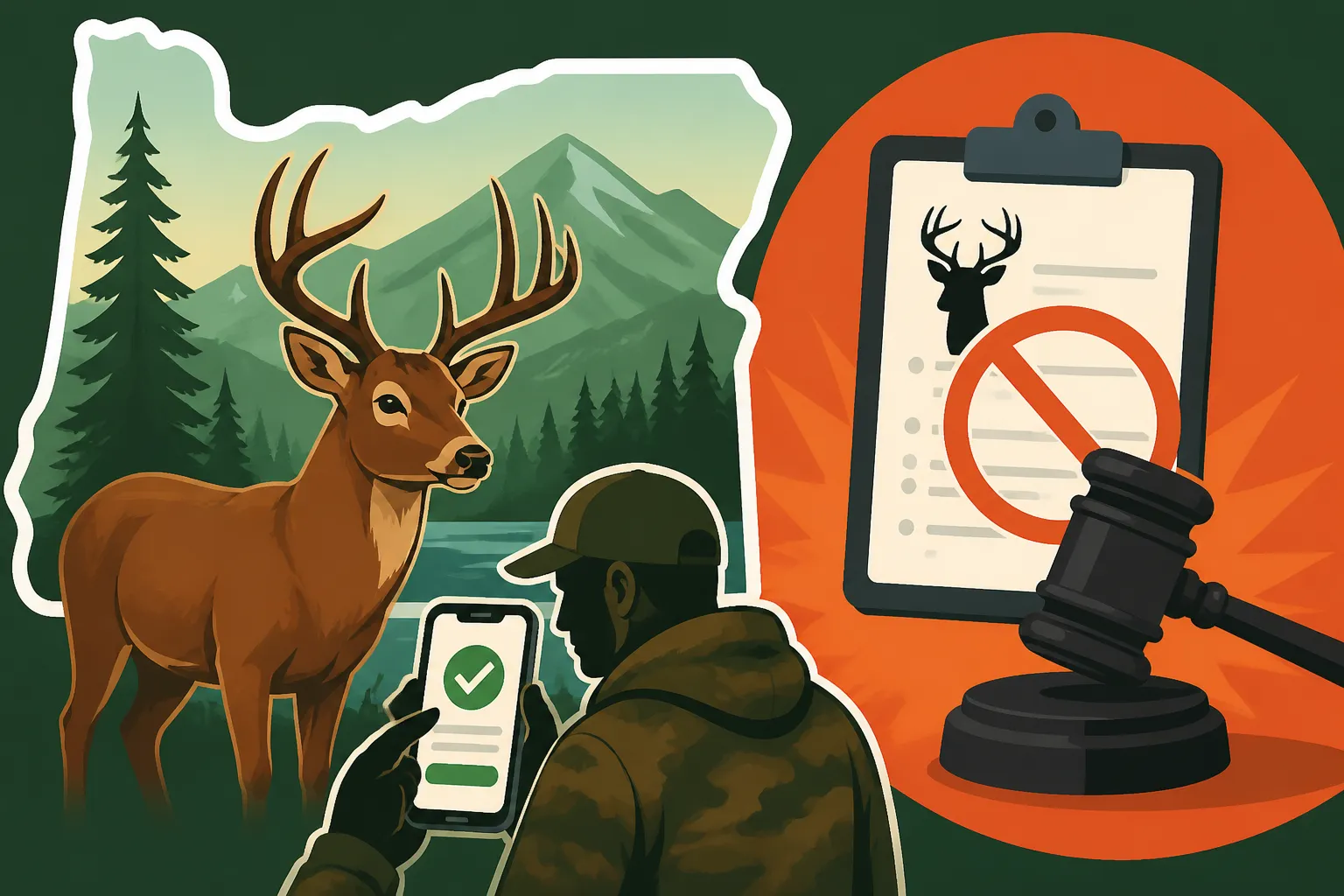
The process begins by logging into your ODFW account through their ELS portal. This is the same place you go to purchase your Oregon Annual Hunting Licence Cost or apply for tags. Once logged in, you'll typically find a clear link or section dedicated to "Harvest Reporting" or "Report Your Hunt." It's usually prominently displayed, especially as reporting deadlines approach. When you click on this, the system will pull up all the big game tags associated with your account for the current (or previous, depending on the season) license year.
You'll then go through each tag, one by one. The system will ask a series of questions. First, and most importantly, it will ask if you harvested an animal with that specific tag. If you say "yes," you'll be prompted for more details: the date of harvest, the specific hunt unit where it was taken, the sex of the animal (buck, doe, bull, cow, male, female), and often its age class (e.g., adult, fawn, calf, cub). You'll also likely be asked about the weapon used (rifle, archery, muzzleloader). This level of detail is critical for ODFW's data analysis, allowing them to track trends in specific units and by different hunting methods. Making sure this information is accurate is paramount. Before you even start the report, it can be helpful to review your hunt details. Websites like GoHunt are excellent resources for mapping out hunt units and researching past harvest trends, which can help you verify the unit name or other specifics when you’re filling out the form.
Common Fields and What They Mean
Let's break down some of the common fields you'll encounter during the reporting process and why they matter:
- Species: This is usually pre-filled based on the tag you're reporting (e.g., "Deer," "Elk," "Bear").
- Did you harvest an animal? This is the fundamental question. Answering "Yes" or "No" determines the rest of the form. It is crucial to report "No" if you didn't harvest, as this still provides valuable data on hunter effort and success rates. This is especially important for Reporting an Unfilled Oregon Tag.
- Date of Harvest: The exact day you harvested the animal. This helps ODFW track harvest distribution throughout the season.
- Hunt Unit: This is incredibly important. You need to select the correct ODFW hunt unit where the animal was taken. If you're unsure, consult your hunt map or the ODFW regulations, or use an E-Scouting tool to confirm the unit boundaries. Knowing the correct unit helps ODFW assess localized herd health.
- Sex: Buck/Doe for deer, Bull/Cow for elk, Male/Female for bear or cougar. This data helps ODFW monitor bull-to-cow ratios, buck-to-doe ratios, and overall population demographics.
- Age Class: Often, you'll be asked if it was an adult or a younger animal (fawn, calf, cub). This gives insight into recruitment rates and the age structure of the herd.
- Weapon Type: Rifle, bow, muzzleloader. This helps ODFW understand the success rates and impacts of different hunting methods. For instance, data might show that Archery Elk Hunting Oregon's August and September Seasons has different success rates than rifle seasons, influencing tag allocations.
- Location details: Sometimes, they might ask for a county or a more specific area within the unit. This helps refine the data even further.
Remember, every piece of information you provide feeds into complex models that ODFW uses to make decisions. So, take your time, double-check your entries, and ensure accuracy. Your effort ensures that the science behind wildlife management in Oregon is as robust as possible.
Unpacking the $25 Penalty for Unreported Harvests
Nobody likes penalties, and the $25 fee for failing to report your Oregon big game harvest is designed to be a clear incentive for compliance. It's not a punishment, per se, but rather a mechanism to ensure ODFW receives the critical data they need. Ignorance of the rule won't spare you the fee, so understanding how it works is vital.
The Cost of Non-Compliance
Let's get straight to it: the $25 penalty. This fee is incurred if you fail to report any mandatory big game tag by its designated deadline. The important clarification here, which many hunters misunderstand, is that the fee is $25 per license year, regardless of the number of tags not reported during that year. So, if you forgot to report your deer tag AND your elk tag from the same license year, you'll still only be charged one $25 penalty when you go to purchase your next hunting license or application. However, if you fail to report tags over multiple years, you could face multiple $25 charges. This is covered in more detail in What the $25 Oregon Reporting Penalty Costs You.
This penalty doesn't mean you're losing preference points or being barred from hunting the next year, but it will prevent you from purchasing any new licenses, tags, or applying for controlled hunts until the fee is paid. The system is designed to catch you when you interact with it next. So, if you forget to report your elk tag in January, and then in May you go to apply for controlled hunts, the $25 fee will pop up, and you'll have to pay it before you can proceed with your application. This can be particularly frustrating if you're up against the May 15th application deadline and suddenly realize you have an outstanding fee to pay. This is When the Oregon Reporting Penalty Is Charged – it's tied to your next interaction with the licensing system.
Preventing the Penalty: A Simple Checklist
Avoiding the penalty is incredibly easy once you understand the system. It simply requires a little foresight and organization. Here’s a simple checklist to keep you in the clear:
- Report ALL Big Game Tags: This is the golden rule. Even if you didn't harvest an animal, you must still report that tag as "unfilled." ODFW needs this data to understand hunter effort and success rates.
- Mark Deadlines on Your Calendar: The two main reporting deadlines for most fall big game hunts are January 31st and April 15th, but it's crucial to check the current ODFW regulations pamphlet for exact dates, especially for spring bear or late-season hunts. Put these dates in your phone, on a physical calendar, or even set a recurring reminder.
- Check Your ODFW Account: After the general reporting deadlines have passed, log into your ODFW ELS account and double-check your harvest reporting status. The system will usually show you if you have any outstanding reports. This is a proactive step that can save you a headache later.
- Keep Records: Take a photo of your tags before you head into the field, or jot down the tag numbers. While the online system usually pulls up your tags automatically, having this information handy can be useful if you need to contact ODFW for assistance or verify something.
- Utilize Digital Tools: Many hunters find apps and online platforms incredibly helpful for managing their hunting information. While you'll still report directly through ODFW's ELS, tools like GoHunt can often provide reminders for important dates, help you organize your hunt plan by unit, and even store details that make the reporting process smoother when you finally get to the ODFW site.
By following these simple steps, you can avoid the $25 penalty and ensure you're doing your part for Oregon's wildlife. It's a small administrative task that has a significant impact on conservation.
Critical Reporting Deadlines You Can't Afford to Miss
The Oregon Department of Fish and Wildlife (ODFW) sets specific deadlines for harvest reporting, and knowing these dates is paramount to avoiding penalties and ensuring your data contributes to timely wildlife management decisions. These dates are published annually in the Oregon Big Game Regulations and online.
General Season and Controlled Hunt Reporting Windows
For most big game hunts that occur in the fall, including general season deer and elk, and many controlled hunts, the reporting deadline is January 31st of the following year. So, for a deer tag you held in September, the report is due by January 31st. This is a critical date for the majority of hunters. For example, if you participated in one of the Oregon Roosevelt Elk Rifle Seasons in November, your report would be due by this January 31st deadline.
However, there are exceptions. Spring bear hunts typically have an earlier deadline, usually in mid-April. Some late-season hunts might have deadlines extending further into the spring. It is absolutely essential to consult the current year's ODFW Big Game Regulations pamphlet. This pamphlet is your bible for all things hunting in Oregon, including the precise reporting dates. Don't rely on memory or what you heard from a friend. A quick check of the official regulations can save you a $25 penalty and ensure your data is counted. Remember, even if you never harvested an animal on your general season tag, Reporting an Unfilled Oregon Tag by the January 31st deadline is still mandatory.
Here’s a simplified breakdown, but always double-check the official regulations:
| Tag Type / Species | Typical Hunt Dates | General Reporting Deadline |
|---|---|---|
| General Season Deer/Elk | Aug – Nov | January 31st |
| Controlled Deer/Elk Hunts | Aug – Dec | January 31st |
| Pronghorn | Aug – Sep | January 31st |
| Bighorn Sheep / Mountain Goat | Aug – Oct | January 31st |
| Spring Bear | April – May | April 15th (or similar) |
| Fall Bear (General Season) | Aug – Dec | January 31st |
| Cougar (often multiple seasons) | Year-round, varies | 10 days post-harvest |
Note: Cougar reporting also includes an immediate 48-hour check-in requirement, followed by the full report within 10 days of harvest. Always verify specific dates in the current ODFW regulations.
Consequences of Missing the Deadline
The immediate consequence of missing a reporting deadline is, as we've discussed, the $25 penalty. This fee will be automatically added to your ODFW account and must be paid before you can purchase any new licenses, tags, or applications in subsequent years. This means if you forget to report your tag from a fall hunt, and then in spring you try to buy a spring turkey tag or apply for a controlled elk hunt, you'll be met with the notification that you have an outstanding fee. This can be quite inconvenient, especially if you're trying to meet another tight deadline, like the Oregon Controlled Hunt Application Deadline on May 15th.
Beyond the monetary penalty, missing the deadline also has broader implications. When harvest data is reported late or not at all, it compromises the accuracy and timeliness of ODFW's wildlife management models. These models rely on comprehensive data to make informed decisions about herd health, population estimates, and future hunting opportunities. Incomplete data can lead to skewed analyses, potentially resulting in less optimal tag allocations, season changes, or habitat management priorities. It's a ripple effect where a small oversight by one hunter can collectively impact the broader conservation efforts and hunting future for everyone. By taking a few minutes to complete your report by the specified Oregon Harvest Report Deadline in January or Oregon Harvest Report Deadline in April, you're not just avoiding a fee; you're actively contributing to the health of Oregon's wildlife and the sustainability of our hunting traditions.
How Harvest Data Shapes Oregon's Hunting Future
Harvest reporting isn't just about compliance; it's the bedrock of sound wildlife management in Oregon. Every piece of data you submit plays a role in shaping the very hunting seasons and opportunities we have year after year. It's a direct feedback loop from the field to the biologists and decision-makers at ODFW.
Informing Tag Allocation and Season Structures
The most immediate and tangible impact of harvest data is on ODFW's decisions regarding tag allocation and season structures. Imagine ODFW trying to decide how many Oregon Nonresident Elk Tag Cost or resident deer tags to issue without knowing how many animals were harvested the previous season, or what the hunter success rates were. It would be pure guesswork. Instead, your reported data, combined with population surveys, scientific research, and habitat assessments, gives ODFW a clear picture.
If harvest reports indicate a consistent increase in elk harvest in a particular unit without a corresponding decline in population surveys, ODFW might determine that the herd can support a higher number of tags, potentially increasing opportunities for hunters. Conversely, if reports show declining harvest success and population estimates are down, ODFW might reduce tag numbers or adjust season dates to allow the herd to rebound. This is particularly true for sensitive populations like Oregon Mule Deer and the Herd Range Decline, where careful monitoring is crucial. The data helps ODFW balance hunter demand with the biological capacity of the herds. It also provides insights into how different weapon types perform, influencing decisions on Oregon Archery Season Dates for Deer and Elk versus rifle seasons, or the allocation of Oregon Muzzleloader Controlled Hunts. Without this fundamental data, making intelligent, science-based decisions to manage our wildlife would be impossible, and the quality of our hunts would inevitably suffer.
Understanding Population Trends and Hunter Success
Beyond just tag numbers, harvest data offers invaluable insights into long-term population trends and hunter success rates across the state. ODFW can track the health and stability of various game populations over decades by analyzing consistent reporting. For instance, they can identify areas where deer or elk populations might be struggling due to habitat loss, disease, or increased predation. This data, combined with aerial surveys and radio-collar studies, helps paint a comprehensive picture of what's happening on the ground. For example, understanding Elk Calf Survival and Predation in Oregon or fawn recruitment rates for mule deer relies heavily on reported observations and harvest age class data.
Moreover, harvest reporting allows ODFW to gauge overall hunter success rates for different species, units, and hunt types. This isn't just a number to brag about; it's a measure of the quality of the hunting experience and an indicator of game abundance. If success rates plummet in a unit that historically had high success, it's a red flag for wildlife managers. This information is also valuable for hunters like you, helping you make informed decisions when applying for controlled hunts or planning general season trips. Websites like GoHunt often compile and present ODFW's published success rate data, allowing hunters to research Oregon controlled hunt application odds or pinpoint units with better opportunities based on historical trends. Ultimately, by consistently and accurately reporting, you are providing the essential raw material that allows ODFW to conserve our wildlife and protect our hunting heritage for the long haul.
Addressing Common Misconceptions and Troubleshooting
Even with clear instructions, questions and misunderstandings inevitably arise, particularly concerning the nuances of harvest reporting. Let's tackle some of the most common ones to ensure you're fully equipped to comply.
What if I didn't harvest anything?
This is, hands down, the most frequently asked question and the source of many unreported tags. The misconception is that if you didn't pull the trigger or release an arrow, there's nothing to report. This couldn't be further from the truth. If you purchased a mandatory big game tag in Oregon, you MUST report on it, even if you did not harvest an animal. You simply log into your ODFW ELS account and, for that specific tag, select "No" when asked if you harvested an animal.
Why is this so important? Because ODFW needs to understand hunter effort and opportunity, not just success. Imagine a scenario: ODFW surveys suggest a healthy elk population in a particular unit, so they issue 100 tags. If only 20 hunters report harvesting an elk, but only those 20 hunters reported at all, ODFW would have no idea how many of the other 80 hunters actually went out and hunted. Did they all stay home? Did they hunt hard but couldn't find an animal? These are crucial distinctions. If 80 hunters went out and reported "no harvest," that tells ODFW that, despite significant effort, only 20% of hunters were successful. This insight helps ODFW fine-tune future tag allocations, potentially reducing tags if the success rate is too low, or investigating factors impacting hunter success such as Elk Behavior After a Wildfire or Blowdown and Access After a Windstorm. Without your "unfilled" report, that critical piece of the puzzle is missing, leading to an incomplete picture of the hunt's reality.
Dealing with Technical Glitches or Lost Information
Technology is great until it isn't. Sometimes, you might encounter a technical glitch when trying to report online, or perhaps you've lost your tag number and can't find it in the system. Don't panic; there are solutions.
First, if you're experiencing a technical issue with the ODFW ELS system (e.g., page won't load, error message), try these steps:
- Clear your browser cache and cookies: This often resolves many website-related problems.
- Try a different browser: If you're using Chrome, try Firefox or Edge.
- Try a different device: Sometimes a computer works better than a phone, or vice-versa.
- Wait and try again: The system can sometimes be busy during peak reporting times.
If you've genuinely lost track of your tag numbers or can't access your account history, don't worry. Your purchase history is always recorded in the ODFW ELS. Simply log in with your customer ID and password, and navigate to your licensing history. All your purchased licenses and tags for current and past years will be listed there. You can even find previous Oregon Harvest Report Deadline in January or Oregon Harvest Report Deadline in April submission dates if you reported successfully.
If you've tried all these steps and are still having trouble reporting, do not give up. The worst thing you can do is let the deadline pass and incur the penalty. Instead, contact ODFW directly. They have dedicated customer service representatives who can guide you through the process or resolve technical issues. You can usually find their contact information (phone number and email) on the ODFW website. It's much better to reach out for help than to ignore the requirement. While useful for planning, platforms like GoHunt are not reporting tools; the official report must always go through ODFW's Electronic Licensing System. Keeping a screenshot or confirmation number of your submitted report is also a good habit, just in case there's ever a discrepancy down the line.
A Call to Action for Responsible Hunters
Mandatory harvest reporting, while sometimes feeling like a bureaucratic requirement, is one of the most fundamental responsibilities we have as hunters. It's more than just following a rule; it's an active commitment to the future of Oregon's wildlife.
Your Role in Wildlife Conservation
As hunters, we often talk about being conservationists, and harvest reporting is a tangible way to demonstrate that commitment. Every report, whether it's a successful harvest or an unfilled tag, contributes directly to the data pool ODFW uses to manage game populations. This data ensures that future hunting seasons are structured soundly, based on biological realities rather than speculation. When you take the few minutes to complete your report, you're not just avoiding a penalty; you're providing critical information that helps ODFW protect habitat, manage herd health, and ensure that species like Roosevelt Elk in Western Oregon and Oregon Pronghorn on the High Desert continue to thrive. It reinforces the ethical principle that our privilege to hunt comes with a responsibility to steward the resource.
This shared responsibility also extends to public perception. When ODFW can demonstrate robust data collection and management practices, it strengthens the argument for hunting as a vital tool in wildlife conservation. It helps counter narratives that portray hunting as irresponsible or unsustainable. Your individual actions, including your commitment to reporting, collectively uphold the integrity of the hunting community and its critical role in Oregon's natural landscape. It's a small act that pays dividends for years to come, ensuring healthy populations and continued Oregon General Season Versus Controlled Hunt Tags opportunities.
Leveraging Technology for Easier Reporting
The good news is that technology has made harvest reporting easier and more accessible than ever. The days of hunting down a physical form or remembering to mail a postcard are largely behind us. ODFW's online ELS allows you to complete your reports from virtually anywhere with an internet connection. This convenience means there's really no excuse for missing a deadline due to logistical challenges.
To make the process even smoother, consider leveraging modern tools:
- Set Digital Reminders: Use your phone's calendar or a dedicated reminder app to set alerts for the key reporting deadlines (e.g., January 31st, April 15th). Set multiple reminders a few weeks out, a few days out, and on the deadline day itself.
- Bookmark the ODFW ELS Site: Keep the direct link to the ODFW licensing system bookmarked on your computer or phone for quick access when it's time to report.
- Utilize Hunt Planning Apps: Many hunters use apps like GoHunt or onX for e-scouting and navigating. While these aren't official reporting platforms, they can be invaluable for recording hunt details (like the exact unit you hunted, date, and other observations) throughout the season. Having this information readily available makes the ODFW reporting process much faster and more accurate when you sit down to do it. You can track your tags, plan your applications for Oregon Preference Points and How They Work, and then use the same organizational mindset to ensure your reporting is completed.
By embracing these technological aids, you can streamline the reporting process, avoid the $25 penalty, and contribute valuable data to Oregon's wildlife management efforts, ensuring a bright future for hunting in the Beaver State.
Disclaimer
The information provided in this guide is for general informational purposes only and is subject to change. While we strive to provide accurate and up-to-date content, hunting regulations, deadlines, and penalties are set by the Oregon Department of Fish and Wildlife (ODFW) and can be modified. It is the hunter's sole responsibility to consult the current official ODFW Big Game Regulations pamphlet, the ODFW website, or contact ODFW directly for the most accurate and legally binding information before participating in any hunting activities or reporting requirements. Failure to do so may result in penalties or legal consequences.