Backpack Camps in Oregon Wilderness
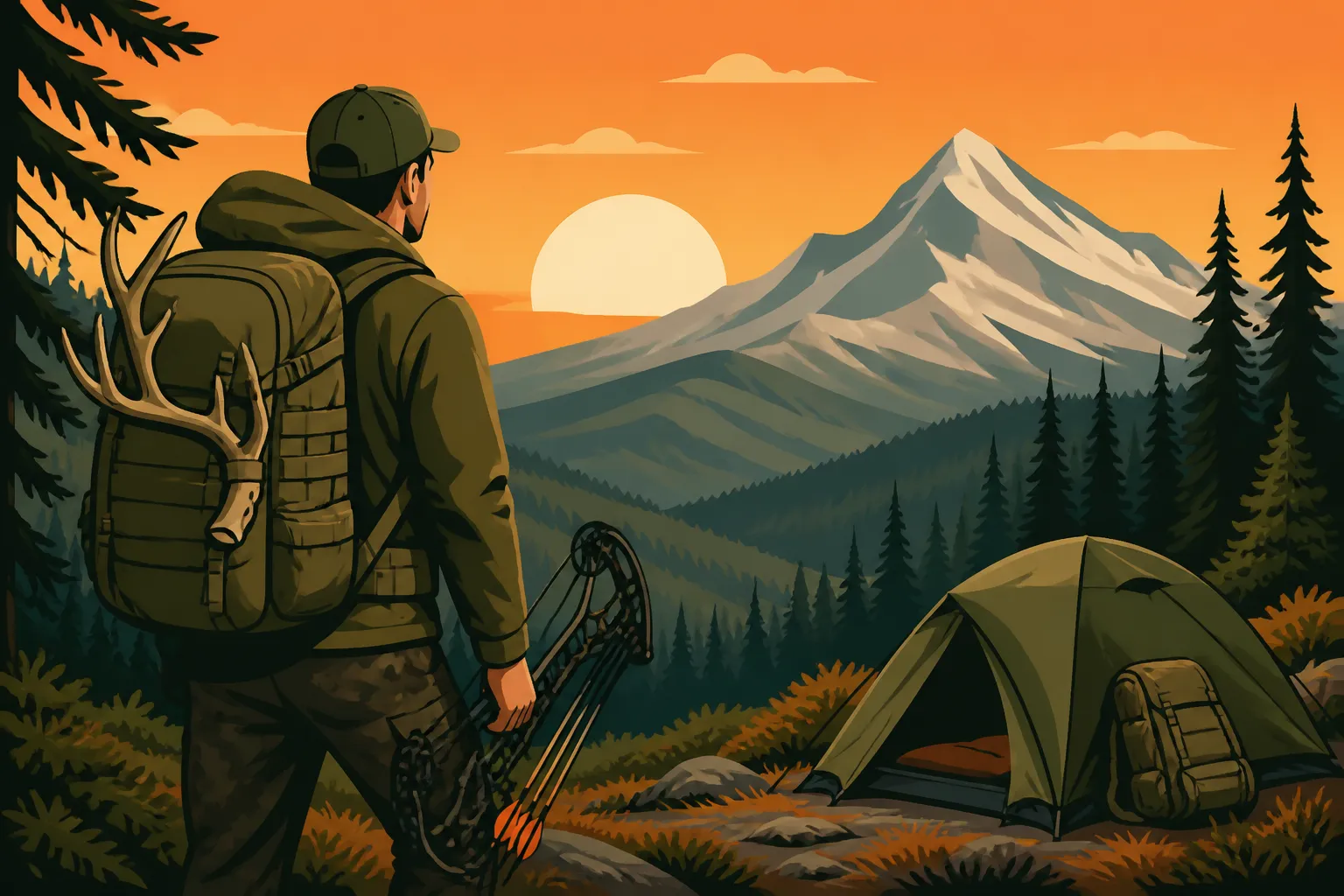
Stepping deep into Oregon's wilderness areas with nothing but what you can carry on your back is an experience unlike any other, yet it comes with unique challenges. The sheer thought of being miles from the nearest road, fully self-sufficient, can be daunting, but it also promises an unparalleled connection to nature and access to game that rarely sees human pressure. This guide is dedicated to helping you plan, prepare, and execute a successful backpack camp in Oregon's rugged backcountry, ensuring you're not just surviving, but thriving, in the wild.
Why Choose a Backpack Camp in Oregon's Wilderness?
The decision to ditch the truck and trek into the wilderness for your hunt isn't one taken lightly, but the rewards often far outweigh the effort. For many hunters, the call of the wild means truly immersing themselves in the landscape, escaping the roads, and finding solitude that's increasingly rare in today's crowded hunting units. A backpack camp is the ultimate expression of that desire, pushing you physically and mentally, while offering access to untouched pockets of Oregon's most incredible big game country.
Escaping Hunting Pressure and Finding Solitude
One of the most compelling reasons to embrace a backpack camp is the promise of escaping the crowds. General season hunts, especially for deer and elk, can often feel like a busy campground near road systems. When you commit to packing in several miles, you immediately filter out a significant percentage of other hunters, leaving you with more elbow room and less competition for wary animals. This reduction in pressure isn't just about feeling alone; it often translates to encountering less educated game that hasn't been bumped by vehicles or subjected to constant human scent.
Imagine the quiet of a remote basin in the Eagle Cap Wilderness, where the only sounds are the wind through the pines and the distant bugle of an elk. This level of solitude allows you to truly focus on the hunt, observing animal patterns without disturbance and experiencing the rhythm of the wilderness on its own terms. It's a profound difference from hunting areas easily accessible by vehicle, where the constant hum of traffic or sight of other orange vests can quickly disrupt a stalk. The deeper you go, the more pristine the experience, and the higher your chances of finding undisturbed game.
Accessing Remote and Unpressured Game Animals
Oregon's designated wilderness areas, and even significant roadless sections of national forests, hold some incredible hunting opportunities precisely because they are hard to reach. These areas often serve as critical habitat for big game like Roosevelt elk in the Coast Range or mule deer and Rocky Mountain elk in the Blue Mountains. Animals living in these remote pockets are less accustomed to human intrusion and often exhibit more natural behaviors, making for a more challenging but ultimately more rewarding hunt.
By establishing a backpack camp, you unlock vast tracts of public land that remain largely inaccessible to day hunters or those relying on vehicle-based camps. This strategic advantage allows you to reach bedding areas, remote water sources, or high-country feed zones that typically receive minimal pressure throughout the season. The ability to set up camp directly within these prime hunting grounds, allowing you to be in position at first light and hunt until dark without a long hike back to a vehicle, is a game-changer for serious backcountry hunters. It's about putting yourself right in the middle of where the animals live and reducing wasted time on travel.
Planning Your Oregon Wilderness Backpack Hunt
Planning is paramount for any wilderness hunt, and a backpack camp adds layers of complexity that demand meticulous attention. From understanding specific regulations that govern wilderness areas to selecting the right unit and ensuring you have the necessary maps, every detail matters. Without thorough preparation, even a short trip into the backcountry can quickly turn into a dangerous ordeal, especially in Oregon's unpredictable weather.
Understanding Wilderness Area Rules and Regulations
Before you even start looking at maps, you need to understand what it means to hunt in a federally designated wilderness area in Oregon. These pristine lands come with specific rules designed to preserve their wild character. For instance, you absolutely cannot use motorized vehicles or even wheeled game carts within wilderness boundaries, which means everything, including your harvest, must be packed out on your back or with the aid of approved stock like horses or llamas. These specific rules for Oregon Wilderness Rules That Ban Motorized Carts are crucial to grasp before you commit to a hunt.
Beyond motorized travel, there are often regulations regarding Group Size Limits in Wilderness Areas, fire restrictions, and leave-no-trace principles that are more strictly enforced than in other public lands. Always check the specific rules for the wilderness area you intend to enter, whether it's the Hells Canyon Wilderness, the Three Sisters, or the Kalmiopsis. You'll typically find this information on the respective National Forest Service website or through ODFW's hunting regulations pamphlet. Ignoring these rules not only risks fines but also jeopardizes the future of hunting access in these sensitive areas.
Choosing Your Wilderness Unit and E-Scouting
Oregon boasts several magnificent wilderness areas offering diverse hunting opportunities, from towering peaks to deep river canyons. For Rocky Mountain elk, areas like the Eagle Cap Wilderness in Northeast Oregon or portions of the Wenaha-Tucannon Wilderness can be prime. If you're chasing Roosevelt elk, the Coastal Range has wilderness sections or extensive roadless areas within the Siuslaw or Tillamook State Forests. Mule deer hunters might look to the Strawberry Mountain Wilderness or other high-desert units. The key is to match your target species with suitable habitat within a wilderness designation.
Once you have a general area in mind, E-Scouting Oregon Units With Satellite Imagery becomes your best friend. Tools like GoHunt's mapping platform or other digital mapping services allow you to virtually explore terrain, identify potential camping spots, glassing points, water sources, and likely game travel corridors from the comfort of your home. Look for hidden basins, benches, saddles, and dense timber patches that offer both cover and forage. Pay close attention to elevation changes, as these will dictate your physical exertion and potential game distribution. Mark waypoints for water, possible campsites, and escape routes, ensuring you have backup plans should your primary spots be occupied or unsuitable.
Obtaining Permits and Planning Logistics
While a general hunting license and tag are your primary requirements, some wilderness areas or specific national forest zones might require additional permits for overnight stays, especially during peak seasons. Always verify these requirements with the managing agency well in advance of your trip. Don't assume; a quick call to the local Ranger District can save you a lot of headache.
Logistically, consider your trailhead access and parking. Will you need a specific pass, like a Northwest Forest Pass? Where will you leave your vehicle for multiple days? Ensure your vehicle is secure and consider leaving a detailed trip plan with someone at home, including your expected return date and the specific area you'll be hunting. This is a crucial safety step, particularly for solo hunters or small groups. Think about your route in and out, elevation gain, and estimated time to cover the distance. Remember, a heavy pack slows you down significantly, so be realistic about how far you can comfortably travel in a day. If you're considering using stock, plan for Horse and Llama Packing Into Oregon Backcountry as an option.
Essential Gear for a Successful Backpack Camp
The gear you choose for a backpack camp is not just about comfort; it's about safety, efficiency, and ultimately, success. Every item must earn its place in your pack, carefully balancing weight with functionality, especially when you're carrying everything needed to sustain yourself for multiple days in rugged Oregon terrain. Investing in quality, lightweight gear is one of the best decisions you can make for a backcountry hunt.
Choosing Your Shelter and Sleep System
Your shelter is your sanctuary in the wilderness, protecting you from Oregon's notoriously unpredictable weather, which can range from warm sunshine to driving rain and even snow, sometimes all in the same day. Lightweight backpacking tents designed for three or four seasons are a popular choice, offering good protection and insect control. Look for models from brands like Big Agnes, MSR, or Nemo that strike a balance between weight, durability, and livability. Double-wall tents are generally preferred in wet climates to manage condensation.
Alternatively, some minimalist hunters opt for tarps, bivy sacks, or lightweight single-wall shelters. These options can drastically reduce weight but offer less protection from bugs and wind, and require more skill to pitch effectively. Whatever your choice, ensure it's rated for the weather conditions you expect and practice setting it up at home. For your sleep system, a lightweight sleeping bag with a warmth rating appropriate for expected nighttime lows (often 0 to 20 degrees Fahrenheit in the shoulder seasons) paired with a high R-value sleeping pad is critical for both warmth and comfort. An insulated pad prevents heat loss to the cold ground, making a huge difference in how well you recover each night.
| Gear Category | Item Examples | Key Considerations for Oregon Wilderness |
|---|---|---|
| Shelter | 2-3 person backpacking tent, lightweight tarp | 3-4 season rating, ability to withstand wind/rain, condensation management |
| Sleep System | Down/synthetic sleeping bag, insulated sleeping pad | Temperature rating (0-20°F), R-value of pad (3.0+), packed size/weight |
| Cooking | Lightweight stove & fuel, pot, spork | Fuel efficiency, boil time, reliability in cold/wind, minimal components |
| Navigation | GPS device, physical map, compass, phone with app | Redundancy, battery life, waterproof case, GoHunt offline maps |
| Water | Filter/purifier, collapsible bottles/bladder | Flow rate, filter lifespan, reliability, capacity for long dry stretches |
| First Aid | Comprehensive kit, personal medications | First Aid Kit Items for a Remote Hunt, wilderness-specific items |
| Rain Gear | Waterproof jacket & pants | Rain Gear That Actually Stays Dry, durable, breathable |
| Footwear | Sturdy waterproof boots, camp shoes | Boots for Wet Coastal Hunting, ankle support, broken-in |
Cooking Systems and Food Choices
When it comes to cooking in the backcountry, efficiency and weight are paramount. A lightweight canister stove, such as those from Jetboil or MSR, is a popular choice for its ease of use and quick boil times. Bring enough fuel for your entire trip, plus a little extra for emergencies. A single titanium pot is usually sufficient for boiling water for dehydrated meals, coffee, and rehydrating.
Your food choices should focus on high-calorie, lightweight, and easily prepared meals. Dehydrated backpacking meals are a staple, but supplement them with high-energy snacks like nuts, jerky, energy bars, and dried fruit. Don't skimp on calories; you'll be burning a lot of them during strenuous hiking and hunting. Plan your meals carefully, weighing out portions before you leave home to minimize waste and ensure you have enough. Pack everything in durable, waterproof bags to protect against moisture and critters.
Navigation, Water, and Safety Essentials
Reliable navigation is non-negotiable in Oregon's vast wilderness. Carry a dedicated GPS device or a smartphone with robust offline mapping capabilities, like those offered by GoHunt. Always back it up with a physical map of the area and a compass, and know how to use them. Mark your camp location, water sources, and critical waypoints. Bring spare batteries for your electronics.
Water is life in the backcountry. While Oregon has many streams and springs, some areas can be surprisingly dry, or water sources might be seasonal. Always carry a reliable water filter or purification system (e.g., Sawyer Squeeze, Katadyn BeFree) and know how to use it. Carry enough water capacity (collapsible bottles or a hydration bladder) for a full day's hunt, especially when venturing away from camp.
For safety, a comprehensive First Aid Kit Items for a Remote Hunt is essential, tailored for wilderness conditions. Include items for blisters, cuts, sprains, and any personal medications. Consider a personal locator beacon (PLB) or satellite messenger (Garmin InReach, Zoleo) for emergency communication where cell service is non-existent, which is common in Oregon's remote areas. A headlamp with spare batteries, a fire starter, a knife, and cordage are also non-negotiable safety items. Lastly, proper physical conditioning is crucial for a successful backpack hunt, so don't overlook Physical Training for an Oregon Elk Hunt in your preparation.
Setting Up and Managing Your Wilderness Camp
Once you've made the strenuous trek into your chosen hunting grounds, setting up an efficient and low-impact camp is the next critical step. Your camp becomes your base of operations, a place to rest, refuel, and strategize, but it must be established with respect for the wilderness and a clear understanding of best practices.
Choosing the Ideal Campsite
Selecting the right campsite is a balance of comfort, safety, and strategic positioning for your hunt. Look for a flat, well-drained area that's naturally sheltered from prevailing winds but isn't in a low-lying spot prone to collecting cold air or standing water. Avoid setting up directly on game trails or near obvious water sources to minimize disturbance to animals. Aim for a location that's at least 200 feet from water, trails, and other camps, adhering to Leave No Trace principles.
Consider proximity to good glassing points, potential game travel routes, and a reliable water source. In heavily timbered areas, a small, open bench or a sparse stand of trees can offer good protection while still providing a clear shot at the sky for satellite communication or navigation. Always check for overhead hazards like dead branches (widowmakers) that could fall in a windstorm. Your campsite should be as unobtrusive as possible, blending into the natural landscape.
Bear Awareness and Food Storage
Oregon is home to a healthy black bear population, particularly in the Coast Range and Cascade Mountains. Proper bear awareness and food storage are not just good practice; they are essential for your safety and for preventing bears from becoming habituated to human food, which often leads to their demise. Never store food, scented items (toothpaste, deodorant), or even cooking utensils in your tent.
Use a bear-resistant food container (bear canister), a bear bag hung from a tree using the PCT method (at least 10-12 feet high and 4-6 feet from the trunk), or a bear fence if available. Cook and eat away from your tent, and dispose of all food waste properly (pack it out). Even small crumbs can attract unwanted visitors. Being vigilant about bear safety allows you to focus on your hunt rather than worrying about a midnight encounter.
Minimizing Impact and Leave No Trace Principles
The cornerstone of wilderness travel is leaving no trace. This means packing out everything you pack in, and often more. Inspect your campsite before leaving, ensuring no trash, food scraps, or gear is left behind. This commitment is vital for preserving the pristine nature of Oregon's wilderness for future generations and hunters.
When camping, use existing campsites whenever possible to prevent creating new impacts. If you must build a fire (and Hunting Camp Fire Restrictions in Dry Years allow it), use an existing fire ring or build a small, contained mound fire on mineral soil, dispersing the ashes completely when cool. Practice proper human waste disposal by digging a cathole at least 6-8 inches deep and 200 feet from water, camp, and trails. Pack out all toilet paper. Your goal is for no one to know you were ever there, protecting the very essence of why we seek out these wild places.
Managing a Kill in Remote Wilderness
Successfully harvesting an animal deep in the backcountry is the ultimate reward, but it brings with it the most significant challenge of a backpack hunt: getting the meat out. This is where your planning and physical conditioning truly pay off. Immediately after the kill, you'll need to field dress the animal and begin the quartering process. The gutless method is often preferred for efficiency and to minimize heavy lifting, but familiarity with Field Dressing an Elk in Warm Early-Season Weather is crucial.
You'll need sturdy game bags to protect the meat from dirt, flies, and debris. Cooling the meat quickly is paramount, especially in warmer early-season hunts, so try to hang quarters in the shade, allowing air circulation. Depending on the size of the animal and your strength, you may need to make multiple trips. For a bull elk, plan on at least 3-4 trips for one hunter, carrying 50-80 pounds per load. Having a strong, comfortable pack frame is invaluable. Remember to check Getting Meat Out Before It Spoils guidelines and be mindful of your timeline, especially if you're many miles from the trailhead. Knowing how to bone out an animal or use the gutless method will significantly reduce the weight you need to carry, making the packing process more manageable.
Disclaimer
Please note that hunting regulations, seasons, and access rules in Oregon can change. Always consult the most current Oregon Department of Fish and Wildlife (ODFW) regulations pamphlet and relevant land management agency websites (e.g., US Forest Service, BLM) before planning any hunting trip. This guide is for informational purposes only and does not supersede official regulations.