Blacktail Rut Timing in Western Oregon
Oh, the blacktail rut in Western Oregon! It's one of those times of year that can drive a hunter absolutely wild, not just with excitement, but with genuine frustration. You hear whispers of when it's supposed to happen, you check all the forums, but then you get out in the woods and it feels like the deer didn't get the memo. Pinpointing that exact window where bucks lose their minds and drop their guard can feel like chasing a ghost. This guide is here to unravel the mysteries of blacktail rut timing in Western Oregon, giving you the insights and strategies to be in the right place at the right time.
Understanding the Elusive Blacktail Rut in Western Oregon
Hunting blacktail deer in Western Oregon is already a challenge, given their preference for dense cover and often rugged terrain. But when the rut hits, it's a game-changer. Suddenly, those reclusive bucks, usually masters of stealth, become more visible, more vocal, and significantly more vulnerable. It’s the period every serious blacktail hunter eagerly anticipates, but understanding its ebb and flow is key.
What is the Rut and Why Does it Matter for Blacktail Hunters?
At its core, the rut is the deer breeding season. It's a biologically driven process where bucks, fueled by surging testosterone, are solely focused on finding and breeding with receptive does. This intense drive overrides their natural caution, making them bolder and more active during daylight hours, often moving through areas they'd typically avoid. For hunters, this behavioral shift is everything. It's the best window to consistently see mature bucks, track their movements, and capitalize on their single-minded pursuit of does.
Blacktail deer, in particular, can be incredibly difficult to pattern outside of the rut. Their habitat—thick coastal forests, brushy clearcuts, and steep canyons—allows them to remain hidden year-round. But during the rut, a big buck might cross an open clearcut in broad daylight, or respond to a grunt call, something almost unheard of a few weeks earlier. It's truly a unique opportunity that transforms an incredibly tough hunt into one with tangible chances for success.
Key Factors Influencing Rut Timing in Western Oregon
Unlike some other deer species that have a very tight, predictable rut window, blacktails in Western Oregon can sometimes feel a bit more spread out. However, there are fundamental drivers that kick off the breeding cycle, even if the peak intensity can vary slightly year to year.
The primary driver, the one that truly dictates when the rut begins, is photoperiod—the length of daylight hours. As the days shorten after the summer solstice, a deer's body begins to produce hormones that initiate the breeding cycle. This is an unchangeable biological clock, ensuring that fawns are born at an optimal time in the spring when food is abundant.
While photoperiod is the trigger, other factors can influence the intensity and visibility of the rut. Temperature is a big one. Unseasonably warm weather can make bucks less active during the day, pushing their movements into cooler evenings and early mornings. Conversely, a sharp cold snap can invigorate them, leading to more aggressive chasing. The moon phase is a perennial debate among hunters. While no scientific consensus strongly links it to the timing of the rut itself, many hunters observe increased daytime movement during certain moon phases, particularly around the full moon, as bucks may shift nocturnal activity to daylight hours. Finally, the individual doe estrus cycles are crucial. A buck is only truly "rutting" when there's a receptive doe to pursue. The peak of the rut often coincides with the majority of does entering estrus simultaneously.
Typical Rut Phases and Behavioral Patterns
Understanding that the blacktail rut isn't a single "day" but a series of overlapping phases can dramatically improve your hunting strategy. Each phase presents different opportunities and requires adapting your approach.
The Pre-Rut Build-Up (Late October – Early November)
This is the phase of increasing anticipation and preparation. Bucks are no longer just feeding; their hormonal changes are starting to kick in, leading to a noticeable shift in behavior. You'll begin to see more frequent and aggressive sign-making. Bucks will start polishing their antlers on saplings and brush, creating fresh rubs. These aren't just for shedding velvet anymore; they're scent markers and displays of dominance. You'll also find fresh scrapes—areas where bucks paw away leaves and debris, often under a low-hanging "licking branch," and deposit urine. These are communication hubs, advertising their presence to other deer. For more on what to look for, check out our guide on Blacktail Rut and Antler Development.
During this period, bucks are actively cruising their home range, scent-checking for the first does coming into estrus. They're establishing their dominance hierarchy, sometimes engaging in sparring matches. While chasing isn't widespread yet, you might catch glimpses of bucks following does intently. They are definitely more visible than in the pre-season, but still somewhat cautious, making them a challenge to intercept.
Peak Rut Intensity (Mid-November – Early December)
This is the climax, the window every Western Oregon blacktail hunter dreams of. Typically, the peak rut for blacktails in Western Oregon falls most consistently in mid-November, often extending into the first week or two of December. During these weeks, the majority of does become receptive, and bucks go into overdrive. Their focus on breeding becomes almost absolute.
You'll see frantic chasing, with bucks hot on the heels of does, sometimes for hours. They'll pay less attention to their surroundings, becoming more vocal with grunts and tending bleats. This is when a buck might momentarily ignore your presence or respond aggressively to calls like rattling or grunt tubes. If you've ever had a blacktail buck practically run you over while chasing a doe, you know the intensity of this phase. This is the prime time for rattling, as bucks are ready to fight for breeding rights, as discussed in our piece on Rattling for Blacktail Bucks. It’s common for hunters to witness multiple bucks vying for a single doe, creating chaotic, high-opportunity situations.
Post-Rut and Secondary Breeding (Mid-December – January)
As the primary breeding surge winds down, bucks are often exhausted and have lost significant body weight. The intense chasing subsides, and many bucks return to focusing on replenishing their energy reserves. However, the rut isn't entirely over. Some does may not have been bred during the initial peak, or may re-enter estrus approximately 28 days later. This leads to a "secondary rut" in late December and even into January.
During this post-rut phase, you can still find pockets of buck activity, particularly around unbred does or younger does that come into estrus later. Bucks will be less frenzied than during the peak but might still be susceptible to calling or patient still-hunting. They're often seeking good forage and dense thermal cover to recover, making these areas key spots to check. While not as intense as the peak, the secondary rut can offer late-season opportunities for persistent hunters, especially when coupled with colder weather.
Strategies for Locating and Hunting Rutting Blacktails
Hunting the blacktail rut isn't just about showing up in mid-November; it's about being observant, adapting your tactics, and leveraging the resources available to you.
Reading the Sign and Habitat
Before and during the rut, deer leave a clear trail of breadcrumbs (sometimes literally!) indicating their activity. Scouting for fresh rubs is crucial. Look for them on saplings and small trees, especially along travel corridors leading from bedding to feeding areas, or through dense clearcuts. The higher the rub, often the larger the buck. Scrapes are another dead giveaway. A freshly pawed scrape with a low-hanging licking branch covered in slobber and scent is a beacon of buck activity. These are often found at junctions of deer trails or along the edges of timber where bucks feel secure.
Focus your efforts on transition areas. These are the edges where different habitats meet: the fringe of a dense clearcut bordering mature timber, creek bottoms that offer cover and water, or the transition from open fields to brushy draws. Bucks will often cruise these edges looking for does. Our guide on Reading Clearcut Edges for Blacktail Bucks offers excellent tips for these types of areas. Remember that blacktails thrive in security cover, so think thickets, replanted clearcuts, and areas with dense undergrowth. Understanding Blacktail Deer Habitat in Oregon Clearcuts can give you an edge in identifying prime rutting grounds.
Adapting Your Hunting Tactics
When the rut is on, your usual still-hunting strategy might need a slight tweak. Bucks are moving more, but they are still blacktails.
- Still-Hunting: Remain incredibly slow and deliberate. Move a few steps, then stop and glass thoroughly, especially into thick cover and shadows. Bucks might be bedded near does or slowly trailing them. This tactic is particularly effective in the dense, wet coastal brush, as detailed in Still-Hunting Speed in Wet Brush. Look for flicking ears, a patch of hide, or antler tips.
- Calling: During the peak rut, calling can be highly effective. Soft grunts can lure a curious buck closer. Doe bleats can attract bucks searching for receptive females. As mentioned earlier, rattling can trigger an aggressive response from dominant bucks. Experiment with different calls based on the activity you're seeing.
- Stand Hunting/Ambush: If you've located a hot scrape line or a consistent travel corridor between doe bedding and feeding areas, consider setting up an ambush. Wind direction is paramount. Patience is key, as bucks might cruise through at any time, not just dawn and dusk.
- Glassing: Don't underestimate the power of good optics, even in timber. Find high vantage points overlooking clearcuts, logging roads, or open hillsides, especially in the early morning and late evening. Even during midday lulls, bucks might move from one bedding area to another.
Leveraging Modern Scouting Tools
In today's hunting world, technology can be a huge asset in understanding and predicting the rut.
- Trail Cameras: These are invaluable. Place cameras over active scrapes, rubs, and along known travel routes. They provide objective data on when bucks are moving, their size, and more importantly, when they're interacting with does. Monitoring your cameras regularly (while minimizing disturbance) will give you real-time insight into the precise timing of the rut in your specific hunting area. For optimal results, consider tips from Trail Camera Placement on Public Land.
- Mapping Software: Tools like GoHunt's mapping platform are fantastic for pre-season scouting and in-season adjustments. You can identify potential bedding areas, feeding zones, and critical travel corridors that connect them. Overlaying public land boundaries, timber cuts, and topography helps you pinpoint natural funnels where rutting bucks are likely to travel. GoHunt also provides invaluable resources for understanding unit boundaries and access, especially when you’re scouting new areas. Using GoHunt to identify areas with a mix of dense cover and diverse forage will help you narrow down where does are likely to be, and where bucks will follow.
Regional Considerations for Western Oregon Blacktails
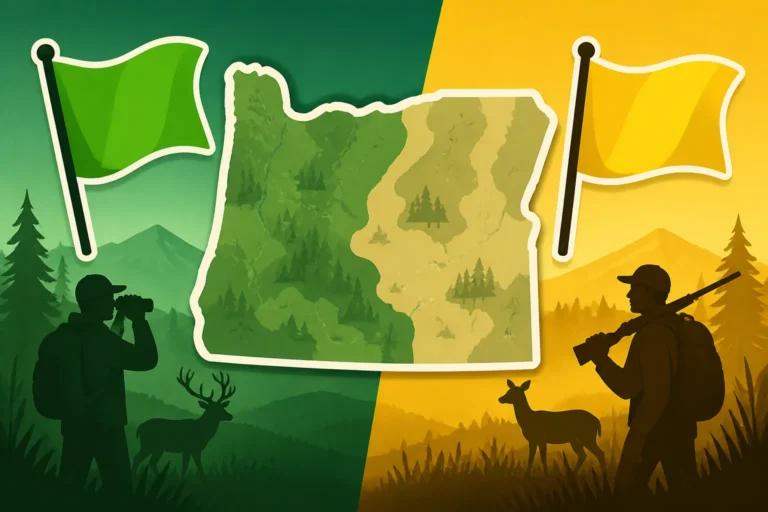
While the general timing of the blacktail rut follows the patterns discussed, Western Oregon is a diverse landscape, and some subtle regional differences can influence your hunt.
Coast Range vs. Cascades Foothills Influences
The vast Coast Range and the foothills of the Cascade Mountains offer distinct blacktail habitats and can present slightly different rut characteristics.
- Coast Range: This region is known for its dense, wet forests, frequent clearcuts, and often milder winters. The abundance of dense cover can make the rut feel a bit more prolonged or spread out, as bucks might not have to cover as much ground to find does. The consistent moisture can also make tracking easier but might mute scent trails faster. The rut timing tends to be very consistent here in mid-November. Access often involves navigating private timber lands, which means understanding permit systems like those for Weyerhaeuser or Hancock, or seeking out areas involved in programs like Hunting Clearcuts on Private Timber Land.
- Cascades Foothills / Willamette Valley: Further inland, the weather can be colder and drier, especially during a clear spell in November. This might lead to a more intense, compressed peak rut as cold temperatures can energize bucks. These areas can have a mix of timber, agricultural fields, and brushy draws. Bucks in these transition zones might respond differently to calls or move more overtly between cover and food sources.
General Season Dates and Rut Overlap
One of the great advantages of hunting blacktails in Oregon is that the general rifle season for buck deer often aligns perfectly with the peak of the rut in November. This means rifle hunters frequently get to experience the most exciting period of the year.
However, other seasons offer excellent opportunities as well:
- Archery Season: Occurring earlier in the fall, typically in August and September, the archery season often coincides with the pre-rut phase when bucks are still hard-horned and establishing territories. While not the peak rut, it’s a time to scout for big bucks before they get completely consumed by breeding. For those who brave the early season, knowing Oregon Archery Season Opening Date is critical for planning.
- Muzzleloader Season: Often falling in late September or early October, or even later depending on the controlled hunt, muzzleloader hunters can catch the early signs of the pre-rut or the very tail end of the peak rut, depending on their specific tag. Understanding Oregon Muzzleloader Hunt Dates can help identify when bucks are just starting to show rutting behavior.
Being in the woods during the general rifle season, particularly the second and third weeks of November, gives you the highest probability of encountering a rut-crazed blacktail buck in Western Oregon. Persistence, keen observation of fresh sign, and adapting your strategy to the current phase of the rut will significantly increase your odds.
| Rut Phase | Typical Timing | Buck Behavior | Hunter Strategy |
|---|---|---|---|
| Pre-Rut Build-Up | Late Oct – Early Nov | Increased rubbing, scraping, sparring, scent-checking | Scouting for fresh sign, still-hunting travel corridors, soft calling |
| Peak Rut Intensity | Mid Nov – Early Dec | Frantic chasing, breeding, reduced caution, vocal | Aggressive calling (rattling, grunts), stand hunting pinch points, still-hunting around doe groups |
| Post-Rut/Secondary Rut | Mid Dec – Early Jan | Exhausted but still searching, recovering, occasional breeding | Patient still-hunting near food & cover, soft calling, targeting unbred does |
Disclaimer
Hunting is an inherently dangerous activity. Always prioritize safety, understand and adhere to all Oregon Department of Fish and Wildlife (ODFW) regulations, and respect private property. The information provided here is for educational and entertainment purposes and should not replace official ODFW regulations or professional guide advice. Conditions in the field can change rapidly, and responsible hunters always stay informed and prepared.