Coolers Versus Freezer Shipping
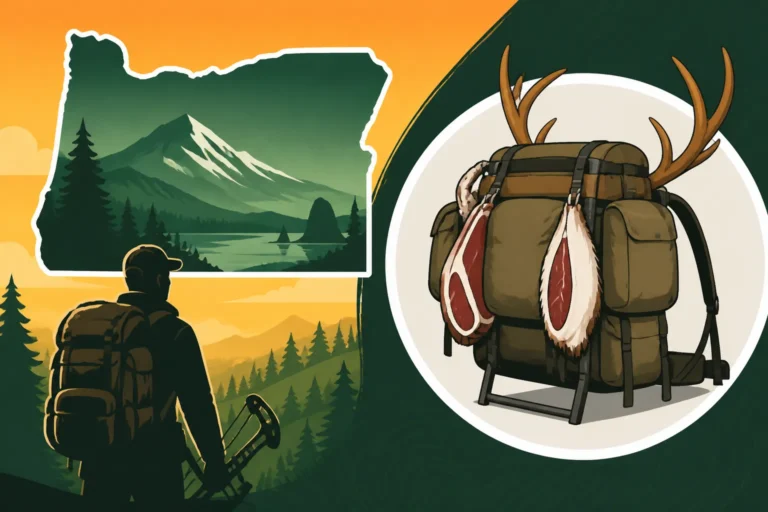
You’ve done the hard part. The hunt was successful, the animal is on the ground, and now the real work of getting that precious game meat home begins. For many Oregon hunters, especially those traveling a significant distance or hunting remote units, the question isn't if you'll get the meat home, but how you'll preserve its quality on the journey. This comprehensive guide will meticulously explore the two primary methods for game meat transport—packing in coolers versus professional freezer shipping—to help you make an informed decision and ensure your hard-earned bounty arrives safely at your kitchen.
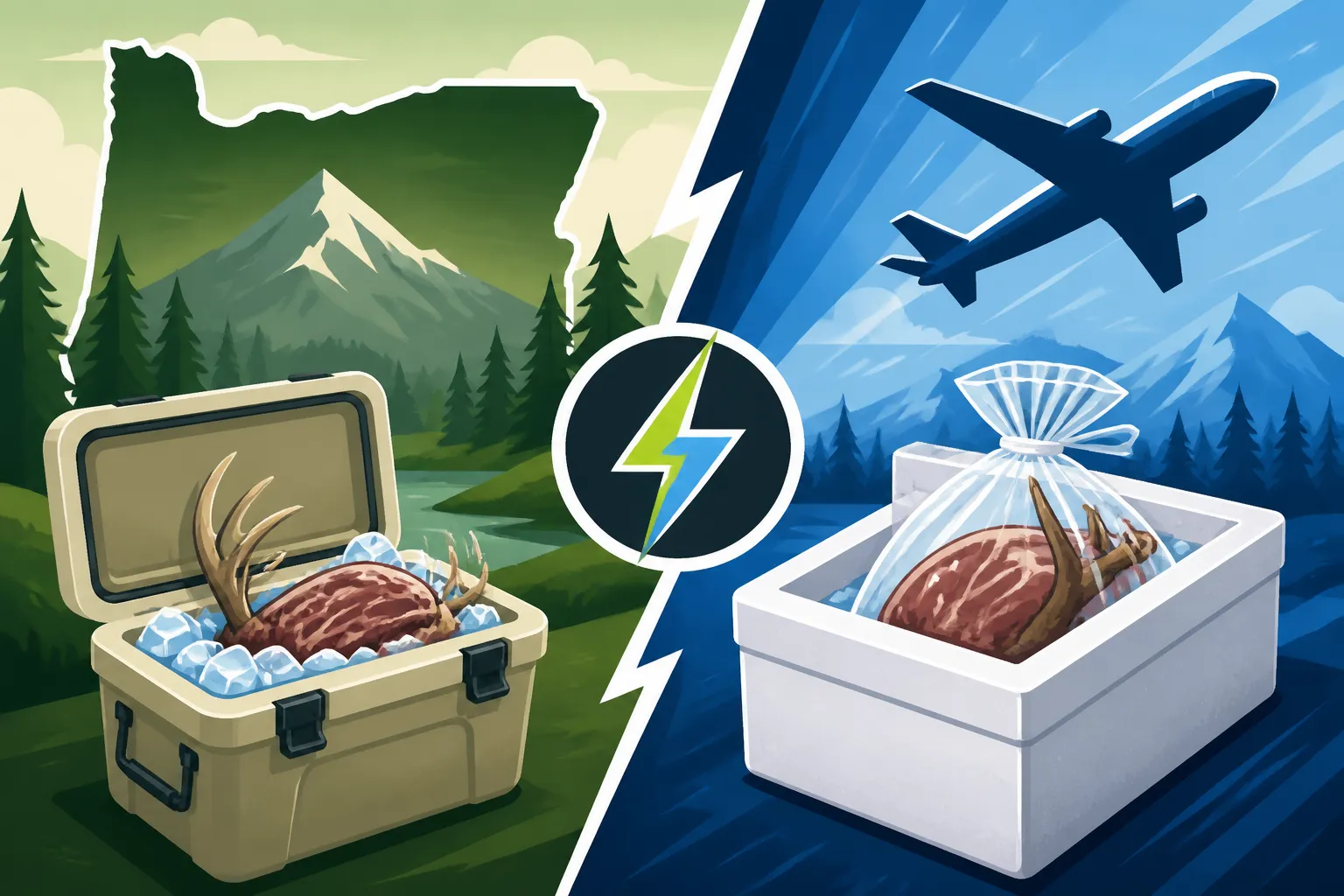
The Classic Method: Packing Game in Coolers
Ah, the trusty cooler. It’s been the workhorse of hunters for generations, a simple yet effective way to get meat from the field to your freezer. For many, it's the go-to because it feels like the most direct and controllable option. You’ve put in the effort to harvest the animal, and now you want to maintain that hands-on approach all the way through the transport.
Advantages of Using Coolers for Game Transport
There's a reason why coolers remain so popular, despite newer options. For starters, the upfront cost can be significantly lower if you already own a decent set of coolers. Most seasoned hunters have a collection of various sizes, from small personal ones to large chest coolers capable of holding a quarter of an elk. This means you're not shelling out extra cash for a specialized service right after spending money on tags, fuel, and gear. It feels like a more economical choice, especially when every penny counts after a big trip.
Another huge benefit is the control you retain over your meat. From the moment you begin Field Dressing an Elk in Warm Early-Season Weather or a deer, you are the master of its destiny. You dictate how it's handled, how much ice it gets, and how frequently you check its temperature. This level of oversight can bring peace of mind, especially for hunters who are meticulous about meat quality. If you're someone who likes to know exactly what's happening with your harvest every step of the way, keeping it in your own coolers allows for that constant vigilance. You can park your rig in the shade, add more ice as needed, and ensure proper drainage, all on your terms.
Coolers also offer unparalleled flexibility. Imagine you’ve just filled your tag for a Blacktail Deer Hunting in Oregon's Coastal Clearcuts trip. You're heading back from the Coast Range, but on your way, you remember there's a favorite little diner you wanted to hit, or perhaps a friend's house where you planned to share your hunting story. With meat packed securely in your coolers, you have the freedom to make these detours without worrying about a shipping deadline or a pickup window. It’s a direct extension of your hunt, allowing you to manage unexpected delays or enjoy a slower journey home without added stress about your meat. This immediate solution means you can go straight from processing the animal in the field to packing it for the drive, without needing to coordinate with a third-party service.
The Challenges and Considerations with Coolers
While the cooler method offers control, it also comes with its own set of logistical headaches, particularly on longer drives or in warmer conditions. The most significant challenge is ice management. It’s a constant battle, especially when you're driving back from Eastern Oregon in September where outside temperatures are still in the 80s. You're pulling into every gas station, praying they have enough ice to refill your coolers, often paying premium prices for bags that melt far too quickly. Melted ice, if not properly drained, can leave your meat sitting in lukewarm water, which is a fast track to bacterial growth and spoilage. Trying to keep meat out of that meltwater with grates or constantly draining the coolers can be an exhausting chore on a long drive.
Then there's the sheer space and weight. If you've been lucky enough to bag a bull elk, you're not talking about one or two small coolers. You're looking at multiple large coolers, each weighing a considerable amount when full of meat and ice. This requires significant vehicle space, often filling the entire bed of a pickup or taking up most of the cargo area in an SUV. Loading and unloading these heavy coolers can be a back-breaking task, especially after a physically demanding hunt. Imagine wrestling six overflowing coolers into the back of your truck at 2 AM after a successful hunt in the Malheur National Forest. It's not for the faint of heart, and proper planning for Packing Out an Elk in Oregon's Wilderness Units means considering how all that weight will then be handled for the drive.
Temperature fluctuation is another major concern. While coolers are designed to insulate, they aren't perfect refrigerators. Every time you open them to check the ice, or if you can't find enough ice to maintain optimal coldness, the internal temperature can creep up. This risk increases exponentially with multi-day drives or when ambient temperatures are high. If you're traveling across the state after a successful Oregon Elk Hunting Tactics for the November Rifle Seasons hunt and encounter unseasonably warm weather, maintaining that critical internal temperature below 40 degrees Fahrenheit becomes a high-stakes game. The fear of spoilage looms large, making the drive home far from relaxing. This is especially true for meat that isn't completely chilled or frozen solid before packing.
Best Practices for Cooler Packing
To mitigate these challenges, successful cooler packing requires forethought and strategy. First, always pre-chill your coolers before you even put the meat in them. Fill them with ice or cold water a day in advance, letting them get thoroughly cold. This prevents your fresh meat from having to cool down the cooler itself, saving your ice supply.
When it comes to ice, prioritize block ice over crushed or cubed ice whenever possible. Block ice melts much slower, providing more consistent cooling for a longer period. Some hunters even freeze gallon jugs of water, which serve as large, slow-melting ice blocks and, as a bonus, provide potable water once melted. If you're on an extended trip, consider investing in a high-quality cooler specifically designed for long-term ice retention. For really long hauls or in very warm conditions, a small amount of dry ice placed on top of the regular ice (and separated from the meat) can dramatically extend cooling times, but always use dry ice with extreme caution and ensure proper ventilation in your vehicle.
Meat preparation is paramount. After Field Dressing an Elk in Warm Early-Season Weather or a deer, ensure the meat is as clean and dry as possible. Quarter, bone out, and cut the meat into manageable pieces. Wrap each piece or group of pieces in heavy-duty game bags or vacuum-sealable bags. This keeps the meat protected from meltwater and prevents cross-contamination. Quartering and Packing an Elk Alone often means separating the muscle groups into smaller pieces, which are easier to handle and cool more efficiently.
Finally, manage meltwater. The worst thing you can do is let your meat sit in a slushy bath. Place a raised grate or a few clean, small logs at the bottom of your coolers before adding meat and ice. This elevates the meat, allowing meltwater to collect below without soaking the bags. Periodically drain the coolers, especially when you stop for gas or a break. Keeping the meat out of the water is critical for maintaining its quality. Taking these steps can significantly improve your chances of getting your meat home in prime condition, even after an epic hunt and a long drive.
The Modern Solution: Professional Freezer Shipping
While the cooler method is traditional, professional freezer shipping offers a contemporary solution, particularly appealing to hunters who prioritize convenience or face extensive travel distances. It's an investment in peace of mind, allowing you to offload a significant logistical burden.
The Benefits of Freezer Shipping Services
The primary draw of professional freezer shipping is sheer convenience. Imagine successfully completing a challenging Archery Elk Hunting Oregon's August and September Seasons trip in the high Cascades. You're physically exhausted, exhilarated, and maybe a little sore. The last thing you want to do is spend hours strategizing ice runs and wrestling heavy coolers. With freezer shipping, once your animal is processed and frozen (often by a local butcher who partners with shippers), your worries about temperature control, heavy lifting, or vehicle space evaporate. You simply arrange for the shipment, and trained professionals handle the rest, ensuring consistent freezing and secure transport right to your doorstep.
Reliability is another huge factor. Reputable shipping companies specialize in transporting perishable goods, meaning they have the infrastructure and experience to maintain cryogenic temperatures and secure packaging throughout the journey. They use insulated containers, often packed with industrial-grade dry ice, to ensure your meat stays frozen solid. This is a level of temperature control that is nearly impossible to replicate with personal coolers in your truck, especially during multi-day transit or in warm weather. For a nonresident hunter traveling to Oregon for a Rocky Mountain Elk in Eastern Oregon hunt, this service can be invaluable, eliminating the major headache of meat transport from hundreds or even thousands of miles away.
This convenience also grants you travel freedom. If you flew to Oregon for your hunt, attempting to transport an entire elk's worth of meat in coolers on a plane is simply not feasible. Freezer shipping allows you to book your flight home, knowing your meat will follow separately and safely. Even if you drove, the ability to leave the heavy, messy coolers behind and travel light can significantly reduce stress and improve the quality of your return journey. You might even have time to enjoy a few extra sights or visit friends without the constant pressure of keeping ice topped up. For hunters whose lifestyle or location makes traditional transport difficult, services like those recommended by GoHunt or offered by outfitters listed on BookYourHunt can be a game-changer for planning logistics.
Understanding the Process and Costs of Freezer Shipping
While undeniably convenient, understanding the process and associated costs of freezer shipping is crucial. The first step usually involves finding a reputable meat processor in the hunting area who offers or partners with shipping services. Many local butchers in popular hunting towns near areas like the Wallowas or Blue Mountains are accustomed to handling game meat for out-of-state hunters and can walk you through their options for processing, freezing, and shipping. It’s always wise to call ahead and confirm these services before your hunt, especially during peak season when processors might be overwhelmed.
Meat preparation for shipping typically involves having your game fully processed (cut, wrapped, and often vacuum-sealed) and then frozen solid. This solid-frozen state is critical for maintaining quality during transit. The processor will often hold the meat in their freezer until it's ready for packaging and pickup by the shipping company. For packaging, professional shippers use specialized insulated boxes, often made of thick styrofoam, designed to withstand temperature extremes. These are then packed with sufficient dry ice to keep the contents frozen for the expected transit time, sometimes with extra dry ice for contingencies. Proper labeling, including recipient information, contents, and dry ice warnings, is standard practice.
The cost structure for freezer shipping is usually based on several factors: the total weight of the meat, the distance it needs to travel, and the speed of service (e.g., overnight, 2-day, or ground). These costs can be significant, often adding several hundred dollars or more to the overall expense of your hunt, particularly for a large animal like an elk. For example, shipping 150-200 pounds of boned-out elk meat from, say, Baker City, Oregon, to an East Coast state, could easily run into a substantial figure. It’s important to get clear quotes from processors and shipping companies upfront to budget accordingly. While it's an added expense, many hunters find the peace of mind and convenience well worth the investment, especially when considering the Getting Meat Out Before It Spoils challenge in warm climates.
Potential Drawbacks and What to Watch For
Despite the benefits, professional freezer shipping isn't without its potential drawbacks, and being aware of them can help you plan better. The most obvious concern is the cost. While the convenience is high, the price tag can be a barrier for some hunters. Comparing the expense of several bags of ice and extra fuel for your vehicle against a multi-hundred-dollar shipping fee is a crucial budget consideration. For many, especially those on tighter budgets, this cost can be prohibitive, pushing them back to the DIY cooler method.
Another potential issue is timing. You are beholden to the processor's schedule and the shipping company's pickup and delivery windows. During peak hunting season, processors can be incredibly busy, leading to delays in getting your meat cut, wrapped, and frozen. If your hunt ends on a Friday and the processor is swamped, your meat might not be ready for shipment until the following week. Similarly, shipping companies have specific schedules, and missing a cutoff can mean your meat sits in a freezer longer than anticipated, or arrives later than you hoped. Imagine your meat misses the last shipping window before a long holiday weekend, leaving it stuck in a remote freezer for days. This dependency means you lose direct control over the immediate timeline of your meat’s journey.
Furthermore, while rare with reputable services, there's always a risk of damage or loss in transit. Packages can be misrouted, delayed, or even mishandled, potentially leading to thawing or spoilage. While most companies offer insurance, the hassle of dealing with a claim and the disappointment of lost game meat is a scenario every hunter hopes to avoid. It’s crucial to choose a processor and shipping service with a solid reputation. Don't hesitate to ask outfitters you might find through BookYourHunt or fellow hunters for recommendations on reliable local services.
Making the Right Choice for Your Oregon Hunt
Deciding between coolers and freezer shipping isn’t a one-size-fits-all answer. It’s a decision that weighs heavily on several factors unique to your hunt, your resources, and your personal preferences. Thinking through these aspects before your trip can save you a lot of headache (and potentially heartache) once the animal is on the ground.
Factors Influencing Your Decision
The first and most critical factor is the distance to your home. If you’re an Oregon resident hunting close to home, say a few hours' drive from the Willamette Valley Open Fields Properties to your house, then coolers are often the most practical and economical choice. You can easily manage ice and get the meat home quickly. However, if you’re traveling from the high desert of Eastern Oregon to an East Coast state, attempting a multi-day drive with coolers filled with elk meat is a Herculean task fraught with risk. For long distances, freezer shipping becomes much more appealing, if not essential.
Next, consider the size of the animal you harvest. A boned-out blacktail deer can typically be managed in two or three good-sized coolers. Deer Meat Yield From a Blacktail isn't massive, making it manageable for most vehicles. An entire boned-out bull elk, however, is a different beast entirely. Elk Meat Yield From a Roosevelt Bull can easily reach 150-250 pounds of pure meat, requiring four to six large coolers, plus ice. This exponentially increases the challenges of space, weight, and ice management. The logistics of handling such a volume often sway hunters towards professional shipping for larger game.
The type of hunt and location also play a huge role. If you're on a Multi-Day Camps in Oregon's Roadless Country hunt deep in a wilderness area, packing out the meat is already a monumental effort. Adding the stress of immediate ice resupply or trying to find a processor nearby after emerging from the backcountry can be overwhelming. In such cases, having a plan for either an immediate drive to a trusted processor or having a shipping service ready can be a huge relief. Contrast this with a hunt near a town with easy access to ice and processors, where coolers are perfectly viable.
Your budget is, of course, a major determinant. Analyze the full cost: what will you spend on ice (and how much gas will you use making detours for ice?), versus the total quoted price for professional processing and shipping. Sometimes, the perceived savings of coolers evaporate when you factor in all the hidden costs and stress.
Finally, your personal preference matters. Do you value ultimate control over your meat, even if it means more work? Or do you prioritize convenience and reliability, even if it costs more? There's no right or wrong answer, just what works best for you after a challenging hunt. For those who book hunts through platforms like BookYourHunt, it's a good idea to discuss meat handling and shipping options with your outfitter ahead of time.
Hybrid Approaches and Contingency Planning
Sometimes, the best solution isn't one or the other, but a blend of both methods. A hybrid approach can offer the best of both worlds, balancing cost, convenience, and control. For instance, you might opt to ship a portion of your meat, perhaps the prime cuts or the quarters you want to ensure stay absolutely pristine, while driving home with the rest in coolers. This can reduce overall shipping costs while still taking advantage of professional handling for some of your harvest.
Another popular hybrid strategy is to have a local processor cut, wrap, and freeze all your meat, and then you pack the already frozen blocks into your coolers for the drive home. Frozen meat in coolers holds its temperature far better and for much longer than fresh, unfrozen meat. By doing this, your ice expenditure will be much lower, and the risk of spoilage significantly reduced, making even longer drives manageable. You can even supplement with a small amount of dry ice on top of your frozen packages, ensuring they stay rock-solid for the duration of the journey. Always remember to separate dry ice from direct contact with meat using cardboard or a towel to prevent freezer burn.
Regardless of your chosen method, good communication is key. Inform your processor or outfitter of your transport plans well in advance. If you're relying on a local butcher for processing, ask about their busiest times, their turnaround for freezing, and any shipping partners they recommend. If you're flying, confirm airport regulations for transporting coolers or dry ice, or coordinate directly with your shipping company. Coolers, Ice and the Drive Home From Eastern Oregon can be a complex endeavor, but with planning, communication, and perhaps a mix of strategies, you can ensure your hard-earned game makes it home safe and sound.
| Feature | Coolers (DIY) | Freezer Shipping (Professional) |
|---|---|---|
| Cost | Lower upfront (if coolers owned), ongoing ice costs | Higher, based on weight, distance, speed |
| Convenience | Lower, requires active management & lifting | Higher, hands-off after drop-off |
| Control | High, direct oversight of meat and ice | Low, dependent on processor & shipper schedules |
| Reliability | Variable, depends on effort & conditions | High, professional freezing & insulated transport |
| Travel Freedom | Limited, bulky, messy, requires continuous monitoring | High, allows flying or light travel home |
| Space Required | Significant vehicle space for multiple large coolers | Minimal vehicle space (just for drop-off) |
| Ideal For | Short-distance travel, smaller animals, budget-conscious | Long-distance travel, large animals, convenience-seeking |
Disclaimer
This article is for general informational purposes only and does not constitute professional advice. Laws, prices and regulations vary by location and change over time. Consult a qualified professional for guidance on your specific situation.