Guiding on Public Land Versus Private Land in Oregon
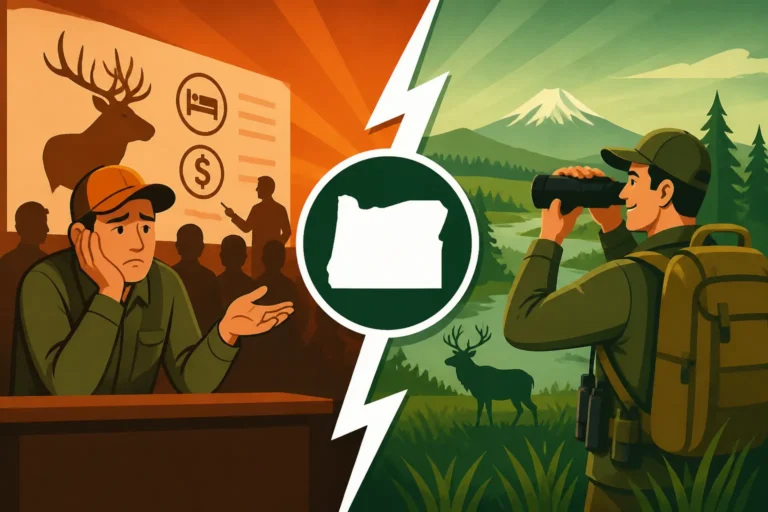
It's no secret that the dream of a successful hunt in Oregon often involves navigating a complex landscape of regulations, access, and experience. One of the biggest puzzles for many hunters, especially when considering a guided trip, is understanding the fundamental difference between hiring a guide for public land versus opting for a private land excursion. This guide aims to demystify the distinct realities of guiding on public versus private ground in Oregon, helping you make an informed decision for your next adventure.
Understanding Public Land Guiding in Oregon
Public lands in Oregon – your National Forests, BLM lands, and State Forests – offer incredible hunting opportunities, but they come with their own set of rules and challenges, especially for guided hunts. While these lands belong to everyone, outfitters operating on them still need special authorization to conduct business.
Federal Regulations and Permits
When an outfitter guides on federal lands like those managed by the U.S. Forest Service or the Bureau of Land Management (BLM), they're essentially running a commercial operation on public property. This isn't a free-for-all. These guides are required to hold specific permits – often called special use permits – issued by the managing agency. These permits dictate where they can operate, how many clients they can bring, and even what activities they're allowed to conduct. It's a system designed to manage impact on public resources and ensure fairness.
Think of it like setting up a business in a national park; you can't just hang out a shingle. The Forest Service, for example, assigns outfitter territories or specific use areas. This means your guide might be permitted to hunt certain units or drainages within a national forest but not others. It's crucial for both the guide and the client to understand these boundaries, as straying outside them can lead to serious fines and revocation of permits. This system can also limit the number of outfitters in a particular area, which can make booking certain popular hunts a challenge. Special Use Permits for Forest Service Land provides more detail on these requirements.
State Regulations and ODFW Oversight
Beyond federal permits, all hunting guides in Oregon, regardless of whether they operate on public or private land, must be registered with the Oregon State Marine Board. This might seem a little odd – the Marine Board for land-based hunting? Yes, that's how Oregon set it up. This registration ensures a baseline level of accountability and safety. Guides need to meet specific criteria, including carrying appropriate insurance, holding first-aid certifications, and adhering to professional standards.
The Oregon Department of Fish and Wildlife (ODFW) also plays a significant role, though more indirectly. While ODFW doesn't issue guiding permits directly, all hunting activities, guided or unguided, must comply with state hunting regulations. This includes tag requirements, season dates, weapon restrictions, and harvest limits. A reputable public land guide will be intimately familiar with both the federal land management regulations and all current ODFW hunting rules, ensuring a legal and ethical hunt for their clients. It’s also important to remember that all hunters, including those on guided trips, are personally responsible for understanding and following these rules.
Ethical Considerations and Hunter Etiquette
Public land guiding often involves a different kind of ethical tightrope walk than private land. On public ground, outfitters and their clients are sharing the landscape with DIY hunters, hikers, campers, and other recreational users. This means there's a heightened responsibility for courteous behavior and minimal impact. Guides on public land are often seen as representatives of the hunting community, and their actions can reflect on everyone.
This includes things like proper camp etiquette, respecting other hunters' space, and leaving no trace. A good public land guide will actively teach and reinforce these principles with their clients. While a guide might scout and have a good idea of where animals are, they cannot claim exclusive rights to a spot on public land. This means they have to be adaptable, prepared for encounters with other hunters, and willing to adjust plans, whereas private land might offer more predictable, isolated experiences. Hunters looking into guides can often find available trips on platforms like BookYourHunt, which may detail public land options.
The Dynamics of Private Land Guiding
Switching gears, private land guiding in Oregon offers a distinctly different experience, often characterized by exclusivity, intensive management, and a different set of logistical and financial considerations.
Access Agreements and Landowner Relations
The fundamental difference on private land is, quite simply, access. A private land guide has a direct agreement with a landowner, whether it's a rancher, a timber company, or an individual property owner. These agreements grant the guide and their clients exclusive (or semi-exclusive) hunting rights to specific parcels of land. This means you won't typically be bumping into other hunters that don't belong to your group or aren't part of the landowner's specific access program.
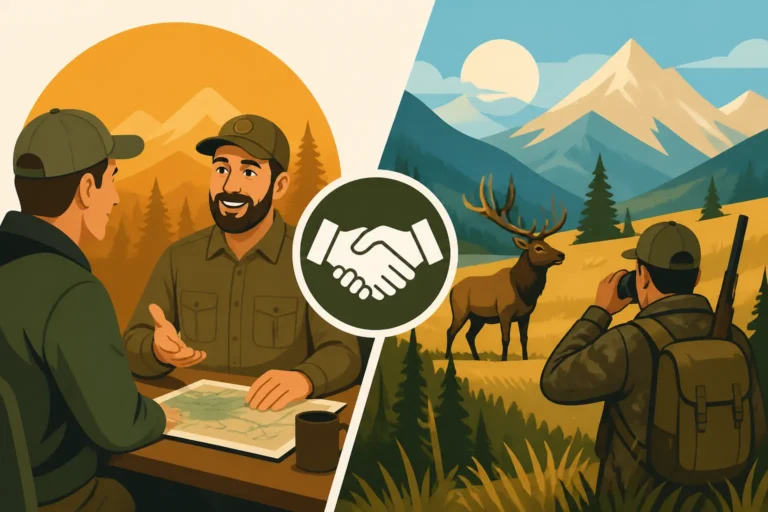
These relationships are often long-standing and built on trust. The guide acts as an intermediary, understanding the landowner's desires for game management, property care, and revenue generation. For the hunter, this translates into a much more controlled environment, potentially higher success rates due to limited pressure, and access to areas that might otherwise be completely off-limits. Asking a Landowner for Access is a foundational skill for DIY hunters, but guided trips take care of this complex negotiation for you.
Exclusive Rights and Management
One of the biggest draws of private land hunting is the exclusivity. When you're paying for a guided hunt on private property, you're often paying for the privilege of being the only hunters (or one of a very select few) in a given area during your hunt period. This significantly reduces competition and external pressure on the game animals. Landowners, often in conjunction with guides, might implement specific game management strategies, such as habitat improvements, food plots, or even supplemental feeding (where legal and ethical), to enhance game populations.
This level of control allows for more predictable hunting experiences. Animals on private land might be less skittish from constant human presence, and movement patterns can be more reliably observed. Guides who operate primarily on private land often have an intimate knowledge of the property's terrain, water sources, and game trails, having spent countless hours scouting and monitoring. This leads to a tailored hunt plan that maximizes opportunity.
Permitting and Fees on Private Timber Land
While private land typically means less red tape regarding hunting permits for the guide (beyond their Marine Board registration), there can still be complexities, especially with large industrial timber holdings. Many major timber companies in Oregon, such as Weyerhaeuser or Hancock, operate their own permit systems for public access or through exclusive leases with outfitters. These systems often involve fees for access, adherence to specific gate hours, and strict fire season closures.
When booking a private land hunt on industrial timber land, your guide will already have these access agreements in place. This means you won't be dealing with the intricacies of securing your own timber company permits or navigating complex access rules. Instead, you'll benefit from the guide's established relationship and knowledge of the specific property. These properties can range from vast clearcuts perfect for blacktails to dense timber stands holding elk, and understanding Hunting Private Timber Land With a Permit is key even for guides.
Key Differences: Public vs. Private Guided Hunts
Understanding the operational differences is one thing, but how do these translate into the actual hunt experience, costs, and availability for you, the hunter?
Hunt Experience and Success Rates
The hunt experience on public versus private land can feel worlds apart. On public land, especially during general seasons, you're embarking on a true wilderness adventure, but often with the added variable of other hunters. Your guide will work hard to put you on game, employing tactics like Calling Roosevelt Elk in Oregon Rainforest Timber or Glassing Eastern Oregon Rimrock for Mule Deer, but they must do so in a shared landscape. Success often feels hard-earned, battling both the elements and the occasional human interference. You might not see as many animals, but when you do, it feels incredibly rewarding. Public land hunting is often described as more challenging, requiring greater physical exertion and mental fortitude.
Private land hunts, conversely, tend to offer a more controlled and often more "canned" experience, though that's not always a bad thing. With reduced pressure and often managed game populations, the likelihood of encountering animals, and thus having a higher success rate, generally increases. This can be especially appealing for hunters seeking specific trophy animals or those with limited time or physical capabilities. The pursuit might involve less walking and more strategic sitting or stalking in known game areas. The experience focuses more on connecting with the animal and less on navigating crowded landscapes.
Cost Implications for Hunters
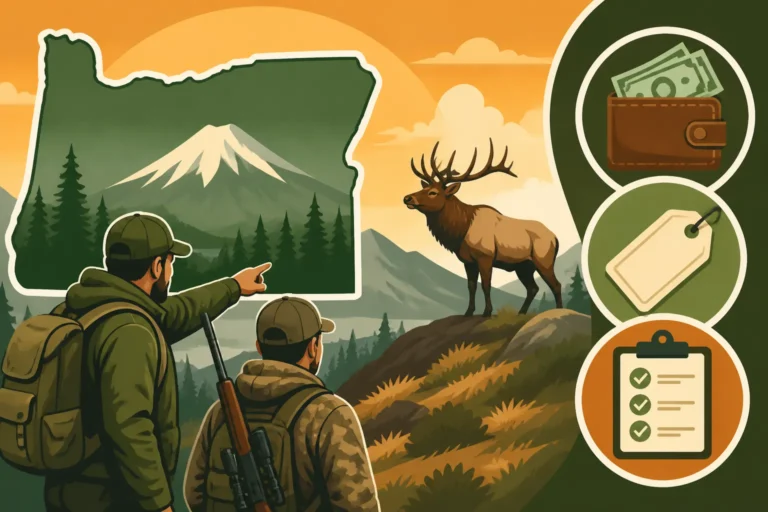
This is where the rubber often meets the road for many hunters. Generally speaking, guided hunts on private land come with a higher price tag than those on public land. Why? Because you're not just paying for the guide's expertise and time; you're also paying for the exclusive access to the land. Landowners charge outfitters for these leases, and that cost is passed on to the client. The higher the quality of the land, the better the game populations, and the more exclusive the access, the higher the price tends to climb.
Public land guides, while still needing to cover their operational costs, insurance, and federal permits, don't have the significant overhead of land leases. This can make public land guided hunts a more budget-friendly option for many. However, don't confuse lower cost with lower quality; many public land guides are exceptionally skilled at navigating the challenges and can provide incredible experiences for a fraction of the cost of a prime private ranch hunt. To get a sense of the investment, exploring What an Oregon Guided Elk Hunt Costs is a good starting point.
Availability and Booking Considerations
Booking a guided hunt on public or private land also comes with different lead times and availability. Public land guided hunts are often tied to general season dates and the state's draw system. While guides can sometimes help with strategies for Oregon Controlled Hunt Draw Explained, getting a tag is still largely up to the hunter's luck or preference points. Many public land guides fill up quickly, especially for popular seasons like archery elk or general deer rifle seasons, due to the sheer demand for experienced help in challenging terrain.
Private land hunts, particularly those on highly managed ranches, might offer more flexibility. Some outfitters have "guaranteed" tags or landowner preference tags (where legal and applicable), which can sometimes bypass the public draw system, or they might offer hunts during specific times that align with private land regulations. This can be a huge advantage for non-resident hunters or those who struggle to draw a tag. However, the most desirable private land hunts can book out years in advance, as their exclusivity creates a high demand among hunters willing to pay the premium. Many hunters consult online tools like GoHunt to research units and guides, regardless of land type.
Navigating the Legal and Logistical Maze
Choosing between a public and private land guided hunt isn't just about preference; it's about making sure your trip is legal, safe, and aligned with your expectations.
Verifying Guide Credentials for Both Land Types
Regardless of whether you choose a public or private land hunt, the first and most critical step is to verify your guide's credentials. In Oregon, this means checking their registration with the Oregon State Marine Board. A legitimate guide will readily provide their registration number, which you can then cross-reference with the Marine Board's public database. This simple step protects you from unlicensed or unethical operators.
For public land hunts, don't hesitate to ask your guide about their federal land permits. They should be able to tell you which Forest Service or BLM district they are permitted in and what type of special use permit they hold. A truly professional guide will be transparent about these details. If they're guiding on private land, you might ask about their relationship with the landowner, though the specific financial details of their lease are usually proprietary. Transparency is key; a guide who is cagey about their permits or credentials is a major red flag. Learning about Checking an Oregon Guide's Registration is invaluable.
| Feature | Public Land Guided Hunt | Private Land Guided Hunt |
|---|---|---|
| Land Ownership | Federal (Forest Service, BLM), State (State Forests) | Privately owned ranches, timber lands, individual properties |
| Access | Shared access with general public | Exclusive or semi-exclusive access granted by landowner |
| Guide Permits | Oregon Marine Board Registration + Federal Special Use Permit | Oregon Marine Board Registration (landowner handles property access) |
| Competition | High potential for other hunters | Low to none, depending on agreement |
| Game Management | Managed by state/federal agencies (ODFW, USFS, BLM) | Often actively managed by landowner/guide for game enhancement |
| Success Rates | Generally lower, more challenging | Generally higher, more predictable |
| Cost | Typically lower | Typically higher (includes land access fees) |
| Booking Lead Time | Varies; often dependent on tag draw or general season dates | Can be years in advance for prime spots, or opportunistic |
| Hunt Experience | More rugged, wilderness-like, adaptable to crowds | More controlled, secluded, potentially higher comfort |
| Ethical Considerations | High emphasis on shared resource etiquette | Emphasis on respecting landowner property and rules |
The Importance of a Solid Contract
Before committing to any guided hunt, public or private, always ensure you have a comprehensive written contract. This document is your protection and clearly outlines the expectations for both you and the guide. It should specify the dates of the hunt, the species you'll be pursuing, what's included in the price (e.g., meals, lodging, transportation from a meeting point, field care of game), and what's not. It should also detail cancellation policies, refund stipulations, and any potential trophy fees.
For private land hunts, the contract might also touch on specific rules for the property, like vehicle use restrictions or areas that are off-limits. For public land hunts, it might outline the designated hunting areas. A clear contract prevents misunderstandings and provides a framework for resolving any issues that might arise. Don't be afraid to ask questions about anything you don't understand in the contract. Your guide should be happy to clarify. This is a vital part of Guide Contracts and Deposits in Oregon.
Planning Your Hunt Based on Land Type
Your choice of public versus private land guiding should ultimately align with your personal hunting goals, budget, and desired experience. If you're looking for a true wilderness challenge, enjoy the potential for solitude (even if you have to work for it), and are comfortable with the inherent unpredictability and potential crowds of public land, a public land guide might be your best bet. They can often provide invaluable insight into E-Scouting Oregon Units With Satellite Imagery and finding hidden gems.
If, however, your priority is a higher likelihood of success, a more controlled environment, a specific trophy animal, or simply a less physically demanding hunt, and you're prepared for the higher cost, then a private land guide could be the ideal choice. These hunts often offer a more focused approach, sometimes even including better infrastructure like cabins or dedicated blinds. Think about what kind of story you want to tell and what kind of experience you truly crave when deciding. Both have their merits, but they cater to very different aspirations.
Disclaimer
This article is for general informational purposes only and does not constitute professional advice. Laws, prices and regulations vary by location and change over time. Consult a qualified professional for guidance on your specific situation.