Oregon Outfitter Success Rates and What They Measure
One of the biggest head-scratchers when you're trying to pick an outfitter for that dream Oregon hunting trip is trying to make sense of their "success rates." You see these numbers splashed across websites, and it’s easy to get caught up in the hype, but what do those percentages really tell you? Often, they don't paint the full picture, leaving hunters frustrated and confused about what to truly expect. This guide is here to unravel the mystery, showing you what outfitter success rates actually measure and how to use them wisely to pick the right guide for your adventure.
What Do "Success Rates" Even Mean?
When an outfitter throws out a "90% success rate," your mind immediately jumps to "90% of hunters shot an animal." And while that might be true in some rare, highly controlled scenarios, more often than not, it's a much softer number. Understanding the nuances is key to managing your expectations and making an informed decision about who to book with. It's not just about the kill, but what constitutes a genuine opportunity.
Defining "Harvest Success" vs. "Opportunity Rates"
Let's start by clarifying the two main types of "success" you'll encounter.
"Harvest success," or "kill success," is probably what you're hoping for. This is the percentage of hunters who actually put an animal on the ground. For example, if an outfitter takes ten hunters out for Oregon Roosevelt Elk Rifle Seasons in November and eight of them harvest an elk, that’s an 80% harvest success rate. This number is usually what folks mean when they talk about a hunt's success, and it’s a big deal. However, it can be tricky to consistently achieve, especially with wild, free-ranging animals.
Then there's "opportunity rate." This is where things get a bit fuzzier. An opportunity rate measures the percentage of hunters who had a shot opportunity at an animal. What constitutes an "opportunity" can vary wildly from one outfitter to another, or even from one hunter to the next. For some, it might mean seeing an animal within ethical shooting range, even if the hunter chose not to shoot, or missed, or couldn't get a clear shot. For others, it might mean simply seeing legal game, even if it was 800 yards away and clearly out of range for most hunters. If an outfitter claims a 100% opportunity rate, dig deeper. Did every hunter get a reasonable shot at a legal animal, or did they just see legal animals? This distinction is absolutely critical when you're talking about Rifle Choice for Oregon Elk and Deer or Archery Setup for Wet Oregon Timber because an opportunity that's too far or too fleeting isn't really an opportunity at all for many.
Why Numbers Can Be Deceiving
The raw numbers themselves can be influenced by so many factors that it's easy for them to become misleading if you don't look closely. For instance, an outfitter might advertise a fantastic success rate, but what kind of hunt was it? Was it a high-fence operation, or was it fair chase in the rugged Oregon backcountry where Packing Out an Elk in Oregon's Wilderness Units is a real endeavor? The terrain, the weather, animal migration patterns, even the time of year – these all play a massive role. A guided hunt for Oregon Wild Turkeys and Upland Birds in a relatively controlled environment might boast higher success than a grueling Archery Elk Hunting Oregon's August and September Seasons in steep, wet timber.
Consider the sample size, too. If an outfitter only takes two clients a year and they both get an animal, that’s a 100% success rate, but it's not statistically robust. It's a great outcome for those two hunters, but it doesn't guarantee the same for you. Conversely, an outfitter who takes 50 hunters annually might have a slightly lower percentage, say 70%, but that 70% is based on a much larger pool of experience and could be a more reliable indicator of their general capabilities. And let's not forget hunter skill! A group of seasoned, physically fit hunters who practice regularly will likely have higher success rates than a group of beginners, regardless of the guide's prowess. An outfitter's reported success rate often averages across all skill levels, which means it might not reflect your potential outcome.
Beyond the Kill: Measuring a Quality Experience
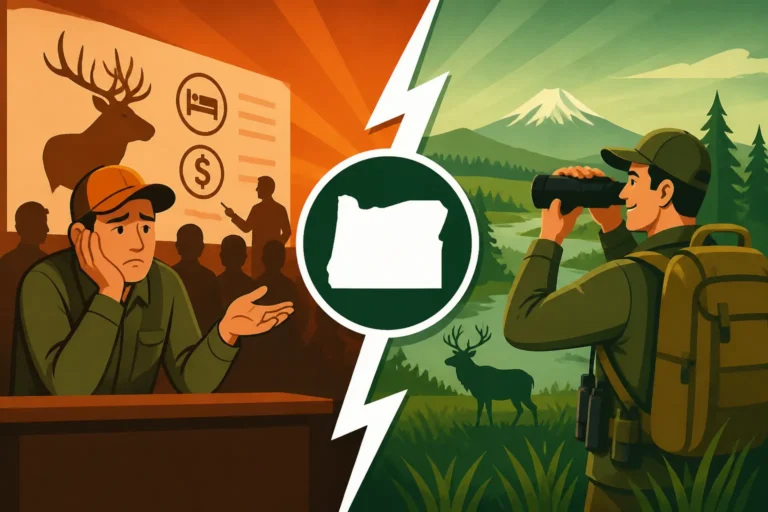
While putting meat in the freezer or a trophy on the wall is a huge part of why we hunt, it's far from the only measure of a successful trip. A truly great hunting experience in Oregon involves so much more than just pulling the trigger. It's about the entire journey, the people you're with, and the memories you create. If you focus solely on the harvest rate, you might overlook other critical aspects that contribute to an unforgettable adventure.
Guiding Style and Hunter Compatibility
Just like people, guides have personalities and styles. Some guides are drill sergeants, pushing you relentlessly from dawn till dusk, while others are more laid-back, emphasizing the experience over pure grind. Neither is inherently right or wrong, but one might be a better fit for you. Are you looking for someone who will patiently teach you Still-Hunting Blacktails in Wet Oregon Coastal Brush techniques, or do you prefer a guide who simply puts you in front of game? Do you thrive under pressure, or do you prefer a more relaxed approach, soaking in the wilderness around you?
Hunter compatibility also extends to expectations. If you're hoping for a monster bull and the guide is focused on getting any legal animal, there's a disconnect. Having an open, honest conversation with potential outfitters about their guiding philosophy, what a typical day looks like, and what they define as a "successful" hunt can save a lot of heartache. A good guide isn't just someone who knows the woods; it's someone who can communicate, manage expectations, and create a positive, safe, and enjoyable atmosphere, even if the animals aren't cooperating. This is especially true for demanding hunts like Calling Roosevelt Elk in Oregon Rainforest Timber, where patience and a good attitude from both guide and hunter are paramount.
Camp Comfort and Logistics
Think about the time you'll spend not actively hunting. For many Oregon hunts, especially those deep in the backcountry, you're going to be living in a camp for several days. What are the accommodations like? Is it a cozy wall tent with a wood stove, or a minimalist spike camp under a tarp? Will there be hearty, warm meals, or are you expected to pack your own freeze-dried rations? These details significantly impact your overall comfort and enjoyment, especially during harsh weather or after a long day of hiking. For those considering Multi-Day Camps in Oregon's Roadless Country or Horse and Llama Packing Into Oregon Backcountry, these logistical considerations become even more critical.
Consider the practicalities of field care for your animal if you are successful. Does the outfitter have a clear plan for Field Dressing an Elk in Warm Early-Season Weather or Getting Meat Out Before It Spoils? Will they assist with quartering and packing, or is that primarily your responsibility? What are the provisions for keeping meat cool on the journey home, particularly from eastern Oregon during early seasons? These elements contribute to the overall quality of the experience and can be just as important as the hunt itself. A reputable outfitter will have these details ironed out and be transparent about them upfront.
| Success Metric | What it Measures | Pros | Cons |
|---|---|---|---|
| Harvest Success | Percentage of hunters who harvested an animal. | Clear, tangible outcome. Easy to understand. | Highly variable, dependent on many factors (weather, hunter skill, animal movement). |
| Opportunity Rate | Percentage of hunters who had a shot opportunity. | Indicates active game presence and guide's ability to locate. | Definition of "opportunity" can be vague or exaggerated. May not lead to actual harvest. |
| Client Rebooking Rate | Percentage of past clients who book again. | Strong indicator of overall client satisfaction and repeat business. | Doesn't directly reflect hunting success, but overall experience. New outfitters won't have this. |
| Trophy Quality | Size/score of animals harvested. | Important for trophy hunters. | Highly subjective and often based on individual animal behavior, not just guide skill. |
| Overall Experience | Satisfaction with guide, camp, food, safety, camaraderie. | Reflects a holistic view of the trip. | Hard to quantify with a single number; requires detailed feedback. |
The Nitty-Gritty: How to Dig Deeper into Outfitter Claims
Alright, so you've seen an outfitter's advertised success rate, and now you understand that it's just the tip of the iceberg. The next step is to become a detective and really dig into what those numbers represent and what kind of experience you're truly signing up for. This means asking direct questions and using every resource at your disposal to gather information.
Asking the Right Questions
Don't be shy about asking specific, pointed questions when you talk to an outfitter. Here are some key ones to get you started:
- How do you define your "success rate"? Is it harvest success or opportunity rate? Get them to define "opportunity" precisely.
- What is your harvest success rate for the specific species and hunt type I'm interested in? For example, if you're looking for Oregon Mule Deer and the Herd Range Decline, ask specifically about mule deer, not just "big game."
- What percentage of your clients had a reasonable shot opportunity in the past few seasons? Reasonable, meaning within typical ethical range for that weapon.
- How many hunters do you take annually for this hunt? This helps you gauge the sample size.
- What's the typical physical demand of this hunt? Be honest about your own fitness level. Asking about Physical Training for an Oregon Elk Hunt is a good way to gauge if you're prepared.
- Can you provide references from past clients who hunted this specific hunt within the last 1-2 years? Ask for at least three, and call them. Ask those references about their actual experience, not just if they killed something.
- What happens if I wound an animal and don't recover it? Understand their policy and efforts for Blood Trailing in Oregon Rainforest Understory or other terrains.
- What's your plan for adverse weather or unexpected challenges? Good guides have contingency plans.
- What are the camp logistics like (food, lodging, shower, etc.)?
A transparent outfitter will welcome these questions and be able to answer them clearly and confidently. If they're vague, evasive, or get defensive, that's a major red flag.
Leveraging Third-Party Resources and Reviews
Beyond talking directly to outfitters and their references, there are fantastic third-party resources available to help you vet claims and get a broader perspective. Websites like BookYourHunt often feature verified reviews from past clients, which can be invaluable. These platforms allow hunters to share their experiences, good and bad, about various outfitters. Pay attention to consistent themes in the reviews. Are people consistently praising the guide's knowledge and effort, or are there recurring complaints about disorganization or poor communication? A single negative review might be an anomaly, but a pattern indicates a potential issue.
Another excellent resource is hunting forums and online communities. While you need to take individual opinions with a grain of salt, these platforms can offer insights and allow you to ask questions to a broader audience of experienced hunters. You might find discussions about specific units or outfitters in Oregon that aren't advertised elsewhere. Tools and services like GoHunt can also provide valuable information on unit draw odds, harvest statistics from the state wildlife agency, and historical data that can help you cross-reference an outfitter's claims against public records. For example, if an outfitter claims an 80% success rate in a unit where the state's average is 20%, that's a number that requires serious scrutiny and a deeper dive into their methods and specific areas. Look for threads or posts about Red Flags When Booking a Hunt.
Red Flags and Realistic Expectations
Navigating the world of outfitter success rates means developing a keen eye for what seems plausible and what's too good to be true. Oregon hunting is challenging, and wild animals are, well, wild. There are no guarantees, and any outfitter who implies otherwise should raise your suspicions.
Too Good to Be True Numbers
Be extremely wary of any outfitter advertising 100% harvest success rates on fair chase, free-ranging big game hunts in Oregon. It simply doesn't happen consistently over multiple years. While a lucky year might yield such results, the inherent unpredictability of hunting wild animals, especially species like Rocky Mountain Elk in Eastern Oregon or Columbian Blacktail Deer of Western Oregon, makes perfection impossible. Weather changes, animals move, hunters miss shots, and sometimes, despite everyone's best efforts, the game just isn't there.
If an outfitter makes such claims, press them hard on how they achieve it. Is it a high-fence operation? Is it a super short, easy hunt? Are they only counting clients who fired a shot, regardless of outcome? Are they selectively choosing which "successful" hunts to report? Trust your gut. If a success rate sounds too perfect for the type of hunting being offered, it probably is. A truly ethical and reputable outfitter will be honest about the challenges and variability of hunting, even if it means their numbers aren't as flashy.
Understanding Variable Factors
Even with a top-notch guide and a great attitude, many factors outside of anyone's control can influence your success. Think about the crazy weather swings we get in Oregon. A sudden snowstorm can shut down roads or push animals into different areas, while a warm snap can make them less active. Smoke and Visibility During Fire Season can drastically reduce your ability to glass or spot animals. These aren't failures of the outfitter; they're just part of hunting in a dynamic, natural environment.
Animal behavior is another huge variable. The rut might be early or late, animals might be pressured from other hunters, or they might simply be in thick cover and not moving. Even the best guide can't make an elk bugle or a blacktail step into the open. Understanding these inherent variables helps you set realistic expectations for your hunt. Focus on finding an outfitter who consistently puts clients in good positions, works hard, and provides an excellent experience, regardless of whether a trophy animal ends up on the ground. A good guide maximizes your chances, but they can't guarantee a kill. They can, however, guarantee effort, knowledge, and a commitment to providing a memorable adventure in Oregon's beautiful hunting country.
Disclaimer
This article is for general informational purposes only and does not constitute professional advice. Laws, prices and regulations vary by location and change over time. Consult a qualified professional for guidance on your specific situation.