Oregon Guided Elk Hunt Price Ranges
Hunting for elk in Oregon is a dream for so many of us, but when you start looking into a guided hunt, the sheer variety in pricing can feel like navigating dense timber without a compass. It's frustrating to see numbers all over the map and wonder what you're actually getting for your hard-earned money. This comprehensive guide will break down the factors that influence guided elk hunt costs in Oregon, helping you understand the price ranges, identify hidden fees, and empower you to choose an outfitter that truly aligns with your hunting goals and budget.
Understanding the Factors Influencing Oregon Elk Hunt Prices
The cost of a guided elk hunt in Oregon isn't a fixed figure; it's a dynamic puzzle with many pieces. From the type of experience you're seeking to the ruggedness of the terrain, several key elements combine to shape the final price tag. Understanding these variables is your first step toward making an informed decision and avoiding any sticker shock down the line.
Type of Hunt Experience
One of the biggest drivers of cost is the fundamental type of hunt you're after. Are you looking for a full-service, all-inclusive backcountry adventure, or something more basic that just gets you into the general elk country?
-
Full-Service vs. Drop Camps vs. Day Hunts: A full-service guided hunt typically means everything is handled. Your guide will provide transportation to and from the hunting area, all meals, lodging (which could be anything from a wall tent to a comfortable lodge), field dressing, and often assistance with packing out your game. This comprehensive approach is usually the most expensive, but it allows you to focus solely on the hunt itself. On the other hand, a "drop camp" service usually involves an outfitter packing you and your gear (and often food) into a remote location, setting up a camp, and then picking you up later. You hunt on your own from there, so it's a more DIY experience once you're dropped off, and thus more affordable. Day hunts, as the name suggests, are single-day excursions, often from a local motel or home base, where a guide takes you out for the day and brings you back. These are generally the least expensive but offer less immersion. Think about whether you want the full backcountry immersion or just someone to point you in the right direction. Oregon Drop Camps and Pack-In Services can be a great middle-ground if you want remoteness without the full guide cost.
-
Trophy Hunt Focus vs. Opportunity Hunt: Some outfitters specialize in trophy hunts, focusing on units known for producing large bulls. These hunts often involve extensive pre-scouting, more experienced guides, and might be longer in duration, all of which drive up the price. An "opportunity hunt," by contrast, is often more about the experience and a chance to harvest an elk, regardless of its antler size. These are usually more budget-friendly and might be offered in general season units where success rates are respectable but not necessarily geared towards record-book animals. It's crucial to be honest with yourself about your primary goal: is it a wall-hanger, or the pure joy of the chase and some elk meat in the freezer?
Hunt Duration and Group Size
The length of your hunt and how many people are sharing a guide also play a significant role in the overall cost equation. Longer hunts naturally cost more, but the guide-to-hunter ratio can change the per-person price dramatically.
-
Standard Hunt Lengths: Most guided elk hunts in Oregon run between 5 to 7 days. This allows enough time to scout, settle in, adjust to the elevation and terrain, and put in solid hunting effort. Shorter 3-day hunts might be available, usually at a lower price point, but they can be rushed, especially if weather or elk movement isn't cooperative. Longer hunts, say 8-10 days, are typically premium offerings, often targeting specific trophy units or providing extra contingency days for difficult conditions. Each extra day adds to the guide's time, resources, and wear-and-tear on equipment, all reflected in the price.
-
Guide-to-Hunter Ratios: The most personalized and usually most expensive option is a 1-on-1 guide-to-hunter ratio. This means you have a dedicated guide whose full attention is on you and your hunt. This allows for greater flexibility, more personalized instruction, and a more intimate experience. A 2-on-1 ratio is common and more affordable, where two hunters share one guide. This can work well, especially if you're hunting with a friend or family member, but it does mean some compromises in strategy and pace. Larger group hunts, sometimes 3-on-1 or more, are the most economical per person but offer the least individual attention and can sometimes feel less like a personalized adventure. When considering your options, ask about the typical Camp Size on an Oregon Outfitted Hunt and how many other hunters will be in the general vicinity.
Location and Terrain Challenges
Oregon's diverse landscape means that some hunting areas are inherently more challenging and costly to operate in than others. The logistical hurdles of accessing certain units directly impact what an outfitter has to charge.
-
Backcountry vs. Frontcountry Access: Hunts in deep wilderness areas like the Eagle Cap or Hells Canyon Wilderness require significant effort and specialized equipment. Outfitters often rely on pack animals (horses or llamas) to transport gear and supplies, which adds substantially to their operational costs. Remote camps might mean flying in supplies or using specialized vehicles for long, rough drives. These backcountry experiences are generally at the higher end of the price spectrum. Conversely, hunts in more accessible frontcountry areas, perhaps on private timber land or units with extensive road systems, require less logistical heavy lifting for the outfitter, translating to potentially lower prices. However, accessible areas can also mean more hunting pressure, a trade-off to consider. Learning about Oregon's Travel Management Areas Explained can give you an idea of the varying access challenges.
-
Roosevelt vs. Rocky Mountain Elk Hunts: Oregon is unique in that it offers hunting opportunities for both Roosevelt elk in the wetter, dense timber of Western Oregon and Rocky Mountain elk in the more open, high desert and mountain country of Eastern Oregon. Hunting Roosevelt elk often involves thick brush, steep terrain, and persistent rain, demanding specific gear and tactics. Guides might spend more time still-hunting or calling in dense cover. Calling Roosevelt Elk in Oregon Rainforest Timber requires a different approach than calling in open country. Rocky Mountain elk hunts might involve more glassing vast landscapes and longer shots, often in colder, drier conditions. Each subspecies' habitat presents its own challenges for guides, from equipment wear-and-tear to specialized knowledge, which can influence pricing.
Exploring Different Price Tiers for Oregon Guided Elk Hunts
Just like buying a car, there's a range of options when it comes to guided elk hunts in Oregon. Understanding these general price tiers can help you narrow down your search and set realistic expectations for what your budget will afford. It's not just about the number; it's about the value and inclusions at each level.
Budget-Friendly Guided Options
For hunters looking to experience a guided elk hunt without breaking the bank, there are typically more accessible options. These usually focus on providing the essential guiding service with fewer frills.
-
Day Hunts and Basic Guiding Services: The most affordable guided elk hunts often fall into the category of day hunts or basic guiding services where lodging and meals are not included. You'd typically arrange your own accommodations (a motel in town or a private camp) and bring your own food. The guide focuses solely on taking you to productive areas, assisting with tracking, and field dressing. These can be a fantastic way to get localized knowledge and boost your confidence in a new unit, especially if you're comfortable with the logistical aspects of your own camp. The guide acts more as a skilled locator and strategist for a specific day or two, rather than a full outfitter. Always clarify what's included when you see a lower price point, as transport to the hunt area might be the extent of it.
-
Semi-Guided Hunts and Drop Camps: A step up from pure day hunts, but still on the more budget-friendly side, are semi-guided hunts and drop camps. Semi-guided means the outfitter might provide a camp, some initial scouting information, and perhaps daily check-ins, but you're largely responsible for your own hunting efforts. It's less hands-on guidance during the actual hunt. Drop camps, as mentioned earlier, get you into remote country with your gear, but then you're on your own. What a Semi-Guided Oregon Hunt Costs will typically be less than a fully guided experience, as you're taking on more responsibility. These options are ideal for experienced hunters who want the advantage of an outfitter's access or knowledge of remote areas, but prefer to hunt independently once in the field. They require more self-reliance and preparedness.
Mid-Range Guided Elk Hunts
This is where many hunters find a good balance of service, quality, and value. Mid-range hunts usually include more amenities and a more comprehensive experience without venturing into the ultra-luxury tier.
-
Standard 5-7 Day All-Inclusive Hunts: Most outfitters' bread and butter falls into this category. These hunts typically offer a 5-7 day experience with comfortable tent camps (wall tents with stoves are common), hearty meals, and dedicated guiding. Transportation to and from the hunt area is usually included from a designated meeting point. These hunts aim to provide a solid hunting opportunity with a good chance at success for an ethical harvest, whether it's a bull or cow (depending on the tag). The guide-to-hunter ratio might be 2-on-1, allowing for a good balance of personalized attention and a more accessible price point. This tier often focuses on general season units or controlled hunts where tags are still obtainable without decades of preference points. It's a great option for someone seeking a reliable, comfortable, and productive guided experience.
-
Focus on Specific Unit or Season: Within this mid-range, you might find outfitters who specialize in particular Oregon hunting units or seasons, such as Oregon Archery Elk Hunting Oregon's August and September Seasons or Oregon Roosevelt Elk Rifle Seasons in November. Their specialized knowledge of these areas and species during specific times can be invaluable. While not necessarily "trophy exclusive," these guides often have consistent success due to their deep familiarity with the elk patterns, migration routes, and bedding areas in their chosen territory. The pricing reflects this specialized expertise and the resources dedicated to that particular region. Before booking, check their success rates and references for these specific types of hunts.
Premium and Exclusive Outfitted Experiences
At the top end of the spectrum, you'll find premium and exclusive hunts designed for hunters seeking exceptional service, access to prime areas, or the pursuit of a true trophy animal.
-
Luxury Lodge Hunts and Private Land Access: Some outfitters offer hunts from comfortable lodges or cabins, often on private land or leases with limited public access. These hunts combine high success odds with a higher level of comfort and amenities, sometimes even including gourmet meals, private chefs, and daily hot showers. Access to vast tracts of private land can mean lower hunting pressure and older age-class animals, increasing the chances of a trophy. The exclusivity and reduced pressure contribute significantly to the higher price. These hunts often cater to clients who value comfort and convenience as much as the hunt itself. You might encounter services like BookYourHunt that list these higher-end options.
-
Trophy-Focused, Low-Pressure Hunts: These are typically longer hunts (7-10+ days) with a 1-on-1 guide ratio, focusing intensely on harvesting a high-scoring bull. They often involve scouting camera work, in-depth knowledge of historical animal patterns, and permits for remote or limited-entry units. The outfitter invests heavily in pre-season scouting and has a proven track record of finding large animals. These experiences leverage years of accumulated knowledge and relationships, and the price reflects that investment. Such hunts are not just about finding an elk, but finding a specific caliber of elk. For those willing to invest in the pursuit of a lifetime bull, these are the hunts to consider, but be prepared for a substantial financial commitment. How Many Points for a Top Oregon Elk Hunt gives you an idea of the dedication involved, even if you draw the tag yourself.
Beyond the Base Price: Hidden Costs and What to Expect
It's easy to focus solely on the advertised price of a guided hunt, but experienced hunters know that the sticker price is just the beginning. There are several crucial "hidden" or often overlooked costs that can significantly impact your total expenditure. Being aware of these upfront will prevent unpleasant surprises and help you budget more accurately for your Oregon elk adventure.
Licenses, Tags, and Application Fees
Before you even step foot in the field, you'll need the proper permits, and these costs add up, especially for non-residents.
-
Oregon Hunting Licenses and Tags: This is non-negotiable. Every hunter in Oregon needs a valid hunting license, and then specific tags for the animal they intend to hunt. For elk, you'll need an elk tag, which varies in cost for residents and non-residents. On top of that, if you're applying for a controlled hunt, there's an application fee. These fees are typically separate from the outfitter's price. The outfitter cannot provide these for you directly; you are responsible for purchasing them through the Oregon Department of Fish and Wildlife. It's critical to factor these into your budget early, as Oregon Big Game Tag Costs for Residents and Nonresidents can be a significant portion of your total expense, particularly for out-of-state hunters. Don't forget any required validations for other species you might want to pursue on the same trip.
-
Preference Points and Drawing Odds: If you're eyeing a guided hunt in a premier controlled hunt unit, you might also need to consider the cost and time invested in building preference points. While you don't "buy" a tag with points, you pay an application fee each year to accrue them. Guides often operate in specific units, and drawing a tag for those units can sometimes take years of accumulating points. While the point fees themselves are usually minimal year-to-year, the opportunity cost of not drawing a tag for several seasons before a guided hunt can be significant. This isn't a direct outfitter cost, but it's an important part of the overall financial and temporal investment in certain guided hunt experiences.
Gratuities and Additional Services
It's customary in the guiding industry to tip your guide and any support staff. This can be a substantial amount and should absolutely be factored into your budget from the start.
-
Standard Tipping Practices: Tipping is a way to show appreciation for hard work, expertise, and a successful (or even just enjoyable) hunt. The standard industry practice for guides is typically 10-20% of the hunt's base price. For cooks, camp assistants, or wranglers on a pack-in hunt, a smaller, but still significant, per-person amount is usually appropriate. This isn't optional; it's an expected part of the experience. A well-deserved tip can amount to hundreds or even thousands of dollars depending on the hunt's cost. Be sure to budget for this, perhaps bringing cash for ease of distribution. Discussing What to Budget for Tips in Oregon with your outfitter beforehand can help you plan.
-
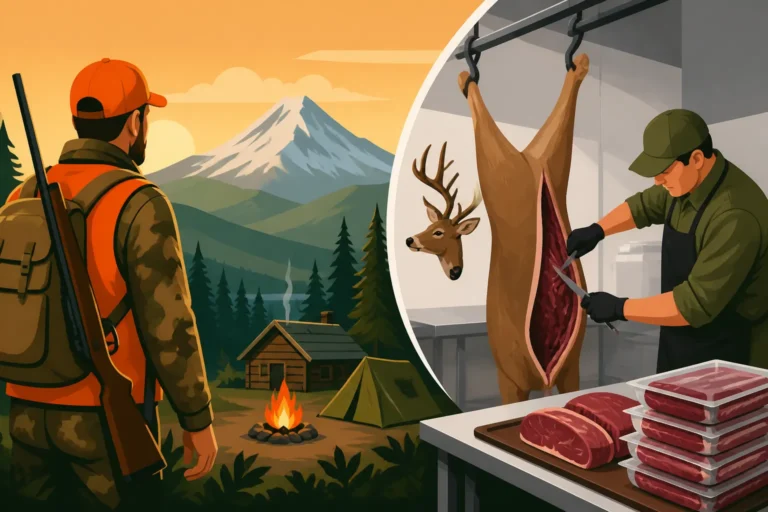
Meat Processing, Taxidermy, and Shipping: What happens after you harvest your elk? Most outfitters will assist with field dressing your animal and getting it to a rendezvous point, but the cost of professional meat processing and taxidermy is almost always your responsibility. Depending on the size of the animal, meat processing can range considerably. If you plan to get a shoulder mount or European mount, factor in the taxidermy costs. Then there's the logistical challenge and expense of getting your meat and/or trophy back home, especially if you're traveling a long distance. Shipping frozen meat can be costly and requires specialized handling. Your outfitter might recommend local processors or taxidermists, but the bills will come to you. Read Meat Processing After an Oregon Guided Hunt to understand the typical next steps.
Travel, Gear, and Contingency Funds
The costs associated with getting to Oregon and ensuring you have the right equipment are often overlooked in the excitement of booking a hunt.
-
Transportation to the Hunt Area: Whether you're flying into Oregon and renting a car, or driving a long distance, the cost of transportation to the outfitter's meeting point needs to be considered. Fuel, airfare, rental car fees, and potentially extra baggage fees for hunting gear (like a rifle case or bow case) can quickly add up. If the outfitter provides transport from a local airport, confirm if that's included in the price or an additional charge. Don't forget about overnight stays in motels before or after the hunt if travel times are long.
-
Personal Gear and Supplies: A guided hunt doesn't mean you don't need your own quality gear. You'll need appropriate clothing for Oregon's weather conditions (which can be notoriously unpredictable, especially in the Coast Range!), reliable boots, optics, your rifle or bow, and ammunition or arrows. While your outfitter might provide a gear list, purchasing or upgrading your personal equipment can be a significant investment. Consider things like Rain Gear That Actually Stays Dry in coastal conditions or Boots for Steep Eastern Oregon Country. Many guides also recommend having your own satellite communication device for emergencies.
-
Contingency Funds for the Unexpected: Always, always, always have a contingency fund. This could cover unexpected travel delays, additional supplies needed on the fly, or even a small emergency. While reputable outfitters will do everything they can to ensure a smooth hunt, Mother Nature and unforeseen circumstances can always throw a wrench in the plans. Having a little extra tucked away can save a lot of stress if something goes awry. It's also wise to consider travel insurance or hunt cancellation insurance, especially for high-cost hunts, to protect your investment if you're unable to go due to unforeseen events.
How to Research and Choose the Right Oregon Elk Outfitter
Finding the right guided elk hunt in Oregon isn't just about the price; it's about finding the right fit for your expectations, hunting style, and ethical considerations. A thorough research process will ensure you're making an informed decision and setting yourself up for the best possible experience.
Vetting Outfitter Credentials and Reputation
Before you commit your hard-earned money, you need to do your due diligence on any potential outfitter. Their legitimacy, safety record, and reputation are paramount.
-
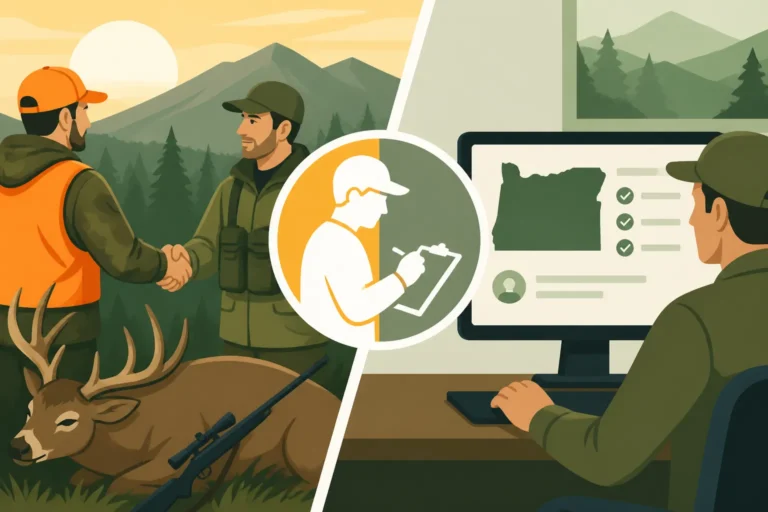
Checking Registrations and Permits: In Oregon, outfitters and guides are required to be registered with the Oregon State Marine Board. This registration ensures they meet specific legal requirements, including insurance and first aid certifications. Always ask for an outfitter's registration number and verify it. This crucial step protects you from unscrupulous or illegal operators. You can also ask about any special use permits they hold for operating on public lands, such as National Forests or BLM areas. A legitimate outfitter will be transparent about their credentials. You can learn more about how to do this by reading Checking an Oregon Guide's Registration. It's your right, and responsibility, to ensure they're operating legally.
-
Reviewing References and Success Rates: A reputable outfitter will gladly provide you with a list of recent references. Take the time to call these past clients and ask specific questions about their experience: Was the guide professional? Were the facilities as described? How was the food? Was safety prioritized? Also, inquire about their success rates. Be aware that success rates can be presented in different ways (e.g., "opportunity rates" versus "harvest rates"), so clarify what the numbers truly represent. A 100% opportunity rate doesn't mean a 100% kill rate, for instance. For additional insights, check platforms like GoHunt or BookYourHunt where client reviews and outfitter profiles are often available, but always cross-reference. Understanding Reading Outfitter Success Rates is key to interpreting these figures accurately.
Deciphering Hunt Contracts and Inclusions
The contract is your safeguard. It should clearly outline everything included in your hunt, as well as the terms and conditions. Don't sign anything you don't fully understand.
-
Understanding What's Included (and Excluded): A detailed contract should clearly list what's covered in the base price: number of hunting days, guide-to-hunter ratio, lodging, meals, transportation, field dressing, etc. Equally important is what's not included, such as licenses, tags, gratuities, meat processing, or taxidermy. If it's not in writing, assume it's not included. This is where many "hidden" costs can surprise hunters. For instance, if you're doing a Horse and Llama Packing Into Oregon Backcountry trip, ensure the cost of the pack stock is explicit. Don't be shy about asking questions and getting clarification in writing if anything seems ambiguous.
-
Payment Schedules, Deposits, and Cancellation Policies: Guided hunts often require a significant deposit upfront, with the remaining balance due closer to the hunt date. Understand the payment schedule and, critically, the cancellation policy. What happens if you have to cancel? What if the outfitter has to cancel (e.g., due to wildfires, unforeseen circumstances, or illness)? Will you receive a refund, a credit for a future hunt, or are there penalties? Some outfitters recommend purchasing trip insurance to protect your investment in case of unforeseen cancellations. Reviewing Deposits and Cancellation Terms in Oregon will give you a clear picture of typical arrangements.
Leveraging Online Resources and Consultants
In today's digital age, there are more tools than ever to help you research and connect with Oregon outfitters.
-
Online Platforms and Directories: Websites like BookYourHunt and GoHunt are invaluable resources. They often feature extensive directories of outfitters, detailed hunt descriptions, photos, client testimonials, and sometimes even booking capabilities. These platforms can help you discover outfitters you might not find through a simple web search and allow for easy comparison. However, remember that these are aggregators; always perform your own due diligence on the individual outfitter. Look at their own website, social media, and other online reviews beyond the booking platform.
-
Hunting Consultants and Forums: If you're feeling overwhelmed, a hunting consultant can be a useful intermediary. These professionals often have extensive networks and knowledge of outfitters across different regions, including Oregon. They can help match your specific desires and budget with suitable outfitters, often at no direct cost to you (as they receive a commission from the outfitter). Online hunting forums and communities can also be a goldmine of firsthand experiences and recommendations. Just remember to take all anonymous online advice with a grain of salt and verify information through official channels. Don't hesitate to reach out to outfitters with Questions to Ask an Oregon Outfitter that address your specific concerns and expectations.
| Hunt Type | Typical Duration | Inclusions (Common) | Exclusions (Common) | Price Range (Relative) | Ideal For |
|---|---|---|---|---|---|
| Day Hunt | 1-2 Days | Guiding, Field Dressing | Lodging, Meals, Licenses, Meat Proc., Tips | Lowest | Local hunters, budget-conscious, extra assistance |
| Drop Camp | 5-7 Days | Pack-in/out, Camp setup | Guide, Meals, Licenses, Meat Proc., Tips | Low-Mid | Experienced DIY hunters, remote access desired |
| Semi-Guided | 5-7 Days | Camp, Info, Limited Support | Full-time Guide, Licenses, Meat Proc., Tips | Mid | Self-reliant hunters needing initial direction |
| Standard Guided | 5-7 Days | Guide (2:1), Camp, Meals, Field Dressing | Licenses, Meat Proc., Taxidermy, Tips | Mid-High | Most hunters seeking full experience |
| Premium/Trophy | 7-10+ Days | Guide (1:1), Lodge/Luxury Camp, Gourmet | Licenses, Meat Proc., Taxidermy, Tips | Highest | Trophy hunters, comfort, exclusive access |
Disclaimer
This article is for general informational purposes only and does not constitute professional advice. Laws, prices and regulations vary by location and change over time. Consult a qualified professional for guidance on your specific situation.