Oregon Guided Deer Hunt Costs
Hunting for deer in Oregon is an incredible experience, whether you're after a wily blacktail in the dense coastal rainforest or a majestic mule deer buck in the high desert of the east. But when you start looking into a guided hunt, the price tags can feel like a foreign language, leaving you wondering what you're actually paying for and if it's truly worth the investment. This comprehensive guide is here to unravel the complexities of Oregon guided deer hunt costs, breaking down every hidden detail so you can make an informed decision and plan your dream hunt without any financial surprises.
Deciphering the Base Cost of an Oregon Guided Deer Hunt
When you first inquire about a guided deer hunt in Oregon, you'll typically be presented with a "base price" or "package price." This figure is the foundation of your hunt investment, but it's crucial to understand what this initial sum actually covers, and more importantly, what it doesn't. Many hunters get excited by the headline number only to find significant costs piling up later.
Components of a Standard Deer Hunt Package
A standard guided deer hunt package in Oregon usually includes the services of a professional guide, whose expertise in tracking, calling, and understanding deer behavior is invaluable. This is their livelihood, and you're paying for their years of experience and intimate knowledge of the hunting area. Beyond the guide themselves, the package often covers essential logistics like transportation within the hunting area—think 4×4 vehicles to access remote trailheads or ATVs to cover ground on private timber leases.
Accommodation is another common inclusion, varying wildly from rustic wall tents in a backcountry camp to comfortable cabins or even lodge-based lodging with hot showers and hearty meals. Food and non-alcoholic beverages are typically part of the deal for multi-day hunts, ensuring you're well-fueled for the physical demands of hunting. Initial scouting by the outfitter to locate deer before your arrival is also factored into this base price, saving you precious hunt days. You’ll find some outfitters offer more bare-bones camps while others pride themselves on gourmet meals and comfortable amenities, and these differences directly impact that initial number.
Key Factors Driving the Price Tag
The base price of your guided deer hunt isn't arbitrary; it's a reflection of several critical factors. The duration of the hunt is perhaps the most obvious one. A shorter 3-day hunt will naturally cost less than an extended 5-day or 7-day excursion, simply because it involves fewer guide days, less food, and less wear and tear on equipment. Longer hunts offer more time in the field, increasing your chances, but also escalating the daily overhead.
The location and terrain also play a massive role. Hunting deep in the remote wilderness of Eastern Oregon's high desert for mule deer, which might require pack animals and extensive scouting across vast landscapes, will likely command a higher price than a hunt for blacktails in a more accessible, albeit still challenging, coastal clearcut. The logistics of getting hunters and gear into and out of truly remote areas are complex and costly. Consider a unit like the Steens Mountain, where access can be tricky, versus a hunt closer to a main highway; the operational costs for the outfitter differ greatly. If you're chasing mule deer, knowing the specific herd ranges and their challenges, like those described in Oregon Mule Deer and the Herd Range Decline, can give you insight into why certain areas are more expensive to guide.
Comparing Costs: Blacktail vs. Mule Deer Hunts
Oregon offers two primary species of deer for hunters: the elusive Columbian blacktail deer found in the western part of the state and the majestic Rocky Mountain mule deer inhabiting the east. The cost of guiding for each species often differs due to their distinct habitats, behaviors, and the hunting methods employed. Blacktail hunts, especially in the Coast Range or Cascades, often involve navigating dense, wet timber and thick brush. This can mean slower, more physically demanding still-hunting or methodical tracking, requiring guides who specialize in these challenging environments. The sheer density of cover can make success hard-won, and the effort involved is considerable. If you're considering a blacktail hunt, it's worth reading up on Columbian Blacktail Deer of Western Oregon to understand their habitat and challenges.
Mule deer hunts, particularly in the vast, open sagebrush country of Eastern Oregon, tend to be more glassing-intensive. Guides will spend hours behind binoculars and spotting scopes, covering huge expanses to locate deer. This style of hunting might involve more vehicle travel between glassing points, longer hiking distances once a buck is spotted, and different challenges associated with arid environments. While both are demanding, the specialized skills and equipment for each—from navigating thick salal for blacktails to judging mule deer across canyons—contribute to different pricing structures. An outfitter who excels at packing into deep mule deer country might have higher overhead than one focused on timber land closer to road systems, and these nuanced operational differences ultimately affect the hunter's bill.
Beyond the Sticker Price: Essential Additional Expenses
While the base package cost gives you a starting point, it's rare that it's your final expense. Many hunters, especially first-timers or those from out of state, get caught off guard by the slew of additional costs that can significantly inflate the total investment. Ignoring these can lead to financial strain and detract from the enjoyment of your hunt.
Licenses, Tags, and Application Fees
Before you can even step foot in the woods with a guide, you need to be properly licensed and tagged. This is a non-negotiable expense that is always separate from the outfitter's fee. Oregon has specific requirements for hunting licenses and deer tags, and these vary for residents and non-residents. Non-residents, in particular, face considerably higher costs for licenses and tags, which is a critical factor to budget for. You might also need to factor in application fees if you're pursuing a controlled hunt tag for mule deer, which is often allocated through a draw system.
Furthermore, if you're trying to build preference points for future, more desirable hunts, there's a cost associated with purchasing those points, even if you don't draw a tag that year. The Oregon controlled hunt draw system can be complex, and understanding how points work, as detailed in Oregon Controlled Hunt Draw Explained and Oregon Preference Points and How They Work, is essential for long-term planning. Always verify the current Oregon Big Game Tag Costs for Residents and Nonresidents directly from the Oregon Department of Fish and Wildlife (ODFW) website, as these figures can change. These aren't small sums, and they need to be at the top of your budgeting list.
The Importance and Expectation of Gratuities
This is often one of the most overlooked, yet substantial, additional expenses on a guided hunt. Gratuities—commonly known as tips—are a customary and expected part of the compensation for your guide, and often for any camp staff like cooks or wranglers. While technically voluntary, a significant portion of a guide's income comes from tips, and a failure to tip appropriately can be seen as a serious faux pas. It's an acknowledgment of their hard work, long hours, and dedication to providing you with a successful and enjoyable experience.
A general guideline for tipping a hunting guide is around 15-20% of the hunt's base cost. For a five-day hunt costing, say, several thousand dollars, this can easily add another few hundred to over a thousand dollars to your total. For shorter hunts or for additional camp staff, a daily rate (e.g., $100-$200 per day per guide) might be more appropriate. It's always best to ask your outfitter directly what their customary tipping structure is before you book, so you can budget accurately and avoid awkward situations in camp. Being prepared for this expense is a mark of a respectful and experienced hunter.
Post-Harvest Costs: Processing, Taxidermy, and Meat Transport
Once you've successfully harvested your deer, the expenses don't stop there. Getting your deer from the field to your freezer involves several steps, each with its own cost. Unless you plan to butcher the animal yourself, which many hunters choose to do for savings and satisfaction, you'll need to pay for meat processing. Local butchers near hunting areas are often well-versed in handling wild game, but their services come at a price that varies based on cuts, packaging, and added services like sausage making. For those interested in handling their own game, learning about Butchering Your Own Deer at Home can offer significant savings.
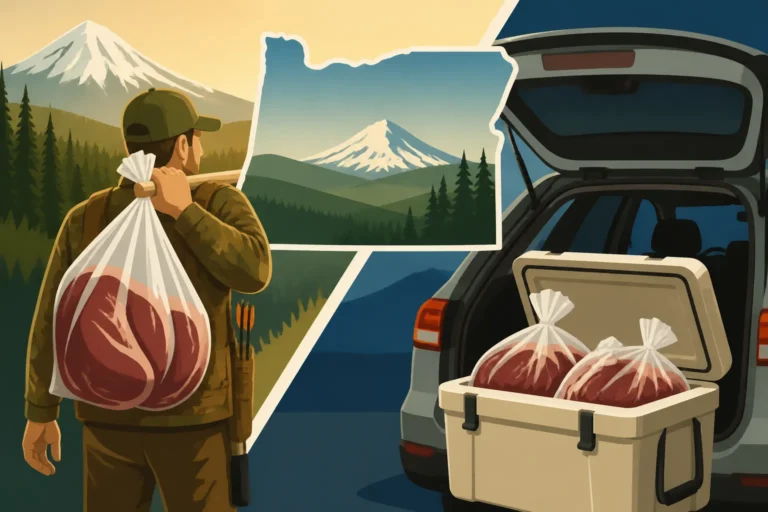
If you've harvested a trophy buck, taxidermy is another considerable expense. A shoulder mount or a European skull mount can add anywhere from several hundred to well over a thousand dollars to your total hunt cost. The size and complexity of the mount, as well as the reputation of the taxidermist, will influence this price. Finally, for non-resident hunters, getting your meat and/or trophy home can be expensive and logistically challenging. This might involve purchasing extra coolers, dry ice, shipping fees (often via air cargo), or even driving a long distance. Always factor in these significant post-hunt costs when budgeting, as they can represent a substantial portion of your overall investment.
Exploring Different Styles of Guided Deer Hunts and Their Value
Not all guided hunts are created equal, and understanding the different styles available in Oregon is key to finding an experience that aligns with your expectations, physical capabilities, and budget. Each approach offers a unique blend of challenge, comfort, and cost structure.
Fully Outfitted Wilderness Camps vs. Lodge-Based Hunts
At one end of the spectrum, you have fully outfitted wilderness camp hunts. These often involve packing deep into remote areas, sometimes requiring horses or llamas to transport gear and supplies. Accommodations are typically rustic, perhaps wall tents with wood stoves, offering a truly immersive backcountry experience. The guide provides all camping gear, food, and sets up a comfortable, albeit basic, camp. This style of hunt often targets less pressured animals and can provide a profound sense of solitude and connection with nature. However, the logistical challenges of operating in these roadless areas—like those mentioned in Multi-Day Camps in Oregon's Roadless Country—mean these hunts tend to be at the higher end of the price scale due to increased effort, specialized equipment, and longer pack-in times.
Conversely, lodge-based hunts offer a more comfortable experience. Here, you return to a warm lodge or cabin each evening, complete with amenities like hot showers, comfortable beds, and home-cooked meals prepared by camp staff. These hunts are often conducted on private land, or public land with easy road access, allowing for quicker movements to and from hunting grounds. While the creature comforts are a welcome reprieve after a long day in the field, the cost might reflect the higher standard of accommodation and, if on private land, significant trespass fees paid by the outfitter to landowners. The choice between these two styles largely depends on your desire for rugged adventure versus comfort, and your willingness to pay for the associated operational complexities.
Semi-Guided and Drop Camp Options
For hunters looking to save some money while still benefiting from an outfitter's local knowledge, semi-guided hunts and drop camp services are excellent alternatives to a fully guided experience. A semi-guided hunt typically means the outfitter provides a pre-scouted area, helps with camp setup, and might offer advice on hunting strategies and current animal movement. However, they don't accompany you in the field daily. You're responsible for your own hunting decisions and execution, giving you more independence while still having a support system. This significantly reduces the guide fees compared to a one-on-one guided service. Understanding What a Semi-Guided Oregon Hunt Costs can help you determine if this hybrid approach is right for you.
Drop camps take this independence a step further. Here, an outfitter or packer transports you and your gear (and often food) into a remote, pre-determined location and sets up a basic camp. They then leave you to hunt on your own for the duration of the trip, returning on a scheduled date for pickup. This is ideal for experienced hunters who are confident in their abilities but lack the pack animals or time to set up a remote camp themselves. It’s a significantly less expensive option than a fully guided hunt, as you're primarily paying for transportation and camp logistics rather than daily guiding services. Exploring options for Oregon Drop Camps and Pack-In Services can unlock remote hunting opportunities that would otherwise be inaccessible.
Private Land Hunts vs. Public Land Access
The type of land you hunt on—private or public—can profoundly impact both the cost and the success rates of a guided deer hunt in Oregon. Private land hunts often come with a higher price tag because outfitters frequently pay substantial lease or trespass fees to landowners to secure exclusive hunting rights. This exclusivity means less hunting pressure, potentially higher deer densities, and often larger, more mature bucks. It can lead to a more controlled hunting experience with a greater likelihood of success, but you're paying for that privilege and reduced competition.
Public land hunts, conversely, may have lower base costs for the outfitter's services, as there are no direct land access fees. However, hunting on public land (such as National Forests or BLM land) often means dealing with more hunting pressure, more difficult access, and the inherent challenges of finding animals that are constantly on the move and wary of human activity. The skill of a guide on public land is paramount, as they need to navigate crowds and locate pockets of unpressured deer. Some outfitters specialize in securing permits for specific public land units or wilderness areas, providing access to incredible country that is still accessible to anyone, but where their expertise offers a significant advantage. This choice boils down to balancing your budget against your desire for higher success potential and a more exclusive experience.
Smart Research and Budgeting for Your Investment
Embarking on a guided deer hunt is a significant investment of both time and money. Approaching it with thorough research and a meticulously planned budget can prevent costly surprises and ensure you select the right outfitter for your aspirations.
Utilizing Online Platforms and Outfitter Directories
In today's digital age, a wealth of information is available at your fingertips, making it easier than ever to research outfitters and compare costs. Online platforms such as BookYourHunt allow you to browse a wide array of guided hunts across different regions and species, often listing pricing structures, available dates, and what's included in each package. These sites can be a fantastic starting point to get a general sense of the market rates and what various outfitters are offering. Think of them as a clearinghouse for hunting experiences, making it simpler to compare services side-by-side.
Beyond booking platforms, specialized hunting resources like GoHunt offer invaluable data on draw odds, unit analyses, and harvest statistics that can help you understand the quality of hunting in specific Oregon areas. While GoHunt doesn't directly list outfitter prices, its detailed information can inform your decision about which units might offer the best value or opportunity, guiding you towards outfitters who operate in those areas. When you're looking for an outfitter, verifying their credentials is crucial; remember to look up how to ensure you're Hiring a Registered Oregon Hunting Guide. These resources empower you to go beyond a simple Google search and delve into the specifics that matter.
Essential Questions to Ask Potential Outfitters
Once you've narrowed down a few potential outfitters, picking up the phone and asking pointed questions is non-negotiable. Don't rely solely on website descriptions. Start by clearly understanding what the base price includes: "Is transportation to/from the nearest airport included?" "Are meals and lodging truly comprehensive, or are there hidden costs?" "What about caping, quartering, and packing out a harvested animal—is that part of the service, or an extra charge?"
It's also vital to inquire about their success rates versus opportunity rates. A high success rate might mean they only take hunters on private land with abundant game, while a high opportunity rate might mean you'll see animals, but harvesting one is far from guaranteed. Ask for references from previous clients, especially those who hunted in the same area or for the same species. Understanding the guide's experience in a specific Oregon unit is also key. Lastly, request a detailed written contract that outlines all costs, dates, cancellation policies, and what happens if you fill your tag early or don't harvest an animal. This due diligence, expanded upon in Asking the Right Questions Before Booking and Guide Contracts and Deposits in Oregon, is your best defense against unexpected fees.
Crafting a Realistic Budget and Contingency Planning
Developing a comprehensive budget is more than just adding up the outfitter's fee and your tag cost. It requires a realistic assessment of all potential expenses, known and unknown. Start with the base hunt cost, then add knowns like licenses, tags, and anticipated gratuities. Next, factor in travel expenses: flights or fuel for driving, airport transfers, and potentially a night or two in a hotel before or after the hunt. Don't forget gear upgrades or purchases; new boots, quality rain gear, or specific optics might be necessary for your chosen hunt.
Beyond these, allocate a contingency fund for unexpected costs. This could be anything from unforeseen equipment repairs, an unplanned hotel stay due to weather delays, or even higher-than-expected meat processing fees. A good rule of thumb is to budget an additional 10-20% beyond your calculated total for these "just in case" scenarios. This buffer ensures that small surprises don't derail your financial plan or, worse, force you to cut corners on essentials. A meticulously planned budget provides peace of mind, allowing you to focus on the hunt itself rather than worrying about financial strain.
Maximizing Your Guided Hunt Investment
A guided deer hunt in Oregon is a dream for many, and while it's an investment, there are smart strategies to ensure you're getting the best possible value for your money. It's not always about finding the cheapest option, but rather the one that provides the best experience and highest chance of success for your specific budget and goals.
Timing Your Booking for Best Value
The timing of your booking can significantly impact the price and availability of guided deer hunts. Many reputable outfitters book up well in advance, sometimes a year or more for prime dates or highly sought-after controlled hunt units. Booking early often gives you access to the best guides, preferred dates, and sometimes even "early bird" discounts if an outfitter is trying to fill their calendar. Conversely, waiting until the last minute might leave you with limited choices, forcing you to settle for less ideal dates or less experienced guides.
However, there can also be opportunities for value with last-minute bookings. If an outfitter has a cancellation close to the season, they might offer a discounted rate to fill that spot, especially if it's for a less popular time or during a general season hunt that doesn't require a draw. Keeping an eye on these opportunities, perhaps by signing up for outfitter newsletters or checking booking platforms, can sometimes net you a great deal. Understanding Booking Lead Times for Oregon Hunts is crucial for strategizing your approach, whether you're planning far ahead or looking for a spontaneous adventure.
Understanding Success Rates and Opportunity vs. Guarantee
When reviewing an outfitter's promotional materials, you'll often see statistics about their "success rate" or "opportunity rate." It's critical to understand the difference. A "success rate" refers to the percentage of hunters who actually harvested an animal. A high success rate, say 90% or more, might indicate a hunt on highly managed private land with abundant game, or perhaps a particularly easy hunt. These hunts often come with a premium price tag.
An "opportunity rate," on the other hand, means the percentage of hunters who had a legitimate chance to harvest an animal—meaning they saw game within shooting range. This doesn't guarantee a kill, as factors like hunter skill, weather, and pure luck come into play. A high opportunity rate (e.g., 100%) combined with a moderate success rate (e.g., 60-70%) is often more realistic for public land hunts in challenging terrain like much of Oregon. It suggests the guide is adept at finding animals, but the actual harvest is up to you. Don't be swayed by inflated success claims; always ask for clarification and try to get references from hunters with similar expectations as yours. For more on this, check out Reading Outfitter Success Rates.
DIY Components to Reduce Costs
While you're paying for the expertise and logistics of a guide, there are certainly ways to incorporate "do-it-yourself" elements to reduce your overall cost. One of the most significant areas is meat processing. If you have the skills and equipment, butchering your own deer after a successful hunt can save you hundreds of dollars. Many hunters find great satisfaction in this process, ensuring the meat is handled exactly to their preference.
Another area is gear. Instead of relying on the outfitter to provide every piece of equipment, bring your own proven boots, rain gear, optics, and sleeping system. This not only saves on potential rental fees or equipment costs that might be folded into a package but also ensures you're comfortable with your own tried-and-true gear. Lastly, consider driving rather than flying, especially if you're within a reasonable distance of Oregon. This saves on airfare, baggage fees, and potentially costly meat shipping charges if you're able to transport your harvest back in coolers in your vehicle. Every dollar saved on these ancillary services frees up funds for the core hunting experience or allows you to invest in higher-quality gear that will serve you for many hunts to come.
Disclaimer
This article is for general informational purposes only and does not constitute professional advice. Laws, prices and regulations vary by location and change over time. Consult a qualified professional for guidance on your specific situation.