Wenaha-Tucannon Wilderness Access
For many Oregon hunters, the sheer thought of accessing the Wenaha-Tucannon Wilderness conjures images of endless miles, rugged terrain, and the daunting task of packing out a trophy from deep within. It's a place that whispers of untouched big game and profound solitude, but also screams "hard work" and "remote challenges." Navigating this incredible landscape requires a deep understanding of its unique characteristics, its access points, and the specialized preparation needed to venture into its heart. This guide is dedicated to breaking down those challenges, offering practical insights, and helping you unlock the Wenaha-Tucannon's potential for your next Oregon hunting adventure.
Understanding the Wenaha-Tucannon Wilderness and Its Appeal
The Wenaha-Tucannon Wilderness, sprawling across parts of both Oregon and Washington, is a gem for those seeking a truly remote hunting experience. It’s part of the Umatilla National Forest, and its vastness alone can be intimidating, but that very remoteness is what makes it so appealing. For hunters, it represents a chance to escape the road hunters and the crowds often found closer to motorized access, offering a raw, unforgiving, yet incredibly rewarding landscape.
What Makes the Wenaha-Tucannon Unique for Hunters?
What truly sets the Wenaha-Tucannon apart is its rugged topography. We're talking about deep, timbered canyons carved by the Wenaha and Tucannon rivers, steep ridges that climb dramatically, and vast expanses of old-growth forest mixed with open parks. This isn't flat ground; it's a constant up-and-down battle, often through dense brush and downed timber. This challenging terrain acts as a natural filter, keeping many casual hunters out and preserving a truly wild environment for the dedicated. It's a place where you earn every mile and every opportunity, fostering a deep respect for the land and the animals that call it home.
The sheer size of the wilderness—over 176,000 acres—means that game animals have vast areas to roam undisturbed. This contributes to healthier, less pressured populations compared to areas with more easy access. The lack of roads within the wilderness boundary means that once you step off the trailhead, you're truly on foot, and all logistics, from water to packing out game, become a significant undertaking. This creates an experience far removed from typical road-system hunting, demanding self-reliance and solid backcountry skills.
Common Game Species Found in the Wilderness
When you think of the Wenaha-Tucannon, your mind should immediately jump to elk. This wilderness is home to a robust population of Rocky Mountain Elk, known for their impressive size and challenging nature. The dense timber provides excellent cover, while the open parks and drainages offer feeding opportunities. Hunters often chase these magnificent animals during the general archery and rifle seasons, and success often hinges on your ability to cover ground silently and effectively use calling techniques. Don't underestimate the physical demands of pursuing a mature bull in this country. Rocky Mountain Elk in Eastern Oregon is a great resource if you're targeting elk here.
Beyond elk, mule deer also inhabit the higher, more open ridges and timber fringes, particularly as you move towards the eastern edges and higher elevations. While perhaps not as dense as some other Eastern Oregon units, dedicated hunters can find mature bucks here that have grown old avoiding human contact. Black bears are also prevalent throughout the wilderness, offering an exciting opportunity for those with a bear tag. Their diet shifts with the seasons, from early spring grasses to summer berries, and knowing their food sources is key to finding them. Remember, Oregon Black Bears in the Coast Range and Cascades delves into bear behavior, which is applicable even in Eastern Oregon. For a more detailed look into deer populations and their challenges in the state, consider reading about Oregon Mule Deer and the Herd Range Decline.
Key Access Points and Trailheads for Oregon Hunters
Gaining entry to the Wenaha-Tucannon Wilderness from the Oregon side primarily involves a handful of trailheads that serve as gateways to this rugged domain. While the "wilderness" designation means no motorized travel within its boundaries, getting to these trailheads can sometimes be half the battle, especially during hunting season when roads might be muddy or covered in early snow.
Northeastern Oregon Trailheads and Roads
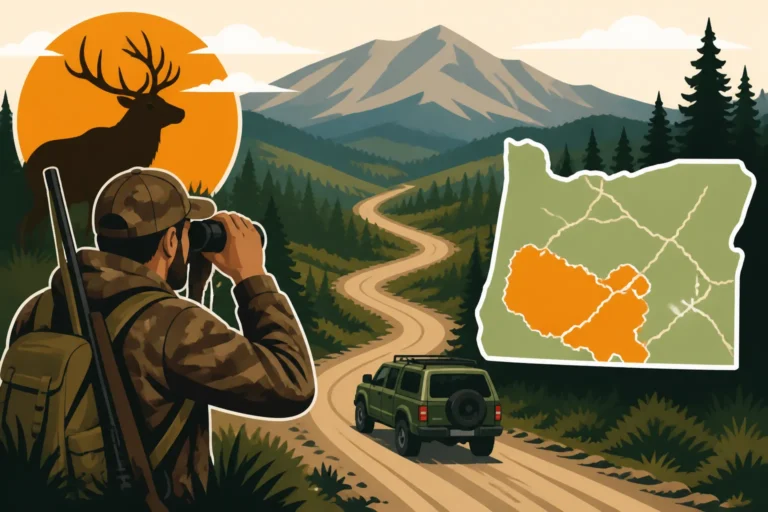
The primary Oregon access points are often reached via roads off of Highway 204 or through areas like the Godman Guard Station. Trailheads such as those leading into the Wenaha River corridor, or those branching off towards Hoodoo Peak or Melton Creek, are popular starting points. For instance, the Wenaha River Trailhead, accessible off NF-62, plunges you directly into some of the wilderness's deepest canyons. These aren't always paved, well-maintained roads; expect gravel, potholes, and potential washouts, especially further into the forest. It's crucial to check Umatilla National Forest road conditions before heading out, as unexpected closures can completely derail a trip.
Another common approach is from the southeast, often utilizing Forest Service roads that spiderweb off highways near Flora or Enterprise. These roads can lead to trailheads that offer access to the high country and the heads of the numerous drainages that feed into the Wenaha River. Remember that some of these forest roads might be part of designated Travel Management Areas (TMAs), meaning there could be seasonal or year-round restrictions on motorized use, so consulting a current map is non-negotiable.
Challenges of Wilderness Road Access and Parking
One of the biggest frustrations for hunters planning a Wenaha-Tucannon trip is the condition of the access roads. What looks like a clear path on a map might be a heavily rutted, muddy track in reality, requiring a high-clearance 4×4, and possibly chains, especially later in the fall. Parking at trailheads can also be limited, particularly during peak hunting seasons. You might find yourself parking a considerable distance from the actual trailhead and adding extra miles to your already strenuous journey.
Furthermore, the remote nature of these trailheads means they are often unmonitored. While this offers solitude, it also means that your vehicle is vulnerable. Many veteran hunters advise against leaving anything valuable in plain sight and ensuring your vehicle is locked. It’s also wise to inform someone of your exact access point and expected return, as cell service is virtually non-existent once you drive past a certain point. This brings us to the importance of tools like onX Hunt, which can show you detailed road networks and land ownership, helping you confirm public access points and plan your drive, even if current conditions need a call to the local Ranger District.
| Trailhead Name (Example) | Primary Access Road | Estimated Wilderness Entry Time (hike) | Key Game Species | Terrain Overview |
|---|---|---|---|---|
| Wenaha River Trailhead | NF-62 | 1-2 hours | Elk, Deer, Bear | Deep Canyon, River Bottom, Steep Slopes |
| Hoodoo Trailhead | NF-6220 | 0.5-1 hour | Elk, Deer | High Ridge, Timbered, Open Parks |
| Melton Creek Trailhead | NF-6220 | 1-1.5 hours | Elk, Bear | Creek Drainage, Dense Timber, Some Clearings |
| Crooked Creek Trailhead | NF-46 | 1-2 hours | Mule Deer, Elk | High Elevation, Open Ridge Tops |
| Troy Access (by boat) | Grand Ronde River | Instant (river access) | Elk, Bear | River Corridor, Steep Bluffs |
Note: Hike times are approximate and vary greatly depending on fitness, pack weight, and trail conditions.
Planning Your Wilderness Hunt: Regulations and Logistics
A successful hunt in the Wenaha-Tucannon Wilderness isn't just about finding game; it's meticulously planned months, if not years, in advance. This remote environment requires a heightened awareness of regulations and a logistical mindset that accounts for every potential challenge, from weather swings to the sheer effort of carrying an animal out.
Permitting, Group Size, and Campfire Restrictions
One of the most critical aspects of hunting any wilderness area, including the Wenaha-Tucannon, is understanding the specific regulations that govern its use. While you don't typically need a special hunting permit beyond your regular Oregon big game tags for the units covering this area (like the Wenaha Unit), there are wilderness-specific rules to follow. For example, there are strict Oregon Wilderness Rules That Ban Motorized Carts and other mechanical transport. This means if you get an animal down, it's coming out on your back, or with pack stock.
Group size limits are also common in wilderness areas to preserve the solitude and minimize human impact. While exact numbers can vary, it’s generally wise to keep your hunting party small, not just for regulations but for logistical efficiency in such dense terrain. Larger groups can struggle to move quietly and effectively in the backcountry. Additionally, fire restrictions are paramount, especially during dry seasons. Always check the current fire danger and any specific campfire bans before you go. Campfires might be allowed only in designated areas, or perhaps only with specific permits, or not at all depending on the conditions. Leaving no trace is not just a suggestion here; it's a critical ethic for preserving the wilderness experience. Learn more about Group Size Limits in Wilderness Areas before you plan your trip.
Essential Gear and Physical Preparation for a Backcountry Hunt
Hunting the Wenaha-Tucannon is a physical and mental marathon. Your gear choices are paramount. Think lightweight, durable, and versatile. A solid backpack capable of comfortably carrying a heavy load is non-negotiable. Quality rain gear, even outside of the wettest seasons, is critical as weather can change rapidly. Layering systems are your friend, allowing you to adapt to freezing mornings and warm midday climbs. Navigation tools are also essential. While a physical map and compass are fundamental backups, a reliable GPS unit or a smartphone with a robust mapping app like onX Hunt can be a lifesaver. Using an app like GoHunt for research on hunt units and draw odds, and then onX Hunt for real-time navigation and scouting, is a powerful combination for this type of country.
Physical preparation cannot be overstated. This is not a hunt for the couch potato. You need to be able to climb steep hills with a heavy pack, navigate through dense brush, and withstand multiple days of exertion. Start a rigorous training regimen months in advance, focusing on cardio, strength, and endurance. Practice hiking with a loaded pack on varied terrain. The better shape you are in, the safer and more enjoyable your hunt will be, and the more likely you'll be able to capitalize on an opportunity when it arises, especially if it means packing an animal out from a deep canyon. For insights into preparing for such a demanding hunt, consider reading about Physical Training for an Oregon Elk Hunt.
Navigating the Wenaha-Tucannon: Tools and Tactics
Once you're deep within the Wenaha-Tucannon, knowing where you are, where you're going, and how to get back out safely becomes paramount. This isn't country where you can just "wing it." Effective navigation and smart backcountry travel strategies are key to success and survival.
Using Digital Maps and GPS in Remote Terrain
In the sprawling, often featureless (from a ground-level perspective) wilderness, digital mapping tools are an absolute game-changer. Carrying a smartphone loaded with an app like onX Hunt is almost standard practice for many serious backcountry hunters. These apps provide detailed topographic maps, land ownership overlays, and, crucially, the ability to mark waypoints, track your movements, and pre-plan routes. Before you leave cell service, download all necessary maps for offline use. This is crucial as there will be no signal once you get deeper into the wilderness. Power banks are also essential to keep your devices charged for multiple days.
While digital tools are powerful, they are not infallible. Batteries die, devices get wet, and signals can drop. Always carry a traditional paper map of the area and a compass, and know how to use them. These serve as critical backups and can often give you a broader perspective of the terrain that a small screen can't fully convey. Consider how you might use E-Scouting Oregon Units With Satellite Imagery to identify potential game hot spots and travel corridors before you ever set foot on the ground, then cross-reference those findings with your onX Hunt app. GoHunt is another excellent resource for scouting and understanding specific unit data and drawing odds, which can help you decide if the Wenaha-Tucannon is the right wilderness for your hunting goals.
Backcountry Travel Strategies and Water Sources
Moving through the Wenaha-Tucannon requires a deliberate, often slow pace. Still-hunting, which involves moving incrementally and observing for long periods, is often more effective than simply covering ground quickly. The dense timber and steep terrain make long-range glassing difficult, so close-quarters observation becomes more important. Pay attention to wind direction constantly, as elk and deer rely heavily on their noses. Consider setting up Multi-Day Camps in Oregon's Roadless Country to establish a base and then spike out for shorter excursions, reducing your daily pack weight.
Water sources are plentiful thanks to the numerous rivers and creeks, but they must be treated. Always carry a reliable water filter or purification tablets. Do not drink directly from streams, no matter how clear they appear. Plan your routes to intersect with known water sources, or be prepared to carry enough water for extended periods between fills. Packing out an animal from this wilderness is arguably the biggest challenge. Having a solid plan for Quartering and Packing an Elk Alone or with a partner is critical. Many hunters utilize pack stock, such as horses or llamas, to assist with carrying gear in and meat out. If you're considering this, research Horse and Llama Packing Into Oregon Backcountry well in advance, as there are specific rules and best practices for stock use in wilderness areas.
Remember, this is not a short-duration hunting experience. Prepare for a multi-day commitment, understanding that every aspect, from the hike in to the arduous pack out, will test your limits. Your planning and preparation will dictate your success and, most importantly, your safety.
Disclaimer
This article is for general informational purposes only and does not constitute professional advice. Laws, prices and regulations vary by location and change over time. Consult a qualified professional for guidance on your specific situation.