Fossil and Columbia Basin Units
Many hunters find themselves staring at a map of central and northern Oregon, trying to decipher which units hold the best opportunities and how to actually get on game. The vast, often confusing mix of public and private land, combined with diverse terrain, can make planning a hunt in areas like the Fossil and Columbia Basin units feel like a monumental task. This guide is designed to cut through that confusion, giving you a detailed look at the distinct characteristics, hunting prospects, and critical access strategies for both the Fossil and Columbia Basin units, empowering you to approach your next Oregon hunt with clarity and confidence.
Delving into the Fossil Unit's Terrain and Game
The Fossil Unit, nestled in the high desert country of north-central Oregon, presents a rugged and often unforgiving landscape for the uninitiated hunter. It's a place where the sun can beat down relentlessly, and the wind whips through juniper and sage, carving out deep draws and steep rimrock canyons. Understanding this challenging environment is the first step to unlocking its potential.
General Characteristics and Primary Game Species
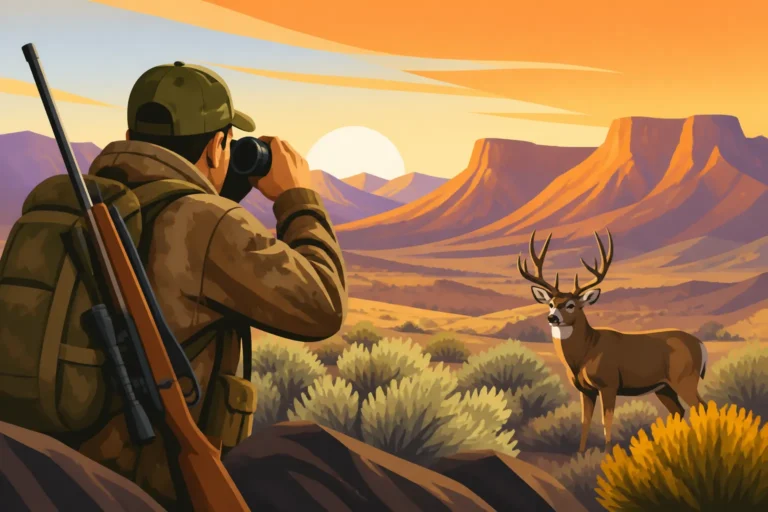
The Fossil Unit is broadly defined by its arid, high-desert environment, characterized by vast expanses of sagebrush and juniper, punctuated by dramatic geological features like basalt rimrock and eroded canyons. It sits in a transitional zone, where the more mountainous terrain begins to give way to the flatter expanses further north. This unit isn't for the faint of heart; it demands physical stamina and a keen eye. While it might not have the lushness of western Oregon, it holds a unique beauty and offers a raw, classic Eastern Oregon hunting experience.
The primary big game species hunters pursue here is the mule deer. While Oregon's mule deer herds have faced their share of challenges in recent years, leading to shifts in tag numbers and strategies, the Fossil Unit still offers opportunities for dedicated hunters. Deer here are often spread out, elusive, and perfectly adapted to melting into the juniper-studded landscape. You'll spend hours behind glass, searching for that flicker of an ear or the subtle horizontal line of a deer's back against the vertical rock faces. There are some elk present, typically Rocky Mountain elk, but they are generally less numerous and often found in specific, more timbered pockets or along transition zones rather than being widely distributed throughout the classic mule deer habitat. Spotting an elk here can feel like winning the lottery, adding an exciting, albeit rare, bonus to a mule deer focused hunt. Beyond big game, you might encounter coyotes and, if you're lucky and observant, some chukar or quail along the canyon rims.
Public Land Access and Navigation Challenges
Access in the Fossil Unit is a defining factor, and it's where many hunters get frustrated. You'll find a patchwork quilt of public and private land, often referred to as "checkerboarded" land ownership. This means a section of public Bureau of Land Management (BLM) land might be completely surrounded by private ranchland, or a Forest Service parcel might be cut off by private holdings with locked gates. It’s a mix that requires diligent research before you ever leave home. Simply looking at a paper map might show vast areas of public land, but fail to convey the reality of access points.
This is precisely where tools like onX Hunt become absolutely invaluable. It allows you to see property boundaries in real-time on your phone, helping you identify exactly where public land begins and ends, and crucially, where you might find public access points. Without such a tool, you risk inadvertently trespassing or spending valuable hunting time trying to discern boundaries on the ground. Beyond identifying the public land, you'll need to pay close attention to signs, fencing, and travel management areas. Many roads, even those on public land, may be closed seasonally or year-round to protect sensitive winter range or prevent resource damage. Consulting a Reading a Travel Management Area Map Before You Drive is not just a suggestion, it's a necessity. You might also encounter areas where private landowners have generously enrolled their land in access programs, offering additional hunting opportunities. Always be respectful and understand the specific rules for each parcel, whether public or private.
Hunting Strategies for the Fossil Unit
Given the open, rugged nature of the Fossil Unit, your hunting strategies will heavily lean on glassing and patience. This isn't usually a unit for still-hunting through thick timber, but rather for covering ground with your optics. You'll spend a significant portion of your hunt perched on a high vantage point, systematically sweeping the canyons, draws, and sage flats below. Quality binoculars and a reliable spotting scope are your best friends here. You need to be able to pick apart distant cover and identify game that might be bedded down or moving through the sparse vegetation. Learning to read the terrain, identify potential bedding areas on shaded slopes or breaks, and predict travel corridors between feeding and bedding sites is crucial. For detailed advice, check out Glassing Sage and Juniper for Eastern Oregon Mule Deer.
Once you've spotted a buck, the real work of a spot-and-stalk begins. This often involves navigating steep, broken country, staying out of sight, and closing the distance for a shot. The open nature means you'll need to be incredibly mindful of wind direction and thermals, which can shift unexpectedly in canyon systems. Long-range shooting skills are often advantageous here, but ethically, it's paramount to know your limits and practice extensively at various distances and angles. In dry years, identifying natural Water Sources That Hold Deer in Dry Country can be a game-changer. These areas, whether small springs, cattle troughs, or intermittent creeks, will concentrate deer, especially during the early morning and late evening hours. Plan your approach to these areas carefully, as deer will be on high alert. Expect physically demanding days, often walking miles and climbing hundreds of feet, so make sure your Physical Training for an Oregon Elk Hunt (the principles apply equally to tough mule deer country) is dialed in.
Exploring the Columbia Basin Unit's Unique Landscape
Shifting gears from the rugged high desert, the Columbia Basin Unit presents an entirely different set of challenges and opportunities. Located in the north-central part of Oregon, bordering the Columbia River, this unit is defined by its vast agricultural landscapes, interspersed with dramatic river breaks and canyon systems that drain into the mighty river.
Geographic Features and Dominant Game
The Columbia Basin Unit is largely characterized by its expansive, fertile agricultural fields—think wheat, corn, and other row crops—that dominate the landscape for miles. But don't let the flat fields fool you; cutting through this agricultural tapestry are deep, basalt-lined canyons and river breaks that offer crucial cover and habitat. The unit's proximity to the Columbia River also influences its environment, creating unique microclimates and riparian zones in places. This is a working landscape, where the rhythms of farming often dictate the movement and patterns of wildlife.
For big game hunters, mule deer are the primary target here, though their behavior is heavily influenced by the agricultural environment. They often feed in the fields during low light, then retreat into the canyons and draws for bedding and security. While less common, some pockets, particularly in the more timbered breaks along drainages, might hold a scattering of whitetail deer, adding a different dimension for those keen enough to find them. However, for many, the Columbia Basin Unit truly shines as an upland bird and waterfowl paradise. The agricultural waste grain, combined with the permanent cover of the canyons and the presence of the Columbia River, creates exceptional habitat for pheasants, partridge, quail, and various duck and goose species. For hunters looking for a multi-species experience, it's entirely possible to combine a deer hunt with pursuit of Waterfowl and Upland Birds as a Second Season here, making for a truly memorable trip.
Navigating Public and Private Land Dynamics
Unlike the Fossil Unit, where public land is a significant, albeit checkerboarded, component, the Columbia Basin Unit is overwhelmingly private land. This is an agricultural stronghold, and the vast majority of the landscape is owned by farmers and ranchers. This means that successful hunting here almost entirely hinges on gaining permission from landowners. For many hunters, this is the biggest hurdle and a source of considerable frustration, as cold-calling or knocking on doors can feel daunting or intrusive.
It's not impossible, however. Oregon has programs designed to help. For instance, the Oregon Access and Habitat Program works with private landowners to open up access for hunting, fishing, and other outdoor recreation. These can sometimes include properties within the Columbia Basin. Another resource to investigate is the Oregon Open Fields Properties and How to Find Them, which provides additional public access on private lands for specific game species. Just like in the Fossil Unit, using mapping tools like onX Hunt is crucial here. It allows you to quickly identify specific property owners, making it easier to research and contact them for permission. Remember, approaching landowners with respect, a clear request, and an offer to share game can go a long way. Always be prepared for a "no," but don't let it discourage you from continuing to ask around. Hunting river breaks or small, isolated pockets of public land might provide opportunities, but it's important to manage your expectations and prioritize permission-based hunting for the best results.
Effective Hunting Approaches for the Columbia Basin
Hunting in the Columbia Basin often requires a blend of traditional deer hunting skills and an understanding of agricultural landscapes. For mule deer, you'll need to focus on the transitions between the open fields and the canyon systems. Deer will utilize the canyons for bedding and cover, moving out into the fields to feed during the quieter hours. Glassing from the canyon rims at first and last light can be very effective for spotting deer moving between these zones. Still-hunting the edges of fields or the bottoms of the canyons can also be productive, particularly if you've identified consistent travel routes. Patience and stealth are key, as deer in this open country are incredibly wary.
Understanding the local agricultural cycle is also a massive advantage. Knowing when crops are planted, harvested, or being irrigated can help predict deer movement. For example, deer might prefer a freshly cut field with dropped grain or seek cover in standing corn. Additionally, the abundance of rodents in agricultural areas often means a healthy population of predators. Learning Coyote Calling in Open Sage Country techniques can be a rewarding pursuit here, and it might even help thin out some of the predators impacting local deer and bird populations. Finally, if you're interested in pursuing upland birds, walking the canyon bottoms, particularly those with good brushy cover, can yield excellent results for pheasants, quail, and partridge. Always make sure you understand the specific rules and regulations for hunting each species and on each property you gain access to.
Contrasting Challenges and Planning Your Hunt
Hunting in Oregon is diverse, and the Fossil and Columbia Basin units exemplify just how different experiences can be, even within the same general region. Understanding these distinctions is paramount for effective planning and successful execution.
Key Differences in Access and Strategy
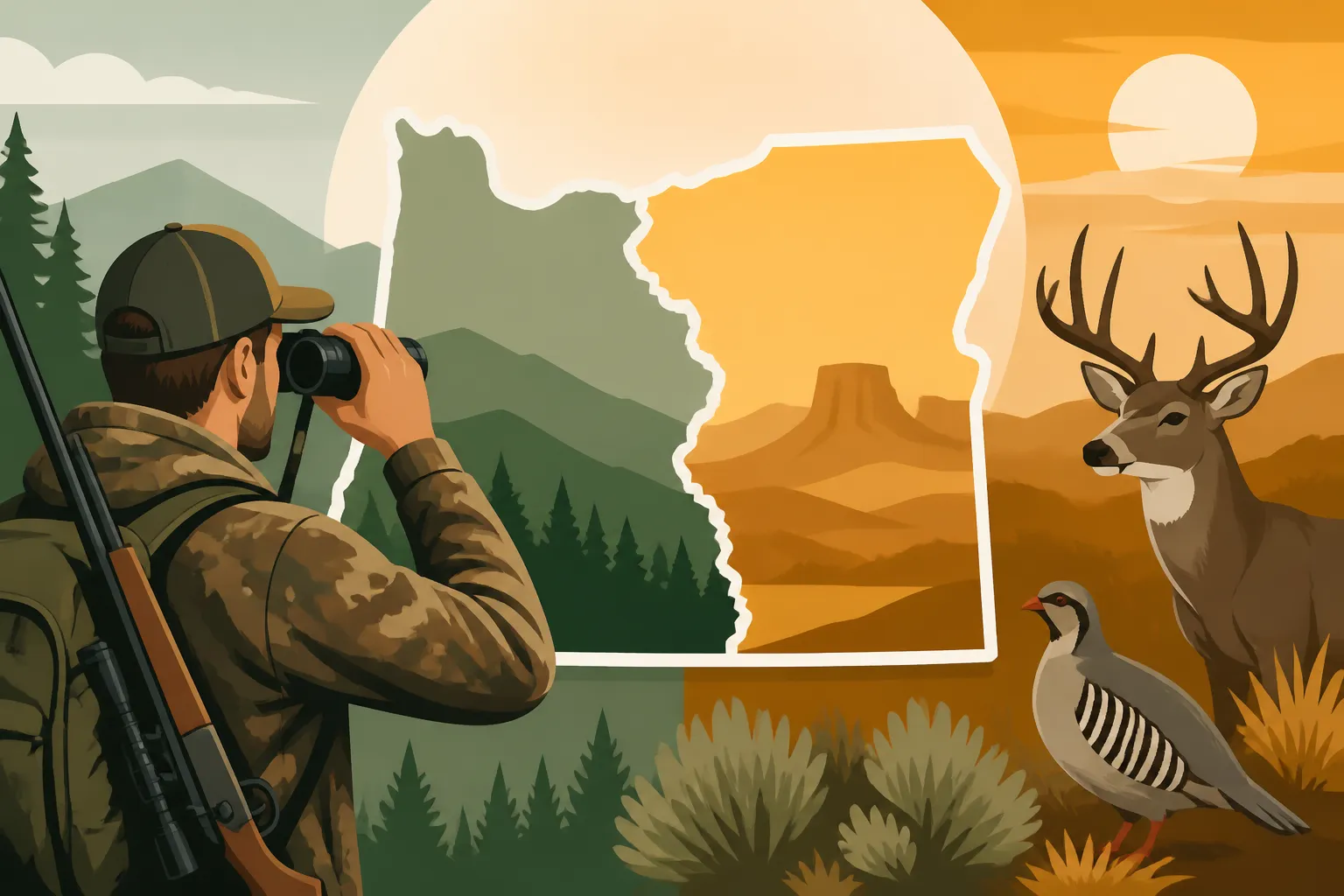
The most striking difference between the Fossil Unit and the Columbia Basin Unit lies in their fundamental nature of access and the strategies dictated by that. The Fossil Unit, with its mix of BLM and Forest Service lands, presents an "open but rugged" challenge. You'll spend a lot of time physically navigating public land, often cross-country, dealing with elevation changes, and decoding checkerboarded boundaries. The hunting here is primarily about finding game in vast, semi-open country, often through extensive glassing and then executing a physically demanding stalk. Your biggest tool for finding land will be your detailed map application like onX Hunt, and your biggest physical challenge will be the terrain itself.
Conversely, the Columbia Basin is primarily "private and agricultural." Your primary challenge isn't finding public ground to walk on, but rather gaining permission to step foot on private property. This requires social skills, persistence, and a willingness to knock on doors or send letters. Once permission is secured, the hunting strategy shifts to understanding how game utilizes agricultural landscapes and the pockets of cover within them. Your optics might be focused on spotting movement at long distances across fields, and your stalk might involve navigating around pivot irrigation or through crop rows. This contrast also influences gear choices; Optics for Dark Timber Versus Open Sage is a key consideration – in both units, open country optics are vital, but the range and type of cover differ. For the Fossil Unit, the emphasis is on effective E-Scouting Oregon Units With Satellite Imagery to identify potential hideouts and access roads, while for the Columbia Basin, it's more about identifying landowners for those crucial permission conversations. Tools like GoHunt can provide invaluable insights into draw odds and harvest statistics for both units, helping you make an informed decision on where to focus your efforts.
Tag Availability and Application Considerations
Both the Fossil and Columbia Basin units fall under Oregon's controlled hunt system for big game, meaning you'll need to apply for a tag in the draw. This process can be a source of anxiety and frustration for many, especially as point creep makes popular units harder to draw each year. You can learn more about the intricacies of the process in Oregon Controlled Hunt Draw Explained. Neither unit is typically considered "easy" to draw, especially for trophy mule deer, but their popularity can fluctuate year to year.
When considering which unit to apply for, you'll want to carefully research the draw odds and historical success rates for each. GoHunt is an excellent resource for this, providing detailed statistics that can inform your choices. If you're accumulating preference points, you might decide to put in for a specific unit as your first choice, understanding it might take several years to draw. If you're less concerned about points, you might look at units with slightly better odds, or those you're willing to hunt more frequently. Remember that How to Apply for an Oregon Controlled Hunt involves careful selection of your first, second, and third choices, and sometimes placing a lower-odds unit as a second or third choice can still pay off. Always check the current Oregon Department of Fish and Wildlife (ODFW) regulations for updated tag numbers and season structures for both the Fossil and Columbia Basin units, as these can change annually based on herd management goals.
Practical Tips for a Successful Trip
Regardless of which unit you choose, thorough preparation is non-negotiable for a successful and enjoyable Oregon hunt. For the Fossil Unit, your physical conditioning should be a top priority. Expect long hikes, often in steep, uneven terrain, under potentially extreme weather conditions. Your footwear needs to be robust, broken-in, and suited for rocky, dusty, or potentially muddy ground. Carrying ample water is critical in this arid environment, far more important than you might realize until you're out there. Given the distances involved, make sure your rifle is sighted in and you're confident in your ethical shot range.
For the Columbia Basin, while the terrain might be less physically demanding, the psychological demand of gaining access is significant. Bring your politest demeanor, a clear explanation of your intentions, and perhaps even an offer of help to the landowner. Always leave gates as you find them, stick to designated routes, and leave absolutely no trash. This builds goodwill and might open doors for future hunts. For both units, always pack a solid first-aid kit, communicate your hunt plan with someone back home, and be aware of fire restrictions. Central and Eastern Oregon can be prone to wildfires, and Checking Oregon Fire Closures Before the Season is a critical step, as closures can occur suddenly and ruin a planned hunt. Finally, and perhaps most importantly, always carry your current hunting license and tags, and be intimately familiar with the specific regulations for your chosen unit. Ethical hunting, respect for the land and landowners, and safety should always be your highest priorities.
Unit Comparison: Fossil vs. Columbia Basin
Here’s a quick overview contrasting the two units to help you visualize their differences:
| Feature | Fossil Unit | Columbia Basin Unit |
|---|---|---|
| Primary Terrain | High desert, rimrock, deep draws, juniper-sage | Vast agricultural fields, river breaks, rolling hills |
| Primary Big Game | Mule deer (elk present in specific pockets) | Mule deer (some whitetail), abundant upland birds |
| Public Land Access | Mix of BLM, Forest Service, checkerboarded | Predominantly private, very limited public parcels |
| Main Access Challenge | Navigating checkerboard, rugged terrain | Gaining landowner permission for private land |
| Common Hunting Method | Extensive glassing, spot-and-stalk | Permission-based hunting, still-hunting edges, bird hunting |
| Key Tools | High-quality optics, GPS/onX Hunt, sturdy boots | Social skills, onX Hunt, knowledge of farm cycles |
| Physical Demands | High (steep climbs, long walks) | Moderate (less rugged, but can cover long distances) |
Disclaimer
This article is for general informational purposes only and does not constitute professional advice. Laws, prices and regulations vary by location and change over time. Consult a qualified professional for guidance on your specific situation.