Public Land Scouting in Oregon Before the Draw Results
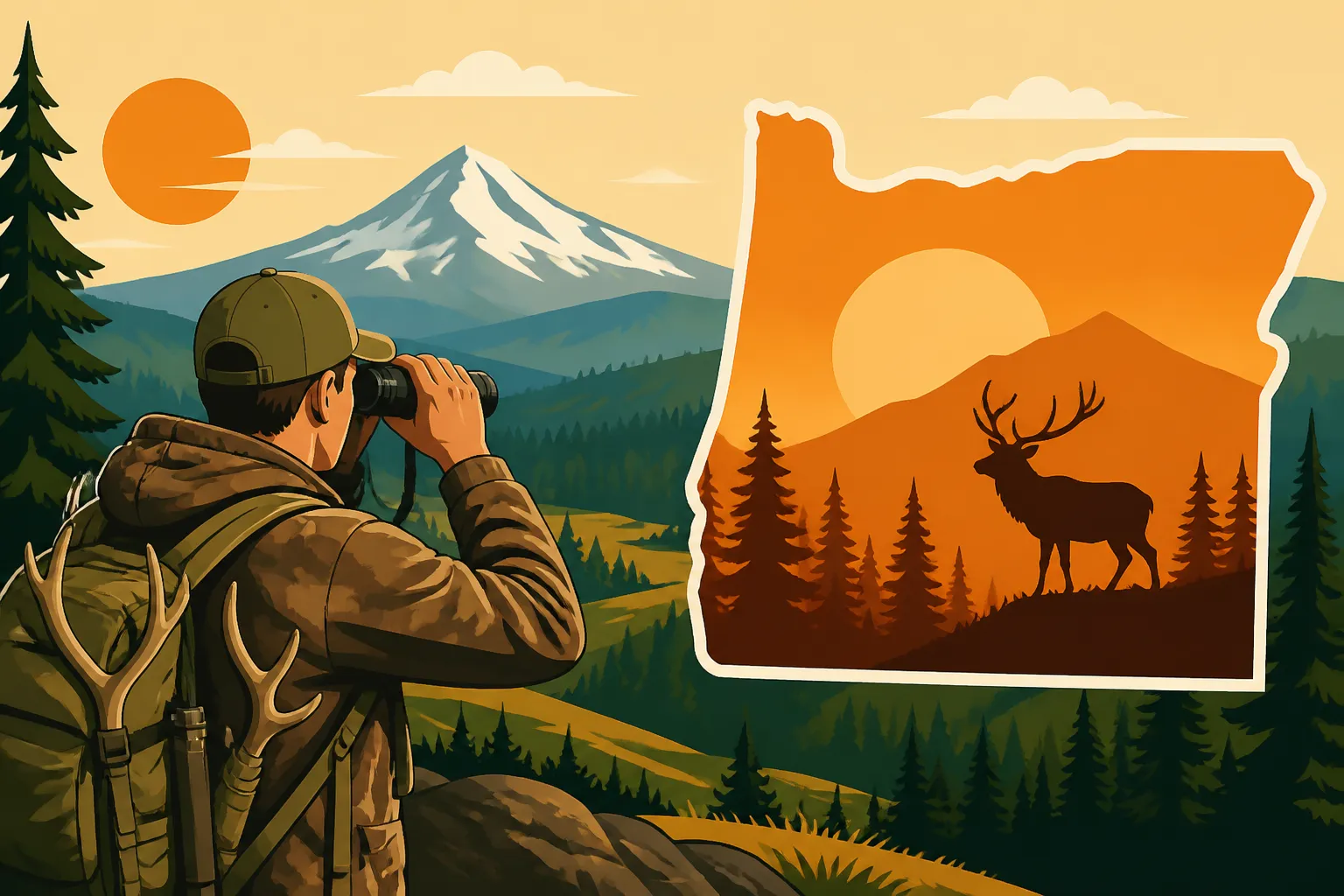
That agonizing wait for Oregon's controlled hunt draw results can feel like an eternity, leaving many hunters feeling paralyzed, unwilling to invest precious scouting time and energy into a unit they might not even draw. But here's the kicker: waiting until June to start your scouting means you're already behind, losing valuable months of intel gathering when the landscape is often more revealing. This comprehensive guide will show you exactly how to transform that anxious waiting period into a proactive advantage, equipping you to scout public land effectively long before the draw results are even announced.
Why Scouting Before the Draw is Your Secret Weapon
The common wisdom often dictates: wait for your tag, then hit the woods. But in competitive units across Oregon, that approach can leave you playing catch-up. Think about it: once the draw results are out, everyone else who drew the same tag is suddenly scrambling to do the exact same thing you are. The early bird, or in this case, the early scout, truly gets the worm.
Maximizing Time and Information Gathering
Spring and early summer offer unique scouting opportunities that disappear once the foliage thickens and the summer heat sets in. This is when you can see terrain features, old tracks, and migration routes far more clearly. Snowmelt often exposes mineral licks or heavily used game trails that become invisible later in the year. By starting early, you're not just getting a head start; you're gathering different information than you would later. You're building a comprehensive picture of the unit, layer by layer, rather than trying to cram all your intel into a few weeks. It’s about leveraging every available moment to become intimately familiar with the potential hunting grounds.
You can really dig into understanding potential migration patterns for species like mule deer in Eastern Oregon or elk moving between higher and lower elevations in the Cascades. Early scouting allows you to observe these subtle shifts before they become obscured by new growth. Imagine spotting a hidden spring that later becomes a crucial water source in dry country—that’s the kind of edge you gain.
Reducing Stress and Improving Decision-Making
Let's be honest, the pressure of a fast-approaching season combined with a newfound tag can lead to rushed decisions and less effective scouting. When you've already put in the groundwork before the draw, you're operating from a position of confidence, not desperation. Even if you don't draw your top choice, the knowledge gained from scouting a variety of units can inform your second or third choices, or even help you pivot to an over-the-counter tag with a better understanding of potential areas. This proactive approach significantly reduces the "oh shoot, now what?" panic when results drop.
Consider a scenario where you're applying for multiple units with varying draw odds. By pre-scouting a couple of your top choices, you'll have a much clearer picture of their potential and challenges. If you happen to draw a tougher, lower-odds unit, you won't be starting from scratch. You'll already have some key areas identified, allowing you to refine your plan rather than creating one from scratch. This methodical approach to planning is a game-changer.
Navigating Oregon's Unit System for Pre-Draw Scouting
Oregon's wildlife management units, and the recent shift to "herd ranges" for mule deer, can be confusing, especially for those new to the state or used to older systems. Understanding these boundaries and how they relate to the game you're pursuing is your first critical step in effective pre-draw scouting. You can’t scout a unit if you don’t know its exact borders or the species it holds.
Understanding Hunt Areas and Boundaries
The Oregon Department of Fish and Wildlife (ODFW) delineates specific hunt areas, often referred to as units, for big game species. These units are the foundation of the controlled hunt draw. Before you even think about putting boots on the ground, or even digitally scouting, you absolutely must understand the boundaries of the units you're applying for. These can follow natural features like rivers and mountain ranges, or artificial ones like roads and power lines. Many hunters have inadvertently crossed into an adjacent unit because they didn't scrutinize the map closely enough.
It's not just about knowing the lines on a map; it's about understanding what those lines encompass. Does the unit contain significant wilderness areas, vast tracts of industrial timberland, or a mix of public and private property? These distinctions will dictate your scouting approach. For instance, knowing the specific access points into a unit, or recognizing areas that are predominantly inaccessible, allows you to focus your efforts more efficiently. If you want to dive deeper into how these areas are structured, a good starting point is the ODFW explanation of Oregon's Wildlife Management Units and New Hunt Areas.
Researching Species and Habitat within Units
Not all units are created equal, and some are renowned for certain species or types of hunting. For example, some units in Western Oregon are prime for Roosevelt elk, while others in Eastern Oregon are known for Rocky Mountain elk. Similarly, mule deer populations vary significantly across the state. Your pre-draw scouting should involve deep research into the specific game animals present in your target units, their historical populations, and their preferred habitats. Are you looking for dense timber, high desert sagebrush, or agricultural fringes?
This research isn't just about presence; it's about quality. Understanding bull-to-cow ratios, fawn recruitment rates, and overall herd health can give you critical insights into a unit's potential. ODFW's annual big game reports are a treasure trove of this information, providing statistics and biologist notes that can help you prioritize which units to focus your pre-draw efforts on. If you're chasing mule deer, you'll want to pay close attention to the Oregon's 2026 Mule Deer Hunt Area Changes which might affect how you perceive certain units.
Digital Scouting: Your Pre-Season Command Center
Before you ever step foot in the woods, the most efficient and effective scouting happens right from your couch. Digital scouting, or e-scouting, allows you to cover vast amounts of ground, identify potential hotspots, plan routes, and eliminate unproductive areas without burning a single drop of gas. It's an indispensable first step in your pre-draw scouting arsenal.
Leveraging Mapping Software and Satellite Imagery
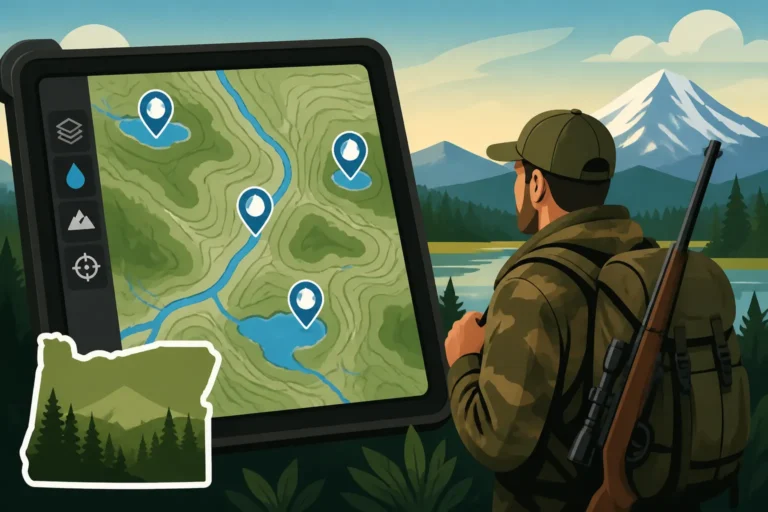
Modern mapping software is nothing short of a miracle for hunters. Platforms like GoHunt, OnX Hunt, and BaseMap offer incredibly detailed satellite imagery, topographical maps, and public/private land ownership layers. This is where you start to "walk" the unit virtually. Look for natural funnels, pinch points, bedding areas, feeding grounds, and water sources. Identify areas with varied topography where animals might seek thermal cover or escape pressure. Pay close attention to recent clearcuts or old burns, as these can be magnets for deer and elk, providing new growth for forage.
Tools like GoHunt are fantastic for this, offering not just land ownership and topo maps, but also layers for historical burn data, timber cuts, and even migration corridors. You can mark waypoints, measure distances, and draw out potential stalk routes or glassing points. This initial phase helps you build a solid foundation of understanding for the unit, identifying where you might want to spend your boots-on-the-ground time later. Really dig into the different map layers; often, the combination of a satellite view with a topo map reveals features you'd miss otherwise.
Utilizing Online Resources and Data
Beyond mapping software, a wealth of information exists online. ODFW's website is a primary source for hunt regulations, game management unit details, and historical harvest reports. Forums and social media groups dedicated to Oregon hunting can also offer anecdotal insights, though always take these with a grain of salt. Pay particular attention to resources that detail public access, such as Reading a Travel Management Area Map Before You Drive or discussions around Hunting Clearcuts on Private Timber Land. Understanding the historical context of a unit's success rates can help you gauge its trophy potential and general game density.
Remember to cross-reference multiple sources. What one hunter describes as "dense timber" might just be a small patch of trees to another. Look for patterns in harvest data, note any significant changes in regulations or unit boundaries, and research the impact of recent wildfires or severe weather events. Knowing how to use these online tools effectively is paramount, and it's a topic you can explore more deeply with guides like E-Scouting Oregon Units With Satellite Imagery. This deep dive into available data allows you to formulate informed hypotheses about where game animals might be concentrated.
Deciphering Habitat: What to Look For Early
Animals are creatures of habit, driven by fundamental needs: food, water, and cover. Understanding how these elements present themselves in the landscape, especially during the often-barren early season, is key to identifying prime hunting locations before the main hunt rush.
Identifying Food Sources and Feeding Areas
In spring, as the snow recedes and new growth emerges, animals will be drawn to early green-up areas. These could be south-facing slopes, lower elevation clearcuts, or areas with specific forage plants like bitterbrush or various grasses. As the season progresses, they'll shift to different food sources. Your early scouting should focus on identifying these transitional feeding areas. Look for signs of browsing, fresh tracks leading to and from these spots, and even old scat piles that indicate historical usage.
Eastern Oregon, for instance, has vast expanses of sagebrush and juniper country. Learning to identify which types of sagebrush mule deer prefer, or where bitterbrush is abundant, can make all the difference. In Western Oregon's dense timber, identifying recent clearcuts that are sprouting nutritious new growth will be crucial for locating blacktail deer and Roosevelt elk. Understanding the seasonal progression of food availability is a crucial piece of the puzzle.
Locating Water Sources and Travel Corridors
Water is life, especially in Oregon's drier Eastern units. Even in the wetter Western regions, predictable water sources can act as magnets, particularly during dry spells or late in the season. Identify springs, seeps, creeks, and even man-made stock ponds on your maps. These are often excellent places to set up trail cameras during the summer months (adhering to all Trail Camera Rules on Oregon Public Land, of course) to monitor game movement.
Once you have potential feeding and watering points, look for the travel corridors connecting them. These are often benches, saddles, ridge lines, or creek bottoms that offer the easiest and safest passage for animals. Look for heavily used game trails, rub lines from previous years, and wallows in elk country. These natural highways will guide you to where animals are moving. Don't forget that Finding Water on a Digital Map Before You Hunt is a critical skill that saves you countless hours in the field.
Pinpointing Bedding and Thermal Cover
Animals need safe places to rest, digest, and escape the elements. This is their cover. In dense timber, bedding areas might be on north-facing slopes with thick undergrowth, offering shade and security. In more open country, rock outcroppings, small pockets of timber, or deep draws can serve the same purpose. Early season scouting, before leaves fully emerge, can help you spot these hidden sanctuaries. Look for depressions in the dirt where animals have bedded, broken branches, or even shed antlers from the previous winter.
Thermal cover, especially during colder periods, is also vital. This usually means thick stands of evergreens that block wind and trap heat. Understanding how animals use different types of cover throughout the day and across seasons will allow you to predict their movements and pinpoint where they're likely to be when the hunting season arrives. The deeper you understand these elements, the better equipped you'll be to put together a cohesive hunt plan.
Boots on the Ground: Early Season Reconnaissance
While digital scouting is powerful, nothing replaces actually walking the ground. Early season reconnaissance, ideally when snow is melting but before vegetation gets too thick, offers a unique window into a unit's potential.
Hiking and Exploring Key Areas
Once you've identified promising areas through e-scouting, it's time to lace up your boots. Focus your early season hikes on those drainages, ridges, and clearcuts that looked good on the map. This is your chance to verify what you saw digitally and to discover features the satellite imagery might have missed. Look for fresh tracks, browse, and scat. Pay attention to how the wind swirls in certain canyons, where the sun hits first and last, and where the easiest routes are for both you and the game.
During this time of year, you might also find shed antlers, especially in areas that were historically winter range or migratory pathways. While shed hunting is a separate pursuit, finding sheds can confirm the presence of mature animals in an area and give you clues about their movements. Remember, always be aware of Winter Range Closures That Affect Late Hunts and ensure you're not disturbing sensitive areas during critical periods for game.
Setting Up Trail Cameras (Responsibly)
Spring and early summer are excellent times to deploy trail cameras. Place them on well-used game trails, near water sources, mineral licks, or natural funnels you identified during your digital and physical scouting. The goal here is to gather intel on species present, individual animal quality, and their movement patterns. This data will be invaluable when you finalize your hunt plan.
Before deploying any cameras, make absolutely sure you understand and adhere to all ODFW regulations regarding their use on public land. Rules can vary by area, and some places have restrictions on camera placement or when they can be active. Ensure your cameras are discreetly placed and secured, out of reach of curious bears or other animals.
Identifying Access Points and Challenges
One of the most critical aspects of early boots-on-the-ground scouting is understanding access. What looked like a clear trail on a map might be a washed-out logging road or heavily overgrown. Identify where you can legally park, what gates might be locked, and if special permits are required for certain timber company lands. Knowing your access options, or lack thereof, can dramatically influence your hunting strategy.
This is also the time to identify potential camping spots or staging areas. Are there designated campgrounds, or will you be dispersed camping? Understanding the travel management areas (TMAs) and their regulations on motorized access, like Where Motorized Travel Is Banned in a TMA, is absolutely paramount. Knowing these details early prevents stressful surprises when you're loaded down with gear, trying to get into position on opening morning. Remember to clearly mark these crucial points; Marking Access Points Before Opening Day can save you valuable time and frustration later.
Navigating Access: Public Land Realities in Oregon
Oregon offers a tremendous amount of public land for hunting, but access isn't always straightforward. From national forests to BLM lands and state forests, understanding the rules and potential restrictions is a non-negotiable part of your pre-draw scouting.
National Forests, BLM, and State Lands
Oregon is blessed with millions of acres of National Forest and Bureau of Land Management (BLM) lands, which are largely open to hunting. These areas often comprise vast, rugged terrain, providing excellent opportunities for both deer and elk. State Forests, such as the Tillamook and Clatsop State Forests in Western Oregon, also offer significant hunting opportunities, though they might have different management objectives and access rules.
Your digital scouting should always begin with overlaying public land maps. Pay attention to the subtle differences in regulations between these land types. For instance, some National Forests might have specific seasonal road closures, or certain areas might require a Northwest Forest Pass for parking. Always check the individual land management agency's website for the most up-to-date information before heading out. Sometimes, what looks like public land on a generic map might actually be a small, landlocked parcel that’s difficult to reach legally.
Travel Management Areas and Private Timber
A significant portion of Oregon's hunting land, particularly in Western Oregon, consists of private industrial timberland, often managed by companies like Weyerhaeuser or Hancock Forest Management. These companies sometimes offer public access through permit systems, fee programs, or designated walk-in areas. Additionally, many prime hunting areas, both public and private, are managed under Travel Management Areas (TMAs), which regulate motorized vehicle use to enhance wildlife habitat and hunting experiences.
It's critical to research the access policies for any private timberland within or adjacent to your target unit well in advance. Some permit systems open months before the season, and permits can sell out quickly. Similarly, understand the TMA rules thoroughly. A seemingly open road on your map might actually be behind a locked gate, or only open to foot traffic during hunting season. This is where Reading Green Roads on an Oregon Travel Management Map becomes an essential skill. Don't assume anything when it comes to access; always verify.
Access and Habitat Program Lands
ODFW's Access and Habitat Program is a fantastic resource that works with private landowners to open up lands to public hunting. These "Welcome to Hunt" or "By-Permission" properties are often critical pieces of habitat that would otherwise be inaccessible. Your pre-draw scouting should absolutely include checking the ODFW Access and Habitat website for any program lands within your target units.
These properties might be walk-in only, require signing in at a kiosk, or necessitate contacting the landowner directly for permission. The rules are clearly outlined for each property. Utilizing these program lands can provide a significant advantage, especially in units with high private land percentages, and they are a vital part of Oregon's Access and Habitat Program Lands. Some of these properties might be part of the Oregon Open Fields Properties and How to Find Them program, specifically targeting waterfowl or upland bird hunting, but occasionally offering big game opportunities as well.
Planning Your Strategy: From Intel to Hunt Plan
All the research and early season scouting culminates in one thing: a solid hunt plan. This isn't just about where you'll hunt, but how you'll hunt, what gear you'll need, and how you'll handle success.
Developing Your Primary and Contingency Plans
Based on your digital and ground scouting, you should be able to formulate a primary hunt plan for each unit you've scouted, outlining specific areas to focus on, preferred access routes, and potential bedding/feeding locations. But don't stop there. Develop contingency plans. What if your primary area is crowded? What if weather conditions change dramatically? What if the game isn't where you expected it to be?
Having a Plan B, C, and even D is crucial. This might involve identifying secondary access points, alternative hunting zones within the unit, or even a different type of terrain you can pivot to. This strategic foresight allows for flexibility in the field, which is often the difference between success and frustration. This adaptability is honed by understanding the full scope of a unit, which comes from thorough pre-draw scouting.
Gear Preparation and Physical Training
Effective hunting in Oregon's diverse terrain demands appropriate gear and physical fitness. Your pre-draw scouting should inform your gear choices. Are you looking at steep, rugged backcountry where lightweight backpacking gear is essential, or more accessible front-country areas where you might set up a wall tent camp? Knowing the terrain and likely weather conditions for your target unit will help you make informed decisions about everything from boots and rain gear to optics and pack systems.
Physical training should also start well before the draw. Oregon's public lands can be physically demanding, whether you're climbing steep coastal ranges for Roosevelt elk or covering vast distances in the high desert for mule deer. Don't wait until you draw a tag to start getting in shape; by then, it might be too late. Guides like Physical Training for an Oregon Elk Hunt can offer valuable insights into preparing your body for the rigors of an Oregon hunt. Being physically ready means you can push further, hunt harder, and recover game more efficiently.
Post-Harvest Planning and Logistics
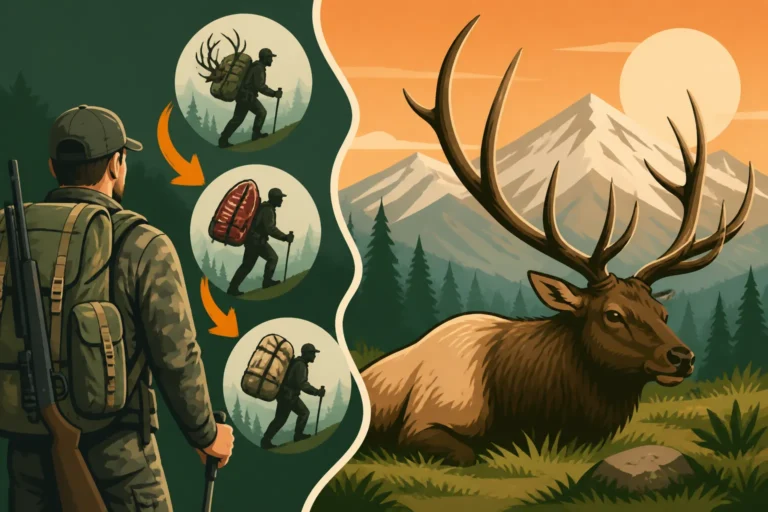
While it might seem premature, pre-draw scouting should also include thinking about post-harvest logistics. If you're successful, how will you get the animal out of the woods? Where is the nearest town with services like ice, meat processing, or gas? What's your plan for Getting Meat Out Before It Spoils in potentially warm weather?
Consider the distances involved. If you're hunting Eastern Oregon, the drive home can be many hours. Having a plan for coolers, ice, and preserving your meat is essential. Research local butchers near your target units; some might offer services that cater to hunters. Even if you don't draw your desired tag, thinking through these logistics makes you a more prepared and responsible hunter. This foresight is a mark of true preparation and respect for the game.
The Pitfalls of Waiting: Why Procrastination Costs You
It's tempting to put off scouting until you know exactly where you'll be hunting. The thought of investing all that time and effort into a unit only to not draw the tag can feel like a waste. However, the reality is that waiting carries far greater risks and missed opportunities.
Missing Critical Scouting Windows
Oregon's landscape changes dramatically from early spring through the summer and into fall. Early season scouting, as discussed, provides a clear view of the terrain before dense foliage emerges. Water levels are often higher, revealing more permanent sources. Game trails and historical rubs are more visible before new growth covers them. By waiting until after the draw, you're not just losing time; you're often missing the best windows for certain types of reconnaissance.
Imagine trying to spot subtle topographical features or old sign in a Western Oregon clearcut when the salal and sword ferns are chest-high in July. It’s a completely different environment than the relatively open landscape of April or May. This crucial early intel allows you to understand the bones of the country, which remains relevant even as the vegetation changes.
Increased Pressure and Limited Options
Once the draw results are out, the floodgates open. Every other hunter who drew a tag for your unit will suddenly be trying to do the same thing: scout, secure access, and plan. This means more competition for prime scouting locations, potentially crowded roads, and longer wait times for any necessary permits or services. You'll be behind the curve, trying to catch up in an already competitive environment.
Furthermore, if you waited and didn't draw your desired tag, you might find yourself scrambling for an over-the-counter option with little to no prior research. This limits your choices and significantly reduces your chances of a successful and enjoyable hunt. Proactive scouting, even for units you might not draw, builds a broader knowledge base that can be invaluable for selecting fallback options. The goal is to always have options, not just one all-or-nothing plan.
Unpreparedness for the Season's Demands
Hunting, especially for big game in Oregon, requires more than just a tag. It demands physical conditioning, mental fortitude, and a deep understanding of the area you're hunting. Waiting until the last minute to begin your scouting means you'll also be compressing your physical training and mental preparation into a shorter, more stressful timeframe.
The unique challenges of Oregon's varied terrain, from the steep, wet timber of the Coast Range to the expansive, rugged high desert, require specific preparation. If you haven't put in the early work to understand these demands, you risk being physically and mentally unprepared when opening day arrives. This isn't just about bagging an animal; it's about having a safe, responsible, and fulfilling experience in the field.
Disclaimer
The information provided in this guide is for general informational purposes only and should not be considered legal advice. Hunting regulations, seasons, and access rules in Oregon are subject to change. Always consult the most current Oregon Department of Fish and Wildlife (ODFW) regulations pamphlet and relevant land management agency rules before planning any hunting or scouting activities. Ensure you obtain all necessary licenses and tags.