Following Up a Marginal Hit
Marginal hits on Oregon game animals require hunters to analyze visual cues and auditory sounds for successful tracking and recovery.
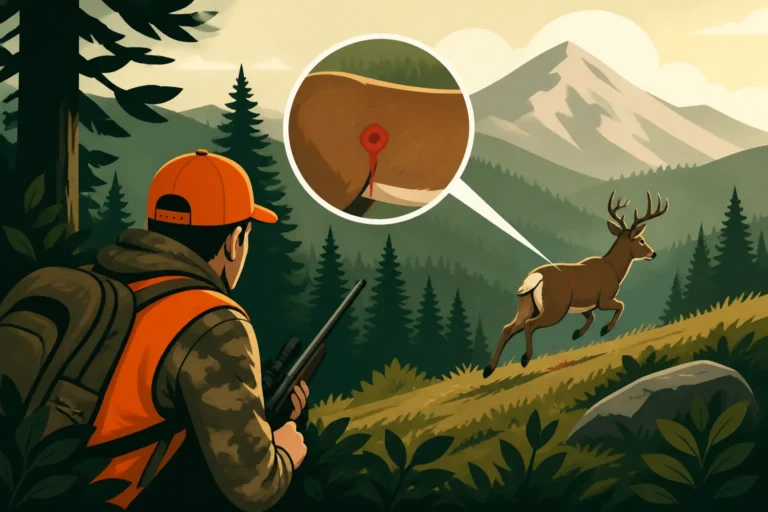
Marginal hits on Oregon game animals require hunters to analyze visual cues and auditory sounds for successful tracking and recovery.
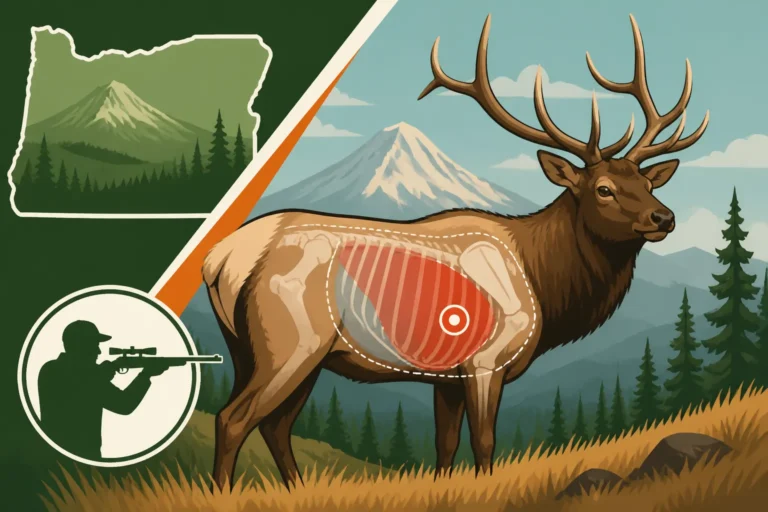
Shot placement on a quartering Oregon elk explains internal anatomy, skeletal structures, and diagonal angles for ethical harvests.
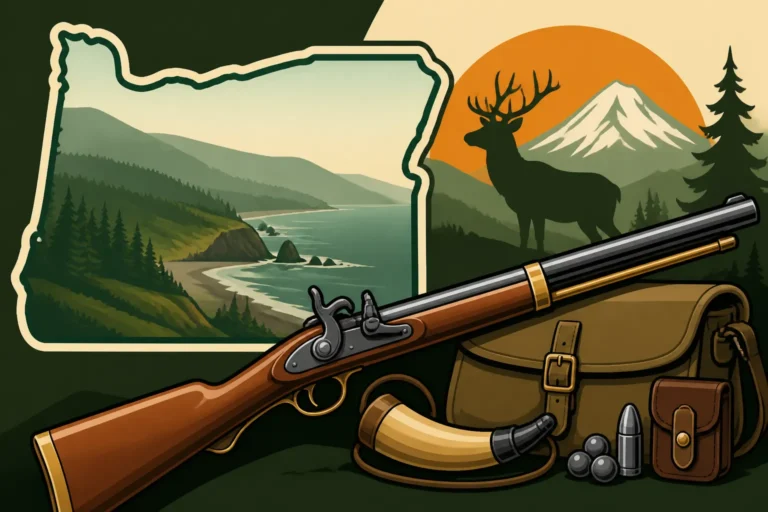
Oregon muzzleloader equipment rules specify legal ignition systems, projectiles, approved sights, and minimum caliber sizes for hunting.
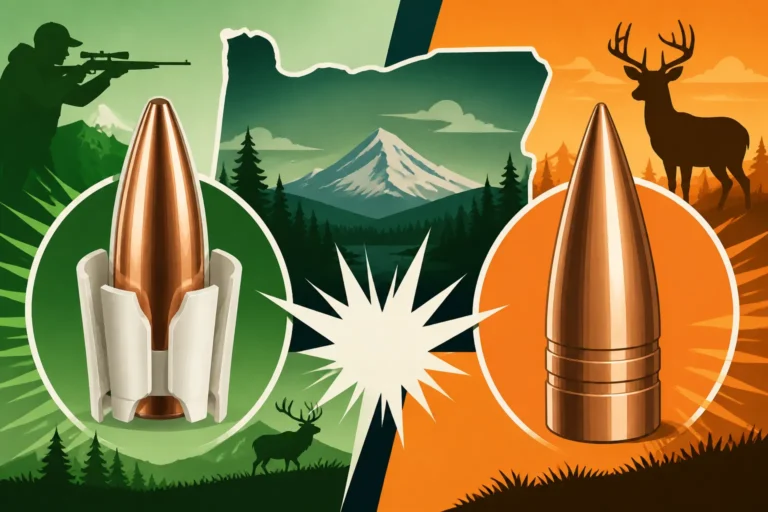
Sabot and conical bullets compared for muzzleloader hunting, explaining performance, twist rates, and Oregon regulations.
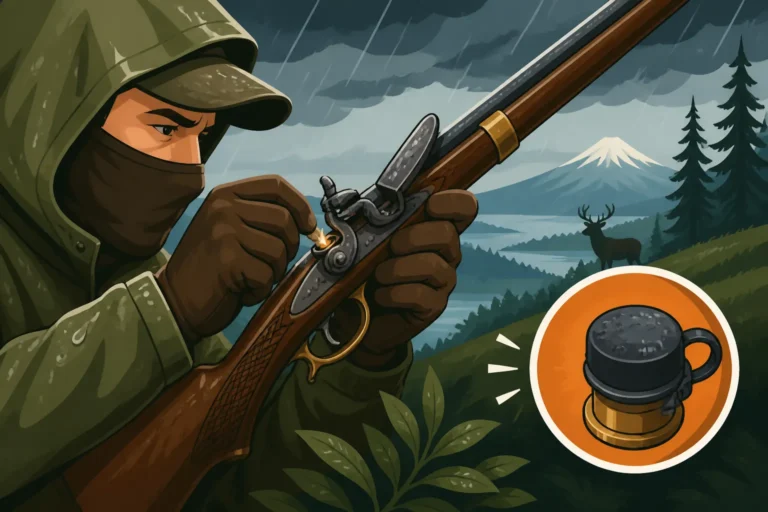
Moisture protection methods for muzzleloader ignition systems explain how hunters prevent misfires during rain in Oregon.
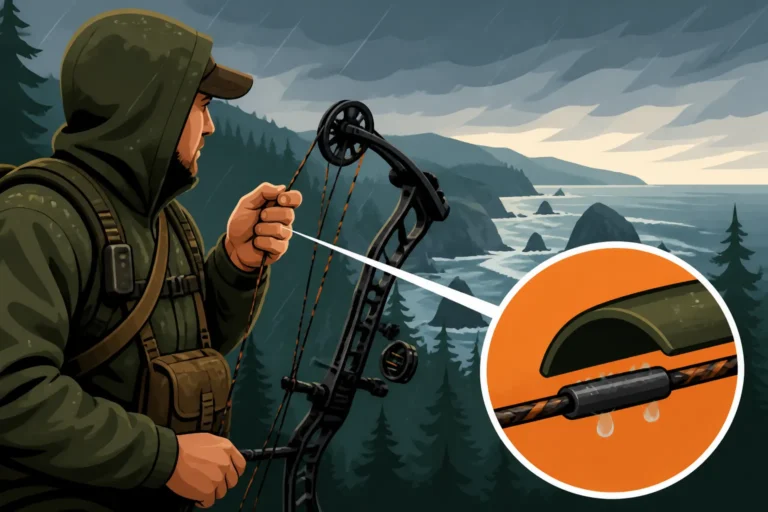
Coastal rain ruins archery accuracy, but practical field strategies keep bowstrings dry and hunting equipment performing flawlessly.
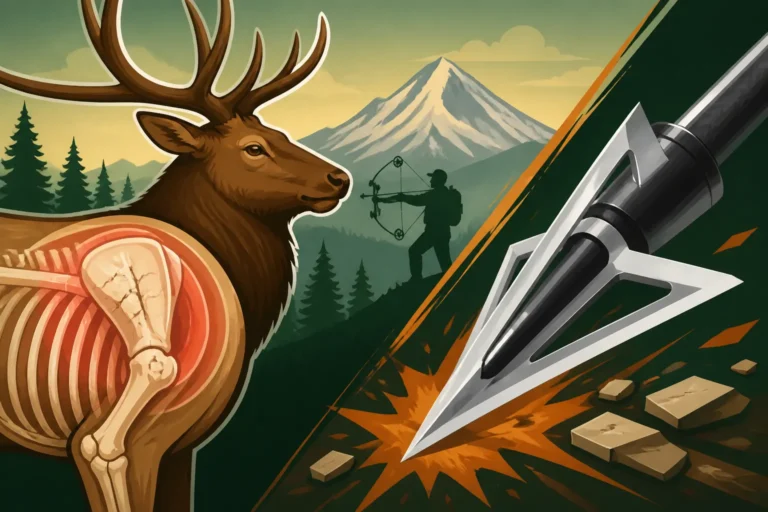
Broadhead selection for elk hunting helps hunters choose durable designs that penetrate dense bone and animal shoulders.
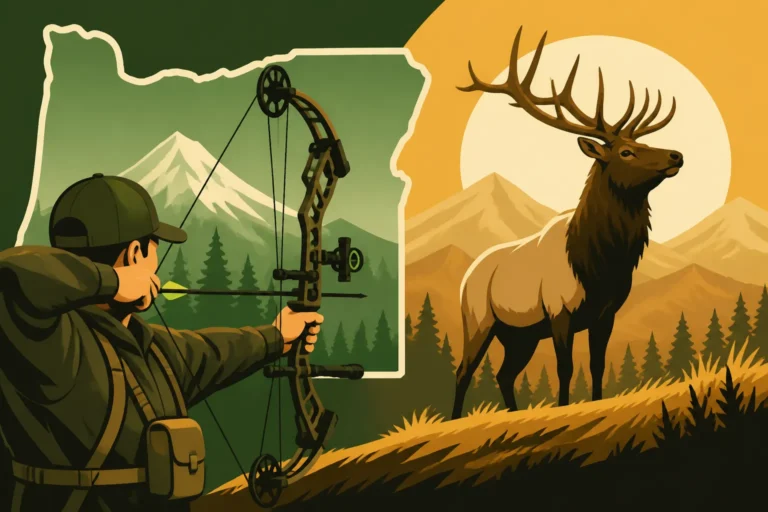
Bow draw weight provides kinetic energy and momentum for arrow penetration to harvest mature elk weighing seven hundred to one thousand pounds.

Rangefinders with angle compensation calculate horizontal equivalent distance for accurate uphill and downhill shots on steep terrain.
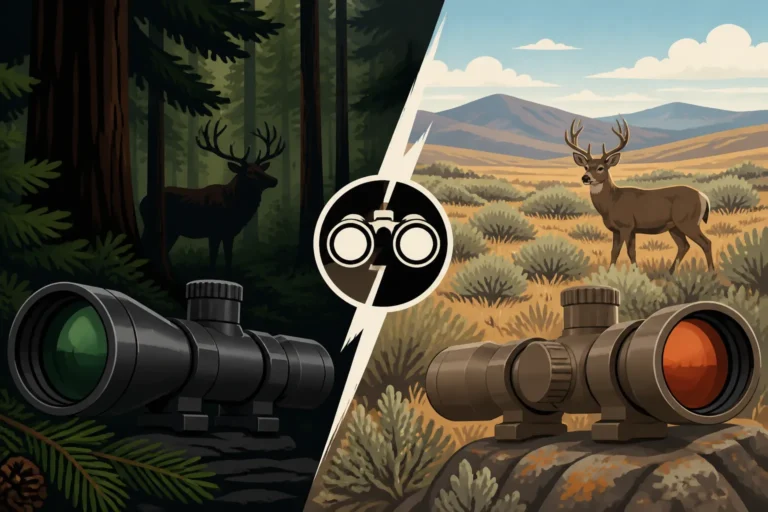
Oregon hunting optics selection for dark timber and open sage environments, balancing light gathering, magnification, and waterproofing.