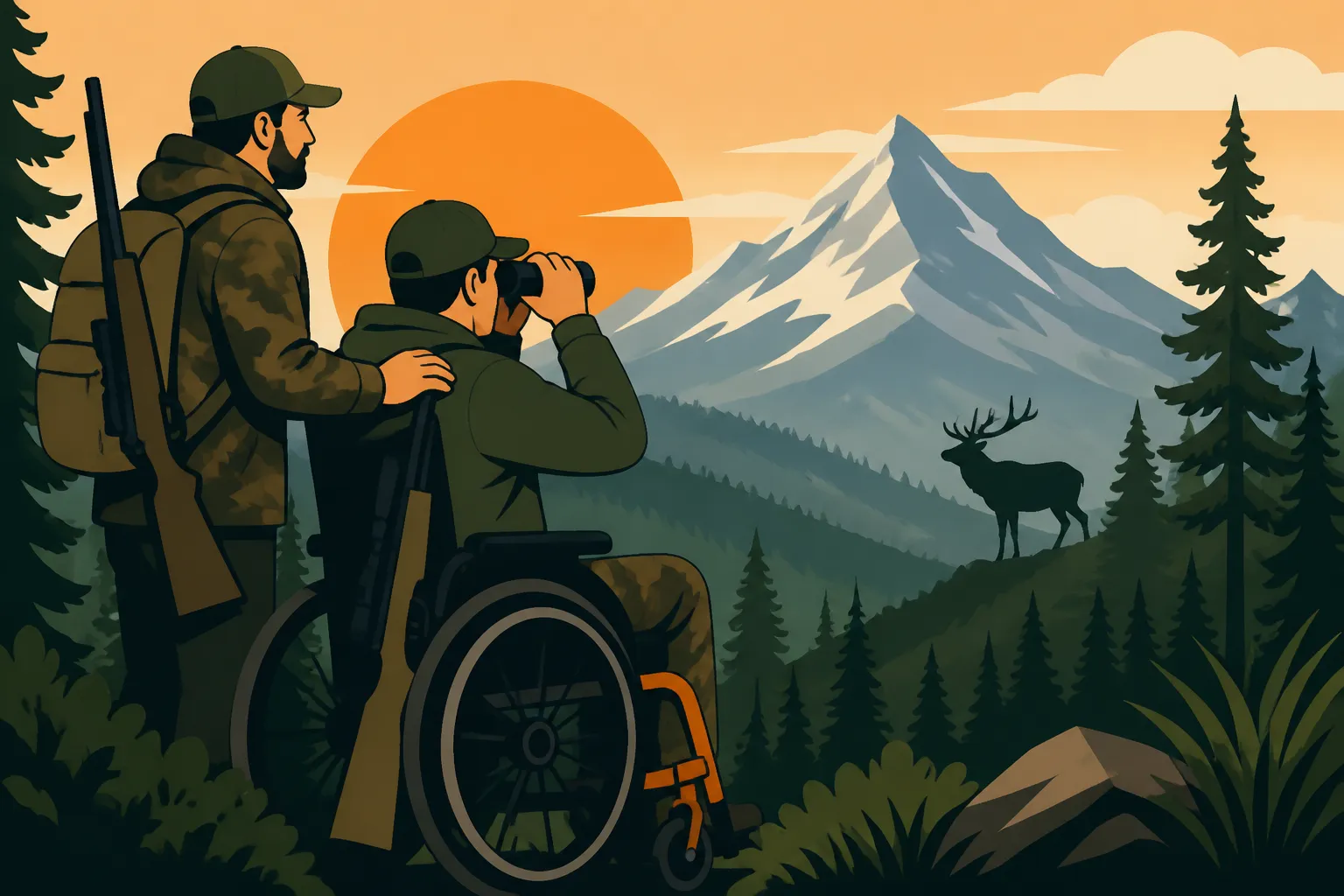
Guided Hunts for Hunters With Disabilities
Many hunters with disabilities face significant hurdles when trying to access Oregon's rugged and diverse hunting grounds, from navigating dense timber to traversing steep, open country. It can feel disheartening when physical limitations seem to put your passion out of reach. This comprehensive guide is designed to shed light on how guided hunts can provide crucial support and open up incredible opportunities, ensuring that a physical disability doesn't have to mean giving up on your Oregon hunting dreams.
Understanding the Landscape: Accessibility Challenges and Solutions for Hunters with Disabilities
Oregon is a state of incredible contrasts, from the thick, wet rainforests of the Coast Range to the vast, arid high desert of the east. Each region presents its own set of challenges for any hunter, but these are often amplified exponentially for individuals living with disabilities. It's not just about getting to the trailhead; it's about navigating uneven terrain, staying comfortable in harsh weather, and safely executing a hunt once game is located. The sheer physical demands of packing into remote areas, crossing blowdown, or climbing steep ridges can be insurmountable without specialized assistance or adaptive equipment. This section dives into these common barriers and explores how modern solutions are making hunting more inclusive.
Identifying Common Barriers in Oregon's Terrain
Think about still-hunting in the western Oregon coastal range for blacktail deer. You're trying to move silently through dense sword fern and salal, often on slippery, moss-covered ground or steep clearcuts. For someone with mobility impairments, even a short distance can become an exhausting, if not impossible, trek. Similarly, glassing vast rimrock country in eastern Oregon for mule deer might sound accessible from a vehicle, but getting from a spotting location to an animal across broken, rocky ground or deep draws requires significant effort. These are the realities of Oregon's varied landscape—beautiful, abundant, but rarely forgiving.
Navigating these challenges often involves more than just a strong will. It can mean confronting impassable terrain, dealing with extreme weather conditions that demand quick movement or shelter, and managing the weight of gear, let alone a harvested animal. Even simple acts like crossing a barbed-wire fence, climbing into a treestand, or maintaining balance on a slippery creek bank can become major obstacles. Many hunters simply give up, believing their disability has permanently sidelined them from the pursuit they love, which is a truly heartbreaking thought for anyone with a deep connection to the outdoors.
The emotional and psychological toll of these barriers can be as significant as the physical ones. The feeling of being excluded from an activity that brings so much joy and connection to nature can lead to frustration and isolation. It's crucial for hunters with disabilities to know that there are dedicated resources and people who understand these struggles and are committed to finding solutions, ensuring that their passion for hunting can continue to thrive, whether they are pursuing Roosevelt Elk in Western Oregon or Oregon Mule Deer and the Herd Range Decline.
The Role of Adaptive Equipment and Support
Thankfully, innovation in adaptive equipment has made remarkable strides, opening doors that were once firmly shut. This isn't just about wheelchairs; it encompasses a wide array of tools and modifications. We're talking about specialized all-terrain wheelchairs, tracked vehicles, or even modified UTVs that can handle rugged backcountry roads where conventional vehicles can't go. For those with upper body limitations, adaptive shooting rests, mouth-activated triggers, or even sip-and-puff firing systems can empower them to aim and shoot accurately and safely. Mobility assistance doesn't stop at wheeled vehicles; specialized crutches, braces, or even exoskeletons can offer significant support for hunters who retain some ambulatory ability but need extra stability or endurance.
Beyond the physical tools, the support network itself is a form of adaptive equipment. This often involves a hunting partner or, more effectively, a professional guide who is trained and experienced in assisting hunters with diverse needs. They can help with everything from navigating difficult terrain, setting up blinds, loading and unloading gear, to tracking game and even field dressing an animal. The presence of a knowledgeable and empathetic guide can transform a potentially dangerous or frustrating outing into a safe and successful one. Having someone experienced with both the land and adaptive techniques is invaluable. These advancements mean that the dream of chasing an elk in the Coast Range or a mule deer in the high desert is becoming a reality for more and more individuals.
How Guided Hunts Bridge the Gap for Disabled Hunters in Oregon
For many hunters with disabilities, the idea of a self-guided hunt in Oregon's challenging terrain can be daunting, if not impossible. This is where a guided hunt truly shines, acting as a crucial bridge that connects a hunter's passion with the incredible opportunities Oregon has to offer. Outfitters specializing in accessible hunts don't just provide transportation; they offer a holistic support system designed to minimize barriers and maximize the hunting experience. They bring expertise in local game behavior, knowledge of accessible hunting areas, and the physical assistance required to ensure safety and success. This section explores how these specialized services, combined with an understanding of unique regulations, make guided hunts an ideal solution.
Tailored Services and Specialized Knowledge from Outfitters
One of the biggest advantages of a guided hunt for a hunter with a disability is the highly tailored service an experienced outfitter can provide. It's not a one-size-fits-all approach; a good guide will take the time to understand your specific needs, limitations, and hunting goals. This might involve pre-scouting accessible blinds or stand locations, planning routes that minimize physical exertion, or even ensuring camp accommodations are wheelchair-friendly. Imagine wanting to hunt Archery Elk Hunting Oregon's August and September Seasons but needing to minimize walking. An outfitter can help by strategically placing you in an area where calling can bring the elk to you, or by utilizing specialized vehicles to get you closer to prime locations.
Outfitters often possess deep, intimate knowledge of specific hunting units. They know the terrain, the game movements, and even lesser-known access points that might be more suitable for adaptive equipment. They understand local patterns, such as Blacktail Rut Timing in Western Oregon or Elk Behavior After a Wildfire, and can use this to increase your chances of success while minimizing physical strain. Furthermore, they are equipped to handle the logistical complexities of a hunt, from setting up camp and cooking meals to tracking a wounded animal and packing out meat. Their experience becomes your advantage, transforming a potentially overwhelming task into a manageable and enjoyable adventure. It’s their job to sweat the small stuff so you can focus on the hunt itself.
Navigating Permits and Regulations for Hunters with Disabilities
Understanding Oregon's hunting regulations can be complex enough for any hunter, but for those with disabilities, there are often specific provisions and permits that can significantly enhance accessibility. These aren't always widely publicized or easy to find, and an experienced outfitter can be an invaluable resource in navigating this bureaucratic landscape. Oregon, like many states, offers certain accommodations, such as special parking permits for persons with disabilities that might allow access to otherwise restricted areas, or specific vehicle use permits within certain travel management areas. Reading a Travel Management Area Map Before You Drive is crucial, but knowing how disability permits might alter access within those areas is even more so.
A reputable guide will be well-versed in these nuances and can help you identify and apply for any necessary special permits or exemptions. This might include permits for shooting from a stationary vehicle in certain circumstances, or access to specific designated accessible hunting blinds on state or federal lands. They can also advise on any requirements for Oregon Hunter Education Requirements or Oregon Bowhunter Education Rules that might have alternative provisions for hunters with disabilities. By taking on this administrative burden, outfitters free you up to focus on preparing for the hunt itself, secure in the knowledge that all legalities are handled correctly. It’s about ensuring you hunt within the rules, but also leveraging those rules to your advantage.
Choosing the Right Oregon Outfitter for an Accessible Hunt
Finding the right outfitter for a hunter with disabilities isn't just about finding someone with a license; it's about finding a partner who understands your unique needs, has the right equipment, and shares your vision for a successful and enjoyable hunt. This process requires thorough research and clear communication. You're not just booking a hunt; you're entrusting your safety, comfort, and the realization of a dream to this individual or company. It's crucial to ask the right questions and verify their capabilities to ensure a positive experience. This section will guide you through the essential steps to vet potential guides and identify resources specifically tailored for accessible hunting adventures.
Key Questions to Ask Prospective Guides
When you're speaking with potential outfitters, don't hold back on asking detailed questions. Your comfort and safety are paramount. Start by asking about their specific experience guiding hunters with disabilities. Have they worked with your particular disability before? What kind of adaptive equipment do they have or can they source? For example, if you require an all-terrain chair, do they have one, or do they know where to rent one? Inquire about the physical demands of the hunt – describe your mobility and ask for an honest assessment of how well you'd navigate their typical terrain. If you're looking for a Spot-and-Stalk Spring Bear on Oregon's Green Slopes, how will they ensure you can get into a spotting position and then make a stalk?
Beyond equipment and experience, ask about logistics. What are the camp accommodations like? Are they wheelchair accessible? What about transportation to and from hunting areas? Will there be additional staff to assist if needed? Get clarity on their emergency protocols, including First Aid Kit Items for a Remote Hunt and communication plans in areas without cell service. Discuss shot distances they typically expect clients to take, and if they can accommodate specific shooting aids you might bring. A transparent and empathetic outfitter will welcome these questions and be able to provide clear, reassuring answers, demonstrating their commitment to making your hunt a success regardless of physical limitations.
Here's a table outlining key questions and what good answers might look like:
| Category | Key Questions to Ask | What to Look For in an Answer |
|---|---|---|
| Experience | Have you guided hunters with my specific disability before? | Specific examples, understanding of related challenges and solutions. |
| What kind of adaptive equipment do you utilize or have access to? | Details on ATVs, specialized chairs, shooting rests, or partnerships. | |
| Logistics | Describe your camp setup. Is it accessible? | Clear description of ramps, wider doorways, accessible restrooms. |
| How do you transport hunters to and from hunting areas? | Mention of adapted vehicles, UTVs, or careful route planning. | |
| Safety | What are your emergency plans and communication protocols? | Discussion of satellite phones, medical training, evacuation routes. |
| How do you handle tracking and retrieval with adaptive needs? | Outline of additional staff, specialized equipment, or teamwork. | |
| Hunt Details | What are the physical demands of this particular hunt? | Honest assessment, options for reduced exertion, flexible strategies. |
| Can you accommodate specific shooting aids or techniques? | Willingness to adapt, prior experience with various setups. | |
| References | Can I speak to previous clients with disabilities you've guided? | Contact information for happy, relevant clients. |
Resources for Finding Disability-Friendly Outfitters
Fortunately, there are several excellent resources available to help you connect with outfitters who are genuinely equipped and experienced in guiding hunters with disabilities. Start by checking with organizations specifically dedicated to adaptive outdoor sports or hunting. Many states have non-profits that focus on providing accessible hunting opportunities and often maintain lists of recommended outfitters or even sponsor hunts. Websites like BookYourHunt often have filters or categories that allow you to search for guides specializing in accessible hunts, or you can directly contact outfitters listed to inquire about their disability accommodations. GoHunt is another excellent platform for researching hunts and outfitters; while not exclusively focused on disability, their detailed outfitter profiles can help you identify those with the right experience and infrastructure.
Don't underestimate the power of word-of-mouth. Reach out to online forums, social media groups, or local hunting clubs that cater to hunters with disabilities. Personal recommendations from someone who has had a positive experience can be invaluable. When you find a potential outfitter, always ask for references, specifically from clients who have similar needs to your own. This isn't just a formality; it's your opportunity to hear firsthand about their experiences, the challenges they faced, and how the outfitter addressed them. By leveraging these resources, you can confidently find an Oregon outfitter who will not only put you on game but ensure a comfortable, safe, and truly memorable hunting adventure.
Disclaimer
This article is for general informational purposes only and does not constitute professional advice. Laws, prices and regulations vary by location and change over time. Consult a qualified professional for guidance on your specific situation.