What Bears Eat Before Berries Ripen
For many Oregon hunters, the early spring bear season can feel like a guessing game. You know bears are out of their dens, but the lush berry patches they'll gorge on later in the summer are still bare. This often leaves hunters scratching their heads, wondering exactly what these magnificent creatures are foraging for to survive and thrive before the sweet, calorie-rich berries begin to ripen. This guide will meticulously break down the crucial, often overlooked, dietary habits of Oregon's black bears during those pivotal weeks and months leading up to the berry bonanza, helping you understand their movements and preferences.
The Early Spring Scramble: First Meals After Denning
When Oregon's black bears finally emerge from their winter dens, they're often lean, hungry, and their digestive systems need a gentle restart. The world outside is only just beginning to wake up, and prime food sources are still a ways off. This period is a true scramble for survival and recovery.
Emerging Hungry: Post-Denning Needs
Imagine waking up from a months-long nap, your stomach growling, and your body craving nutrients. That's essentially what a bear experiences after denning. Their primary goal is to replenish lost fat and muscle mass. While they've survived on their stored fat reserves, their bodies are depleted, and their digestive systems have been mostly dormant. Initially, they'll seek out easily digestible foods that don't require a lot of energy to process. This often means focusing on tender, moist vegetation that's just barely peeking through the thawing ground, or anything that offers a quick caloric boost without much effort. The absolute earliest green shoots are like a natural laxative, helping to clear their systems and get things moving again after months of inactivity.
They’re not picky in these first few days and weeks. Anything that provides energy and aids digestion is fair game. Think of the lowest elevation south-facing slopes, where the snow melts first and the sun hits longest. These are often the first places to "green up," offering those initial, tender sprouts. A bear will follow these green-up lines like a moving cafeteria, slowly moving higher in elevation as the spring progresses.
Scavenging for Survival: Winter Kill and Leftovers
In this initial phase, before a bounty of fresh vegetation, bears are highly opportunistic scavengers. While we often think of bears as powerful predators, early spring is when they truly shine as nature's clean-up crew. Any animals that succumbed to the harsh winter conditions – deer, elk, or even smaller creatures – become vital protein and fat sources. These carcasses, often buried under late snowfalls, begin to thaw and release their scents, acting like a beacon for hungry bears.
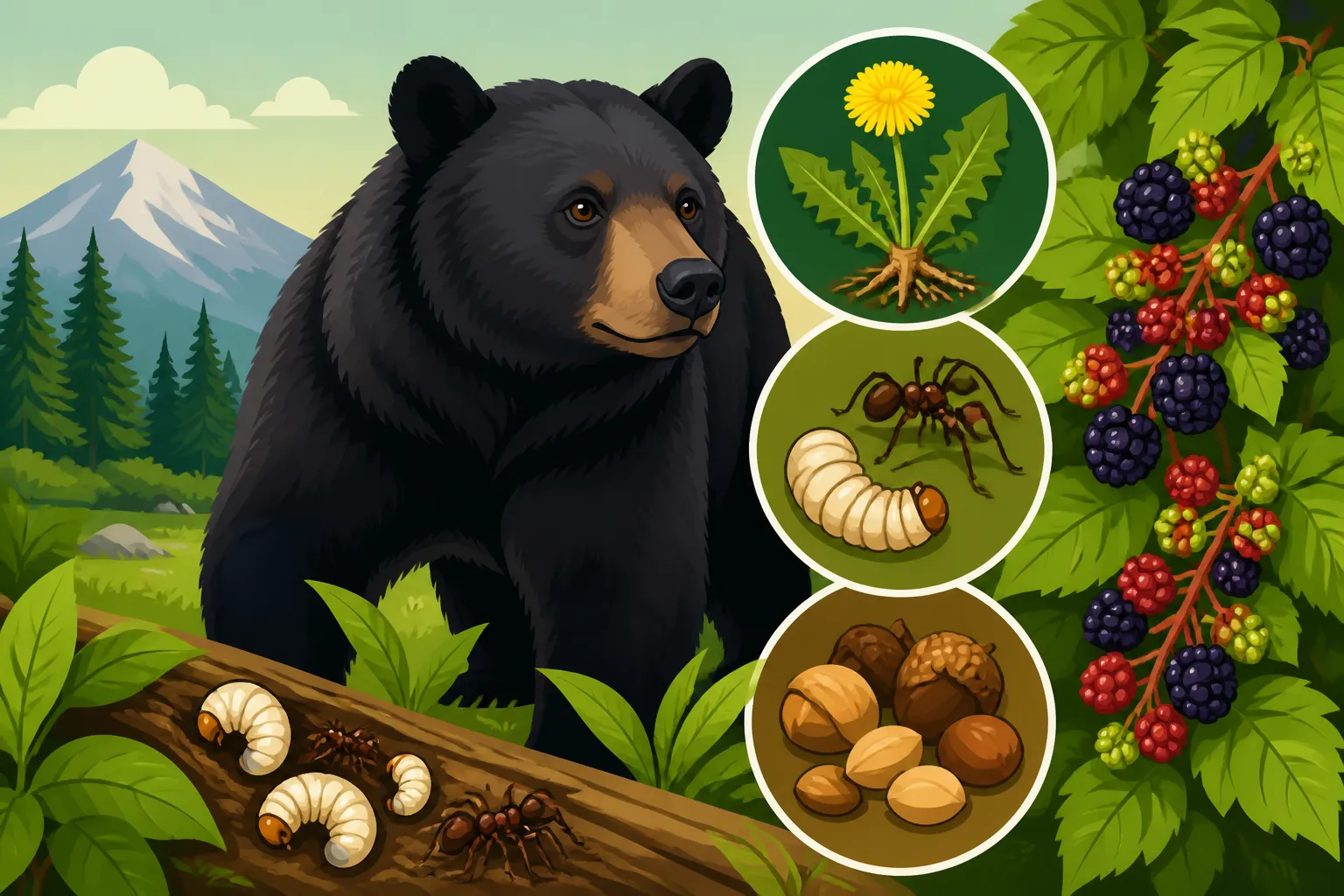
They'll also actively search for nuts, acorns, or seeds that were buried or forgotten the previous fall. While not a primary food source at this time, finding a cache can provide a much-needed concentrated burst of energy. I've personally seen areas in the eastern Cascades where bears have torn apart old stumps and overturned rocks, clearly looking for hidden food stores from the prior autumn. Knowing where deer and elk traditionally winter can give you an excellent starting point for locating potential carrion sites for early spring bears. You might be interested in learning about Elk Behavior After a Wildfire as these areas often have new growth and potentially winter-killed animals.
The Green-Up Feast: Forbs, Grasses, and Essential Nutrients
As spring fully takes hold across Oregon, the landscape transforms, and with it, the black bear's diet shifts significantly. The early, scarce period gives way to a verdant explosion of plant life, offering bears a crucial nutritional boost before the arrival of berries.
The Verdant Buffet: Key Plant Species
Once the forest floor truly awakens, black bears become primarily herbivorous, focusing heavily on a diverse array of fresh plant matter. They're not just grazing randomly; they're selectively seeking out specific plants known for their nutritional value. Skunk cabbage is a major early season player, especially in the damp, western Oregon drainages. Its large leaves and pungent scent make it easy to locate, and bears seem to love its fibrous nature for digestion. Horsetails, sedges, and various clovers are also high on their list, providing essential vitamins and minerals. These tender, succulent greens help to rehydrate their bodies after the dry denning period and kickstart their metabolism.
In fact, bears will often travel significant distances to find these patches of green. Using tools like GoHunt's satellite imagery can help identify low-elevation, south-facing slopes and wetland areas that tend to green up first, giving you a distinct advantage in predicting bear movement. They're focused on quantity and quality, packing in as much of this nutrient-rich vegetation as possible to begin building up reserves for the harder months ahead.
High-Elevation Delights: Timing the Green Wave
The "green wave" is a critical concept for understanding spring bear movements. As spring progresses, the snowline recedes, and the warmer temperatures trigger vegetation growth at higher elevations. Bears don't just stay put; they follow this green wave uphill. This means that a bear might start the season feeding on skunk cabbage at 1,000 feet in the Coast Range, then move to emerging grasses and forbs at 2,500 feet, and eventually to higher alpine meadows as late spring turns into early summer. This upward migration is predictable and can be tracked by observant hunters.
Knowing the Spring Bear Hunting Timing by Elevation is key here. If you're seeing signs of bears lower down, but the vegetation there is starting to get tough and fibrous, it's a good bet they've already started their ascent. Conversely, if you're hunting higher, and the snow is still deep, you know they're probably still below you. This dynamic movement ensures they always have access to the freshest, most nutritious plant growth available.
Boosting Body Mass: Insects, Carrion, and Animal Protein
While green vegetation forms the bulk of a bear's early diet, they are acutely aware of the need for protein and fat to quickly regain weight. Before berries fill their bellies, bears supplement their plant-based meals with a surprising array of animal matter, from tiny insects to larger prey.
Ants, Grubs, and Nests: Tiny but Mighty Protein
Don't underestimate the nutritional punch packed by insects! Ant colonies, larvae, and grubs are a significant protein source for Oregon bears in the spring. Bears will spend hours meticulously tearing apart rotting logs, flipping over rocks, and digging into the ground to get at these concentrated pockets of calories. You'll often find tell-tale signs: pulverized stumps, overturned rocks, and excavations in the forest floor. These aren't just random acts of destruction; they are a bear's dinner plate.
Think about the effort involved – a bear knows exactly what kind of logs or ground will hold the richest insect rewards. This behavior is most prevalent when other high-calorie foods are scarce. The protein from these insects helps bears rapidly rebuild muscle and tissue lost during hibernation. It’s a testament to their adaptability and efficiency in finding diverse food sources, a stark contrast to their later reliance on berries.
Fawns and Calves: Opportunistic Predation
While not typically apex predators in the same way as cougars or wolves, black bears are absolutely opportunistic when it comes to young ungulates. The spring calving and fawning seasons for deer and elk often coincide perfectly with a bear's peak hunger and need for concentrated protein. Newborn fawns and elk calves are vulnerable, often left alone by their mothers for periods, and relatively easy targets. A bear encountering a fawn or calf will not hesitate. This highly nutritious meal provides a massive caloric and protein boost that is invaluable for quick weight gain.
Knowing the typical birthing seasons for Elk Calf Survival and Predation in Oregon and deer in your hunting unit can help you pinpoint areas where bears might be actively searching for newborns. Areas with high deer and elk populations will naturally offer more of these opportunities for bears. This is a critical time for bears to consume nutrient-dense food before the plants mature and fruits ripen.
Beyond Berries: Roots and Early Fruits
Even as spring progresses, bears continue to rely on a variety of food sources beyond just green growth. Roots and tubers, rich in starches and sugars, are always on the menu. Bears have incredibly strong claws for digging, and they'll excavate extensively to unearth these underground treats. Think of areas with loose, loamy soil where digging is easier.
Some early-fruiting plants, like salmonberries in coastal areas, might start to ripen towards late spring, offering a small preview of the coming berry season. While not as widespread or abundant as huckleberries or blackberries, these initial fruits are eagerly consumed. This varied diet ensures bears have a consistent energy intake, preparing them for the intense feeding frenzy that will occur when the more common and prolific summer berries finally ripen.
Hunter's Edge: Using Diet Knowledge for Early Season Success
Understanding the nuanced spring diet of Oregon's black bears isn't just academic; it's a powerful tool for early season bear hunters. By knowing what they're eating, you can predict where they'll be and when, significantly increasing your chances of success.
Locating Spring Feeding Areas
The key to finding spring bears is to think like a bear. Where is the earliest green-up happening? Which slopes receive the most sun and shed snow first? These are your primary targets. Utilize your maps, whether paper or digital, to identify south-facing aspects, open clearcuts, old logging roads, and creek bottoms. These are all prime locations for that initial burst of tender vegetation. Places where timber has recently been harvested, creating openings, can offer excellent Reading Clearcut Edges for Blacktail Bucks but also prime bear habitat as new growth explodes.
Remember, GoHunt and other mapping applications are invaluable here. You can literally e-scout from your living room, marking potential feeding areas before you even set foot in the woods. Look for areas with a mix of cover and open feeding grounds. Bears are constantly balancing the need to feed with the need for security, so edges where dense timber meets open, green areas are often hotspots. Overcast days might see them further out in the open, while sunny days might push them back to the edges. Understanding these subtle environmental cues can make a huge difference.
Table: Seasonal Food Source Progression for Oregon Black Bears (Pre-Berry)
| Time of Year | Primary Food Sources | Typical Locations | Hunter's Focus |
|---|---|---|---|
| Early Spring | Winter-killed carrion, very early green sprouts (skunk cabbage), leftover nuts/acorns, insect larvae | Low-elevation south-facing slopes, old logging roads, wetland edges, dense timber pockets, drainages | Scavenging sites, first green-up areas (warmest slopes) |
| Mid-Spring | Tender grasses, forbs (clover, horsetail), roots, ant colonies, grubs | Higher elevation green-up, clearcuts, meadows, rotting logs, rock piles | Following the "green wave" up, clearcut edges, old burn areas |
| Late Spring | More diverse forbs, roots, fawns/calves, early ripening fruits (salmonberry), extensive insect foraging | Mid-to-high elevation meadows, dense timber near fawning/calving grounds, brushy clearcuts, riparian zones | Areas of high fawn/calf vulnerability, early fruit patches, active digging sites |
Timing Your Approach for Optimal Encounters
Once you've identified potential feeding grounds, timing is everything. Bears are most active during the cooler parts of the day – early mornings and late evenings. This is especially true for spring, when they might be less tolerant of direct sun exposure after months of denning. Focus your efforts during these prime windows. When Spotting Bears on Green-Up Slopes, you'll often find them grazing patiently, slowly moving across an open slope, or meticulously digging in a specific area.
This knowledge also extends to understanding specific areas. For example, if you're hunting an area known for good elk calving, a bear might be more active around those areas during the elk calving season. If you're on a multi-day hunt, observing what local vegetation is being consumed is crucial. Are they hitting the skunk cabbage hard? Are there fresh diggings for ants? These observations will guide your strategy day-by-day. Also, be mindful of Why Oregon Bear Hunters Cannot Use Bait, as this means your scouting and understanding of natural food sources are paramount to success. It forces you to truly learn the bear's habits, making for a more rewarding hunt when you finally connect.
Disclaimer
This article is for general informational purposes only and does not constitute professional advice. Laws, prices and regulations vary by location and change over time. Consult a qualified professional for guidance on your specific situation.