Predation, Habitat and Climate on Mule Deer
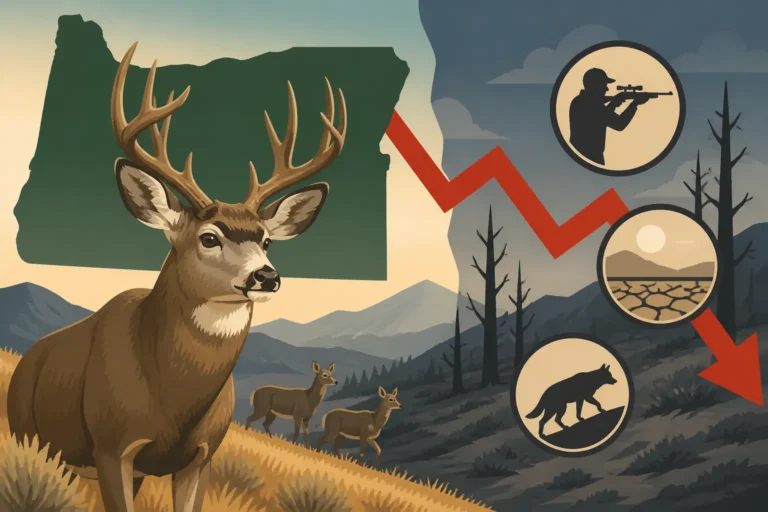
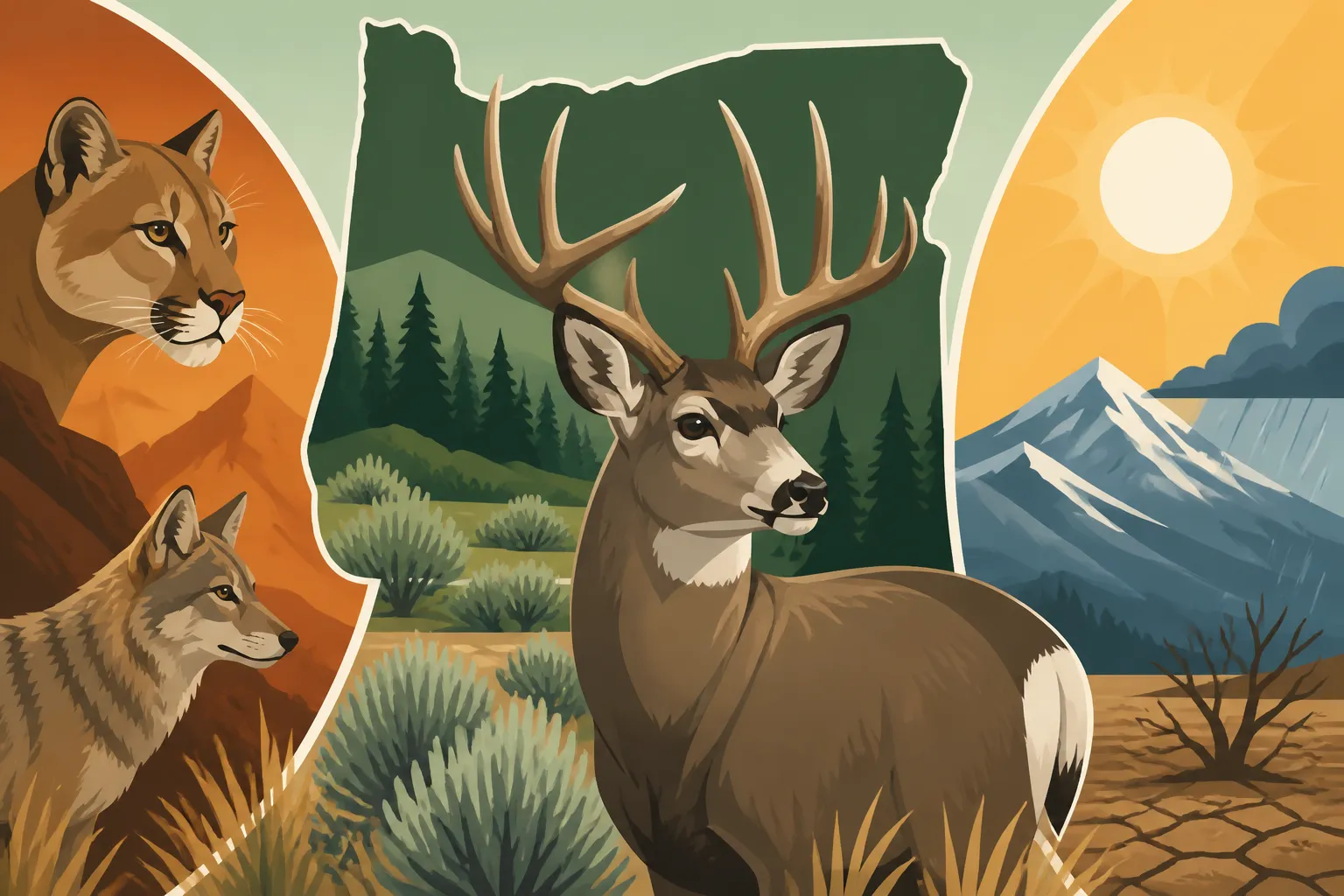
It's a conversation you hear around many campfires in Eastern Oregon, or whispering through the junipers: "Where are all the mule deer?" For years, many of us have watched mule deer numbers fluctuate, often with a downward trend in our favorite units. It's frustrating, heartbreaking even, when you remember the herds that once roamed. This guide dives deep into the complex, often intertwined factors of predation, habitat, and climate that are profoundly impacting Oregon's mule deer populations, offering insights into why things feel different now and what that means for hunters and conservation.
The Shadowy Hand of Predation: Impact on Oregon's Mule Deer Herds
When we talk about declining mule deer numbers, it’s almost impossible not to bring up predators. It's a natural and often emotional discussion, especially when you've seen the direct evidence of a predator kill yourself. The reality is that predation is a significant, natural force in any ecosystem, but its impact can be amplified when other stressors are present.
Unpacking the Predator Puzzle: Who's Eating Our Fawns?
Oregon's landscapes are home to several key predators that prey on mule deer, particularly the vulnerable fawns. Think about a tiny, spotted fawn, still wobbly on its legs, trying to navigate a world full of danger. They are prime targets, and the success rate of fawns surviving their first few months is a critical indicator of herd health. When fawn recruitment rates are low year after year, the herd simply can't grow, and can even decline significantly.
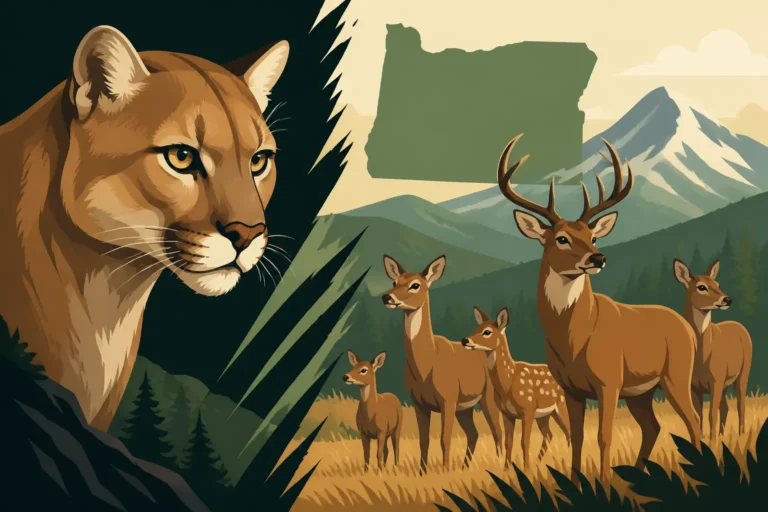
Cougars, or mountain lions, are incredibly efficient predators. They are ambush hunters, stalking their prey with immense skill, and mule deer are a primary food source for them across much of their range. While their presence is a natural part of the ecosystem, some argue that with changes in prey availability or other environmental factors, their impact can become more pronounced. Bears, particularly black bears, are also opportunistic predators that will take fawns, especially in the spring. Then there are the omnipresent coyotes. While a healthy adult mule deer can often fend off a coyote, fawns are much less fortunate. Coyote packs can put serious pressure on fawn populations, especially during the critical birthing and early rearing periods. And, in certain areas, the re-establishment of wolf packs introduces another apex predator into the mix, with their known impacts on ungulate populations. Understanding Oregon Cougar Population Estimates or Oregon Wolf Pack Numbers can offer some context, though direct cause-and-effect is always debated.
Predator-Prey Dynamics and Management Complexities
The relationship between predators and prey is not static; it's a dynamic dance influenced by many factors. When mule deer populations are already stressed by poor habitat or harsh winters, even a "normal" level of predation can feel like an insurmountable challenge for the deer. It’s not just about how many predators there are, but how many effective predators there are, and how many vulnerable deer are available.
Consider a scenario where a severe winter has left does in poor condition. They might give birth to weaker fawns, or they might not be able to produce as much milk, making those fawns even more susceptible to predators like coyotes. Similarly, if a wildfire has drastically reduced prime hiding cover for fawns, their chances against a stalking cougar decrease dramatically. These interconnected challenges make managing mule deer populations incredibly complex. Hunters often feel this keenly, wondering if hunting pressure is being appropriately balanced against these natural pressures. The discussion around Predator Prey Balance in Oregon Units is ongoing and crucial for long-term health. Many hunters use resources like GoHunt to understand game density and predator reports in different units, trying to piece together where deer might be thriving more than in other, more predator-dense locations.
Habitat: The Foundation Crumbling for Oregon Mule Deer
Predation is a force, but habitat is the very ground mule deer stand on – literally. Without adequate, high-quality habitat, mule deer simply cannot thrive, regardless of predator numbers or climate. This often feels like the most heartbreaking factor because habitat loss and degradation are so often tied to human activity.
The Slow Erosion of Quality Forage and Cover
Mule deer are browsers, meaning their diet largely consists of shrubs, forbs, and young tree growth. They need a diverse array of these plants to get the nutrients they need, especially at critical times like pregnancy, lactation, and antler growth. What we've seen across much of Eastern Oregon's mule deer range is a decline in this quality forage. This isn't just about clear-cutting; it’s about a more insidious, slow erosion of the health of their natural environment.
Drought, overgrazing (both by domestic livestock and by increasing populations of other native ungulates in some areas), and invasive species like cheatgrass can drastically alter the landscape. Cheatgrass, for example, creates vast monocultures that offer very little nutritional value for deer and significantly increases wildfire risk. When these fires do occur, they can wipe out valuable winter range habitat, which takes years, if not decades, to recover. This directly ties into Mule Deer Winter Range in Eastern Oregon, where the availability and quality of browse are literally life or death during harsh winter months. Hunters researching potential areas on GoHunt often try to find detailed maps that show forage composition and recent burn scars, as these can drastically impact deer distribution.
Habitat Fragmentation and Migration Bottlenecks
Mule deer are creatures of migration. They often spend summers at higher elevations, then move down to lower, snow-free winter ranges. This migration is hardwired into them, and it requires unimpeded corridors. However, as human populations grow and develop, these crucial migration routes become fragmented. New roads, fences, subdivisions, and agricultural expansion create literal barriers.
Imagine being a deer, needing to move from your summer feeding grounds to your ancestral wintering area, only to find a new housing development in the way, or miles of barbed wire fence you can't easily cross. This fragmentation can lead to increased stress, higher energy expenditure, and increased mortality as deer attempt to navigate these human-made obstacles. When they can't reach their preferred winter ranges, they might be forced into marginal areas, further stressing their bodies and making them more vulnerable. Understanding and preserving these corridors is a critical component of Oregon's 2024 Mule Deer Plan. Many passionate hunters advocate for public and private land initiatives that maintain or restore connectivity for these migrating herds.
Climate and Weather Whammy: Extreme Conditions and Mule Deer Survival
Beyond the steady pressures of predation and habitat degradation, Oregon's mule deer also contend with increasingly volatile and extreme weather patterns. Climate isn't just about "global warming"; for deer, it's about the very real, immediate impacts of too much or too little snow, extreme heat, and prolonged drought.
The Double-Edged Sword of Winter: Too Harsh or Too Mild?
When we think of harsh winters for deer, we usually picture deep snow and extreme cold. These conditions can devastate a mule deer herd, especially if they hit does already weakened by a dry summer and fall. Deep snow makes foraging incredibly difficult, burning precious calories just to move, let alone find food. Fawns and older deer are particularly susceptible, and these severe winters can lead to massive die-offs, drastically impacting Mule Deer Fawn Recruitment Rates for years to come.
However, paradoxically, winters that are too mild can also be detrimental in the long run. Mild winters might mean less fawn mortality in the short term, but if there isn't enough snowpack, it means less water storage for the crucial spring and summer growth of forage. A mild winter followed by a hot, dry summer often results in less nutritious forage when deer need it most, leading to a weaker herd going into the next winter. This cycle can be incredibly difficult for deer to break. GoHunt’s mapping features and historical weather data can sometimes help hunters connect the dots between past weather events and current deer distribution.
The Scourge of Drought and Its Long Reach
Drought is arguably one of the most significant climate-related challenges facing Oregon's mule deer. Eastern Oregon is naturally arid, but prolonged and severe droughts amplify this challenge dramatically. Water is essential for all life, and while deer can get some moisture from their forage, prolonged drought means everything dries up.
Drought leads to poor forage quality, reducing the nutritional intake of does, which directly impacts fawn survival. Does that enter winter in poor condition are less likely to carry fawns to term or to have healthy fawns that can survive. A fawn born to a stressed mother in a drought year will simply be less robust and more vulnerable to everything, from predators to disease. The dry conditions also increase the frequency and intensity of wildfires, which, as mentioned earlier, can obliterate critical habitat. It's a cruel cycle where climate impacts habitat, which in turn impacts the deer's ability to withstand other pressures. Learning to read the subtle signs of how Water Sources That Hold Deer in Dry Country can be a significant advantage for hunters scouting.
Beyond the Obvious: A Holistic View for Mule Deer Conservation and Hunting
Understanding the individual impacts of predation, habitat, and climate is crucial, but the real challenge—and the real story—lies in how these factors intertwine and amplify each other. A mule deer herd struggling with poor habitat due to drought and past wildfires will be far more susceptible to even average predator pressure, and a severe winter will then be the final blow.
The Interplay: A Cascade of Challenges
Imagine a dry spring, followed by a searing summer, leading to reduced forage quality. Does are in poor condition, and fawns born that year are weaker. Then, an early, deep snow hits, making movement and foraging nearly impossible. These weakened deer, already undernourished, become easy targets for predators. The combination creates a perfect storm, where one stressor weakens the deer, making them vulnerable to the next.
This complex interplay makes finding solutions incredibly difficult. There's no single "fix" for mule deer declines. It requires a multi-faceted approach addressing each component. For hunters, this means that even if you have your preferred hunting unit, understanding Why Oregon Mule Deer Numbers Are Falling often requires looking at the bigger picture, beyond just what you see on a single scouting trip. Using tools like GoHunt, you can cross-reference unit reports with habitat maps and historical weather to get a more comprehensive understanding of the challenges in specific areas.
What Hunters Can Do and What the Future Holds
As hunters, we are often the first to notice changes in wildlife populations. Our passion for mule deer often extends beyond the tag in our pocket; we want to see healthy, thriving herds. While we can't control the climate, we can advocate for and participate in efforts to improve habitat and support sound wildlife management.
This might mean volunteering for habitat restoration projects, supporting conservation organizations that work on public and private lands, or simply educating ourselves on the science behind herd management. Staying informed about initiatives like Oregon's 2024 Mule Deer Plan and understanding Reading an Oregon Big Game Statistics Report can empower us to engage constructively. Hunters are vital conservation partners, and our collective efforts to understand and address these challenges are critical for the future of Oregon's magnificent mule deer.
Here's a quick look at how these three main factors impact mule deer at different stages:
| Factor | Fawn Survival & Recruitment | Adult Health & Reproduction | Migration & Movement | Overall Population Growth |
|---|---|---|---|---|
| Predation | Direct mortality, especially in early weeks; reduces recruitment | Stress, vigilance; can impact doe condition if harassed | Can influence movement patterns to avoid high-predator areas | Significant downward pressure if recruitment is low |
| Habitat | Quality forage for nursing does; adequate cover for hiding | Nutritional intake, body condition; vital for successful breeding | Availability of connected corridors; access to winter/summer range | Directly limits carrying capacity and herd resilience |
| Climate | Indirect impact via forage quality for does; direct impact from extreme weather | Stress from drought/extreme cold; impacts forage quality and water availability | Can alter migration timing/routes due to snow depth or drought | Exacerbates other factors; leads to population crashes in extreme years |
Disclaimer
This article is for general informational purposes only and does not constitute professional advice. Laws, prices and regulations vary by location and change over time. Consult a qualified professional for guidance on your specific situation.