Why Oregon Mule Deer Declined
If you've spent any time chasing mule deer in Oregon, you've likely felt it in your bones: something just isn't right with the herds. That feeling of fewer eyes staring back from the juniper, fewer tracks in the dusting of snow, or just the sheer effort it takes to find a decent buck anymore, it's a shared frustration. It’s not just in your head; Oregon's mule deer population has indeed seen a significant decline over the past few decades. This guide aims to shed light on the complex web of reasons behind this disheartening trend, helping us all understand the challenges and what might be done for the future of these magnificent animals.
Historical Context and the Reality of Decline
The Good Old Days Versus Today's Herds
Many of us, or certainly our mentors and grandparents, remember a time when eastern Oregon's high desert felt like a mule deer paradise. Stories abound of seeing hundreds of deer, big bucks seemingly around every sagebrush flat or rimrock edge. Those "good old days" weren't just folklore; they were a reality captured in harvest reports and observation data from decades past. Hunters recall consistent success, healthy fawn crops, and an overall vibrancy to the herds that, frankly, feels like a distant memory now. This isn't nostalgia clouding judgment; it's a genuine comparison to a time when mule deer numbers were robust and their distribution across the landscape felt far more widespread. We've witnessed a slow, steady erosion of those populations, often starting in the late 1980s and accelerating in more recent decades, leaving many of us scratching our heads and wondering, "What happened?"
The decline has been particularly stark in certain traditional strongholds. Areas that once consistently produced high numbers of deer for hunters now struggle to meet management objectives. It’s a bitter pill to swallow when you return to a favorite hunting spot year after year, only to see fewer and fewer animals. This decline affects not just our hunting opportunities but also the overall health and biodiversity of these fragile ecosystems. The emotional toll on hunters who cherish this tradition runs deep, as we all want to see these iconic animals thrive for future generations. Understanding this historical baseline is crucial to appreciating the true scope of the challenge we face today with the current state of Oregon Mule Deer and the Herd Range Decline.
Where the Numbers Stand Now
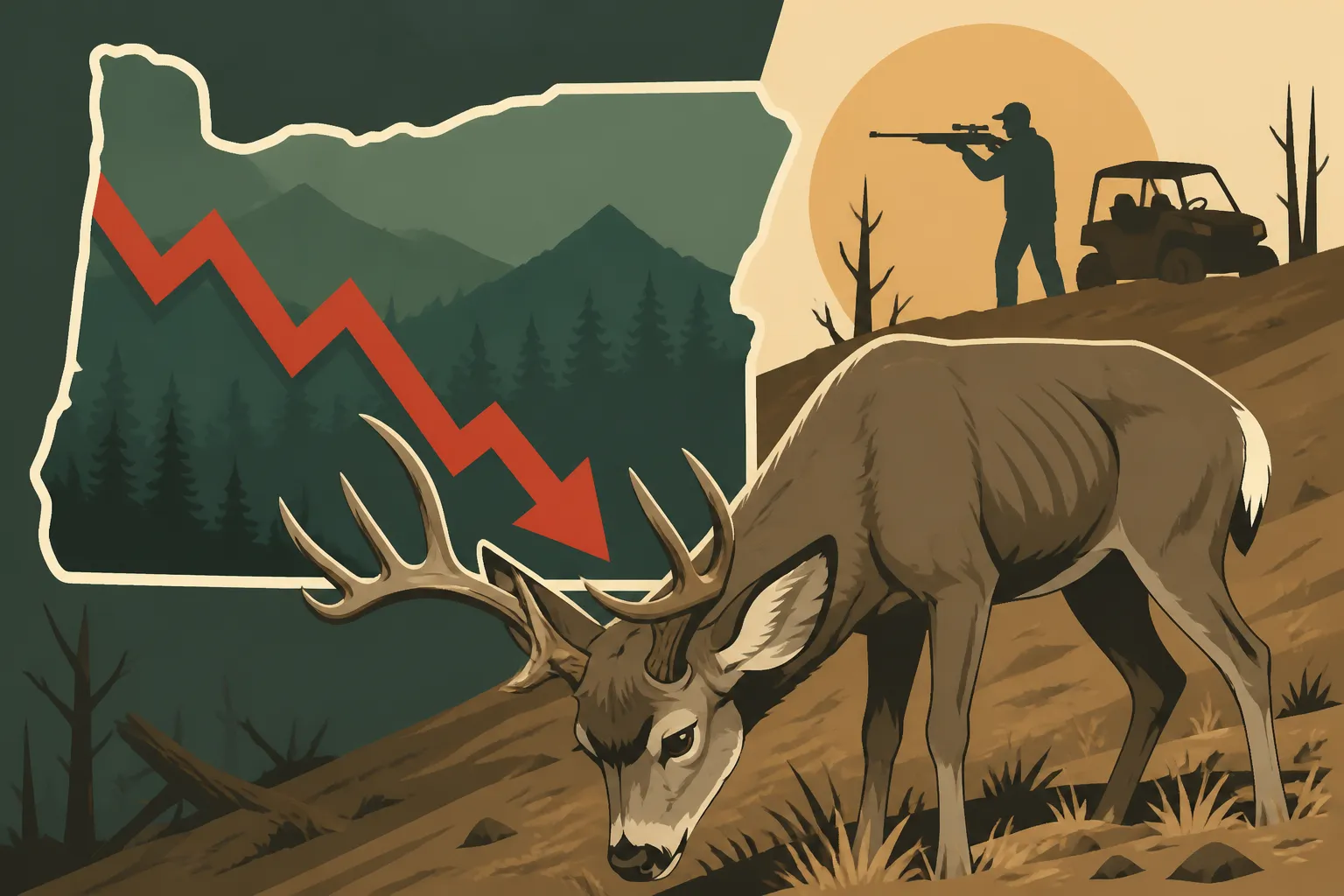
While exact population figures can be challenging to pin down for any wildlife species, the general trend for Oregon mule deer has been unmistakably downward. State wildlife agencies conduct various surveys, aerial counts, and fawn recruitment studies to estimate herd health, and these consistently paint a picture of struggle. We’re talking about significant reductions from historical peaks, often ranging from 30% to 50% or even more in some specific units. These aren't small fluctuations; these are sustained, long-term dips that impact overall tag allocations, hunt opportunities, and the very health of the ecosystem.
For instance, you might see a unit that once supported thousands of animals now struggling to maintain a few hundred. These reduced numbers mean that drawing a tag in once-accessible areas becomes incredibly difficult, contributing to the "point creep" phenomenon that frustrates so many of us. When you dive into the data, you start to see Why Oregon Mule Deer Numbers Are Falling. Fawn recruitment rates, which measure how many fawns survive to adulthood, are often below what's needed for sustained herd growth. These numbers highlight the urgency of the situation and why understanding the underlying causes is so critical. Tools like GoHunt can help you visualize these trends and understand the historical draw odds and population data for specific units, offering a deeper dive into the numbers for the most dedicated researchers.
Multifaceted Challenges: A Web of Factors
Habitat Loss and Fragmentation
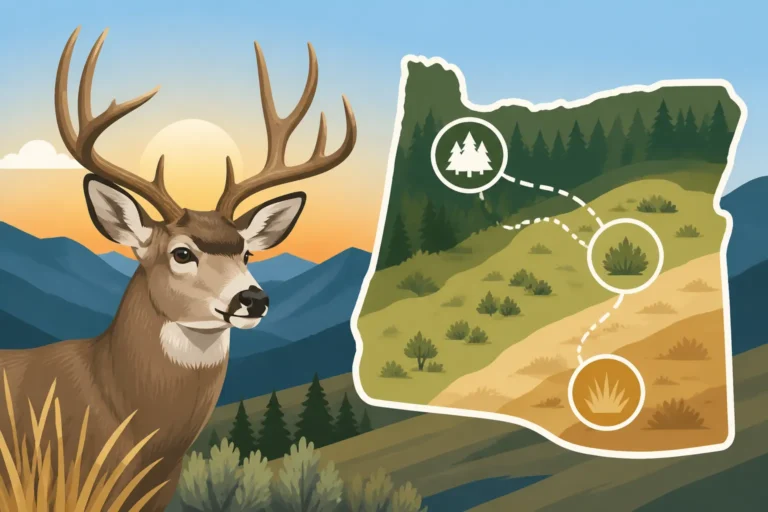
One of the most significant, overarching reasons for the decline in Oregon mule deer is the relentless pressure on their habitat. Mule deer rely on vast, interconnected landscapes for survival, moving between summer and winter ranges, and needing secure cover for fawning and escape. Unfortunately, human development, agricultural expansion, and changes in land use have relentlessly chewed away at these vital areas. Imagine a traditional migration corridor, used for centuries, suddenly bisected by a new highway or a housing development. These "fragmented" landscapes make it harder for deer to access resources, avoid predators, and simply exist as they always have. They lose crucial spaces to hide, feed, and reproduce, leading to increased stress and mortality.
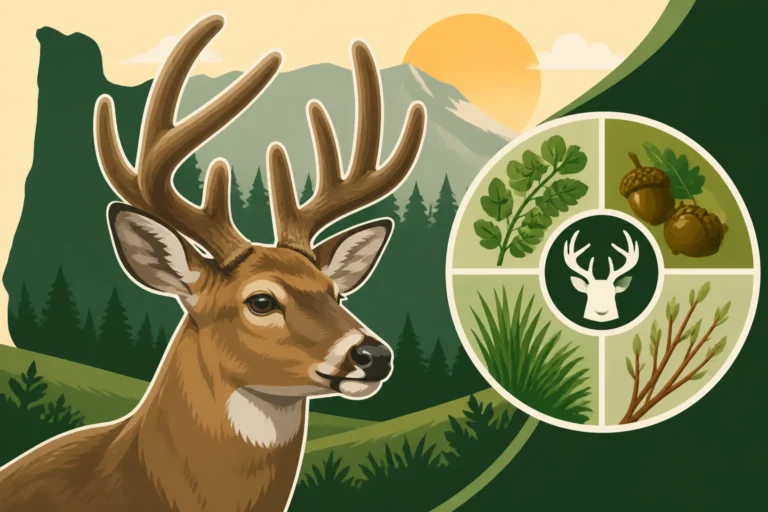
Beyond direct development, subtle changes in habitat quality are also at play. Invasive plant species can displace native forage that mule deer depend on, reducing the nutritional value of their diet. Altered fire regimes, whether through too much fire in critical areas or the suppression of natural, beneficial fires, also impact the landscape. For example, a healthy sagebrush-steppe ecosystem provides essential winter forage and cover, but when it's degraded by invasives or overgrazing, those benefits vanish. Understanding critical areas like Mule Deer Winter Range in Eastern Oregon is paramount, as these limited habitats are where deer are most vulnerable and where conservation efforts can have the biggest impact.
Predation Pressure from Growing Populations
It's an undeniable truth in nature: predators and prey exist in a delicate balance. However, in Oregon, many hunters feel that this balance has tipped, with increasing predator populations exerting immense pressure on vulnerable mule deer herds, especially fawns. Cougars, for instance, are incredibly efficient hunters, and while they've always been part of the ecosystem, their populations have adapted to the changes in the landscape. When combined with declining deer numbers, even a stable cougar population can have a disproportionately large impact. You can learn more about Oregon Cougar Population Estimates and their significant role in the ecosystem.
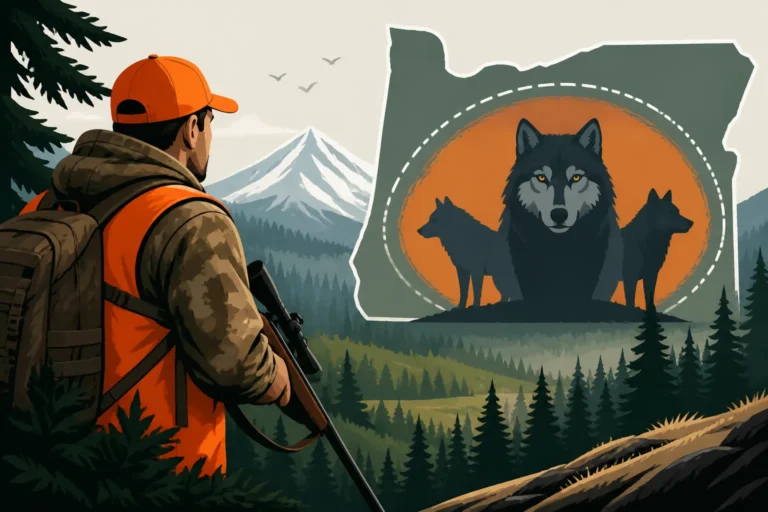
Then we have the return and expansion of wolf populations in certain parts of eastern Oregon. While wolves are native, their re-establishment adds another significant layer of predation pressure to herds already struggling with other challenges. For a deer herd already stressed by poor habitat or harsh winters, an increase in predation, whether from bears, coyotes, cougars, or wolves, can be the tipping point. This is particularly true for Mule Deer Fawn Recruitment Rates. If too many fawns are lost to predators each year, the herd simply cannot grow or even maintain its numbers, leading to a steady decline. The complex interplay of these factors makes it incredibly challenging to address, as solutions often involve difficult social and ecological considerations. Learning about Oregon Wolf Pack Numbers helps put the predation picture into perspective.
Disease, Climate, and Environmental Stressors
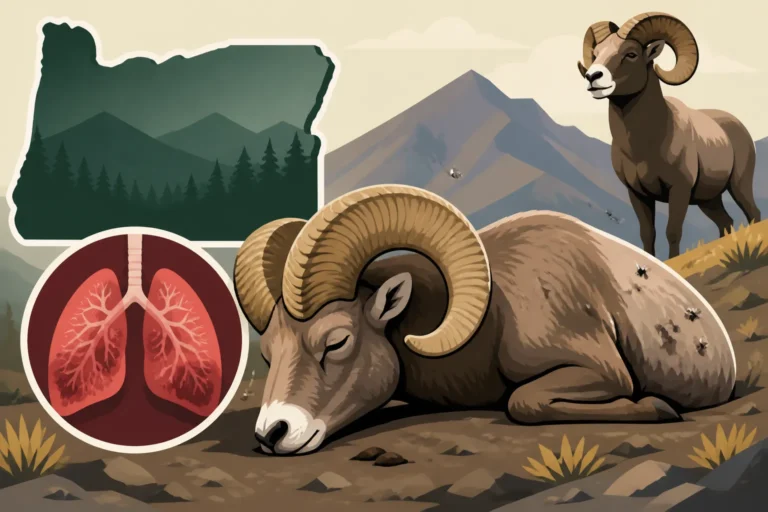
Beyond habitat and predators, a host of other environmental factors silently chip away at mule deer health and numbers. Disease outbreaks, while not always visible to the casual observer, can decimate local populations. Things like epizootic hemorrhagic disease (EHD) or adenovirus hemorrhagic disease (AHD), although not always widespread or catastrophic, can weaken herds and make them more susceptible to other stressors. A deer weakened by disease is less able to evade a predator or survive a harsh winter.
Climate change, with its erratic weather patterns, also plays a crucial role. More frequent and intense droughts impact forage quality and water availability, particularly in eastern Oregon's arid environments. This directly affects a doe's ability to conceive and successfully raise fawns, impacting overall herd health and productivity. Conversely, unusually harsh winters with deep snow and prolonged cold can lead to significant winter kill, especially among fawns and older deer. These environmental stressors compound the problems of habitat loss and predation, creating a perfect storm that makes it incredibly difficult for mule deer to rebound. The cumulative effect of Predation, Habitat and Climate on Mule Deer paints a somber but realistic picture of the challenges these animals face.
Management Approaches and Future Outlook
ODFW's Role in Mule Deer Conservation
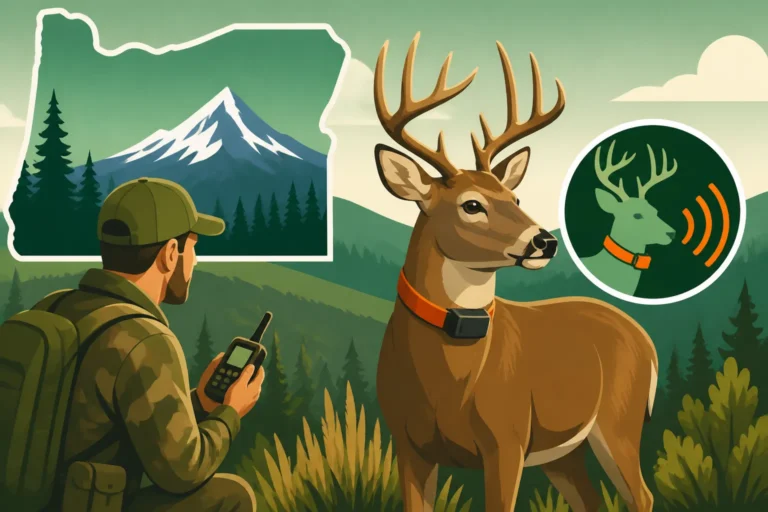
Oregon's Department of Fish and Wildlife (ODFW) bears the primary responsibility for managing the state's wildlife, including mule deer. They employ a range of strategies, from setting hunting regulations and tag numbers to habitat improvement projects and population monitoring. Their efforts involve detailed research, aerial surveys, and working with private landowners and federal agencies like the Bureau of Land Management and the U.S. Forest Service. Often, ODFW scientists are looking at how to improve critical habitats, such as restoring sagebrush ecosystems or enhancing water sources in arid regions. They also aim to balance predator numbers where appropriate and feasible, recognizing the complex ecosystem dynamics at play.
One of their ongoing initiatives is the development and implementation of plans like Oregon's 2024 Mule Deer Plan, which outlines specific objectives and strategies for recovering and maintaining healthy mule deer populations across different herd ranges. These plans involve long-term commitments to habitat restoration, studying disease impacts, and adapting hunting seasons to ensure sustainable harvest rates. It's a continuous, data-driven effort to respond to the changing conditions and challenges that mule deer face. When you consider applying for a tag, understanding aspects like the Oregon Controlled Hunt Draw Explained and how ODFW uses draw odds and harvest data to manage herd health is essential.
Hunter's Role in Data Collection and Advocacy
As hunters, we are often the eyes and ears on the ground, witnessing the changes in mule deer populations firsthand. Our observations are invaluable, and our active participation in conservation efforts is more important now than ever. One critical way we contribute is through mandatory harvest reporting. Filling out your Oregon Mandatory Harvest Reporting and the $25 Penalty accurately and on time provides ODFW with crucial data on harvest success, effort, and animal health, which directly informs future management decisions. Every reported tag, whether filled or unfilled, adds to the knowledge base that guides conservation strategies.
Beyond reporting, advocating for mule deer conservation through public comments on ODFW proposals, joining conservation organizations, or volunteering for habitat projects makes a real difference. Participating in discussions about issues like land use planning, predator management, and habitat restoration gives a voice to mule deer. Tools like GoHunt can also empower hunters to become better advocates by providing access to data and insights into herd trends, allowing for more informed discussions with wildlife managers and policymakers. By being informed, engaged, and responsible, we can play a vital role in ensuring that Oregon's mule deer herds have a fighting chance to thrive once again. Even when scouting for a hunt, understanding how to use tools like E-Scouting Oregon Units With Satellite Imagery or learning to Read an Oregon Big Game Statistics Report can deepen your understanding of the challenges and opportunities for mule deer.
| Factor Contributing to Decline | Description | General Impact on Mule Deer |
|---|---|---|
| Habitat Loss & Fragmentation | Conversion of wild lands to agriculture, urban areas, roads; degradation of forage quality; barriers to migration. | Reduces available food, cover, fawning areas; increases stress and mortality; limits genetic exchange. |
| Predation | Increased pressure from cougars, bears, coyotes, and wolves, especially on fawns and weakened deer. | Lower fawn recruitment rates; increased adult mortality; behavioral changes (e.g., increased vigilance, less feeding). |
| Climate Change & Weather | More frequent droughts, intense heat waves, and severe winters; changes in precipitation patterns. | Reduces forage quality/quantity; limits water sources; increases winter kill; impacts fawn survival. |
| Disease | Outbreaks of diseases like EHD, AHD, or other pathogens. | Weakens deer, making them susceptible to other threats; direct mortality; reduces reproductive success. |
| Road Mortality | Collisions with vehicles on highways and secondary roads. | Direct loss of animals, especially during migration or winter range movements. |
| Recreational Disturbance | Increased human presence in critical habitats (e.g., off-roading, hiking, biking). | Causes stress, displacement from prime habitats; impacts breeding and feeding patterns. |
Disclaimer
This article is for general informational purposes only and does not constitute professional advice. Laws, prices and regulations vary by location and change over time. Consult a qualified professional for guidance on your specific situation.