Antler Growth and Nutrition
It's a common mystery for many Oregon hunters: why do antlers vary so much year to year, even on the same buck or bull, and why do some units consistently produce bigger racks than others? The truth is, it's not just luck or magic; it's a complex interplay of genetics, age, and most critically, nutrition. This guide will delve deep into how what a deer or elk eats directly impacts the size and quality of their antlers, helping you understand the real science behind those impressive racks.
The Science Behind Antler Growth in Oregon Deer and Elk
Antler growth is one of the most remarkable biological processes in the animal kingdom, essentially an annual cycle of rapid bone growth. For our deer and elk here in Oregon, this isn't just a cosmetic feature; it's a vital part of their social status, reproductive success, and a clear indicator of their overall health and the health of their habitat. Understanding this cycle helps us appreciate the challenges these animals face and why antler size fluctuates.
Hormonal Triggers and Seasonal Cycles
The engine driving antler growth is a finely tuned hormonal system, primarily influenced by changes in daylight, known as photoperiod. As the days lengthen in late winter and early spring, testosterone levels in male deer and elk begin to drop. This dip in testosterone signals the body to shed old antlers, typically in late winter or early spring, setting the stage for a new growth cycle.
Once the old antlers are cast, a velvety skin, rich in blood vessels and nerves, forms over the pedicels (the bony stalks on the skull). This "velvet" stage is when the rapid growth occurs. During this period, which lasts through spring and summer, the antlers can grow at an astonishing rate, sometimes up to an inch or more per day for a bull elk. This velvet-covered structure is soft, sensitive, and packed with nutrients. As the days begin to shorten in late summer and early fall, testosterone levels surge again. This increase in hormones causes the blood supply to the velvet to constrict, leading to the velvet drying up and eventually being rubbed off. The underlying bone, now hard and mineralized, is the familiar antler we see during hunting season. A particularly cold or late spring, for example, could delay the onset of robust forage growth, potentially impacting the initial surge of nutrients available for velvet development and thus the overall antler size that year.
Genetic Potential vs. Environmental Realities
Think of antler growth as a blueprint versus the construction materials. Every buck and bull has a genetic blueprint that dictates its maximum potential antler size and configuration. This potential is passed down through generations, meaning some animals are simply predisposed to grow larger, more complex antlers than others, regardless of their diet.
However, genetics alone aren't enough. The environment provides the "construction materials" – the nutrition – that determines how close an animal can come to reaching that genetic potential. A buck with incredible genetic potential for a massive rack living in a poor habitat with scarce, low-quality forage will likely never express that potential. Conversely, an animal with average genetics living in an incredibly rich, well-managed habitat might still grow a respectable rack, but it will never exceed its inherent genetic ceiling. This is why you often see significant antler differences even within the same age class in a particular unit. Hunters often rely on tools like GoHunt to analyze unit data, which can sometimes provide insights into the general health and genetic potential trends of a specific area's game populations, though it's always a generalized view.
Nutritional Pillars for Optimal Antler Development
Antler growth is metabolically demanding, requiring a vast amount of energy, protein, and minerals. These aren't just needed for the antlers themselves but also for maintaining the animal's overall body condition, which takes precedence. If an animal is struggling to find enough food to simply survive or recover from the rut and winter, resources will be diverted away from antler growth.
Protein: The Building Blocks
Protein is arguably the most critical nutrient for antler development, forming the structural matrix of the growing bone. Think of protein as the rebar in a concrete structure – it provides the framework. Antlers are primarily composed of protein (about 50%) and minerals (about 50%). Without adequate protein, the skeletal structure of the antlers cannot reach its full size.
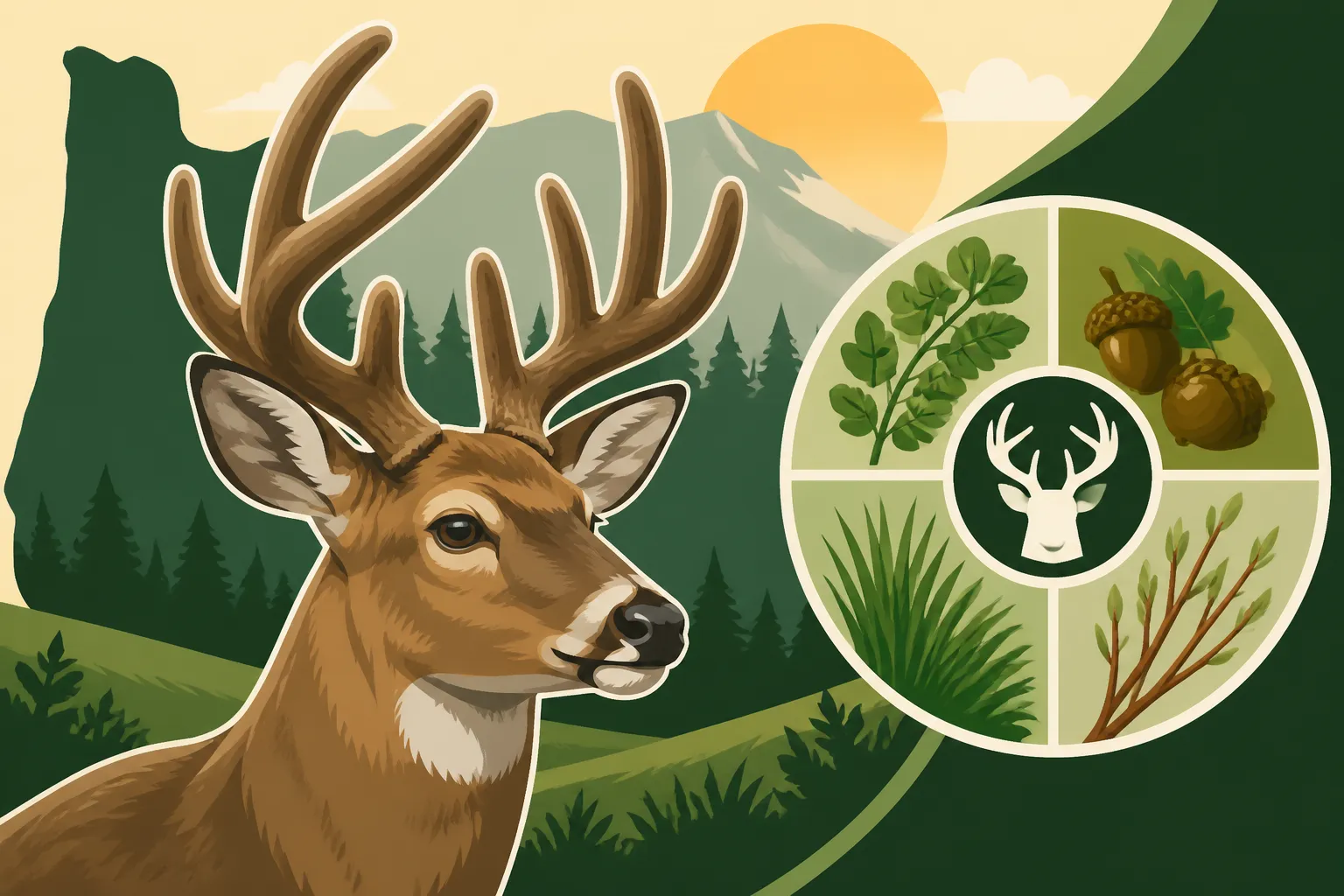
For deer and elk in Oregon, high-protein forage is essential, particularly during the spring and summer velvet growth period. Key forage types include lush green grasses, forbs (broad-leafed plants like clover, alfalfa, and various weeds), and woody browse from shrubs and young trees. In western Oregon, the dense understory of coastal clearcuts, rich in diverse forbs and young browse, can provide a protein boost for Columbian Blacktail Deer of Western Oregon. In eastern Oregon, irrigated agricultural fields, riparian zones, and even some sagebrush country following good rain can offer protein-rich plants for Oregon Mule Deer and the Herd Range Decline and Rocky Mountain elk. A lack of sufficient high-quality protein can result in thinner main beams, fewer or shorter points, and overall smaller antler mass.
Minerals: The Hardening Agents
While protein provides the framework, minerals are what harden and strengthen the antlers into solid bone. Calcium and phosphorus are the primary minerals, making up the bulk of the antler's dry weight, but trace minerals like zinc, copper, selenium, and manganese also play crucial roles in bone formation and overall metabolic health. Without these, antlers would remain soft and cartilaginous.
Animals obtain these vital minerals from the plants they eat and, to a lesser extent, directly from mineral licks in the soil. The mineral content of forage plants is directly tied to the mineral content of the soil they grow in. This is why some regions are known for producing larger-antlered animals – their soils are naturally richer in key minerals. For instance, areas with volcanic soils or limestone deposits often have a higher concentration of minerals available for absorption. In Oregon, this can vary wildly from the rich volcanic soils of the Cascades to the high desert's more arid, often mineral-depleted ground. A deer or elk will preferentially seek out plants rich in these elements, instinctively knowing what their bodies need.
Energy (Carbohydrates and Fats): Fueling the Process
Even with abundant protein and minerals, antler growth cannot happen without sufficient energy. Energy, primarily derived from carbohydrates and fats in forage, fuels all the metabolic processes involved in protein synthesis and mineral deposition. It's like needing electricity to run the machinery that mixes and pours the concrete and rebar.
During the antler growth phase, animals need to consume a huge amount of calories. This energy not only supports antler growth but also helps them maintain or rebuild their body condition after the stresses of winter and the breeding season (rut). Good examples of energy-rich forage in Oregon include acorns (when available), bitterbrush in eastern Oregon, and various grasses and forbs that offer readily digestible carbohydrates. If an animal is energy-deprived, its body will prioritize survival and basic bodily functions over non-essential processes like growing a large rack. You might see a bull with a decent frame, but very thin beams, indicating a lack of energy and minerals to fully develop the mass. This is why healthy, well-fed animals often carry larger antlers – they have sufficient energy reserves to dedicate to this impressive annual display.
Environmental Factors Impacting Antler Quality in Oregon
Even with great genetics and a solid understanding of nutrient requirements, the environment itself plays a colossal role. Oregon's diverse landscapes, from dense coastal rainforests to arid high deserts, present vastly different nutritional opportunities and challenges for its big game.
Habitat Quality and Forage Availability
The overall quality of the habitat is paramount. A diverse habitat, offering a variety of forage types across different seasons, is critical. This means areas with a mix of forest, clearcuts, riparian zones, and brush fields often support healthier herds and better antler growth. Recent Hunting a Recent Burn for Elk or Blacktail Deer Habitat in Oregon Clearcuts can be a boon, as new growth following disturbance often provides a flush of highly nutritious forage that wouldn't be present in a mature, dense forest.
Consider the stark difference between the Roosevelt Elk in Western Oregon that thrive in the lush, wet Coast Range and the Rocky Mountain Elk in Eastern Oregon accustomed to sparser, drier conditions. The sheer volume and quality of available forage in each region dictate the potential for antler development. When there's ample, high-quality forage, animals don't have to expend as much energy foraging, leaving more metabolic resources for antler production. Conversely, a habitat with limited forage due to overgrazing or lack of diversity will force animals to spend more energy searching for food, leaving fewer resources for growing antlers. This also ties into overall herd health and Elk Calf Survival and Predation in Oregon.
Weather Patterns and Their Influence
Oregon's weather is famously unpredictable and variable, and these patterns have a direct, often profound, impact on antler quality.
- Droughts: Extended periods of drought, especially during spring and summer, drastically reduce the quantity and quality of forage. Plants become stressed, their protein and mineral content drops, and overall availability diminishes. This forces deer and elk to rely on less nutritious options, directly limiting the "building blocks" for antler growth. You'll often see a noticeable decline in antler size in the years following severe droughts in eastern Oregon's mule deer country.
- Harsh Winters: A long, severe winter can deplete an animal's body reserves significantly. If deer and elk enter spring in poor condition, their bodies must first prioritize survival and recovery before dedicating resources to antler growth. This can lead to smaller antlers, even if summer forage is good, because the animal is playing catch-up.
- Wet Springs: While often bringing lush growth, too much rain can sometimes dilute nutrient content in plants or make accessing certain forage difficult. However, generally, a wet spring followed by a warm summer often translates to excellent forage conditions and, subsequently, better antler growth across the state.
- Late Spring Frosts: An unseasonably late frost can devastate early spring forage, setting back the entire growth cycle and forcing animals to adapt to a sudden loss of critical early-season nutrients.
Age and Population Density
While nutrition is key, age also plays a monumental role. Antler growth follows a typical curve: young animals grow relatively small antlers, but their size increases annually as they mature, peaking around 5-8 years old for most deer and elk species. After reaching their peak, antler size may decline in very old animals. Why Bulls Shed in Late Winter is part of this annual cycle tied to age and overall health.
Population density also significantly impacts antler quality. In areas with high population density and limited resources, there's intense competition for food. This competition often leads to smaller body sizes and stunted antler growth across the herd, as no individual animal can acquire enough high-quality nutrition to reach its full potential. Conversely, a well-managed herd with a balanced age structure and population numbers relative to the habitat's carrying capacity will generally produce larger, healthier animals with impressive antlers. Hunters looking at unit statistics or even using mapping tools like GoHunt to understand population distribution might find correlations between herd density and antler potential.
How Hunters Can Observe and Understand Antler Nutrition
As hunters, we spend countless hours in the field, and by understanding the nuances of antler nutrition, we can become more attuned observers of the ecosystem and more effective hunters. It's about connecting the dots between what you see on the landscape and what you see on an animal's head.
Reading the Landscape for Nutritional Cues
Becoming a better hunter often means becoming a better naturalist. Pay attention to the types of plants you see in a particular area. Are there lush, green forbs, abundant browse, or fields of alfalfa? Or is the landscape dominated by sparse, dry grasses and overbrowsed shrubs? These are direct indicators of the nutritional availability. Look for signs of heavy browsing on preferred forage species, which might suggest high deer or elk density relative to the food supply. E-Scouting Oregon Units With Satellite Imagery can help immensely here, allowing you to identify lush riparian corridors, new clearcuts, or burn areas that might be hotspots for high-quality forage.
Understanding seasonal forage changes is also vital. What's available in spring for velvet growth might be completely different from what's available in late fall for building winter fat reserves. Learn the preferred browse species in your chosen unit, such as bitterbrush for mule deer in eastern Oregon, or salal and huckleberry in western Oregon for blacktails and Roosevelt elk. Oregon's 22 Mule Deer Herd Ranges each have unique forage characteristics that influence the deer living there.
Linking Body Condition to Antler Potential
A strong, healthy body is the foundation for large antlers. Animals in excellent body condition have fat reserves, a shiny coat, and appear robust. They're not just surviving; they're thriving, and that excess energy and nutrient intake can be channeled into antler growth.
When scouting or observing animals during the season, try to assess their overall body condition. Does that buck look fat and sleek, or do you see a prominent hip bone and ribs? A young buck in prime habitat might show incredible potential even with a modest rack because his body condition is top-notch, indicating he's getting plenty of nutrients. Conversely, an older animal with a smaller-than-expected rack might be showing signs of decline or struggling to find adequate nutrition. The body always prioritizes basic metabolic needs over antler growth.
| Nutrient Type | Primary Role in Antler Growth | Key Oregon Forage Sources | Impact of Deficiency |
|---|---|---|---|
| Protein | Structural matrix, amino acids | Lush grasses, alfalfa, clover, forbs, woody browse (e.g., huckleberry, willow, bitterbrush) | Thinner beams, fewer points, overall smaller antler mass |
| Minerals | Hardening, bone density (Ca, P); enzyme function (Zn, Cu) | Forage grown in mineral-rich soils, natural mineral licks, specific plants (e.g., legumes) | Soft spots, brittle antlers, reduced density, irregular shapes |
| Energy | Fuel for growth, body condition | Acorns, bitterbrush, conifer needles, diverse grasses, forbs | Slower growth, diverted resources, reduced overall antler size |
The Impact of Stressors (Disease, Predation, Injury)
Any significant stressor can divert precious resources away from antler growth. A sustained injury, a prolonged illness like Elk Hoof Disease in Western Oregon, or even the constant pressure of predation can tax an animal's system. When an animal is constantly expending energy to escape predators or fighting off an infection, its body directs vital nutrients toward healing and survival, leaving less available for growing antlers.
For example, an animal that suffers a leg injury during the summer growing season might put less energy into antler development as its body focuses on recovery. This can sometimes lead to asymmetrical antlers, where one side is significantly smaller or malformed due to a body injury affecting the opposite side of the body. Severe parasitic loads or chronic disease can similarly reduce an animal's ability to absorb nutrients, impacting both body condition and antler quality. Understanding these factors provides a more holistic view of why a particular animal might not be reaching its antler potential, even in seemingly good habitat.
Disclaimer
This article is for general informational purposes only and does not constitute professional advice. Laws, prices and regulations vary by location and change over time. Consult a qualified professional for guidance on your specific situation.