Oregon Mentored Youth Hunter Program
It can feel overwhelming, can't it? You've got a passionate youngster eager to get out into the Oregon woods, but the thought of navigating hunter education courses, age restrictions, and all the complicated regulations can make you hesitate. It’s tough to balance a child’s natural curiosity with the serious responsibility of safe, ethical hunting. That’s precisely why the Oregon Mentored Youth Hunter Program exists – to cut through some of that red tape and provide a structured, safe pathway for young hunters to gain invaluable experience afield under the watchful eye of an experienced adult. This guide will walk you through everything you need to know to get your young hunter started right, ensuring their first experiences are positive, educational, and most importantly, safe.
Understanding the Oregon Mentored Youth Hunter Program
For many of us, hunting was a family tradition, something we picked up by tagging along with a parent or grandparent from a young age. But times change, and with modern regulations designed to ensure safety and conservation, it can feel like there are more hurdles than ever to introduce the next generation. That's where the Oregon Mentored Youth Hunter Program really shines, offering a fantastic bridge between curiosity and competency for young, aspiring hunters.
What is the Mentored Youth Hunter Program?
At its heart, the Oregon Mentored Youth Hunter Program is designed to get kids aged 9 to 15 (inclusive, meaning up until their 16th birthday) out hunting before they've completed the full hunter education course. It’s not a shortcut to bypassing the education requirements forever, but rather a supervised, hands-on learning experience that complements future formal training. Imagine your child walking alongside you, rifle in hand (or bow, as the case may be), actively participating in a hunt, rather than just observing from the sidelines. This direct engagement fosters a deeper understanding of wildlife, ethics, and firearm safety that classroom learning alone can't quite replicate. It’s about building confidence and a connection to the outdoors, all under the direct, one-on-one supervision of an experienced adult mentor. This program is specifically designed to ignite that spark and provide practical knowledge, making the eventual formal hunter education course feel much more relevant and understandable once they take it.
The primary goal is conservation through education, ensuring that new hunters are not only skilled but also deeply respectful of wildlife and the land. Instead of learning solely from books or videos, they get to see the real-world application of responsible hunting. They learn about tracking, field dressing, shot placement, and ethical decision-making in real time. It's truly an immersive experience that helps cement good habits right from the start.
Who Can Be a Mentor and What Are the Rules?
Becoming a mentor in the Oregon Mentored Youth Hunter Program is a serious responsibility, but it’s incredibly rewarding. The program requires the mentor to be at least 21 years old and hold a valid hunting license. Crucially, they must also have completed Oregon's hunter education course or an equivalent course from another state. This ensures that the mentor themselves possesses a solid foundation in hunting ethics, safety, and regulations. It’s not enough to just be an "experienced hunter"; you need to demonstrate that you understand and abide by the rules. The program doesn't allow just anyone to step into this role; it requires a level of proven competence and responsibility.
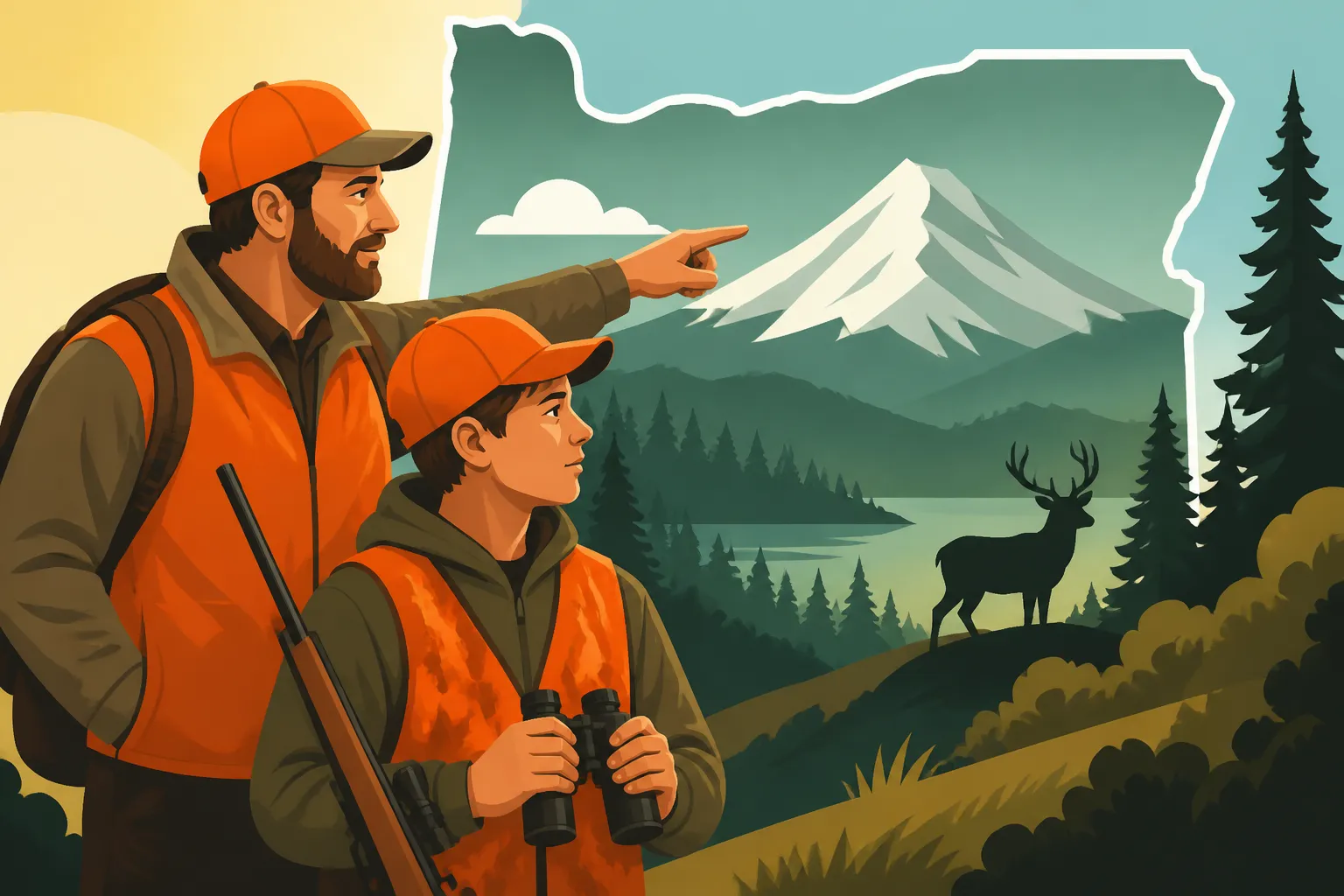
The mentor's role is not just advisory; it’s direct supervision. This means they must accompany the youth hunter at all times when hunting. The mentor must be within "arm's reach" of the youth hunter when hunting with a firearm. If the youth is hunting with a bow, crossbow, or other method that doesn't involve a projectile like a rifle, the mentor still needs to be within "visual and voice contact." This close supervision is paramount to safety, ensuring the youth handles their equipment correctly and makes good decisions in the field. It's about being right there to guide their aiming, confirm their target, and ensure every action is safe and ethical.
Perhaps the most important rule is that only one youth hunter can be mentored by one adult mentor at a time. This one-to-one ratio guarantees that the mentor's full attention is on the young hunter, minimizing distractions and maximizing safety and learning. You can't take two mentees out at once; it dilutes the supervision and increases risk. This commitment ensures that each young hunter receives personalized instruction and constant oversight, which is vital for developing safe hunting practices.
Benefits for Young Hunters
The advantages of the Oregon Mentored Youth Hunter Program for young aspiring hunters are truly significant. First and foremost, it allows them to participate in the hunt much earlier than they would otherwise. Instead of waiting until they're old enough and have completed hunter education, they can be out in the field at age nine. This early exposure can be incredibly motivating and help solidify their interest in hunting as a lifelong pursuit. It's not just about pulling a trigger; it’s about experiencing the crisp morning air, learning animal behavior, and understanding the role of a hunter in conservation.
Beyond just getting out there, the program offers unparalleled hands-on learning. Imagine being able to teach a child how to properly shoulder a rifle, track a deer in fresh snow, or identify edible plants, all in a real-world setting. These are lessons that can't be fully grasped in a classroom. The practical application of skills, combined with immediate feedback from an experienced mentor, accelerates their learning curve and instills confidence. They learn about the nuances of the wind, the importance of stealth, and the quiet patience required for a successful hunt.
Crucially, the program places a huge emphasis on safety. With a trained, responsible adult literally within arm's reach, every step, every shot, every decision is scrutinized for safety. This constant vigilance helps engrain safe firearm handling and ethical hunting practices from the very beginning, creating habits that will serve them throughout their hunting lives. It also demystifies the hunting experience, removing fears or misconceptions they might have about firearms or the wilderness, replacing them with informed respect. This program really sets the stage for a young hunter to become a responsible, ethical steward of Oregon's natural resources.
Navigating the Rules and Requirements
Getting a young person into hunting means more than just heading to the woods; it involves understanding and adhering to a specific set of rules. The Oregon Mentored Youth Hunter Program, while designed to ease entry, still has vital regulations to ensure safety and compliance. It’s not just about the child; it’s about the mentor's responsibility and the legal framework that protects both the hunter and the wildlife.
Age Restrictions and Licensure
The Mentored Youth Hunter Program is specifically for youth aged 9 to 15. This means a child can participate starting on their 9th birthday and can continue until the day they turn 16. Once they hit 16, they are no longer eligible for the mentored program and must have completed their hunter education course to purchase a license and tags on their own. This age range is thoughtfully chosen to allow for early exposure while ensuring the youth is mature enough to understand basic safety concepts and follow directions.
Now, here's where it can get a little tricky for new parents. While the youth doesn't need to have completed hunter education, they do need a valid hunting license. Yes, even at 9 years old! This isn't just a formality; it integrates them into the legal hunting system and contributes to conservation funding. However, the good news is that youth licenses are often significantly less expensive than adult licenses, reflecting the state's desire to encourage youth participation. Additionally, the youth hunter must purchase the appropriate tags for the game they intend to hunt. For example, if they're hunting deer, they need an Oregon deer tag. This might seem obvious, but sometimes people think the mentor's tag covers the youth. It does not. The youth hunter needs their own license and tags, mirroring the requirements of an adult hunter, just without the initial hunter education certificate. This is a critical point that can sometimes catch new mentors off guard, so make sure to plan for these purchases well in advance of the season, especially for popular draws. For more details on what's available and pricing, check out the information on Oregon Hunting Licenses and the Sports Pac.
Tagging and Bag Limits
This is where the direct supervision element of the Mentored Youth Hunter Program really comes into play. When a mentored youth successfully harvests an animal, that animal is tagged with the youth's tag, not the mentor's. This reinforces the idea that the youth is the hunter and is responsible for their harvest. The mentor, while guiding the process, cannot "donate" their tag for the youth’s animal. Each youth hunter is responsible for using their own purchased tags. This ensures proper harvest reporting and adherence to individual bag limits.
Speaking of bag limits, the mentored youth hunter is subject to the same bag limits as any other licensed hunter. If the tag specifies "one deer," then only one deer can be harvested by that youth on that tag. There are no special expanded limits for mentored youth; the program is about experience and education, not increased harvest. After a harvest, the youth (or more practically, the mentor assisting the youth) is responsible for completing the mandatory harvest reporting requirement. Oregon takes harvest reporting seriously, and failing to report can lead to penalties. It’s a vital part of data collection for wildlife management. Don't forget that Oregon Mandatory Harvest Reporting and the $25 Penalty is a real thing, so ensure you report correctly and on time. Teaching the youth about this responsibility after a successful hunt is an important part of the overall ethical education.
Equipment and Safety Considerations
Safety is always paramount when hunting, and even more so when mentoring a young hunter. The choice of equipment, particularly firearms, is crucial. For mentored youth using a firearm, the mentor must always be within arm's reach. This isn't just a suggestion; it’s a non-negotiable rule. This allows the mentor to immediately intervene if necessary, whether to correct a muzzle direction, prevent an unsafe shot, or provide stability. For younger hunters, starting with a smaller caliber rifle like a .22 for target practice, then moving to appropriate calibers for big game (like a .243 or 6.5 Creedmoor) that have manageable recoil, is a smart strategy. Don't force a child to shoot a gun that kicks too hard; it creates flinching and a negative association. Consider something like a light youth model rifle, often available from brands like Savage or Ruger, designed specifically for smaller frames. Learn more about Rifle Choice for Oregon Elk and Deer to pick the right tool for the job.
Beyond firearms, youth hunters, like all hunters, must wear hunter orange. Specifically, they must wear an exterior garment of hunter orange that is visible from 360 degrees and covers their head, chest, and back. This is not only a legal requirement but a fundamental safety measure in the field. Brightly colored clothing, even for archery hunts where the "arm's reach" rule doesn't apply as strictly, helps distinguish the hunter from game and reduces the risk of accidental shootings.
For archery hunting, while the mentor doesn't need to be within "arm's reach," they still need to be in visual and voice contact. This means they can see and communicate with the youth at all times. This rule ensures that even with a bow or crossbow, supervision is maintained, and ethical shots are taken. Always prioritize safe handling, clear communication, and reinforce the four fundamental rules of firearm safety repeatedly. Pre-season practice at a shooting range is not just fun; it’s essential for building proficiency and confidence. Think of it as part of their Sighting In Before the Season Opens routine, but focused on building foundational skills.
Here's a quick comparison of some general requirements:
| Aspect | General Hunting (Adults/Youth 16+) | Mentored Youth Hunter Program (Ages 9-15) |
|---|---|---|
| Hunter Education | Mandatory for license purchase | Not required for license, mentor must have it |
| License Requirement | Yes | Yes (Youth Hunting License) |
| Tag Requirement | Yes | Yes (Youth must buy own tags) |
| Mentor Requirement | No | Yes, mentor must be 21+, Hunter Ed certified |
| Mentor Proximity (Firearm) | N/A | Within "arm's reach" |
| Mentor Proximity (Bow) | N/A | Within "visual and voice contact" |
| Bag Limits | Standard | Standard (using youth's tags) |
| Harvest Reporting | Mandatory | Mandatory (by youth/mentor) |
| Hunter Orange | Mandatory | Mandatory |
Practical Tips for a Successful Mentored Hunt
Taking a young hunter into the field for the first time is about so much more than just the hunt itself. It’s an opportunity to teach, to bond, and to instill a lifelong appreciation for the outdoors. A successful mentored hunt isn't solely defined by a harvest; it's measured by the quality of the experience, the lessons learned, and the memories made.
Choosing the Right Hunt and Location
One of the biggest mistakes new mentors make is trying to push for a "trophy hunt" right out of the gate. For a mentored youth, the goal is experience, not necessarily a monster buck or bull. Start small and focus on accessible hunts with reasonable odds of success for species like deer or even small game, which can be less intimidating and offer more action. A general season buck deer hunt in a relatively accessible unit, or even a spring turkey hunt, can be fantastic entry points.
When choosing a location, prioritize safety and comfort. Look for areas with easier terrain, shorter walks from the vehicle, and less dense undergrowth where visibility is good. Access to public land in Oregon, whether it's National Forest or BLM, often presents excellent opportunities for these types of hunts. Consider areas where you've had personal success in the past or where you know deer or elk populations are healthy and accessible. Sometimes, even exploring Hunting Clearcuts on Private Timber Land with a permit can yield great results due to good visibility and forage. Websites like GoHunt or the ODFW website offer incredible resources for e-scouting, allowing you to examine unit maps, analyze terrain, and identify potential hunting spots from the comfort of your home. Using tools for E-Scouting Oregon Units With Satellite Imagery can help you pinpoint clearcuts, timber edges, and water sources that might concentrate game. Remember, a long, grueling hike into steep, thick timber might be your idea of a challenge, but it could easily discourage a young hunter on their first outing.
Preparing Your Young Hunter
Preparation is key to a positive experience. It’s not just about getting gear ready; it’s about preparing the young hunter physically and mentally. Before the season starts, spend time at the range. Make it fun! Focus on teaching proper shooting fundamentals in a relaxed environment. Don't just show them how to load and aim; explain why proper sight picture and trigger control are important. Allow them to get comfortable with their chosen firearm or bow, building confidence with every shot. This practice reduces anxiety in the field and increases the likelihood of an ethical shot.
Beyond shooting, mental preparation is crucial. Talk to them about what to expect: the early mornings, the quiet moments, the potential for long waits, and the reality that success isn't guaranteed. Emphasize that hunting isn't just about killing an animal; it's about connecting with nature, understanding wildlife, and ethical participation. Discuss potential scenarios: what to do if an animal appears, what to do if they miss, and the importance of patience. This preemptive conversation can alleviate pressure and make the actual hunt much smoother. Don't forget about physical conditioning. Even "easy" hunts can involve more walking than a child is used to. Regular walks or hikes in the weeks leading up to the hunt will make the experience more enjoyable and less tiring. Even simple things like going on short hikes can make a big difference in their Physical Training for an Oregon Elk Hunt, even if you're only targeting deer.
Making the Experience Enjoyable and Educational
This is perhaps the most important aspect of a successful mentored hunt. The primary goal is to foster a love for hunting and the outdoors, not just to fill a tag. Prioritize fun and learning above all else. Bring good snacks, tell stories, point out wildlife (even squirrels and birds!), and teach them about the different trees and plants you encounter. These small moments create lasting memories, regardless of whether you harvest an animal. If the hunt becomes a chore or too stressful, you risk turning them off to hunting forever.
Embrace every moment as a teaching opportunity. Explain why you’re walking quietly, why you’re checking the wind, or why you decided to sit in a particular spot. Show them how to read tracks, identify different animal droppings, and glass distant hillsides. Consider integrating lessons from resources like Reading Clearcut Edges for Blacktail Bucks to show them how to look for game sign and predict animal movement. If you do get an animal, involve them in the field dressing process as much as appropriate for their age. Explain why you're doing what you're doing. This not only educates them but also reinforces the respect for the animal. Even processing the meat back home can be a great teaching moment, showing them the journey from field to table and the importance of utilizing the harvest. Learning Butchering Your Own Deer at Home is a skill that further connects them to the entire hunting process.
Finally, remember to celebrate the experience, whether successful or not. Every outing is an adventure. Take photos, recount stories from the day, and let them feel a sense of accomplishment just for being out there and participating. Leave them wanting to go again, eager for the next opportunity to learn and explore. Before you head out, always make sure to put together a solid plan and Leaving a Trip Plan With Someone at Home is a critical safety measure, especially when you have a young hunter with you.
Disclaimer
Please note that hunting regulations, seasons, and tag allocations in Oregon are subject to change. While this guide provides comprehensive information, it is essential to consult the most current Oregon Department of Fish and Wildlife (ODFW) hunting regulations pamphlet or visit the ODFW website before planning any hunt. This content is for informational purposes only and should not be considered legal advice. Always prioritize safety and ethical hunting practices.