Emergency Closures and In-Season Changes in Oregon
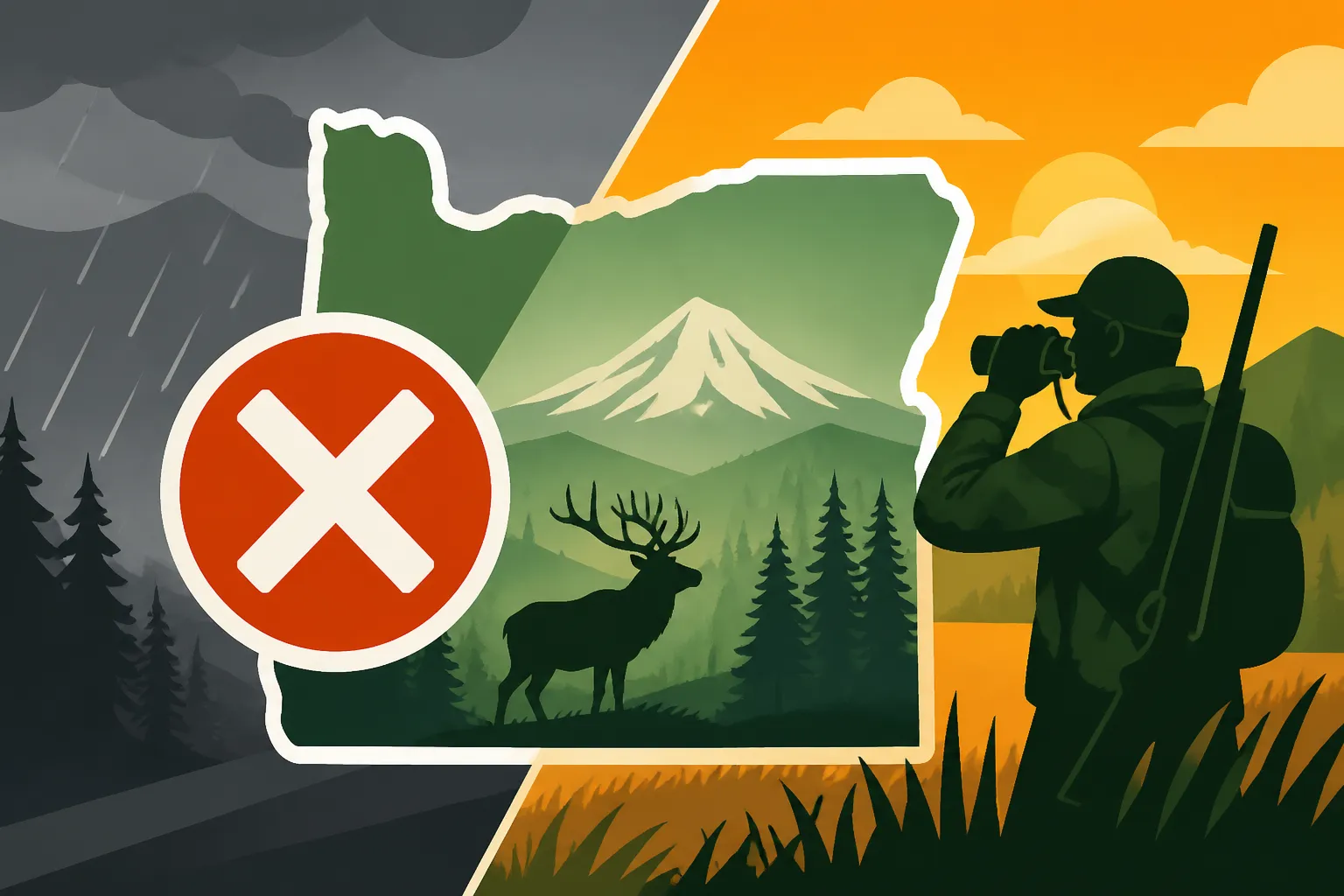
There's nothing quite like the crushing disappointment of meticulously planning an Oregon hunt, poring over maps, scouting, taking time off work, only to discover that your chosen area is suddenly closed, or the rules have changed overnight. We've all been there, staring at a sudden wildfire closure notice or a public land restriction, wondering how on earth we're supposed to keep up. This guide aims to demystify the often confusing world of emergency closures and in-season changes in Oregon, helping you understand why they happen, how to stay informed, and most importantly, how to adapt your hunting plans to avoid a ruined trip.
Understanding Emergency Closures and In-Season Modifications
Hunting in Oregon, whether it's for elk in the Coast Range or mule deer in the high desert, requires a solid understanding of the rules and regulations. But sometimes, Mother Nature or unforeseen circumstances throw a wrench into even the best-laid plans. This is where emergency closures and in-season modifications come into play, and understanding their nuances is key to a successful, and legal, hunt.
What Constitutes an "Emergency Closure"?
When we talk about an "emergency closure," we're generally referring to a sudden, often immediate restriction on access or hunting activity due to a critical and rapidly unfolding event. Think of it like a flash flood warning for a specific area, but for hunting. These are not typically planned or anticipated far in advance; they are reactive measures taken to protect public safety, conserve wildlife, or prevent further environmental damage.
A prime example is a fast-moving wildfire, especially during a hot, dry summer or early fall. If a new fire sparks up near your hunting unit, land management agencies like the U.S. Forest Service or Bureau of Land Management (BLM) might issue immediate closures for entire forests, specific roads, or even large tracts of public land. These closures are designed to keep people out of harm's way, allowing firefighters to work unhindered and preventing new ignitions from human activity. Similarly, extreme weather events such as severe windstorms causing widespread blowdown, or sudden, heavy snowfall that makes roads impassable and creates hazardous conditions, can trigger emergency closures. The goal is always safety first, for both hunters and the emergency responders who might otherwise need to rescue them.
In-Season Rule Changes and Adjustments
Beyond emergency closures, ODFW and other land managers also implement "in-season changes" or modifications. These are typically less immediate than an emergency closure, but still occur after the hunting regulations pamphlet has been published. These changes might stem from evolving environmental conditions, updated biological assessments, or even public input. They're often designed to be more targeted and less drastic than a full closure, but can still significantly impact your hunt.
Consider extended fire restrictions, for instance. Early in fire season, campfire bans might be implemented. As conditions worsen, these can escalate to restrictions on motorized vehicle use, smoking outdoors, or even target shooting in certain areas. While not a full closure, these rules directly affect how you can hunt and camp. Another common in-season adjustment involves winter range. If a particularly harsh winter sets in early, ODFW might announce accelerated or expanded winter range closures to protect vulnerable deer and elk herds from disturbance. These decisions are often made by ODFW biologists monitoring local conditions and herd health, sometimes in consultation with the Oregon Fish and Wildlife Commission. These aren't about an immediate crisis but rather a dynamic response to ongoing ecological pressures or changing circumstances on the ground.
The Legal Framework Behind Changes
It's natural to feel frustrated when a hunting plan goes awry because of a sudden rule change. However, ODFW and other land management agencies operate under specific legal frameworks that grant them the authority to implement these emergency and in-season adjustments. For ODFW, this authority often comes from the Oregon Revised Statutes (ORS) and Oregon Administrative Rules (OARs), which empower the Fish and Wildlife Commission to adopt temporary rules necessary for wildlife management and public safety.
When an emergency closure or in-season change is deemed necessary, these agencies typically follow a process that involves issuing official notices, often called "emergency rules" or "special regulations." These rules carry the full force of law, just like the regulations printed in your annual pamphlet. While the standard Oregon regulation pamphlet release date is typically in the spring, special rule changes are announced outside of that timeline. For federal lands (Forest Service, BLM), their authority stems from federal regulations and acts like the Federal Land Policy and Management Act (FLPMA). Understanding that these aren't arbitrary decisions, but rather actions taken within established legal bounds for valid reasons, can sometimes ease the frustration, even if it doesn't solve the immediate hunting challenge. Disregarding these rules can lead to citations, fines, and even loss of hunting privileges, so staying informed and compliant is absolutely paramount.
Common Triggers for In-Season Changes and Closures
The beautiful, wild landscapes of Oregon are dynamic, constantly shaped by forces both natural and human. This inherent changeability means that hunting conditions can shift dramatically, sometimes within a single season. Understanding the primary triggers for these in-season changes and emergency closures helps hunters anticipate potential issues and plan more effectively.
Wildfires and Public Safety
Without a doubt, wildfires are one of the most significant and disruptive forces impacting Oregon hunting seasons. Every year, especially during the dry summer and fall, fires can ignite quickly and spread rapidly, leading to widespread forest and public land closures. These closures are not just about the immediate fire danger, but also about the safety of the public and emergency personnel. A common scenario involves specific roads or entire districts being closed to prevent hunters from getting trapped, or to keep non-essential traffic out of areas where firefighters are actively working.
Oregon’s fire seasons have become increasingly severe and prolonged in recent years, affecting hunters from the Coast Range all the way to the Blue Mountains. Beyond direct closures, even fires burning far away can create hazards. Dense smoke can drastically reduce visibility, making it difficult to spot game and potentially causing respiratory issues for hunters. It's crucial to consistently be checking Oregon fire closures before the season, and certainly as it progresses. Always be aware of the current fire danger levels, often indicated by color-coded signs at forest entrances, and abide by any fire restrictions in place. This includes understanding the nuances of hunting camp fire restrictions in dry years, which can range from full bans to restrictions on charcoal briquettes only. Resources like InciWeb (incident information system) and local forest service websites provide real-time updates that are vital for hunters.
Extreme Weather Events
While wildfires dominate headlines, extreme weather in Oregon can be just as impactful on hunting access and conditions. An unseasonably early heavy snowfall, particularly in Eastern Oregon's higher elevations, can quickly close forest roads that were open just days before. These closures can effectively cut off access to entire hunting units, making it impossible to reach planned hunting spots, or even worse, trapping hunters in remote areas.
Conversely, unusually hot and dry weather, especially during early archery or rifle seasons in September, poses a different set of challenges. Extreme heat not only makes hunting physically more demanding but also creates a critical problem for meat preservation. Field dressing an elk in 70-degree September heat requires immediate action and precise handling to prevent spoilage. If temperatures soar, ODFW might issue warnings or even temporary restrictions if conditions become truly extreme and widespread. Additionally, heavy, sustained rainfall can turn forest roads into impassable mud bogs, particularly in the Coast Range, and can even elevate river levels to dangerous points, impacting those who rely on river access. These weather-driven changes necessitate a flexible mindset and an awareness of localized forecasts.
Wildlife Health and Population Dynamics
Sometimes, the in-season changes are less about human safety or access, and more about protecting the wildlife itself. Disease outbreaks can prompt localized closures or special regulations to contain spread or monitor animal health. For instance, while not yet detected in Oregon, Chronic Wasting Disease (CWD) is a persistent threat, and a confirmed case could lead to immediate, drastic measures like localized hunting suspensions or mandatory testing. More common in Oregon are issues like Elk Hoof Disease in Western Oregon, which, while not leading to closures, certainly impacts herd health and hunter success in affected areas. ODFW is constantly monitoring herd health, and hunters are often asked to assist by reporting a sick animal to ODFW they encounter in the field.
Beyond disease, significant, unforeseen shifts in game populations can also trigger in-season adjustments. While rare for large game, sudden, drastic declines in a particular herd due to, say, an unexpected severe winter die-off, could theoretically lead to emergency season closures or tag reductions to protect the breeding population. Conversely, an overpopulation issue in a very specific area might prompt special hunts or additional tag opportunities, though these are typically planned well in advance. More common are winter range closures that affect late hunts, designed to protect vulnerable deer and elk from disturbance during critical periods of nutritional stress. These closures often occur on lower elevation wintering grounds, and specific Oregon roads closed to protect wintering deer and elk are clearly marked and enforced. These changes highlight ODFW’s commitment to sustainable wildlife management, even if they occasionally impact individual hunting opportunities.
Staying Informed: Your Lifeline to Current Conditions
In a state as diverse and geographically dynamic as Oregon, staying abreast of emergency closures and in-season changes isn't just a good idea; it's absolutely essential for a successful, ethical, and safe hunt. Relying solely on the annual hunting regulations pamphlet, while fundamental, won't cut it when conditions can change overnight. Hunters need a multi-faceted approach to gather timely information.
ODFW's Official Communication Channels
The Oregon Department of Fish and Wildlife (ODFW) is your primary and most authoritative source for information regarding hunting regulations, season changes, and closures. Their official website is the first place to check. It's usually updated regularly with news releases, special announcements, and specific alerts regarding fire closures, weather impacts, or disease concerns. Look for sections dedicated to "Emergency Regulations" or "News Releases." Subscribing to ODFW's email newsletters is another smart move; these often provide summaries of critical updates directly to your inbox. They also maintain active social media presences on platforms like Facebook and X (formerly Twitter), where they post immediate alerts and share links to more detailed information.
Beyond digital channels, don't underestimate the value of direct contact. Local ODFW offices often have the most granular and up-to-date information for their specific regions. A quick phone call to the district biologist or a visit to a regional office can provide invaluable insights that might not yet be widely publicized online. While the Oregon regulation pamphlet release date is a fixed point, remember that everything within it can be subject to these in-season changes, so always double-check official ODFW sources for any modifications to your planned hunt.
Leveraging Technology and Digital Tools
In our modern world, technology offers an incredible advantage for hunters trying to stay informed. Mapping applications are arguably the most powerful tool in your arsenal. Platforms like onX Hunt, and others, offer layers that can show public vs. private land, roads, and often, real-time closures. When you're using the Oregon hunting map online, look for specific layers that indicate fire perimeters, land management closures, or even temporary road closures. Many of these apps now integrate directly with Forest Service and BLM data, making it easier than ever to see if your hunting grounds are impacted. GoHunt is another excellent resource, offering not just mapping capabilities but also a wealth of information on regulations, draw odds, and often includes updates on closures and conditions. Leveraging these tools means you can essentially carry a constantly updated map of Oregon's hunting landscape in your pocket.
Beyond hunting-specific apps, general weather apps with detailed radar and precipitation forecasts are critical, especially for anticipating heavy snow or rain that could cut off access. For wildfires, dedicated fire information sites like InciWeb or the Northwest Interagency Coordination Center (NWCC) provide detailed maps, incident updates, and official closure orders from all land management agencies. Learning to navigate these digital resources is a game-changer for maintaining situational awareness throughout your hunt.
Local Intelligence and Community Networks
While official channels and technology are indispensable, never underestimate the power of local intelligence. Before heading into a new area, or even one you know well, make a point to stop in nearby towns. Local sporting goods stores, gas stations, and even coffee shops are often hubs of information. Locals, including other hunters, guides, and forest workers, typically have the most current on-the-ground knowledge of road conditions, trail access, and recent wildlife movements.
Online forums and social media groups dedicated to Oregon hunting can also be a valuable resource for anecdotal reports and sharing of information. However, always exercise caution with unverified information found online. Use it as a starting point for further investigation through official channels. The goal is to cross-reference information from multiple sources – ODFW, land management agencies, trusted mapping apps like those that utilize onX layers for Oregon land status, and local experts – to form the most complete and accurate picture of current conditions before you commit to your hunt. This blend of official data, cutting-edge technology, and boots-on-the-ground intel gives you the best chance of navigating the complexities of in-season changes.
Adapting Your Hunt to In-Season Changes
So, you’ve planned your dream hunt, taken vacation, maybe even driven hours to your spot, only to find an unexpected closure sign or a new restriction. It’s frustrating, disheartening even. But a truly experienced Oregon hunter knows that adaptability isn't just a desirable trait; it's a fundamental requirement. The ability to pivot, adjust, and make the most of a changing situation often separates a successful hunter from one who goes home empty-handed and disappointed.
Flexibility in Planning and Strategy
The best defense against unforeseen closures and changes is always a good offense: having backup plans. When you're initially researching your unit, identify not just one prime hunting area, but two or three viable alternatives within the same or adjacent unit. These could be different drainages, another clearcut system, or even an entirely different section of public land. If your primary access road is suddenly closed due to a wildfire or heavy snow, having another entry point or even a different unit mapped out can salvage your trip. Consider how you would approach a hunt if your preferred motorized travel was banned, forcing you to become a purely foot-access hunter; this might mean focusing on areas closer to open roads or trails.
Sometimes, the adjustment might be as simple as changing your hunting method. If a fire closure suddenly restricts access to dense timber where you planned to still-hunt, perhaps you can shift your focus to glassing more open hillsides or recent burns just outside the closure. In extreme cases, if an entire region or target species hunt is severely impacted, you might even consider shifting your focus to another species for which tags are readily available, or postponing the trip if feasible. Being emotionally prepared for changes and building that flexibility into your initial planning stages can turn a potential disaster into a minor detour.
Gear and Logistics Adjustments
In-season changes often have direct implications for the gear you carry and your logistical setup. If a fire closure means you suddenly have to backpack much further than anticipated, ensuring your pack is light and efficient becomes paramount. Similarly, if an early cold snap brings unexpected snow, having the right boots and warm, waterproof layers becomes critical. Rain gear that actually stays dry is non-negotiable in Oregon's unpredictable weather, especially in the coastal or Cascade regions. Consider packing extra food, water, and emergency supplies (like a satellite messenger) if your usual access points become unreliable or your planned exit route is compromised.
One of the most pressing logistical concerns in warm weather is meat preservation. If temperatures are higher than expected due to a late-season heat wave, you’ll need to be extra diligent about getting a carcass off the ground fast and applying the gutless method on an elk as quickly as possible, ensuring rapid cooling. This might mean adjusting your hunting hours to target cooler parts of the day or immediately heading for the nearest cold storage facility after a kill. Furthermore, if you’re suddenly forced to pack meat out further than planned, having a sturdy pack frame and knowing how to bone-out versus quarter for packing can make a huge difference in efficiency and muscle strain. Every ounce matters when you're unexpectedly hoofing it for miles.
Ethical Considerations and Personal Responsibility
Beyond the practicalities, navigating in-season changes also brings ethical and responsible hunting into sharp focus. First and foremost, always respect closures and restrictions. They are put in place for valid reasons, whether it's public safety, wildlife conservation, or property protection. Attempting to bypass a road closure or enter a prohibited area is not only illegal but also incredibly irresponsible, putting yourself and others at risk. Pay close attention to signage and boundaries, especially when hunting near private timber land or in areas with complex land ownership. Understanding Oregon's trespass law and posted land rules is crucial, as trespassing can lead to serious legal consequences and erode the public's perception of hunters.
It’s also about understanding the "why" behind the changes. If winter range closures are in effect, it’s because deer and elk are at their most vulnerable, fighting to survive on limited forage. Disturbing them during this critical period can have long-term impacts on herd health. Similarly, wildfire restrictions are about preventing catastrophic blazes. Ethical hunters understand that their actions have consequences, and they prioritize conservation and safety above personal convenience. If you observe others disregarding these rules, it's your responsibility as a conservationist to consider reporting a sick animal to ODFW or reporting a wildlife violation to the Oregon State Police's Turn In Poachers (TIP) program. Our collective actions directly impact the future of hunting in Oregon.
Historical Context and Future Outlook
Oregon's landscapes and wildlife populations have always been in flux, but the pace of change seems to be accelerating. Looking back at past incidents and understanding the broader trends can help us prepare for what's to come, making us more resilient and responsible hunters.
Past Major Incidents and Their Lessons
Oregon has certainly seen its share of dramatic in-season disruptions. The 2020 Labor Day wildfires, for instance, were a catastrophic event that saw entire towns evacuated and vast tracts of national forest land, especially in the Cascades, closed for extended periods, some remaining closed even today. Hunters who had planned trips into units like the McKenzie or Santiam found their seasons abruptly canceled. The lesson learned was the sheer unpredictability of fire season and the importance of monitoring conditions up until the very last minute. Many hunters were forced to completely change their plans, seeking out different units or even entirely different species to hunt.
Beyond fire, significant winter storms have historically impacted access. Memories of hunters being stranded or roads becoming impassable due to early, heavy snowfalls are common tales around campfires. These events underscore the need for proper emergency preparedness, including carrying survival gear, notifying someone of your trip plan, and having adequate recovery equipment for your vehicle. Disease events, while not always leading to widespread closures, have also shaped management. For example, the ongoing challenge of Elk Hoof Disease in Western Oregon, while managed through specific regulations and monitoring, requires hunters to be aware of the issue and to report any symptomatic animals they encounter. These past events serve as stark reminders that hunting in Oregon demands respect for nature's power and a willingness to adapt.
The Evolving Landscape of Oregon Hunting
The triggers for in-season changes are not static; they are evolving. Climate change is undeniably influencing Oregon's hunting landscape. We're seeing longer, hotter, and drier summers contributing to more intense wildfire seasons, potentially impacting more hunts in the future. Drought conditions can affect water sources that hold deer in dry country, shift animal patterns, and exacerbate disease issues. Understanding these macro-level changes is crucial for looking ahead.
ODFW, in response, is constantly adapting its management strategies. Initiatives like the Oregon Mule Deer Plan and Tag Numbers are developed with an eye toward long-term herd health and resilience in the face of these environmental shifts. The department also conducts extensive Oregon wildlife disease surveillance to monitor emerging threats and proactively manage wildlife health. Hunters can contribute to this by faithfully completing their mandatory harvest reporting and providing accurate information on their success and observations, which feeds into these crucial datasets. Furthermore, ODFW holds regular Oregon Commission Meetings on hunting rules where decisions about seasons and regulations are made, and public input is often sought. Staying engaged with these discussions, and understanding the broader challenges facing Oregon's wildlife, empowers hunters to not just react to changes, but to be part of the solution for a sustainable future for Oregon hunting. Many resources exist to help you track these changes and plan ahead, from the official ODFW website to private mapping and data platforms like GoHunt that integrate various layers of critical information, helping you navigate the dynamic nature of hunting in our incredible state.
| Type of Closure/Change | Primary Trigger(s) | Primary Agency Responsible | Common Impact on Hunters | Key Information Source |
|---|---|---|---|---|
| Wildfire Closure | Active wildfire, extreme fire danger | USFS, BLM, ODF, ODFW | Restricted access to public lands, road closures, smoke impact | InciWeb, USFS/BLM websites, ODFW news |
| Winter Range Closure | Early/heavy snow, severe cold, animal stress | ODFW, USFS, BLM | Restricted access to lower elevation areas, road closures | ODFW news, local ODFW offices |
| Emergency Road Closure | Landslides, fallen trees, washed-out roads, heavy snow | USFS, BLM, ODF, County | Impassable roads, altered access routes | USFS/BLM websites, county road departments |
| Disease Management Zone | Disease outbreak (e.g., CWD, EHD) | ODFW | Mandatory testing, carcass transport restrictions, possible hunt closures | ODFW news, specific hunt regulation updates |
| Fire Restrictions | High fire danger | USFS, BLM, ODF, ODFW | Campfire bans, restrictions on vehicles/smoking/shooting | USFS/BLM websites, ODFW news |
Disclaimer
The information provided in this guide is for general informational purposes only and does not constitute legal advice. Hunting regulations in Oregon are subject to frequent change. Always consult the official Oregon Department of Fish and Wildlife (ODFW) regulations pamphlet, current year hunt special regulations, and official ODFW news releases and alerts, as well as the relevant land management agency (e.g., U.S. Forest Service, Bureau of Land Management, Oregon Department of Forestry) for the most up-to-date and accurate information before planning and executing any hunting trip. It is the hunter's responsibility to know and follow all applicable laws and regulations.