Oregon Wilderness Rules That Ban Motorized Carts
Heading into the vast, quiet expanse of Oregon's wilderness areas, it's easy to get caught up in the thrill of the hunt and the challenge of the landscape. But one rule that often stumps folks, and can lead to some real headaches if not understood, is the absolute ban on motorized carts. It’s a common frustration, especially when you're looking for an edge or facing a long pack out, but this guide will meticulously break down exactly why these rules exist, what they mean for your hunt, and how to navigate them effectively.
The Foundation of Wilderness: Why Motorized Carts are Banned
The idea behind designated wilderness areas, whether they're under the management of the Forest Service or the Bureau of Land Management, is to preserve a specific kind of experience. It's about protecting tracts of land where the earth and its community of life are untrammeled by man, where man himself is a visitor who does not remain. This isn't just some abstract philosophical concept; it's enshrined in the Wilderness Act of 1964, which defines these areas as places "retaining their primeval character and influence, without permanent improvements or human habitation, which are protected and managed so as to preserve their natural conditions."
Motorized vehicles of any kind, including those seemingly innocuous motorized carts, directly conflict with this fundamental principle. The intent is to keep these spaces free from the noise, exhaust, and physical impact that machinery brings. Think about the peace you seek in the backcountry: the crunch of leaves under your boots, the whisper of the wind through ancient pines, the distant bugle of an elk. That serenity is shattered by the hum of a motor, which can be heard for miles and disrupts not only other hunters' experiences but also the natural rhythms of wildlife. Furthermore, these carts can rut trails, introduce invasive species more easily, and increase the risk of wildfire from mechanical failure. It’s a holistic approach to conservation, aiming to keep these wild places wild.
Preserving the Primitive Experience
For many of us, the draw of hunting in a wilderness area isn't just about the challenge of the animal, but the challenge of the pursuit itself. It's about testing your physical limits, relying on your own strength and knowledge to navigate rugged terrain. A motorized cart, while undeniably convenient, removes a significant part of that primitive experience. It transforms a hike into a ride, a strenuous pack-out into a simple transport. The rules exist, in part, to ensure that the effort and skill required to hunt deep in these areas remain paramount.
Consider the satisfaction of packing out an elk quarter by quarter on your back, or with the aid of a trusty pack horse. That sense of accomplishment is deeply tied to the physical exertion and the self-reliance required. Introducing a motorized cart, even a small one, alters that fundamental dynamic. It’s about maintaining the "opportunity for solitude" and "unconfined recreation" that the Wilderness Act champions. This includes not just the physical experience, but also the mental and spiritual aspects of immersing oneself in an untouched landscape.
Environmental Impact and Ecosystem Protection
Beyond the experiential aspect, there are very real ecological concerns driving these prohibitions. Wilderness areas are often home to sensitive ecosystems, rare plant life, and crucial wildlife habitat. Even small motorized vehicles, over time, can cause significant damage. Their tires can compact soil, leading to erosion and harming delicate root systems. They can spread noxious weed seeds from one area to another, disrupting native flora.
Imagine a heavily used trail through a pristine meadow. If motorized carts were allowed, that trail would quickly degrade into a rutted, muddy trench, impacting water runoff and destroying vegetation. The noise and presence of such vehicles can also stress wildlife, causing them to alter their feeding patterns, breeding grounds, or migration routes. In an environment striving for "natural conditions," minimizing human-caused disturbance from technology is critical. This is particularly true for vulnerable species like mountain goats or bighorn sheep that inhabit these rugged, remote areas. The ban on motorized carts is a proactive measure to safeguard these fragile environments for generations to come.
Defining "Motorized Carts" in Oregon's Wilderness
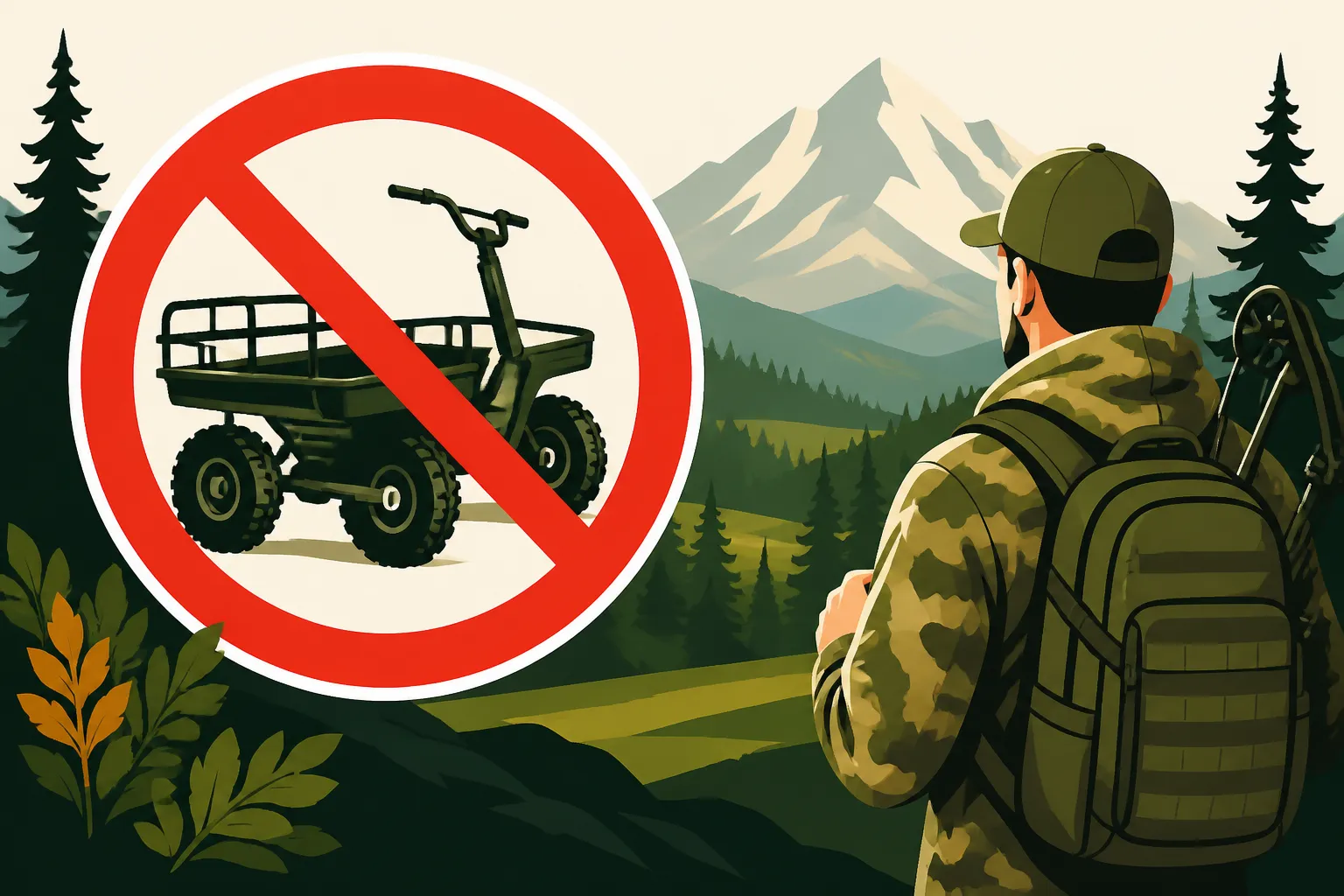
When we talk about "motorized carts" and similar vehicles, it’s important to understand what the regulations specifically target. Generally, any device that uses an engine or motor for propulsion falls under this ban. This includes electric bikes, ATVs, side-by-sides, dirt bikes, and yes, even those increasingly popular electric game carts designed to help you haul your kill. It’s not just about gasoline engines; battery-powered motors are also prohibited in designated wilderness.
This can be a point of confusion for many hunters, especially with the rise of new electric-assist technologies. Some might argue that an electric cart is quieter or less impactful than a traditional ATV. However, the wilderness designation draws a clear line: if it's motorized, it's generally not allowed. This broad definition ensures that the spirit of non-mechanized travel is upheld consistently across all wilderness areas, from the vast stretches of the Eagle Cap Wilderness Hunting Access to the dense timber of the Kalmiopsis.
Differentiating From Mobility Devices
It's crucial to distinguish between prohibited motorized carts and certain exceptions made for individuals with disabilities. Federal law, specifically the Americans with Disabilities Act (ADA), allows for the use of "other power-driven mobility devices" (OPDMDs) by people with disabilities in wilderness areas, provided certain criteria are met. This is not a blanket allowance for electric carts, but a specific provision for mobility-impaired individuals.
These mobility devices must be "primarily designed for and used by individuals with mobility disabilities," and their use must be assessed on a case-by-case basis by the managing agency (e.g., Forest Service, BLM). Factors like the device's size, weight, operational characteristics, and the nature of the terrain are all considered. So, while you might see someone using an electric wheelchair in a wilderness area, that's not a loophole for a hunter to bring in an electric game cart for general use. The intent is to provide reasonable accommodation for mobility, not to facilitate game retrieval for able-bodied hunters. If you have questions about specific mobility devices, it's always best to contact the local ranger district well in advance of your trip.
The Rise of Electric Hunting Aids
The last few years have seen a boom in electric hunting gear, from e-bikes that can cover ground silently to electric wagons promising effortless game retrieval. While these tools offer undeniable advantages in many hunting scenarios, they are unequivocally banned in Oregon's designated wilderness areas. This might feel frustrating, especially after a long, successful hunt deep in the backcountry where the thought of Packing Out an Elk in Oregon's Wilderness Units is daunting. However, the rules are clear.
This means you need to plan your wilderness hunts with non-motorized solutions in mind. Many hunters rely on pack animals—like horses or llamas—for heavy loads, or they invest in robust Pack Frame Load Weight for One Hunter and embrace the physical challenge. Companies like GoHunt, which specialize in providing detailed mapping and planning tools, can help you identify wilderness boundaries precisely so you don't inadvertently run afoul of these rules with restricted gear. Understanding where motorized use ends and true wilderness begins is paramount to a successful and legal hunt.
Where These Rules Apply: Identifying Wilderness Boundaries
Knowing which areas are designated wilderness is absolutely critical before you even think about bringing any form of motorized assistance. Oregon has a significant number of federally designated wilderness areas, spread across various National Forests and BLM lands. These include well-known spots like the Wenaha-Tucannon Wilderness, the Three Sisters Wilderness, and the Rogue-Umpqua Wilderness, among many others. Each of these areas falls under the strict no-motorized-vehicle rule.
It's not always intuitive where these boundaries lie, especially in areas where wilderness abuts National Forest land with different regulations. A forest road might lead right up to a wilderness boundary, and unknowingly crossing that line with a motorized cart can land you in serious trouble. That's why meticulous pre-hunt planning and map study are essential.
Utilizing Maps and Digital Resources
The best way to identify wilderness boundaries is through official maps and reliable digital mapping tools. The U.S. Forest Service and BLM offer detailed maps, often available for free or a small fee, that clearly delineate wilderness areas. These maps are invaluable resources for understanding terrain, access points, and restricted zones.
In addition to traditional paper maps, modern hunting apps like GoHunt offer powerful e-scouting capabilities. These platforms layer public land data, including wilderness boundaries, over satellite imagery, allowing you to visually identify and mark these areas on your phone or tablet before you even leave home. This feature is particularly useful for visualizing topography and access points in remote regions. Always cross-reference multiple sources, especially when planning a hunt in an unfamiliar area. You can also look up specific rules for Hunting Oregon's Wilderness Areas on the ODFW website or by contacting the local forest or ranger district office.
State and Local Variations
While federal wilderness areas are the primary focus of these motorized bans, it's worth noting that state-managed lands or even some private timberlands might have their own restrictions on motorized vehicles, even if they aren't formally designated "wilderness." Always check the regulations specific to the land you plan to hunt. Oregon State Forests, for example, have their own rules regarding vehicle access, which can vary from the more stringent federal wilderness guidelines.
However, for the purpose of this discussion, the most absolute and widespread ban on motorized carts applies to federally designated wilderness. These are the places where the "untrammeled" ethos is most fiercely protected, and where a small oversight with a seemingly harmless electric cart can lead to fines, confiscation, and a ruined hunt. When planning Backpack Camps in Oregon Wilderness, remember that all your gear needs to get in and out under human or animal power.
Practical Implications for Hunters: Planning Your Wilderness Hunt
So, what does this all mean for you as a hunter aiming to venture into Oregon's wilderness areas? It means you need a different mindset and a more rigorous approach to planning, particularly when it comes to gear, logistics, and physical preparation. You can't rely on motorized shortcuts to get deep into the backcountry or to haul out heavy game. This isn't a deterrence, but rather an invitation to embrace the traditional challenges of wilderness hunting.
Your success in a wilderness hunt will hinge on your ability to be self-sufficient and prepared for demanding physical labor. Forget the ease of a drive-in access point or a quick quad ride to retrieve your trophy. In these areas, every pound of meat and every inch of antler must be earned through sweat equity.
| Item Type | Permitted in Wilderness | Prohibited in Wilderness (if motorized) | Alternative Solution |
|---|---|---|---|
| Transport | Backpack, Pack Frame, Horses, Llamas | E-bikes, ATVs, Dirt Bikes, Motorized Carts | Physical fitness, Horse and Llama Packing Into Oregon Backcountry |
| Lighting | Headlamps, Flashlights | (No motorized equivalent relevant) | Battery-powered, manual light sources |
| Game Retrieval | Pack frames, Game bags, Sleds | Electric game carts | Gutless method, bone-out, multiple trips |
| Navigation | Paper maps, GPS (non-motorized), Compass | (No motorized equivalent relevant) | Digital maps on phone/tablet (offline), traditional tools |
| Communication | Satellite communicators, Two-way radios | (No motorized equivalent relevant) | Non-motorized communication devices |
This table helps illustrate the clear distinction. While GPS units and satellite communicators are allowed because they are not for propulsion and do not damage the land through movement, any device intended to move you or your gear via a motor is out.
Embrace Traditional Methods and Self-Reliance
Hunting in a wilderness area truly forces you back to basics. If you're planning a trip for Archery Elk Hunting Oregon's August and September Seasons or targeting mule deer in the high country, your physical conditioning becomes paramount. You'll be covering miles on foot, often with significant elevation changes, and potentially carrying heavy loads of meat and gear. This is where dedicated Physical Training for an Oregon Elk Hunt truly pays off.
Consider traditional methods for packing out game: a strong pack frame, quality game bags, and a well-practiced "gutless method" to break down an animal into manageable quarters. For larger animals like elk, you might need to make multiple trips, or consider a team effort with hunting partners. This shared challenge often forms some of the most enduring memories of a hunt. Many outfitters also offer What It Costs to Hire a Packer With Stock services for dropping off gear or packing out an animal, which can be a valuable option for wilderness hunts.
Planning for the Pack Out
The most significant challenge posed by the motorized cart ban, for most hunters, is the pack out after a successful kill. When you're miles deep in rugged terrain, the prospect of carrying hundreds of pounds of meat and antlers on your back is daunting. This is precisely why strategic planning is so critical.
Before you ever leave home, factor the pack out into your hunting strategy. This might influence how far you're willing to venture, where you set up camp, and whether you hunt alone or with a partner. Have a clear plan for processing an animal in the field – whether that's quartering bone-in or boning out the meat to reduce weight. Ensure you have enough game bags, cordage, and a sharp knife. For some, it might mean choosing a smaller unit closer to wilderness boundaries, rather than venturing into the absolute deepest parts. Remember, the challenge is part of the allure, and overcoming it without motorized assistance makes the success even sweeter.
Disclaimer
This guide provides general information about Oregon's wilderness rules regarding motorized carts for hunting purposes. Regulations can change, and interpretations may vary. It is your responsibility to consult the most current Oregon Department of Fish and Wildlife (ODFW) regulations, U.S. Forest Service, and Bureau of Land Management rules, and to contact relevant agencies directly for clarification before engaging in any hunting activities. Adherence to all applicable laws and regulations is essential.