Oregon Open Fields Properties and How to Find Them
Finding reliable hunting access in Oregon can feel like searching for a needle in a haystack, especially with so much private land or heavily pressured public ground. It's a common frustration for many hunters, feeling squeezed out by development or exclusive leases. This comprehensive guide is designed to help you navigate Oregon's Open Fields program, revealing how these often-overlooked properties can unlock new opportunities for successful and less crowded hunts.
Understanding Oregon's Open Fields Program
The Oregon Department of Fish and Wildlife (ODFW) recognized the challenge hunters faced with declining access, and that's precisely why programs like Open Fields were established. It's a fantastic initiative, really, born out of a desire to create more opportunities for the public while also supporting landowners. Essentially, ODFW partners with private landowners, often farmers or ranchers, providing them with incentives to open up their properties for public hunting. This isn't just a handshake deal; it's a formal agreement that helps both sides: landowners get some financial compensation for potential crop damage or inconvenience, and hunters gain legitimate, sanctioned access to prime hunting grounds they otherwise couldn't step foot on.
The beauty of the Open Fields program is its dual benefit. For property owners, it's a way to manage wildlife populations that might be causing damage to crops or fences, without having to bear the full burden themselves. For hunters, it's a game-changer. Imagine getting access to thousands of acres of private land, often in areas known for strong populations of deer, elk, or upland birds, all without the hassle of knocking on doors or navigating complex permission slips. These properties are typically agricultural lands, like grain fields, hay meadows, or pastureland, which are vital feeding grounds for many game species. They're often surrounded by excellent cover, making them ideal for strategic hunting.
However, access comes with responsibility. When you step onto an Open Fields property, you're not just a hunter; you're a guest of the landowner and an ambassador for all hunters. There are always specific rules and expectations, beyond just the statewide regulations. These might include designated parking areas, specific entry points, restrictions on vehicle use, or limitations on which species can be hunted. It's crucial to read all signs and information provided for each property, often found on the ODFW website or at the property access point. Ignoring these rules not only risks your hunting privilege but jeopardizes the entire program for everyone else. Think about it: a few careless actions could lead a landowner to pull out of the program, closing off access for good. Maintaining respectful behavior, picking up after yourself, and adhering strictly to the landowner's requests are paramount to the continued success of the Open Fields program.
Identifying Open Fields Properties
Knowing the program exists is one thing, but actually finding these golden opportunities is where the real work begins. Your first stop should always be the official ODFW website. They have dedicated sections outlining the Access and Habitat program, which includes Open Fields. You'll find maps, lists of properties, and specific regulations for each site. It’s not always the most intuitive website to navigate, but with a bit of patience, you can dig out some excellent leads. Often, they'll categorize these properties by region or species, making your search a little easier.
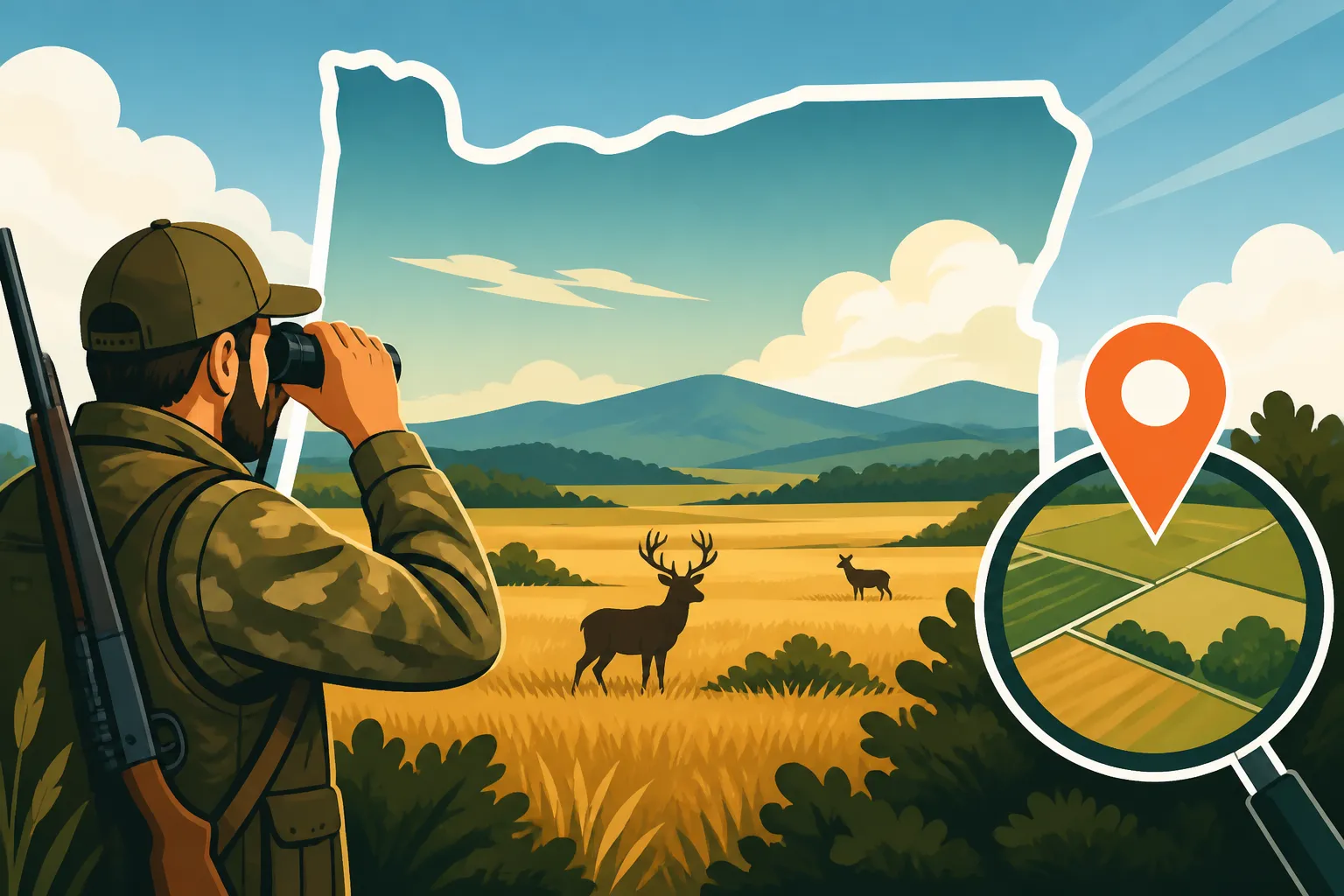
Once you have a general idea, this is where modern technology truly shines. Digital scouting tools are an absolute must for anyone serious about hunting Open Fields properties. Platforms like GoHunt, along with mapping applications such as onX Hunt or Basemaps, are invaluable. These tools often have specific layers that show public and private land boundaries, and crucially, they can sometimes highlight properties participating in access programs. You can overlay aerial imagery to identify key features like treelines, water sources, and pinch points that funnel game. For instance, on a digital map, you might see a vast expanse of green fields adjacent to a thick patch of timber. This combination often means feeding areas close to bedding cover, making it a prime spot to investigate further. You can even use these apps to find potential entry points or to scope out terrain features for E-Scouting Oregon Units With Satellite Imagery before you ever set foot on the ground.
A critical aspect of identifying Open Fields properties, particularly when looking at ODFW maps, is understanding the visual cues that denote different types of access. You'll often see what are colloquially referred to as "Green Flag" and "Yellow Flag" properties. These are not official ODFW terms but are commonly used by hunters to differentiate the level of access. Generally, a "Green Flag" property signifies open public access, usually walk-in, during specific hunting seasons for designated species. These are the simplest to access, requiring no prior contact. On the other hand, a "Yellow Flag" property typically means By-Permission access. This means you must contact the landowner or a designated manager before you hunt. They might require a phone call, an online registration, or even a signed permit. Always double-check the specifics for each property, as the rules can vary greatly. Understanding Green Flags Versus Yellow Flags on the Hunting Map is paramount to avoiding trespass and ensuring you're hunting legally and ethically.
| Access Type | Description | Key Requirement | Typical Entry | Benefits |
|---|---|---|---|---|
| Green Flag | Open public access, no prior contact needed. | Adhere to posted rules & seasons. | Walk-in access, designated parking. | Easiest access, often less regulated. |
| Yellow Flag | Public access, but requires prior permission. | Contact landowner/manager before hunt. | Varies by property (walk-in, gate code, etc.). | Access to potentially less pressured areas. |
Strategies for Successful Hunting on Open Fields
Once you've identified an Open Fields property and understood its access rules, the real fun begins: planning your hunt. Just because it's private land access doesn't mean the animals are waiting for you at the fence line. Pre-season scouting, even if it's just digitally or a quick drive-by, is still incredibly important. Look for signs of activity: tracks, scat, rub lines, or feeding areas. Consider the time of year and the specific crops being grown. Are the fields recently harvested, or are they still full of attractive forage? Game animals, whether it's Oregon Mule Deer and the Herd Range Decline or Oregon Wild Turkeys and Upland Birds, will shift their patterns based on food availability and cover.
When you're actually on the property, respecting the landowner's wishes is non-negotiable. This isn't just a nicety; it's a critical component of ethical hunting and maintaining access for everyone. Always park in designated areas, close any gates you open (unless explicitly told otherwise), and leave no trash or sign of your presence. If you're on a "Yellow Flag" property, communication is key. Don't be afraid to Asking a Landowner for Access or to clarify any specific rules they might have. They're often happy to share insights about game movement or recent sightings. Remember, they live there and know the land intimately. Their knowledge can be a huge asset to your hunt.
To truly maximize your opportunities on Open Fields properties, think beyond just the obvious. While the open fields themselves might be where the game feeds, consider what adjacent cover exists. Is there a woodline, a creek bottom, or a patch of heavy brush nearby? These are often where animals will bed down during the day or travel between feeding and bedding areas. Timing is also crucial. Early morning and late evening, when animals are most active, are typically your best bets. For species like waterfowl or geese, understanding the agricultural cycles in areas like the Hunting the Willamette Valley Open Fields Properties can be the difference between an empty blind and a full strap. Pay attention to weather patterns, too; a change in weather can often trigger increased movement.
Common Challenges and How to Overcome Them
Hunting Open Fields properties isn't without its quirks, and it's important to be realistic about what you might encounter. One of the primary challenges can be dealing with limited access points or very specific restrictions. Some properties might be "walk-in only," requiring you to hoof it a significant distance from your vehicle. While this can be a deterrent for some, it's often a blessing in disguise, as it reduces pressure and pushes game into more secluded areas. Plan accordingly with proper footwear and gear, and be prepared for a longer trek than you might be used to on roadside public lands. Always check for signs indicating Oregon's 300-Foot Rule Beside an Open Road to ensure you're setting up legally.
Another reality is that while Open Fields properties are designed to increase access, they can still experience hunting pressure, especially if they're well-known for specific game. It might not be as intense as a popular Weyerhaeuser tract, but you won't always have the place to yourself. To overcome this, consider hunting during weekdays if possible, or focusing on less popular times of day. Being the first one out there at dawn or staying until the last legal minute can give you an edge. Sometimes, exploring the furthest corners of a property, away from obvious entry points, can reveal overlooked pockets where game feels safer. Remember, sometimes that extra mile makes all the difference.
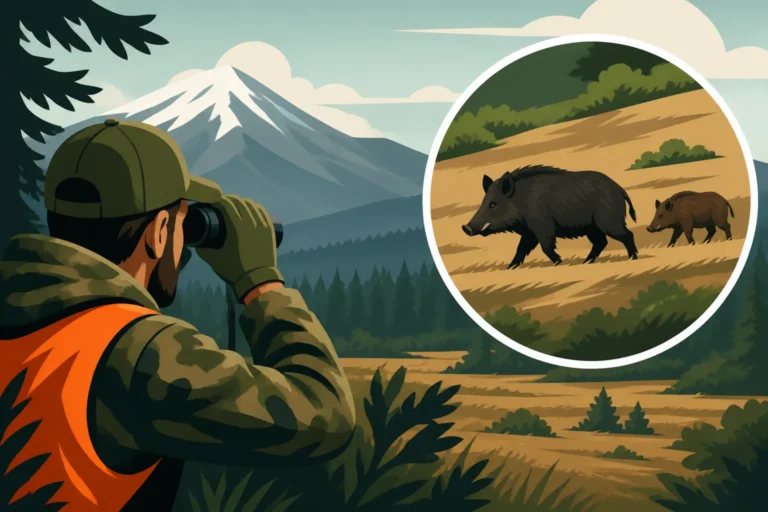
Finally, navigating the diverse landscapes of Open Fields properties requires adaptability. You might be hunting vast, flat agricultural fields one minute, and dense timber or brushy draws the next. This means being prepared with the right gear and adjusting your tactics. For open fields, good optics like binoculars are essential for spotting game at a distance. If you're transitioning into thick cover, stealthy still-hunting techniques or learning how to move through dense vegetation quietly, much like when Still-Hunting Blacktails in Wet Oregon Coastal Brush, will be more effective. Understanding the contours of the land and how game uses it to move from one type of cover to another will greatly increase your chances of success. It's all about being flexible and ready for whatever Oregon's diverse hunting landscapes throw at you.
Disclaimer
The information provided in this guide is for general informational purposes only and is not intended as legal advice. Hunting regulations and access programs in Oregon are subject to change. Always consult the most current Oregon Department of Fish and Wildlife (ODFW) regulations and specific property rules before planning any hunt. Hunters are responsible for understanding and adhering to all applicable laws and regulations.