Pack Frame Load Weight for One Hunter
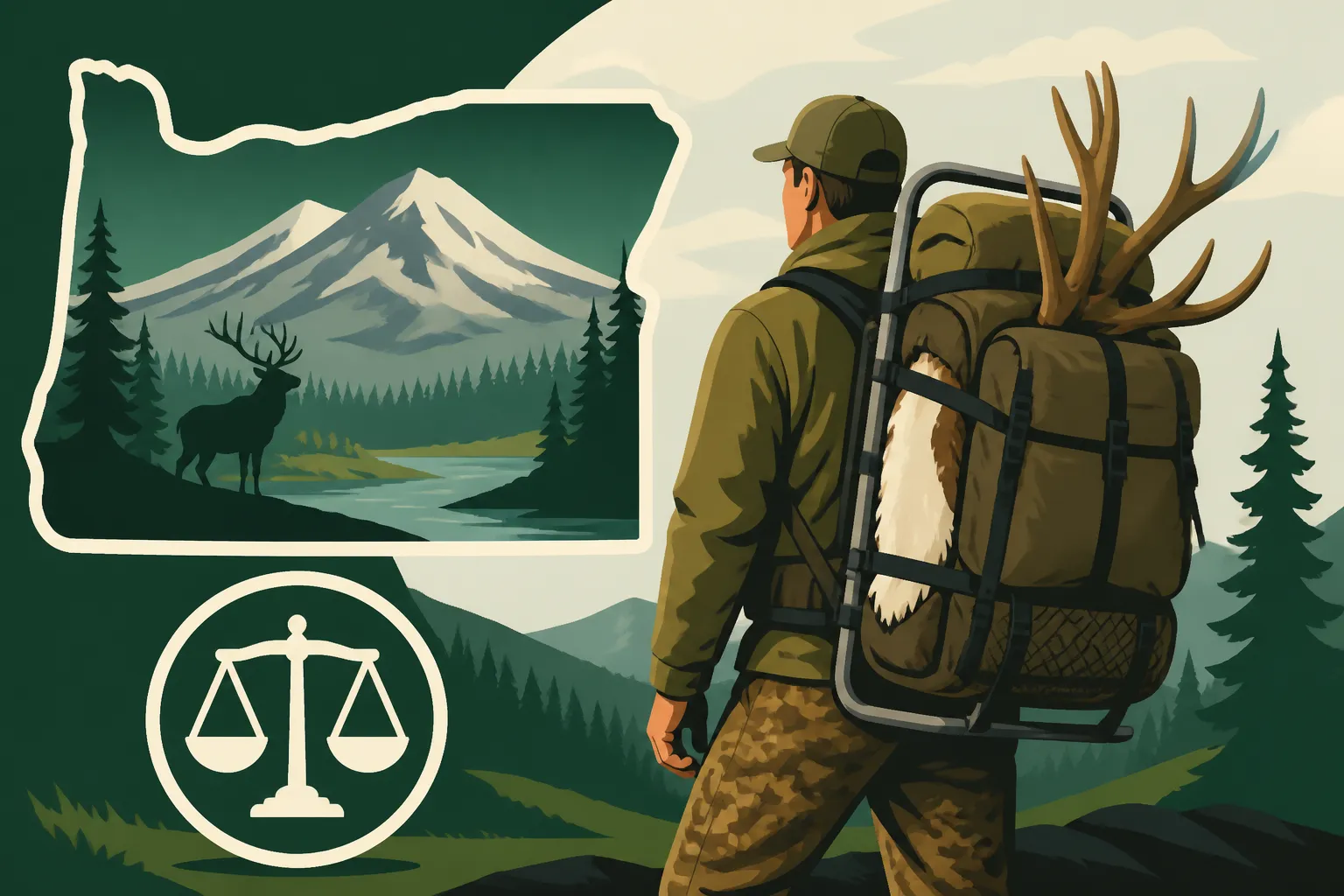
The moment you pull the trigger and an animal drops, the real work begins. If you're a solo hunter in Oregon, the initial elation quickly gives way to the daunting reality of getting hundreds of pounds of meat and bone out of steep, often wet, and unforgiving terrain. This guide is all about tackling that exact challenge: understanding the realities of pack frame load weight, what you can realistically carry, and how to prepare your body and your gear to get that hard-earned game back to the truck.
Understanding the Realities of Solo Packing in Oregon
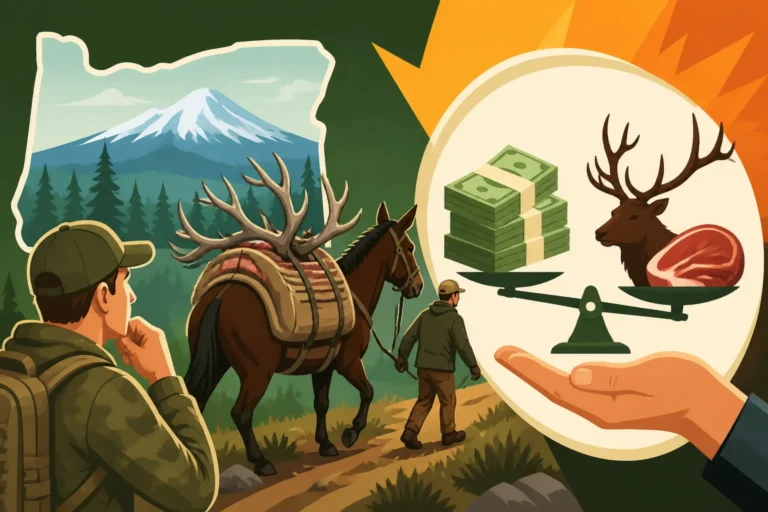
There's no sugarcoating it: packing out a big game animal by yourself in Oregon is one of the most physically demanding aspects of hunting. Whether you're in the dense, often rain-soaked coastal timber after a Roosevelt elk or traversing the vast, sage-covered rimrock of Eastern Oregon for a mule deer, the weight of the animal combined with your gear can quickly become overwhelming. Many hunters underestimate this challenge, leading to exhaustion, potential injury, and even spoiled meat if the pack-out takes too long.
The Weight of the Animal: Expect the Unexpected
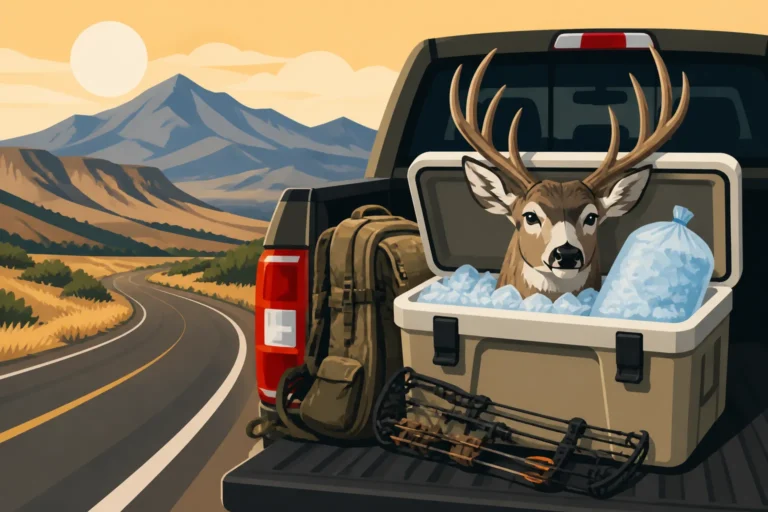
You might envision a clean shot and a short drag, but the truth on the ground is often far different. A mature Oregon bull elk, especially a Roosevelt, can easily weigh 700-1000 pounds live. Even after field dressing, you're looking at a boned-out meat yield of 200-300+ pounds, plus the hide and head. A large mule deer buck might be 150-250 pounds live, translating to 60-100 pounds of boned-out meat. A blacktail deer, while smaller, can still mean 40-70 pounds of meat, and sometimes you're dealing with a steep, brushy climb just to get it out.
The terrain here adds another layer of difficulty. The wet, slick conditions of the Coast Range make every step a battle against gravity and mud. In Eastern Oregon, the loose rock and steep canyons test your balance and endurance with every uphill push. Knowing these typical weights is just the starting point; understanding the conditions you'll be hauling it through is equally critical. For a deeper dive into how to manage the carcass itself, you might find our guide on Gutless Method on a Bull Elk particularly helpful, as it streamlines the initial breakdown process.
Your Personal Carrying Capacity and Limitations
Realistically, for a fit, prepared hunter, a comfortable pack-out weight for sustained travel in rugged terrain is often in the 60-80 pound range. Pushing past 100 pounds, especially over long distances or steep grades, becomes a grueling affair that significantly slows you down and increases the risk of injury. Most single hunters will need to make multiple trips, especially for an elk. Trying to "one-trip" a boned-out elk can mean attempting to carry 150-200 pounds, a feat only truly elite athletes can manage efficiently in backcountry conditions.
Your age, fitness level, and even the quality of your pack frame play a huge role. Don't let ego push you into attempting loads that are beyond your physical limits. It’s far better to make two or even three trips safely and surely than to attempt one heroic carry that leaves you stranded, injured, or with compromised meat. This is where honest self-assessment comes in, and understanding your own physical limits is key to a successful and safe hunt.
Calculating Your Load: What Goes into a Pack
When you're facing down a downed animal miles from the nearest road, every ounce counts. Your pack isn't just carrying meat; it's carrying your life-support system and the means to efficiently process and transport your harvest.
Initial Gear for the Kill and Breakdown
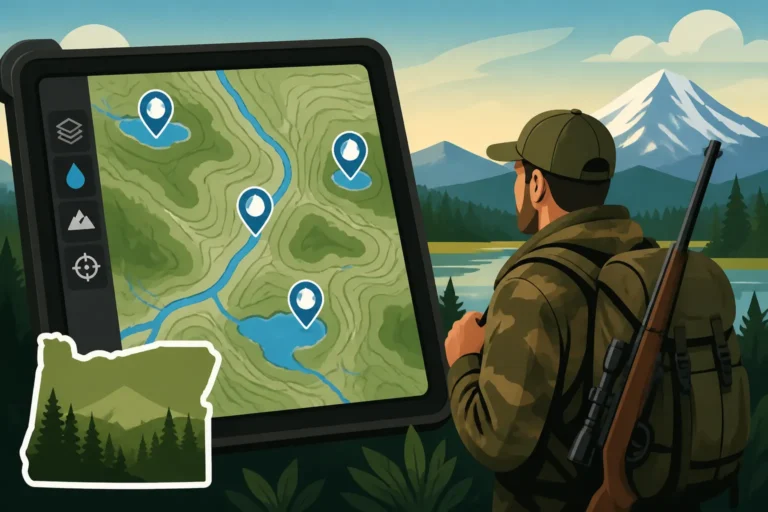
Before you even think about meat, your initial pack contains essentials that contribute to the overall weight. This includes your rifle or bow, ammunition, optics, water, food, first-aid kit, game bags, knife, sharpening stone, flagging tape, headlamp, and emergency survival gear. Even if you're planning on a quick day hunt, having a First Aid Kit Items for a Remote Hunt packed is non-negotiable. Many hunters use mapping apps like those found on GoHunt to mark the animal's location, ensuring they can return easily for subsequent trips.
This initial gear load can easily weigh 20-30 pounds, even with lightweight equipment. When you add a few gallons of water, snacks for a long day, and extra layers for unpredictable Oregon weather, that number climbs fast. If you're backpacking in for several days, your base weight is even higher, making the decision to go light on camp gear critical for when it's time to pack meat.
The Breakdown of Animal Weight on Your Frame
Once an animal is down, the goal is to break it into manageable pieces. For elk and larger deer, this often means quartering the animal, or even boning it out completely to save weight. The hide and skull/antlers, while desirable trophies, add significant bulk and weight.
Let's look at some typical weights:
| Animal (Dressed Weight) | Boned-Out Meat (approx.) | Hind Quarter (Bone-in) | Front Quarter (Bone-in) | Backstraps/Tenderloins | Hide/Cape | Head/Antlers (Elk) |
|---|---|---|---|---|---|---|
| Large Bull Elk (500 lbs) | 200-250 lbs | 60-80 lbs | 40-60 lbs | 10-15 lbs | 40-50 lbs | 30-50 lbs |
| Large Mule Deer (150 lbs) | 60-80 lbs | 20-30 lbs | 15-25 lbs | 5-8 lbs | 10-15 lbs | 10-20 lbs |
| Large Blacktail (120 lbs) | 40-60 lbs | 15-25 lbs | 10-20 lbs | 4-6 lbs | 8-12 lbs | 8-15 lbs |
Note: These are approximations. Actual weights vary greatly depending on age, sex, and physical condition of the animal.
As you can see, even a single hindquarter from an elk can push 80 pounds. Most solo hunters aim to carry one quarter per trip, along with a portion of the boned-out meat, and maybe some of the backstraps and tenderloins. The head and hide are often saved for the last trip or a dedicated trip, as they are heavy and awkward. For instance, if you're dealing with a big bull, our guide on Elk Meat Yield From a Roosevelt Bull can give you a better idea of what to expect.
Strategies for Managing and Reducing Pack Weight
Successful solo packing isn't just about brute strength; it's about smart planning, efficient processing, and making strategic choices about your gear.
Efficient Carcass Processing Methods
The first step in managing your load begins at the animal. The "gutless method" is a game-changer for solo hunters, allowing you to remove all the desirable meat without opening the body cavity. This saves time, reduces mess, and, crucially, means you don't have to carry the heavy internal organs. If you're alone, every minute saved in processing is a minute meat isn't exposed to heat or insects, critical for Getting Meat Out Before It Spoils.
Another key decision is whether to bone out the meat entirely or pack quarters bone-in. Boning out meat reduces weight by about 25-30% immediately, as you're not carrying unnecessary bone. However, it takes more time and requires a very sharp knife and meticulous work to ensure you don't waste meat. For elk, many solo hunters will bone out the meat for maximum efficiency, especially if the pack-out is long or steep. For smaller deer, carrying quarters bone-in might be more practical for shorter distances. You can learn more about this in our guide on Bone-Out Versus Quarters for Packing.
Smart Gear Choices for Solo Hunting
Your pack frame is the backbone of your pack-out strategy. Invest in a high-quality external frame pack designed for heavy loads. Brands like Mystery Ranch, Kifaru, Stone Glacier, and EXO Mountain Gear are popular among serious backcountry hunters for their comfort, durability, and ability to transfer weight to your hips, not just your shoulders. A good pack frame should be adjustable to your torso length and have a robust hip belt. Using resources like GoHunt can help you research different gear options and read reviews from other hunters who’ve tackled similar challenges.
Beyond the pack itself, consider every item you bring. Lightweight tents, sleeping bags, and cooking systems can shave pounds off your base weight, leaving more capacity for meat. Every ounce adds up, so prioritize essentials. For example, in Oregon's often wet conditions, investing in Rain Gear That Actually Stays Dry is essential, but choosing a lightweight, packable option can save precious ounces. Similarly, for footwear, our guide on Boots for Wet Coastal Hunting emphasizes durability and traction, which are paramount when carrying heavy loads on slick trails.
Training and Preparation for Heavy Loads
You wouldn't run a marathon without training, and you shouldn't expect to pack out an elk solo without specific physical preparation. The mental and physical demands are immense.
Physical Conditioning: Building Strength and Endurance
Your training regimen should focus on full-body strength, core stability, and cardiovascular endurance. Think squats, lunges, deadlifts, and step-ups with weight. Emphasize strengthening your back, shoulders, and legs. Incorporate weighted walks or hikes, gradually increasing the weight in your pack. Start with 30-40 pounds and work your way up to 70-80 pounds, mimicking the terrain you expect to encounter. This is where dedicated Physical Training for an Oregon Elk Hunt really pays off.
Don't neglect your cardiovascular health. Long, steep climbs with a heavy pack will push your heart and lungs to their limit. Running, cycling, or rucking with a pack are excellent ways to build the necessary stamina. Remember, the stronger your body is, the safer and more efficient your pack-out will be, and the less likely you are to suffer an injury in the backcountry.
Mental Fortitude and Strategic Planning
Beyond physical strength, the mental game is crucial. Packing out an animal alone is often a grind. You'll be tired, sore, and possibly cold or wet. Developing mental toughness involves setting small, achievable goals (e.g., "I'll make it to that next ridge," or "I'll take 20 steps before resting"). Positive self-talk and a clear understanding of the task ahead will help you push through.
Strategic planning extends to the field. Before you even head out, use tools like GoHunt or ODFW maps to study potential pack-out routes from various parts of your hunting area. Identify potential rendezvous points if a friend can come help, or consider areas where you might be able to get a game cart in for the last leg. Knowing the topography and planning how you'll break down and transport your animal before you even find one will dramatically increase your chances of success. When hunting in remote areas, especially Hunting Oregon's Wilderness Areas, these plans are even more critical due to limited access and harsher conditions.
Disclaimer
Hunting is an inherently risky activity. The information provided in this guide is for informational purposes only and should not be taken as a substitute for professional instruction, proper training, or adherence to all local and state hunting regulations. Always prioritize safety, understand your personal limits, and be prepared for emergencies when in the backcountry.