Waterfowl and Upland Birds as a Second Season
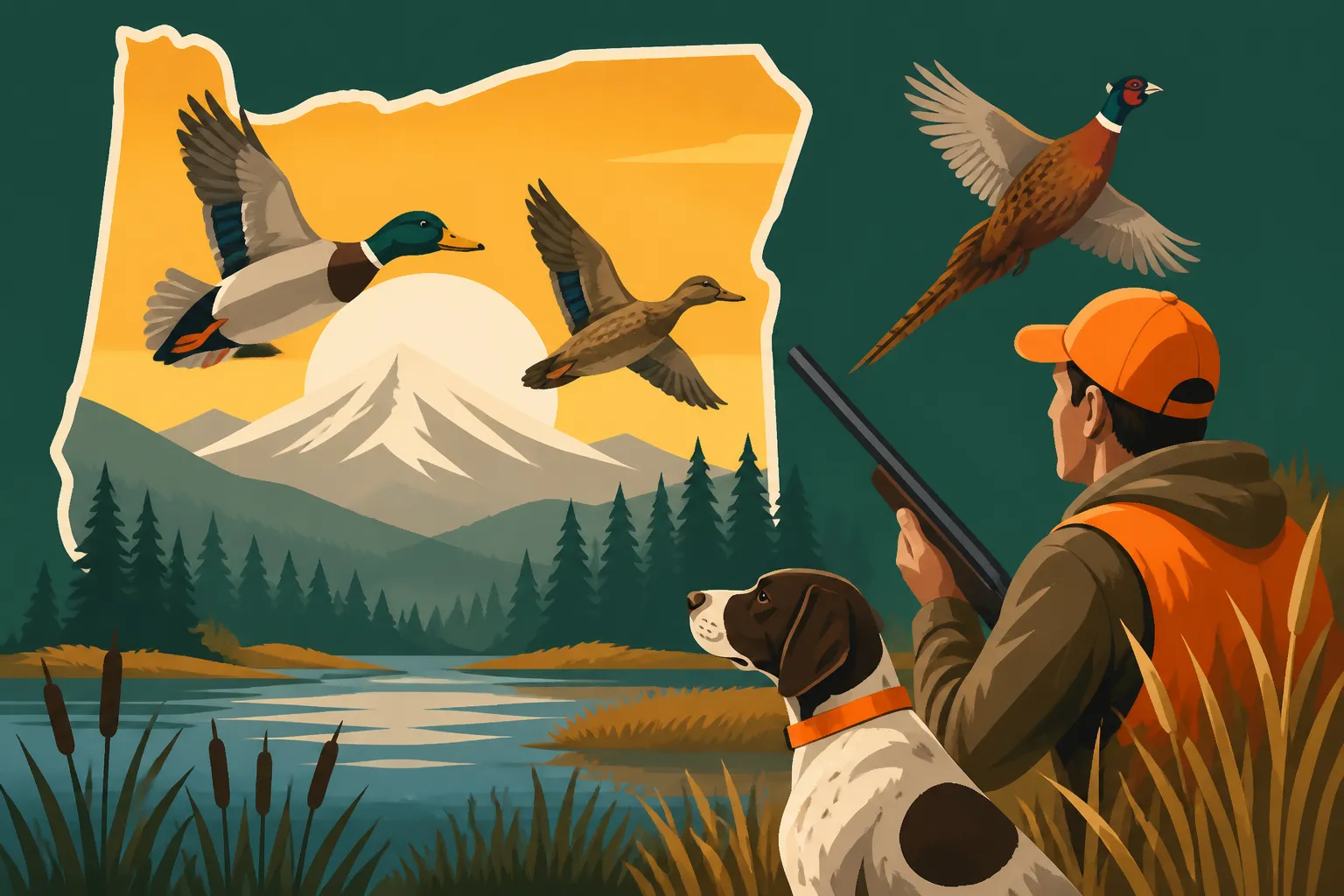
The end of big game season can leave many of us feeling a real pang of emptiness. You’ve spent months scouting, training, and dedicating yourself to deer or elk, and then, just like that, it’s over. The quiet woods feel a little too quiet, and the gear starts gathering dust in the garage. But here in Oregon, the hunting doesn't have to stop when the big game tags are filled or expired. This guide is all about embracing the rich opportunities for waterfowl and upland bird hunting, turning those post-rut blues into a vibrant, active second season.
Why a "Second Season" Matters for Oregon Hunters
That feeling of being done for the year, of packing away your rifle or bow until next fall, can be a real downer. Many of us live for the challenge and camaraderie of hunting, and when the main seasons close, it feels like a big part of our lives goes dormant. But what if it didn't have to? Oregon offers incredible "second season" opportunities with its diverse populations of waterfowl and upland birds, allowing you to extend your time in the field, hone different skills, and explore new corners of our beautiful state.
Extending Your Time in the Field
The beauty of chasing ducks, geese, pheasants, chukar, or grouse is that their seasons often run well into fall and winter, long after the last deer and elk tags have been punched. This means you can easily transition from a crisp November morning tracking a bull elk to a frosty December sunrise waiting for mallards to cup their wings over decoys. It keeps you active, keeps your outdoor senses sharp, and, perhaps most importantly, keeps you connected to the rhythms of nature that we all cherish. There's a profound satisfaction in extending your hunting calendar, finding new challenges, and simply enjoying more days outside with good company or the silent companionship of a loyal bird dog.
Moreover, these seasons often coincide with less crowded periods. While prime elk units can feel like Grand Central Station in early November, many waterfowl and upland spots offer a more solitary experience, especially on weekdays. It’s a chance to decompress, enjoy the peace, and see Oregon's landscapes in a different light – often under dramatic winter skies or through the quiet chill of late fall. Think of it as a natural progression, a way to keep your hunting metabolism high even as the mercury drops.
Different Skills, Different Thrills
Let's be honest, hunting a wily old bull elk or a cagey mule deer buck demands a specific set of skills: patience, keen observation, understanding animal behavior, and often, physical endurance over rugged terrain. Bird hunting, while requiring its own brand of patience and observation, introduces a whole new array of techniques and challenges that can make you a more well-rounded hunter. You'll learn about dog training and handling, wing shooting mechanics, calling sequences for ducks and geese, and how to read subtle changes in habitat that indicate where birds might be holding.
For example, successful waterfowl hunting is as much about understanding weather patterns, water levels, and bird flight paths as it is about proper decoy spreads and blind placement. It's a game of chess against nature, where you're trying to anticipate movement and create an irresistible setup. Upland hunting, on the other hand, is often a more physically demanding endeavor, involving mile after mile of hiking through thick cover or steep canyons, relying heavily on a good dog's nose and a quick, decisive shot when a bird flushes. Both offer a refreshing change of pace and an opportunity to develop expertise in entirely new areas.
Utilizing Unused Licenses and Late Season Opportunities
Many Oregon hunters purchase an annual hunting license or a Sports Pac that includes validation for various game species, and sometimes those bird validations go unused if big game takes precedence. Shifting your focus to waterfowl and upland birds allows you to maximize the value of your annual investment and fully experience the breadth of Oregon's hunting offerings. It's a practical way to ensure you're getting the most out of your commitment to hunting in the state. Don't let those "Oregon Upland Bird Validation" or "Oregon Waterfowl Stamp Requirements" sit dormant!
Beyond the financial aspect, it's about making the most of available game. Oregon's landscapes, from the coastal marshes to the eastern high desert, support robust populations of various birds. By pursuing them, you're tapping into a renewable resource that provides exciting sport and delicious table fare. These late seasons also offer a unique perspective on the land, often revealing areas you might overlook during earlier big game hunts. It’s a chance to explore new public lands and expand your understanding of diverse ecosystems, which in turn can make you a more knowledgeable hunter across the board.
Diving Into Waterfowl: Ducks and Geese in Oregon
Oregon is a major stopover on the Pacific Flyway, making it a premier destination for waterfowl hunting. From the vast grain fields of the Willamette Valley to the coastal estuaries and high desert playas, the state offers incredibly diverse habitats that attract a multitude of duck and goose species. Getting into waterfowl can feel like a big leap from big game, but with the right preparation and a bit of specialized gear, it’s an incredibly rewarding pursuit that fills those long winter months.
Key Waterfowl Species and Their Habitats
When you talk about waterfowl in Oregon, you're primarily looking at ducks and geese. For ducks, mallards are the undisputed kings, but you'll also find abundant wigeon, gadwall, pintail, green-winged teal, shovelers, and various diving ducks like ruddy ducks and buffleheads, depending on the habitat. Geese are dominated by Canada geese, particularly the western Canada goose, but white-fronted geese (specklebellies), snow geese, and even a few cackling geese make their way through. Each species has its preferred haunts and habits.
Mallards, pintail, and wigeon are often found in shallow marshes, flooded fields, and agricultural areas, particularly in the Willamette Valley and along the Columbia River. Diving ducks, as their name suggests, prefer deeper, more open water like large lakes, reservoirs, and coastal bays. Geese, especially Canada geese, are notorious for feeding in agricultural fields, often flying considerable distances between roosting water and feeding grounds. Understanding these preferences is key to success; you wouldn't set up for mallards in deep, open water, nor would you expect divers in a flooded cornfield. For detailed insights, checking out the "Oregon Duck and Goose Flyway Numbers" can provide a strategic edge.
Essential Gear for Web-Footed Pursuits
The gear list for waterfowl hunting is definitely a departure from your deer or elk setup, though some core principles remain. First and foremost, a shotgun is essential, typically a 12-gauge, capable of firing steel or other non-toxic shot (a federal requirement for waterfowl). You'll need plenty of non-toxic ammunition, with shot sizes ranging from 2s and 3s for ducks to BBs and larger for geese. Beyond the firearm, decoys are critical. A spread of a dozen or more mallard decoys is a good starting point for ducks, while goose hunting often requires larger, more numerous decoys.
Waterproof waders are non-negotiable for marsh and shallow water hunting, keeping you dry and warm in often frigid conditions. Camouflage, especially patterns designed for wetlands or agricultural fields, is also crucial. A good blind or natural cover is needed to conceal yourself from sharp-eyed birds. Don't forget a dependable dog if you have one – a well-trained retriever is not only a tremendous asset for recovering downed birds but also a joy to hunt with. Finally, a reliable boat or specialized marsh craft might be necessary to access prime spots, especially in larger wetlands or coastal areas.
Public Access and Prime Waterfowl Zones
Oregon offers a wealth of public land opportunities for waterfowl hunters, especially through its numerous Wildlife Areas managed by the Oregon Department of Fish and Wildlife (ODFW) and various federal refuges. Popular spots include the Sauvie Island Wildlife Area near Portland, known for its diverse duck and goose hunting, though it often requires permits or specific check-in procedures. Other productive areas can be found along the Columbia River, the Willamette Valley's many floodplains, and the expansive high desert wetlands of Eastern Oregon, such as those around Summer Lake.
Private land access can also be excellent, particularly in agricultural areas where geese and ducks feed heavily. Often, these opportunities are found by knocking on doors, joining a hunting club, or hiring a guide. For those willing to put in the scouting time, public waters on rivers, lakes, and even some large irrigation ditches can produce fantastic results. Websites like GoHunt are invaluable for identifying potential public land access points and overlaying them with habitat features. Always check specific area regulations, as some wildlife areas have draw systems, check-in requirements, or restrictions on hunting days.
Upland Bird Hunting: Chukar, Quail, and Grouse
If the idea of sitting in a cold, damp blind isn't quite your cup of tea, then Oregon's upland bird hunting might be your perfect "second season." This pursuit is all about covering ground, working with a dog (or being your own "flushing dog"), and quick reflexes when a bird explodes from cover. From the rugged chukar canyons of the high desert to the dense timber where grouse hide, upland hunting offers an exhilarating, physically active experience that truly immerses you in the landscape.
Oregon's Upland Bird Variety and Preferred Terrain
Oregon boasts a fantastic array of upland birds, each with its own preferred habitat and hunting style. The most famous and challenging is arguably the chukar, found in the steep, rocky, arid canyons of Eastern Oregon. These birds are legendary for their strong legs and even stronger wings, often leading hunters on grueling climbs. California quail, with their distinctive topknots, are abundant in brushy draws, creek bottoms, and agricultural edges across much of the state. Mountain quail, a larger, more elusive species, inhabit denser, higher-elevation brush and timber in the Cascades and Coast Range.
Then there are the grouse: ruffed grouse, found in the alder thickets and timber of Western Oregon, and blue (dusky) grouse, which prefer the higher-elevation conifer forests. Pheasants, while less common on true public land, can be found in agricultural areas, often requiring private land access or hunting on designated release sites. Each bird presents a unique challenge, from the chukar's incredible ability to run and fly downhill, to the explosive flush of a ruffed grouse that leaves you with split-second decision-making. Knowing the specific habitat requirements for each species, as detailed in articles like "Chukar and Quail Country in Oregon" or "Ruffed Grouse in Oregon Forests", is absolutely essential for success.
Shotguns, Dogs, and Footwear for Upland Success
For upland bird hunting, lighter, faster-swinging shotguns are generally preferred. A 20-gauge or even a 28-gauge can be an excellent choice, though a 12-gauge is perfectly adequate. Smaller shot sizes, like 6s or 7.5s, are common for most upland species, providing a dense pattern without overkill. Unlike waterfowl, lead shot is generally legal for upland birds in Oregon, though checking specific land regulations is always wise.
A good bird dog, whether a pointer or a flushing retriever, is a game-changer for upland hunting. Their keen nose and unwavering dedication can turn a tough day into a memorable one, locating birds you would undoubtedly walk past and retrieving downed game. Even if you don't have a dog, persistence and a systematic approach to covering ground can still yield results. Crucial personal gear includes sturdy, comfortable boots – expect to hike miles in often steep and unforgiving terrain, so "Chukar Country Footwear and Fitness" isn't just a suggestion, it's a requirement. Brush pants or chaps are highly recommended to protect against thorns and heavy cover, and a comfortable bird vest or backpack with plenty of water is essential.
Finding Public Land Upland Hotspots
Oregon offers extensive public land for upland bird hunting, particularly in the national forests and BLM lands of Eastern Oregon for chukar and high desert quail. The vast expanses of the Ochoco, Malheur, and Umatilla National Forests, for instance, hold good numbers of forest grouse and provide ample opportunity for the adventurous hunter. For quail, look for brushy draws near water sources on BLM land throughout Central and Eastern Oregon.
While pheasants are scarce on general public land, ODFW operates several pheasant release sites, primarily for youth and novice hunters, which offer opportunities to pursue these birds. In Western Oregon, national forests and state forests like the Tillamook and Santiam State Forests hold good populations of ruffed and mountain grouse. Scouting is paramount, and utilizing tools like GoHunt or OnX Hunt to identify potential habitat, water sources, and access points can save countless hours of aimless wandering. Remember, successful upland hunting is often about finding less-pressured areas where birds feel safe, so getting off the beaten path is usually key.
Navigating Regulations and Licensing for Birds
Just like big game, bird hunting in Oregon comes with its own set of rules and regulations. It's not enough to simply know where the birds are; you have to understand the specific license requirements, season dates, bag limits, and shooting hours to ensure a legal and ethical hunt. Overlooking these details can lead to fines, lost opportunities, and a tarnished reputation for all hunters.
Understanding Oregon's Migratory Bird and Upland Stamps
Before you even think about heading out, make sure your licensing is in order. For all migratory waterfowl (ducks, geese, coots, snipe), you'll need a valid Oregon hunting license, an Oregon Waterfowl Validation, and a federal Migratory Bird Hunting and Conservation Stamp (often called the Federal Duck Stamp). The federal stamp is purchased separately and must be signed across its face. For upland birds (chukar, quail, grouse, pheasant, dove, partridge), you'll need a valid Oregon hunting license and an Oregon Upland Bird Validation. Some species, like doves and pigeons, may also require specific federal Harvest Information Program (HIP) validation.
It's crucial to understand that these validations are not just formalities; they contribute directly to conservation efforts, habitat preservation, and population management. The funds generated from these stamps and validations are vital for ensuring healthy bird populations and maintaining hunting opportunities for future generations. Always check the current year's Oregon Game Bird Regulations pamphlet, as rules can change annually.
Bag Limits, Shooting Hours, and Ethical Practices
Oregon sets specific bag limits and possession limits for each species of waterfowl and upland bird. These limits vary by species and sometimes by zone, so pay close attention. For example, the mallard bag limit might be 7, but only 2 or 3 of those can be hens. Canada goose limits can change based on subspecies and location. Exceeding these limits is a serious offense. Shooting hours for waterfowl typically begin 30 minutes before sunrise and end at sunset, while upland birds often have similar or slightly adjusted windows. Using a tracking light legally at night in Oregon is restricted, generally not permitted for taking game.
Ethical hunting practices are paramount. This includes only taking clean, ethical shots, making every effort to retrieve downed birds, respecting private property boundaries, and leaving no trace. Knowing "Oregon's 300-Foot Rule Beside an Open Road" is also critical to avoid hunting too close to roadways where it's unsafe or illegal. Be mindful of other hunters, landowners, and non-hunters using public land. Sharing the resource responsibly ensures that these opportunities remain available for everyone. Additionally, understanding and avoiding baiting (which is illegal for waterfowl) and respecting refuge boundaries are non-negotiable aspects of ethical waterfowl hunting.
Critical Dates and Season Overlaps
Bird seasons in Oregon are often quite complex, with different opening and closing dates for various species and management zones. Waterfowl seasons are typically split into early and late segments, sometimes with special youth or veteran hunts. Upland bird seasons generally open in early fall and run through late winter. It's vital to consult the official ODFW Game Bird Regulations pamphlet for the exact dates each year, as they are subject to change based on population surveys and federal guidelines.
One of the great advantages of a "second season" is the potential for overlap. You might find yourself able to pursue forest grouse in the morning and then head to a nearby field for pheasants in the afternoon. Or, after the main deer season closes, you can transition directly into the prime duck hunting of late November and December. Planning your hunts with an eye on these overlaps can maximize your time afield. Resources like the ODFW website and detailed hunting apps (GoHunt is great for this) are indispensable for keeping track of these critical dates and ensuring you're hunting legally within specific zones.
Preparation and Strategy for Avian Hunts
Transitioning from big game to bird hunting isn't just about changing your gear; it's about shifting your mindset and learning new strategies. While the foundational principles of scouting and understanding animal behavior remain, the tactics employed for ducks, geese, and upland birds are distinctly different and require specific preparation.
Scouting Beyond Big Game Expectations
Your big game scouting skills will translate, but with a different focus. Instead of looking for rubs, scrapes, or bedding areas, you'll be identifying water sources, food plots, flight corridors, and dense cover. For waterfowl, this means observing bird activity: where they're feeding, where they're roosting, and the routes they use between the two. Driving rural roads at dawn and dusk, looking for concentrations of birds, is a simple yet effective scouting method. Pay attention to changes in water levels, recent harvests in agricultural fields, and weather patterns. A good resource like GoHunt can layer satellite imagery with public land boundaries to help identify prime feeding and resting areas for waterfowl.
Upland scouting involves identifying specific habitat features. For chukar, this means steep, rocky, south-facing slopes with cheatgrass and water sources. Quail will be in brushy draws, often near agricultural fields or riparian zones. Grouse prefer specific timber types and understory. This kind of scouting often requires boots on the ground, hiking potential areas to look for sign (feathers, droppings) and, more importantly, to understand the terrain you'll be hunting. Look for areas with a mix of cover, food, and water.
Decoys, Calls, and Camouflage for Waterfowl
Waterfowl hunting is often a game of deception. Your decoy spread is your primary tool for luring birds within shooting range. The size and type of spread depend on the species you're targeting and the water you're hunting. For ducks on smaller ponds, a dozen or two mallards might be plenty, placed in a "J" or "U" pattern to create a landing zone. For geese in large fields, you might need dozens of full-body decoys to mimic a feeding flock. Consider motion decoys, like spinning wing ducks, which can be incredibly effective at grabbing attention.
Calling is another essential skill. Learning basic mallard calls, goose honks, and perhaps even pintail whistles can significantly increase your success. Practice is key, as is knowing when to call and when to be silent. Over-calling can be just as detrimental as not calling enough. Finally, camouflage that blends with your surroundings is vital. Whether it's marsh grass patterns for a blind, cornstalk camo for a field hunt, or plain dark clothing for a dark timber setup, minimizing your profile and blending in will make a huge difference.
Reading Terrain and Bird Behavior for Uplanders
Upland hunting is less about static deception and more about dynamic pursuit. Learning to read the terrain is crucial. For chukar, this means understanding how they run uphill and fly downhill, and how to position yourself to cut them off. For quail, it's knowing to work the edges of cover and how they'll often hold tight before flushing. For grouse, it's about systematically working through dense timber or brush patches, anticipating where a bird might be holding and where it will fly when flushed.
Understanding bird behavior also means knowing when and where to find them throughout the day. Chukar might be on south-facing slopes in the morning sun, then move to shadier draws later. Quail often feed early and late, loafing in thick cover midday. Grouse can be found feeding on berries or buds. A well-trained dog will often tell you where birds are, but even without one, paying attention to subtle clues – a quick flutter of wings, a flash of color, or soft clucking sounds – can lead you to success. The more time you spend in the field, the more intuitive your understanding of "Reading Clearcut Edges for Blacktail Bucks" (though for birds, you're looking for different edges) or other specific habitat cues becomes.
| Feature / Aspect | Waterfowl Hunting (Ducks & Geese) | Upland Bird Hunting (Chukar, Quail, Grouse) |
|---|---|---|
| Primary Habitat | Marshes, flooded fields, rivers, lakes, estuaries, agricultural fields | Steep canyons, brushy draws, timber, sagebrush, open rangeland, forest edges |
| Typical Gear | 12-gauge shotgun, waders, decoys, calls, blind, non-toxic shot | Lighter shotgun (12, 20, 28-gauge), sturdy boots, brush pants, bird vest, lead shot (usually) |
| Key Skillset | Decoy placement, calling, blind concealment, reading flight patterns | Dog handling, walking/hiking endurance, quick wing shooting, reading cover |
| Physical Demands | Often less physically demanding (sitting in blind), but can involve hauling gear or boats | High physical demands (walking miles in rugged terrain), climbing steep slopes |
| Season Timing | Generally late fall to late winter | Early fall to late winter, often overlapping big game seasons |
| Social Aspect | Often group-oriented (multiple hunters in a blind) | Can be solitary or with a small group, often with a dog |
| Common Species | Mallard, Wigeon, Gadwall, Pintail, Canada Goose, Snow Goose | Chukar, California Quail, Mountain Quail, Ruffed Grouse, Blue Grouse, Pheasant |
| Access Needs | Water access (boat/waders), private land permission for fields | Extensive public land (Forest Service, BLM), sometimes private land |
| Main Challenge | Decoying wary birds, managing weather, legal restrictions | Locating birds, navigating difficult terrain, quick shots on flushing birds |
Disclaimer
Hunting is a challenging and rewarding activity that requires adherence to strict regulations and safety protocols. The information provided in this guide is for informational purposes only and is not a substitute for the official Oregon Department of Fish and Wildlife (ODFW) regulations. Always consult the current year's ODFW hunting regulations pamphlet, relevant federal regulations, and local ordinances before engaging in any hunting activities. Ensure you have all required licenses, validations, and stamps. Hunter safety education is mandatory for most hunters in Oregon, and continuing education is always recommended. Be aware of private property boundaries, fire restrictions, and all public land rules. Your safety and ethical conduct are your responsibility.