Choosing Between Two Oregon Outfitters
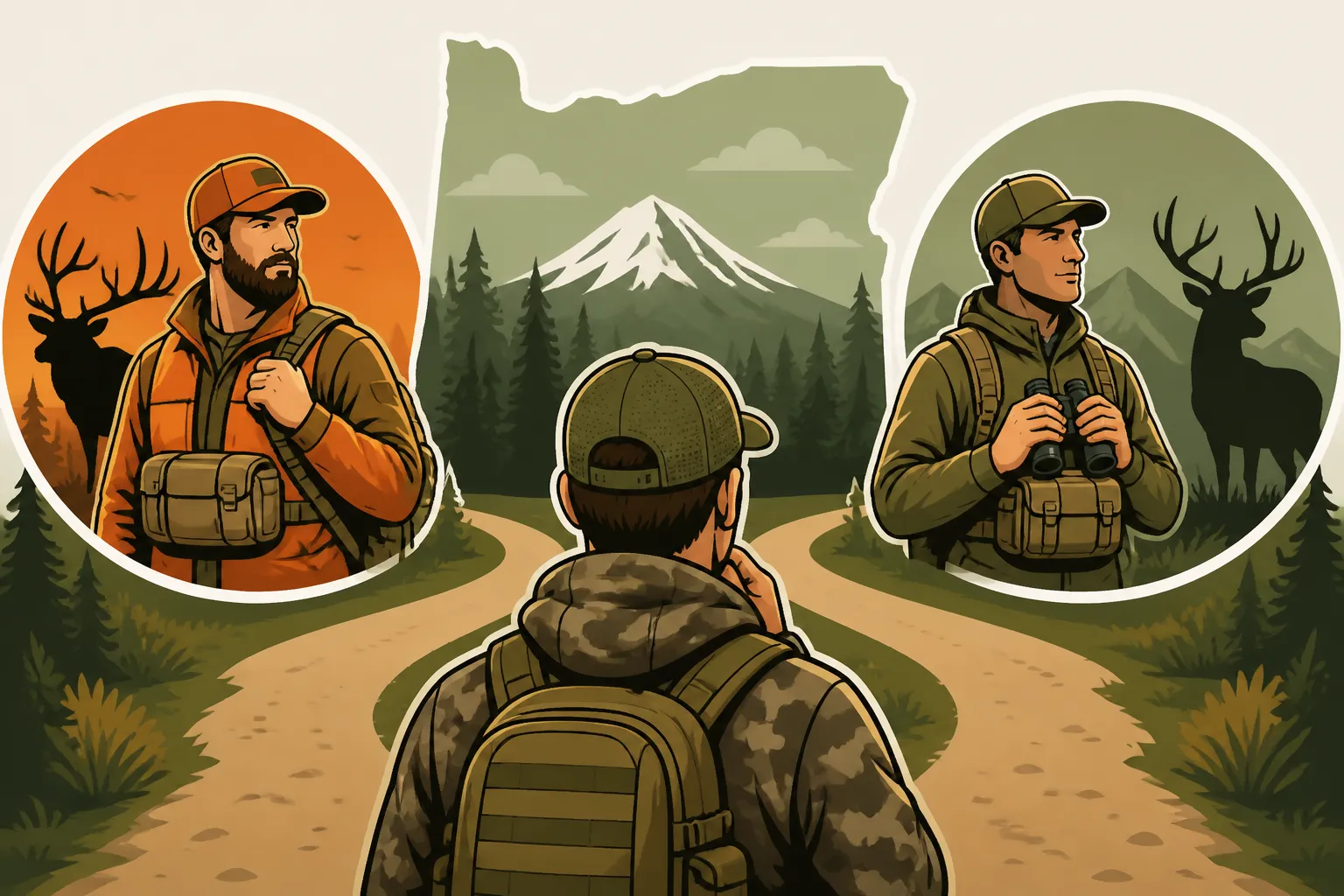
Choosing an outfitter for your dream hunt in Oregon can feel like trying to pick the best berry from a patch full of unknowns – exciting, but also a little overwhelming, especially when you've narrowed it down to two seemingly great options. You've likely invested time, energy, and a significant amount of hope into finding the right partner for your adventure, and now you’re staring at two excellent choices, unsure how to make that final, critical decision. This guide will walk you through a detailed process, beyond just the surface, to help you confidently select the Oregon outfitter that's truly the best fit for your hunting style, expectations, and budget.
Beyond the Brochure: Initial Vetting and Red Flags
It’s easy to get swept up in beautiful photos and compelling stories on an outfitter's website, but making an informed decision requires digging deeper. The initial vetting stage is all about separating the glossy marketing from the gritty reality, and making sure both contenders are legitimate and align with your fundamental needs.
Online Presence and First Impressions
When you first encounter an outfitter online, what's your gut reaction? Is their website professional and informative, or does it look like it hasn't been updated since the turn of the century? A strong, clear online presence often reflects a well-organized business. Look for detailed descriptions of their hunts, clear pricing (or at least a clear process for getting it), and consistent communication across their platforms. Do they have an active social media presence where they share recent hunts and interact with clients? This isn't just about aesthetics; it's about transparency and dedication. An outfitter who takes pride in their online image usually takes pride in their business operations too. You can also explore platforms like BookYourHunt, which often consolidate information and reviews, giving you a wider lens than just the outfitter's own site. If one outfitter has a hard-to-find, sparse online presence compared to another, that's a subtle but important piece of data.
Moreover, pay attention to the details of their offerings. Are they clear about which units they operate in, what species they specialize in, and what dates they offer? If an outfitter seems vague about these critical elements, it might be a sign of disorganization or even a lack of experience in certain areas. You want an outfitter who clearly outlines what to expect, leaving less room for surprises down the line.
Checking Credentials and Legality
Before you even think about putting down a deposit, confirm that both outfitters are fully legitimate and compliant with Oregon state regulations. Oregon Guide Registration Through the Marine Board is mandatory for anyone guiding on Oregon lands. This isn't just a formality; it ensures they meet certain safety, insurance, and professional standards. Ask for their Oregon Marine Board registration number. A reputable outfitter will readily provide this information. If they hesitate or claim it's not necessary, that's a massive red flag you shouldn't ignore.
Beyond state registration, if they operate on federal public lands like National Forests or BLM, they need special use permits. This often requires them to adhere to specific operational guidelines, which can be an added layer of assurance for clients. Don't be shy about asking if they hold these permits for the areas you'll be hunting. This due diligence protects you from potential legal issues and ensures you're dealing with a professional, ethical operation.
Success Rates: Understanding the Numbers
Everyone wants to book with an outfitter boasting 100% success, but if it sounds too good to be true, it probably is. Reading Outfitter Success Rates requires a critical eye. First, clarify what "success" means to them. Is it killing an animal (harvest success), or merely having an opportunity to shoot (opportunity success)? These are vastly different metrics. A high opportunity rate is certainly good, but a 100% harvest rate is statistically unlikely and often implies selective data presentation. Ask for their success rates over the last 3-5 years, broken down by species and hunt type, and specifically ask if it’s opportunity or harvest based.
Also, consider the context. Are their success rates for general season hunts or high-preference-point controlled hunts where drawing a tag is half the battle? Hunts in premium units or on private land often naturally have higher success rates than public land general season hunts. An outfitter guiding in tough public land units with a 30-40% harvest rate might actually be doing a fantastic job, whereas an outfitter on exclusive private ground with the same rate might be underperforming. The transparency around these numbers is key, and if one outfitter is significantly less forthcoming or seems to inflate their figures, that's a point against them.
Deep Diving into the Details: What to Ask
Once you’ve established that both outfitters are legitimate and have a generally good reputation, it’s time to drill down into the specifics. This is where you really start to compare what each offers and how they operate.
Communication Style and Responsiveness
Consider how each outfitter communicates. Have they been prompt and thorough in answering your emails and calls? Do they seem genuinely interested in understanding your goals for the hunt, or do they give canned responses? Good communication before the hunt is a strong indicator of what you can expect during the hunt. If one outfitter takes days or weeks to respond, or provides vague answers to specific questions, that can be a major source of frustration later on. Imagine being in the field and needing crucial information, only to face the same delays.
A great outfitter will be proactive, sending you gear lists, physical training recommendations, and detailed itineraries. They'll ask about your physical capabilities, your preferred hunting style (do you like to sit and glass, or cover miles still-hunting?), and what you hope to achieve. This shows they’re invested in matching the hunt to your expectations, not just running a one-size-fits-all operation. You can learn a lot from the initial conversations. Questions to Ask an Oregon Outfitter should cover everything from camp logistics to emergency plans.
Hunt Logistics and What's Included
It’s crucial to understand precisely what each outfitter includes in their package. The quoted What an Oregon Guided Elk Hunt Costs can vary wildly, and often the difference comes down to inclusions. Do they provide lodging and meals, or is it a drop camp where you bring your own food? Is transportation during the hunt covered? What about field dressing, caping, and packing out the animal? Some outfitters include basic meat care, while others might charge extra for extensive quartering or packing services, especially in rugged terrain.
Make a detailed list and compare it item by item for both outfitters.
- Meals and Lodging: Wall tents, cabins, hotel stays? Gourmet cooking or basic camp meals?
- Transportation: From meeting point to camp, and within the hunting area.
- Guide-to-Hunter Ratio: Is it one-on-one, two-on-one, or a larger group? This significantly impacts personalized attention.
- Meat Handling: Field dressing, quartering, packing to a trailhead, or all the way to a processor?
- Trophy Care: Caping, initial salting, skull cleaning?
- Permits/Fees: Are any access fees for private timber land or special use permits included in the price, or are they an additional cost you need to factor in?
Discrepancies here can make one "cheaper" outfitter significantly more expensive once you add everything up. Don't assume anything; get it in writing.
References: The Gold Standard
Talking to past clients is arguably the most valuable step in your decision-making process. Ask both outfitters for a list of 3-5 recent references – clients who hunted the same species and type of hunt you're interested in, ideally within the last year or two. Don’t just ask for references; call them. Getting References From Past Clients is essential.
When you call, ask specific, open-ended questions:
- "What was the outfitter's biggest strength? What was their biggest weakness?"
- "Did the hunt meet your expectations based on what was promised?"
- "How was the food, lodging, and overall camp atmosphere?"
- "How knowledgeable were the guides about the area and the animals?"
- "Were there any hidden costs or surprises?"
- "Would you hunt with them again?"
- "How well did they communicate before, during, and after the hunt?"
Listen not just to what they say, but how they say it. Enthusiasm is a great sign. Hesitation or lukewarm responses can be telling. If one outfitter is reluctant to provide references, or only gives you outdated ones, consider that a major red flag.
Evaluating the "Feel" and Fit: Your Hunting Style
Hunting isn't just about bagging an animal; it's about the experience. The "feel" of an outfitter's operation and how well it aligns with your personal hunting style and expectations can be the deciding factor between two equally competent guides.
Matching Your Hunting Style
Are you a hardcore backpack hunter who thrives on covering miles in rugged terrain, or do you prefer a more comfortable camp with vehicle access and shorter walks? Do you want a high-adrenaline spot-and-stalk experience, or are you hoping for a strategic stand hunt? Outfitters often have a particular methodology or terrain they excel in. One might be known for aggressive, physically demanding wilderness hunts for elk, while the other might focus on more accessible blacktail hunts in timber country.
Think about the species you're after. If it's elk, are you chasing Roosevelt elk in the dense, wet coastal range or Rocky Mountain elk in the more open, high desert country? These hunts require vastly different approaches, gear, and physical conditioning. Ask both outfitters to describe a typical day on your type of hunt. Their answers should paint a clear picture of the pace, the effort involved, and the tactics employed. If one outfitter's description excites you more or aligns better with your vision of the hunt, that's a strong indicator. For instance, if you're keen on Calling Bull Elk During Oregon's Archery Season, you'll want an outfitter with proven success in that specific technique, not just general hunting.
Camp Culture and Expectations
The atmosphere in camp can make or break a hunt, especially on multi-day trips. Do you prefer a quiet, reserved camp, or one with lively camaraderie? Ask about the typical number of hunters in camp at one time and the overall dynamic. Some outfitters run larger camps, which can be fun for some, but overwhelming for others who seek a more intimate experience.
Discuss things like alcohol policy, use of electronics, and general camp etiquette. Are you expected to help with camp chores, or is it a fully serviced experience? These seemingly small details can greatly impact your comfort and enjoyment. If you're a quiet individual looking for solitude, a boisterous camp might not be the best fit, even if the hunting is top-notch. Likewise, if you enjoy sharing stories and laughter around a campfire, a silent camp could feel isolating.
Physical Demands and Guide Experience
Be brutally honest with yourself about your physical fitness and openly discuss this with both outfitters. Physical Training for an Oregon Elk Hunt isn't a suggestion, it's a requirement for many hunts. Will the hunt involve steep climbs, long hikes, or navigating dense blowdown? Will you be covering ground in rain, snow, or intense heat? An ethical outfitter will want to know your capabilities to ensure they can provide a safe and successful experience.
Also, inquire about the experience level of the actual guides who will be with you in the field. Sometimes the head outfitter is highly experienced, but their junior guides might be less so. Ask if you'll be with the primary outfitter or one of their team, and what their individual experience is in the unit you'll be hunting. This is particularly important for specialized hunts or challenging terrain. You need to be confident that the person leading you understands the nuances of the area and the animals.
Making the Final Call: Trusting Your Gut
After all the research, questions, and comparisons, it often comes down to a feeling. This final stage is about synthesizing all the information and making a confident choice.
The Contract: Read Every Word
Once you've narrowed it down, both outfitters should provide a contract. This document is your legal protection and outlines the terms of your agreement. Don't skim it. Read every single clause carefully. Pay close attention to sections on deposits, payment schedules, cancellation policies, and what happens in the event of unforeseen circumstances like weather closures or emergencies. Guide Contracts and Deposits in Oregon can vary significantly.
Look for clarity on:
- Refund Policy: What if you have to cancel? What if the outfitter cancels?
- Weather Clause: What happens if severe weather impacts the hunt? Is there a reschedule option or refund?
- Liability: What are your responsibilities and the outfitter's?
- Meat/Trophy Clause: Reiterate who is responsible for what after the kill.
- Trophy Fees: Are there any additional fees for larger animals or specific antler configurations?
If anything in the contract is unclear, ask for clarification before signing. A fair and transparent contract is a hallmark of a professional operation. If one contract seems overly vague, one-sided, or contains clauses you're uncomfortable with, that's a serious consideration. Red Flags When Booking a Hunt can often be found hidden in the fine print.
Trusting Your Instincts
You've done your homework. You've vetted, asked questions, and checked references. Now, step back and consider your overall impression of each outfitter. Which one did you feel a stronger connection with? Which one inspired more confidence and trust during your conversations? Sometimes, despite all the facts lining up, one just feels right. This isn't a scientific metric, but it's a powerful one. Your gut instinct, especially after thorough research, is often accurate.
Consider the responsiveness, professionalism, and genuine interest shown by each outfitter throughout your interactions. Did one make you feel like a valued client, while the other treated you more like just another booking? This emotional connection to your guide can significantly impact your overall hunting satisfaction, regardless of whether you harvest an animal. Remember, you'll be spending a significant amount of time, often in close quarters, with this person.
Final Decision Checklist
To help bring it all together, here’s a quick checklist to compare your two top choices. Fill this out for each outfitter and see which one scores higher or aligns better with your priorities.
| Criterion | Outfitter A Rating (1-5, 5=best) | Outfitter B Rating (1-5, 5=best) | Notes / Personal Preference |
|---|---|---|---|
| Online Presence / Professionalism | |||
| ODFW/Marine Board Registration | (Non-negotiable: must be verified) | ||
| Success Rate Transparency | Opportunity vs. Harvest | ||
| Communication & Responsiveness | |||
| Inclusions (Meals, Lodging, etc.) | Any hidden costs? | ||
| Reference Feedback | Overall sentiment from past clients | ||
| Alignment with Hunting Style | Physically demanding? Tactics? | ||
| Camp Culture & Comfort | Intimate vs. large group | ||
| Guide Experience in Unit | |||
| Contract Clarity & Fairness | Cancellation, refunds, liability | ||
| Overall "Gut Feeling" | |||
| Price (Value for Money) |
This structured comparison can help you visualize the strengths and weaknesses of each option. Perhaps one outfitter is slightly more expensive but offers significantly better inclusions and communication, making them a better value in the long run. Maybe their access to specific units, verifiable through tools like GoHunt for unit data, is a huge draw. Don't forget about considering Hunt Insurance Worth Buying, especially for high-cost trips, as it can mitigate risks regardless of which outfitter you choose.
Ultimately, choosing an outfitter for your Oregon adventure is a deeply personal decision. By systematically evaluating each option, asking the right questions, and listening to your intuition, you can confidently select the guide who will help you create the hunting memories of a lifetime.
Disclaimer
This article is for general informational purposes only and does not constitute professional advice. Laws, prices and regulations vary by location and change over time. Consult a qualified professional for guidance on your specific situation.