Questions About Camp Conditions
You've finally pulled the trigger on that dream Oregon hunting trip, booked an outfitter, and the anticipation is building. But amidst all the excitement about chasing elk or deer, a nagging question might start to creep in: what exactly are the camp conditions going to be like? It's a valid concern, because how you eat, sleep, and unwind after a long day in the field can profoundly impact your hunt. This guide is all about helping you ask the right questions so you arrive prepared and know exactly what to expect from your Oregon hunting camp, ensuring your focus stays where it belongs: on the hunt itself.
Understanding Different Camp Styles in Oregon's Backcountry
Oregon's vast and varied landscape offers a huge range of hunting experiences, and with that comes a diverse array of camp styles. From deep wilderness spike camps to more comfortable lodge-based operations, each offers a unique set of pros and cons. Knowing what type of camp you're heading into is the first step in managing your expectations and packing appropriately.
Primitive Spike Camps and Bivouacs
When you hear "spike camp," think minimal, portable, and often temporary. These camps are typically set up close to where the hunting is hottest, sometimes a long way from the nearest road. They're designed for mobility and stealth, allowing hunters to stay right in the game's territory for several days without having to hike back to a main camp. You might be sleeping in a small tent, under a tarp, or even just a bivy sack, with only the most essential gear. Food is usually dehydrated or simple, requiring minimal cooking. If you're tackling something like Packing Out an Elk in Oregon's Wilderness Units, a spike camp is often part of the strategy.
These camps demand a certain level of physical fitness and a willingness to forgo creature comforts. You'll likely be dealing with uneven ground, changing weather, and very basic sanitary arrangements. Outfitters using spike camps are typically focused on maximizing hunting time in remote areas, and the camp itself is purely a functional necessity. While it might sound daunting, the reward is often unparalleled access to undisturbed game and a truly immersive backcountry experience.
Wall Tent and Established Base Camps
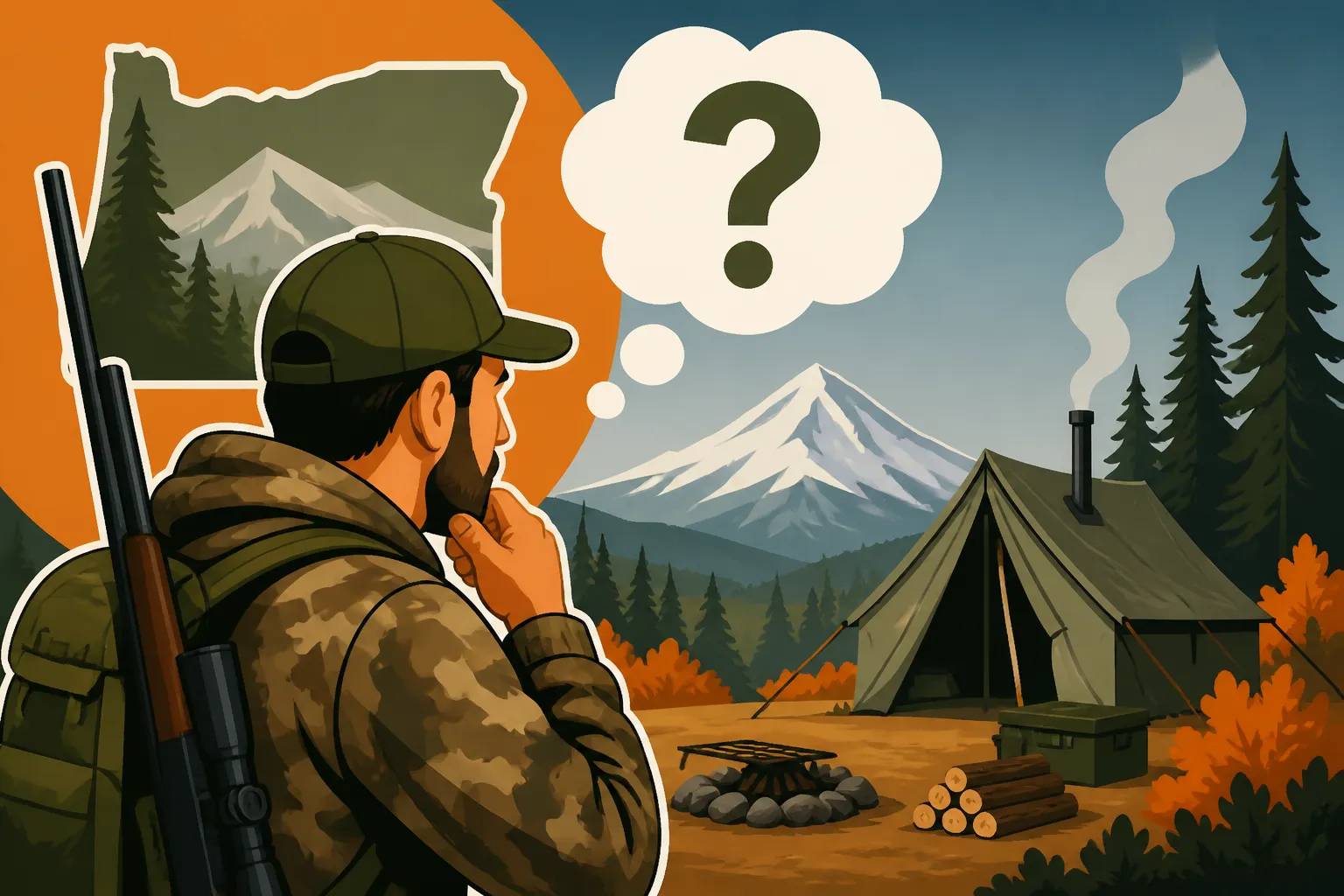
A step up from the primitive spike camp is the more established base camp, often featuring sturdy wall tents. These are common for multi-day trips where hunters return to a central location each evening. Wall tents offer significantly more space and protection from the elements, often equipped with wood stoves for warmth, cot beds, and even a dedicated cooking tent. You might find yourself in one of these if you're on a guided trip that involves Multi-Day Camps in Oregon's Roadless Country.
These camps can still be quite remote, but they provide a much better environment for drying gear, getting a good night's sleep, and enjoying more substantial meals. They strike a balance between getting into good hunting country and having a comfortable place to recharge. When speaking with an outfitter, it's vital to clarify the setup – are there cots? How is heating handled? Is there a separate eating area? Don't assume anything beyond the basic shelter. If you're looking into resources on GoHunt for planning a longer trip, remember to factor in the logistics of setting up and maintaining a base camp like this.
Lodge or Cabin Accommodations
At the other end of the spectrum are hunts that offer lodge or cabin accommodations. These are typically on private ranches or properties with amenities like running water, electricity, flush toilets, and often home-cooked meals. This style offers the most comfort and is less physically demanding in terms of camp life. You get to enjoy hot showers, comfortable beds, and often a shared common area for relaxing.
While these camps might not offer the deep wilderness immersion of a spike camp, they can be an excellent choice for hunters who prioritize comfort, have physical limitations, or simply want to focus solely on the hunting without worrying about camp logistics. They're also a popular option for non-hunting companions who might want to enjoy the scenery without roughing it. Of course, this level of comfort often comes with a higher price tag, so be sure to discuss all costs involved, including any Trophy Fees on Oregon Guided Hunts.
Key Questions to Ask Your Outfitter About Comfort and Logistics
When you're vetting outfitters, especially through platforms like BookYourHunt, don't shy away from asking detailed questions about their camp. A good outfitter will be transparent and happy to provide all the information you need. Remember, your comfort and safety contribute directly to the success and enjoyment of your hunt.
Sleeping Arrangements and Comfort
This is probably one of the biggest factors for most hunters. Nobody wants to be miserable and sleep-deprived when they're trying to perform in the field. Ask directly:
- What type of sleeping accommodations are provided? (Tent, cabin, lodge, bivy?)
- Will I have my own tent/room, or will I be sharing? If sharing, how many people per tent/room?
- Are cots or sleeping pads provided? If so, what kind? If not, you'll need to bring your own, which impacts your packing list, especially for something like Horse and Llama Packing Into Oregon Backcountry.
- Is heating available in the sleeping areas? (Wood stove, propane, electric?) What are the hours for heating? This is critical for late-season hunts or high-elevation camps.
- What should I bring for bedding? Some outfitters provide sleeping bags; others expect you to bring your own. Clarify temperature ratings.
Understanding these details will help you prepare mentally and physically, ensuring you bring the right gear, like a sleeping bag rated for colder temperatures if you're heading into a tent camp in the mountains.
Food and Drink Provisions
Fueling your body properly is essential for sustained energy during a physically demanding hunt. The quality and type of food can vary widely. Don't assume gourmet meals; realistic expectations are key.
- What kind of meals are served? (Hot breakfasts, sack lunches, hot dinners?)
- Are snacks and drinks provided throughout the day?
- Can the outfitter accommodate dietary restrictions or allergies? Make sure to mention these well in advance of your trip.
- What are the arrangements for drinking water? Is it bottled, filtered from a natural source, or tap water from a well? How accessible is it throughout the day?
- Is alcohol permitted in camp? Some outfitters have strict policies, while others allow moderate consumption after hunting hours.
Imagine coming back to camp after a grueling day tracking game through thick timber in the Trask Unit Coast Range Access. A warm, hearty meal and plenty of hydration can be a game-changer. Conversely, a lack of good food can quickly drain your energy and morale.
Hygiene and Sanitation Facilities
This is where expectations can really diverge. Some hunters are perfectly comfortable with digging a cat hole, while others prefer more civilized options. Knowing the setup is crucial for your personal comfort and health.
- What are the toilet facilities? (Outhouse, pit toilet, portable toilet, flush toilet, or backcountry "leave no trace" methods?)
- Are shower facilities available? If so, what kind (hot, cold, communal, private)? What are the hours of operation?
- Is there a dedicated area for washing hands or doing light laundry?
- What are the rules and provisions for waste disposal? This includes food waste, garbage, and human waste, especially important in wilderness areas.
In Oregon's dense forests, staying clean can be a challenge. If you're worried about keeping your Rain Gear That Actually Stays Dry and your body relatively fresh, these questions are non-negotiable.
Power and Communication
In our increasingly connected world, even hunters who crave solitude often need to charge devices or check in with family.
- Is there electricity or charging stations available in camp? If so, for how long and what type of outlets? (12V, 110V?)
- Is there cell service at camp? If not, are there satellite phones or other communication devices available for emergencies? If you're deep in the Eagle Cap Wilderness Hunting Access, cell service is highly unlikely.
- What is the outfitter's policy on personal electronic devices? Some camps might encourage you to unplug.
This information helps you decide if you need to pack a portable power bank, solar charger, or even a satellite messenger for personal use and emergencies. For example, knowing the power situation will influence whether you can keep your headlamp charged for Packing Meat Out in the Dark.
Preparing for the Unexpected: Hygiene, Safety, and Gear Considerations
Even with all your questions answered, the backcountry can throw curveballs. Being prepared for varying conditions, having essential safety gear, and packing smartly are paramount.
Weather Preparedness
Oregon weather is notoriously unpredictable, especially in the mountains or along the coast. A sunny morning can turn into a torrential downpour or a sudden snowstorm in a matter of hours.
- Ask your outfitter about typical weather patterns for your hunt dates and location. While they can't predict the future, they can give you a general idea.
- Pack in layers. This is fundamental for hunting in Oregon. You'll likely experience a wide range of temperatures throughout a single day.
- Invest in high-quality rain gear. This cannot be stressed enough. Wet gear means a miserable, cold hunt, and potentially a dangerous one. Your rain gear needs to actually stay dry.
- Bring waterproof footwear. Whether you're in the coastal rainforest or crossing sagebrush after a rain, wet feet are a fast track to discomfort and potential injury. Consider options that work for Boots for Wet Coastal Hunting or the rocky terrain of Eastern Oregon.
It's better to over-prepare for weather than to be caught off guard. You can always shed layers, but you can't conjure up a waterproof jacket when you're soaking wet miles from camp.
Safety and Emergency Protocols
No one wants to think about emergencies, but being aware of the protocols can provide peace of mind and, in a critical situation, save lives.
- What is the outfitter's emergency communication plan? How do they handle medical emergencies or serious injuries in remote areas?
- What are the nearest medical facilities, and how long would it take to get there from camp?
- Does the outfitter carry a comprehensive First Aid Kit Items for a Remote Hunt? Do they have staff certified in wilderness first aid?
- Are there any specific safety rules or concerns for the camp area? (Wildlife, fire hazards, uneven terrain, etc.)
- What are the rules regarding firearms in camp? Some outfitters require firearms to be unloaded and cased in camp.
Understanding these protocols allows you to assess the outfitter's preparedness and make sure you're comfortable with their safety measures. It's also a good idea to leave a trip plan with someone at home, detailing your general location and expected return date, especially if communication will be sparse.
Essential Gear for Camp Life
Beyond your hunting-specific gear, some items are solely for enhancing your camp experience.
| Item Type | Why It's Essential | Considerations |
|---|---|---|
| Personal Lighting | Critical for navigating camp in the dark, reading, or late-night tasks. | Headlamp with extra batteries; small lantern for inside tent. |
| Camp Footwear | Allows your hunting boots to dry, provides comfort for tired feet. | Crocs, camp booties, or lightweight athletic shoes. |
| Personal Hygiene Kit | Toothbrush, toothpaste, biodegradable soap, towel, small pack of wet wipes. | Keep it compact and mindful of wilderness impact. |
| Comfort Items | Small pillow, book, journal, cards, charging cables. | Don't overpack, but a few personal touches can make a difference. |
| Water Bottle/Bladder | Stay hydrated, especially if water sources aren't immediately adjacent to your tent. | Minimum 2-liter capacity; insulated if cold weather. |
| Dry Bags/Stuff Sacks | Keep clothes, electronics, and sensitive items dry and organized inside your tent. | Various sizes for different items; essential for wet Oregon conditions. |
| Power Bank | For charging phones, GPS, or headlamps if camp power is limited or unavailable. | High capacity (10,000+ mAh) for multi-day trips. |
Remember, every item you bring to a backcountry camp has to be packed in, and then packed out. For a guided hunt using pack stock, you might have more leeway, but for truly remote hunts, minimizing weight and bulk is always a priority. If you're planning your own adventure using insights from GoHunt, you'll want to refine this list even further to your specific needs.
Making the Most of Your Camp Experience
Beyond the practicalities, a hunting camp is a communal space where camaraderie often flourishes. Being a good camp mate and having a positive attitude can make a huge difference in your overall experience, and that of others.
Setting Expectations Realistically
No matter how many questions you ask, there will always be an element of the unknown. The most important thing you can bring to camp, besides your gear, is a realistic and flexible mindset. Recognize that you are in the outdoors, potentially in challenging conditions, and things won't always be perfect. The true adventure often lies in adapting to those imperfections.
If you've booked a hunt deep in Oregon's Roadless Country, expect basic facilities. If you're paying top dollar for a private ranch hunt with a lodge, your expectations for comfort can naturally be higher. However, even in a lodge, hunting dictates early mornings and often long, physically demanding days. The "vacation" aspect is secondary to the "hunt."
Being a Good Camp Mate
Hunting camp is often a close-quarters environment, and respect for others goes a long way.
- Contribute where you can. Help with camp chores, even if you've paid for a fully guided experience. Offer to lend a hand with dishes, fetching water, or gathering firewood.
- Respect quiet hours. Early mornings and late nights are common, but respect others' need for sleep. Keep noise down, especially around sleeping areas.
- Manage your gear. Keep your personal belongings organized and contained within your designated space. Clutter makes a shared tent or cabin feel even smaller.
- Maintain personal hygiene. While facilities might be basic, make an effort to keep yourself clean to be a more pleasant companion.
- Be positive and flexible. A cheerful attitude, even when the weather turns or the hunting is slow, can be contagious and significantly improve the morale of the entire camp.
Your hunting camp isn't just a place to sleep; it's an integral part of the overall hunting adventure. By asking detailed questions about camp conditions and preparing thoughtfully, you'll be set up for a more comfortable, safer, and ultimately more enjoyable experience in the Oregon wild. This attention to detail will free you to focus on the challenge and thrill of the hunt, from understanding Oregon Controlled Hunt Draw Explained to finally bringing home some game.
Disclaimer
This article is for general informational purposes only and does not constitute professional advice. Laws, prices and regulations vary by location and change over time. Consult a qualified professional for guidance on your specific situation.