Judging a Boar From a Sow at Distance
It's happened to every bear hunter: you're glassing a distant hillside, a dark shape moves through the shadows, and your heart starts to pound. Is it a boar? A sow? Without clear identification, that brief glimpse can turn into a frustrating guessing game, and in Oregon, knowing the difference is not just about personal preference, it's often a legal and ethical imperative. This guide is dedicated to helping you confidently distinguish between a boar (male) and a sow (female) black bear from a distance, minimizing doubt and maximizing your chances of a successful and responsible hunt.
The Crucial Importance of Sexing Bears in the Field
Being able to accurately differentiate between a boar and a sow at a distance is more than just a skill; it’s a cornerstone of ethical and legal bear hunting, especially here in Oregon. There are significant ramifications, both regulatory and personal, that hinge on your ability to make this call correctly.
Legal and Ethical Ramifications
Oregon's hunting regulations, unlike some other states, generally don't impose specific restrictions on harvesting sows or boars outside of the "sow with cubs" rule. However, the ethical responsibility to avoid shooting a sow accompanied by cubs is paramount. While Oregon doesn't have a legal restriction on taking a sow with cubs, the overwhelming sentiment among ethical hunters is to absolutely avoid it. Spotting a cub after the fact, especially if they are small and hidden, is a devastating mistake no hunter wants to make. A sow with cubs is the reproductive engine of the bear population, and taking her can leave vulnerable young cubs to perish, impacting local populations and leaving a profound personal regret. Your ability to correctly identify a lone bear versus a family group directly ties into upholding these ethical standards and ensuring the health of the bear population for future generations. It reinforces the image of hunters as conservationists, not just harvestors.
Impact on Hunt Planning and Success
Understanding the differences between boars and sows can significantly influence your hunt strategy. For instance, if your goal is to harvest a mature boar, knowing the tell-tale signs allows you to focus your efforts. Boars, particularly older ones, often behave differently and frequent different areas than sows, especially during the breeding season. You might be targeting certain feed sources or travel corridors that are more likely to hold a large male. Conversely, if you're primarily focused on meat hunting and are open to taking either sex, knowing how to identify both can broaden your opportunities. A clear understanding prevents you from passing on a perfectly good bear simply because you couldn't confidently identify its sex, or worse, spending valuable time pursuing what you think is a boar only to discover it's a smaller sow once you get closer. This knowledge helps refine your scouting, your glassing techniques, and ultimately, your decision-making in the field, making for a more efficient and rewarding hunt.
Meat Quality and Trophy Considerations
For many hunters, meat quality is a top priority, and there can be differences between boars and sows. While both provide excellent table fare, large, older boars, especially during the rut, can sometimes have a stronger, more gamey flavor due to their hormones and diet. Younger bears of either sex generally offer milder meat. If you're seeking the absolute best meat, a younger bear might be preferred, which means being able to differentiate it from a mature boar. From a trophy perspective, boars typically grow larger skulls and often heavier bodies, making them the primary target for hunters seeking a record-book animal. A mature boar’s head size and body mass are often considerably larger than a sow's, even a large sow. For those aiming for a significant trophy, correctly identifying a large boar at a distance is critical. It allows you to assess the animal's potential size and determine if it meets your personal trophy criteria before committing to a stalk. Being able to make that distinction saves time and effort, ensuring your pursuit aligns with your specific hunting goals.
Decoding Physical Characteristics: Boar vs. Sow Anatomy
When a bear appears in your optics, your primary assessment will come from its physical appearance. While individual variations exist, there are some generally reliable anatomical clues that can help you distinguish a boar from a sow, even when they're a long way off.
Head, Neck, and Shoulder Mass
One of the most telling indicators of a bear's sex is the overall size and shape of its head, neck, and shoulder region. Mature boars often exhibit a much more robust, blocky head, sometimes appearing disproportionately large compared to their body. Their necks are thicker and more muscular, blending smoothly into heavily muscled shoulders. This creates a powerful, almost "bull-necked" appearance. Imagine a football player's neck versus a dancer's. This increased musculature isn't just for show; it's a result of male bears fighting, rubbing trees, and generally exerting more dominance.
Sows, on the other hand, tend to have a daintier, more refined head, often appearing longer and more triangular. Their necks are typically thinner, and their shoulders are less massive, creating a more streamlined profile. While a very large sow can appear quite robust, her head and neck will usually retain a more feminine structure. Pay close attention to how the neck flows into the shoulders; a boar's neck will often appear to "swell" into the shoulder area, giving it a much more formidable look. Think of the way a male lion's head and mane appear compared to a lioness.
Body Shape, Torso Length, and Leg Stance
Beyond the head and neck, the overall body shape and proportions can provide valuable clues. Boars typically have a longer, more rectangular body shape, with a pronounced, deep chest and broad shoulders. Their torsos often appear long and barrel-chested, giving them a heavy, powerful appearance. When they stand, their legs often look shorter in proportion to their body, like a stocky bulldog. This robust build is designed for strength and fighting, characteristics common among mature males. When you see a bear that looks like it was built for powerlifting, chances are it's a boar.
Sows, in contrast, often appear more "pear-shaped" or rounded, especially if they are carrying cubs or have recently denned. Their torsos tend to be shorter, and their hindquarters might appear slightly wider in comparison to their shoulders, especially from a rear view. Their legs often look longer and more slender in proportion to their body, giving them a more agile, less stocky appearance. A sow with cubs might also have a slightly sagging belly. When viewed from the side, a sow might have a more noticeable "waist" where her flank tucks in before her hindquarters, whereas a boar's body tends to be more uniformly thick from front to back.
Observing Genitalia and Teats When Visible
This is perhaps the most definitive way to sex a bear, but also the least frequently available opportunity, especially at a distance or in dense cover. However, if the bear is in the right position and the lighting is good, these features are unmistakable.
For boars, look for the presence of a penile sheath, which is a small, inverted 'V' or 'U' shaped crease located on the belly, between the hind legs. This is sometimes visible, particularly when the bear is standing or walking away, or if it stretches. It can appear as a dark line or shadow against the lighter belly fur. You might need high-quality optics and ideal conditions, but when you see it, there's no doubt.
For sows, the key is looking for teats. These are usually visible as small, distinct bumps or hairless spots on her belly, running in two rows down her lower abdomen. If she has recently suckled cubs, they might be more elongated, engorged, or even hairless and pinkish. In late summer or fall, after cubs have been weaned, the teats might still be discernible, but less prominent. In a sow that has never had cubs, the teats might be very difficult to spot at a distance. If you see a bear with noticeable teats, especially if they appear slightly enlarged, you are almost certainly looking at a sow, and if you suspect cubs are nearby, it's wise to hold off. This observation, when possible, provides irrefutable proof of sex.
Behavioral Cues and Group Dynamics
Beyond physical characteristics, a bear's behavior and its interactions with other bears or its environment can offer powerful insights into its sex. These cues are often more subtle but can be incredibly reliable.
Lone Bear vs. Sow with Cubs
This is arguably the most critical behavioral distinction for ethical hunting. A sow with cubs will almost always be accompanied by her offspring, though the cubs can be incredibly difficult to spot, especially if they are small, hidden in thick brush, or temporarily out of sight. When observing a bear, dedicate significant time to scanning the immediate area for any signs of cubs. Look for small, dark shapes following behind, or peeking out from cover. Sometimes a sow will pause, look back, or vocalize softly, signaling to her cubs. Small cubs might climb trees if they feel threatened or when the sow is feeding.
A lone bear could be a boar, a barren sow, or a sow whose cubs have recently dispersed. If you spot a single bear that seems to be confidently moving without any other smaller bears in tow, and you've glassed the area thoroughly for at least 15-20 minutes, the odds of it being a lone animal increase. Always err on the side of caution: if there's any doubt about cubs, do not take the shot. Bears are naturally curious, so sometimes a sow will send her cubs up a tree and come investigate a new sound or scent. Telling a Sow With Cubs From a Lone Boar is a skill that takes practice and patience.
Interaction with Other Bears
The way a bear interacts with others can be a strong indicator of its sex and social standing. During the breeding season (typically late spring through summer here in Oregon), boars will often seek out and follow sows, sometimes engaging in aggressive displays with other males. You might see a larger bear cautiously approaching a smaller one, or two larger bears posturing and circling each other. These behaviors are typical of male dominance. A sow, especially if receptive to breeding, might tolerate a boar's presence, but she’ll also lead her cubs away from aggressive boars.
Sows, particularly those with cubs, tend to be more wary of other adult bears, especially large boars, who may pose a threat to their young. You might observe a sow deliberately avoiding contact, or quickly moving her cubs away from an approaching larger bear. Bears that are casually feeding or traveling together, but not exhibiting breeding or aggressive behavior, could be sibling groups or simply bears sharing a rich food source. However, distinct interactions, especially during the breeding season, where a large bear is persistently following or trying to interact with a smaller bear, often points to a boar pursuing a sow.
Movement Patterns and Confidence
Boars, especially mature ones, tend to move with a more deliberate, confident stride. They often cover ground at a steady pace, seemingly unconcerned with their surroundings unless they catch a scent or hear something truly alarming. Their movements can appear powerful and almost ponderous, reflecting their bulk and dominance. They might walk in straighter lines, directly to a food source or bedding area. When a bear moves with a certain swagger, almost like it owns the place, it's often a boar.
Sows, particularly those with cubs, often exhibit more cautious and vigilant movement. They might stop frequently to scan their surroundings, often lifting their heads high to sniff the air. Their movements can be more erratic, pausing to check on cubs, leading them through thicker cover, or taking a more indirect route to avoid potential threats. They might appear more hesitant, less assured in their movements, especially in open areas. If a bear seems hyper-aware of its environment, constantly looking around and moving with an air of protectiveness, it’s a strong signal that you might be observing a sow, possibly with hidden cubs.
Mastering Observation Techniques and Tools
Being able to effectively judge a bear at a distance isn't just about knowing what to look for, but also how to look. The right tools and techniques can make all the difference in making an accurate assessment.
Optimizing Optics for Clarity and Distance
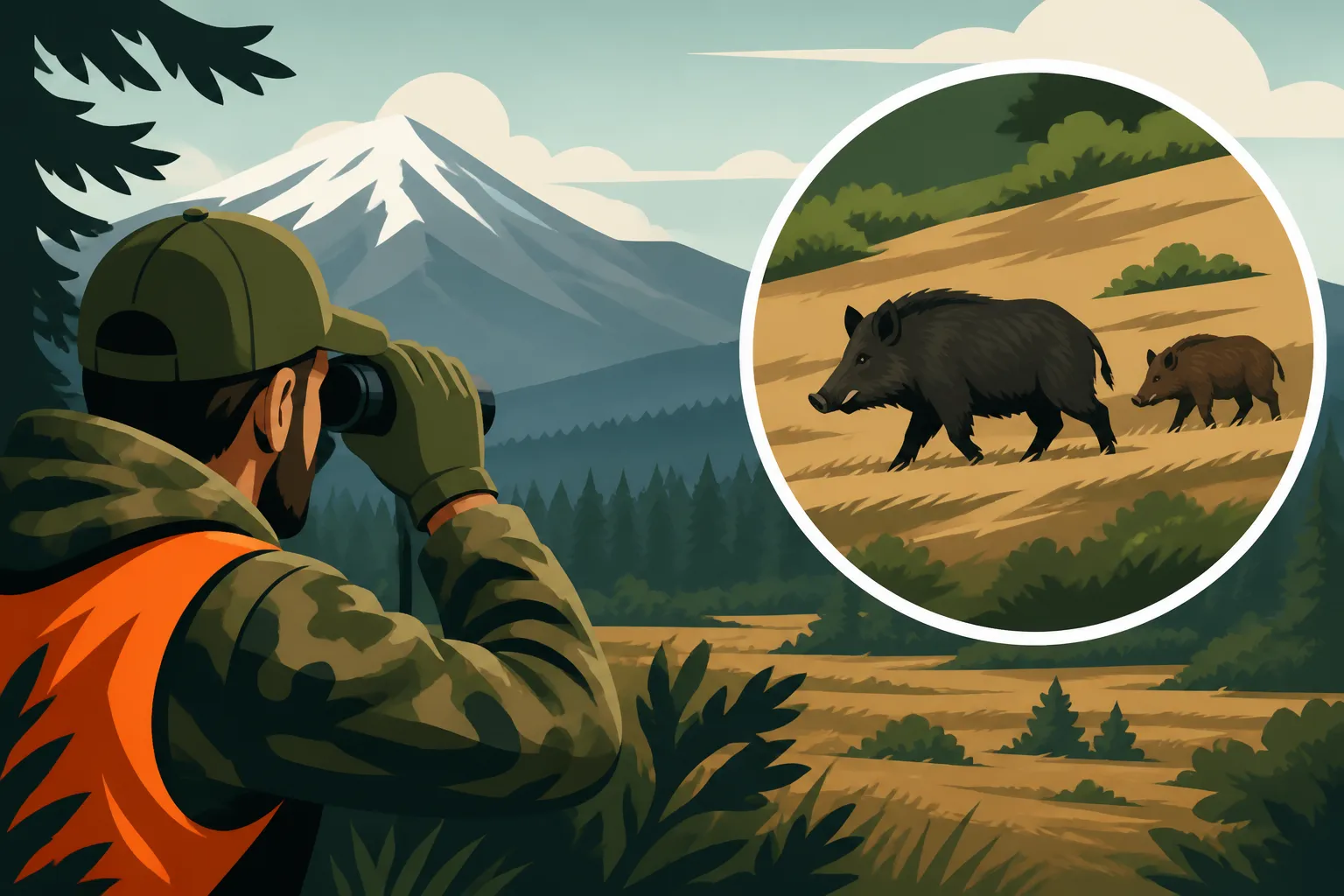
Your optics are your best friends when trying to sex a bear at a distance. Don't skimp here. High-quality binoculars (10×42 or 12×50 are popular choices) and a spotting scope (20-60x or higher) are indispensable. When glassing, hold your optics steady. Using a tripod for your spotting scope and even bracing your binoculars against a tree or using trekking poles can dramatically reduce shake and improve clarity.
Focus critically. Don't just glance; scrutinize every detail. Start with the overall impression, then zoom in (if using a spotting scope) on key areas: the head and neck, the shoulders, the torso, and if possible, the belly and hindquarters. Look for subtle differences in muscle definition, fat deposits, and hair patterns. Good glass will reveal these nuances. When you're trying to determine Judging Bear Size Without a Reference, having clear, powerful optics is paramount. A brand like Swarovski or Zeiss is often mentioned for their exceptional light gathering and edge-to-edge clarity, allowing you to see those critical details even in challenging light.
Dealing with Environmental Challenges
Oregon's bear country can present numerous observational challenges, from dense timber to shifting light.
- Light: Early morning and late evening often provide the best light for glassing, but shadows can also obscure details. Try to observe the bear when the sun is illuminating its side, not silhouetting it. Overcast days can offer softer, more even light.
- Cover: Bears frequently utilize dense cover. If a bear is moving in and out of trees or heavy brush, wait for it to step into a clearing or onto an open slope. You might have to be patient, even for an hour or more, to get a clear, unobstructed view.
- Distance and Heat Haze: Heat waves can distort images, especially over long distances or across open clearings. If possible, try to close the distance slightly (if safe and ethical) or wait for atmospheric conditions to improve. Early mornings before the ground heats up are often best for long-range glassing.
- Rain and Fog: The coastal range and even parts of the Cascades can be notoriously wet. High-quality rain gear for your optics is essential. Fog can make long-range observation impossible, so be prepared to adapt your strategy on such days.
Using tools like the GoHunt app for e-scouting can also give you an edge. By studying terrain, identifying potential feeding areas, and noting clearings or open slopes before you even hit the field, you can strategically position yourself for better observation points, minimizing the impact of environmental obstacles.
Patience and Repeated Observation
This cannot be stressed enough: patience is your most powerful tool. Don't rush the judgment. A quick glance is rarely enough. Observe the bear for an extended period, if possible.
- Wait for movement: A bear lying down or partially obscured tells you little. Wait for it to stand, walk, or turn broadside. This allows you to assess its entire body structure, gait, and proportions.
- Observe multiple angles: A bear’s appearance can change dramatically depending on the angle. A boar might look less massive when facing directly towards you, but its broad shoulders and thick neck become apparent when it turns.
- Look for patterns: Does it seem agitated? Is it constantly looking around nervously? Does it move with a deliberate pace or a cautious one? These behavioral patterns, observed over time, reinforce your initial physical assessment.
Think of it as gathering evidence. The more distinct clues you collect – physical and behavioral – the more confident you can be in your decision. It’s better to watch a bear for an hour and let it walk away unidentified than to make a hasty, incorrect judgment.
Seasonal Changes and Common Misconceptions
A bear's appearance can shift dramatically throughout the year, influenced by factors like diet, hibernation cycles, and breeding season. These changes can sometimes make sexing a bear even trickier.
Spring Green-Up vs. Fall Bulk-Up
Bears emerge from hibernation in the spring often looking gaunt and shaggy. Their fur might appear dull, and they will have lost a significant amount of weight. At this time, even a mature boar might not display the impressive bulk of its fall counterpart, and its head and neck might not appear as disproportionately large. As the Spring Bear Hunting Timing by Elevation shifts and the green-up provides ample forage, bears begin to put on weight. Their muscles start to fill out, and their coats become richer.
By the fall, especially as they enter hyperphagia (intense feeding before hibernation), bears are at their heaviest. This "bulk-up" can make both boars and sows appear significantly larger and rounder. A sow that was lean in the spring can now look quite massive, potentially leading to confusion with a boar. Conversely, a boar that was already large in spring will be an absolute behemoth in the fall. During this period, pay extra attention to the proportions of the head, neck, and shoulders relative to the overall inflated body size. A boar will still typically have that blockier head and thicker neck, even with a layer of fat. The time of year plays a significant role in Spotting Bears on Green-Up Slopes, as well as how they appear.
Young Boars and Large Sows: The Tricky Ones
This is where the art of sexing bears truly comes into play. A young, large boar might not have fully developed its massive head and shoulders yet. It might still be growing, and its overall build could resemble a larger sow. Conversely, a particularly large, older sow, especially one that hasn't had cubs recently or is barren, can accumulate significant body mass and even develop a robust neck, blurring the lines.
In these situations, it's crucial to rely on a combination of cues rather than just one. Look for subtle differences:
- Young boar: Still likely to have a thicker neck and broader shoulders relative to its body size compared to a sow of similar age. Its face might be slightly squarer.
- Large sow: Her head, while possibly appearing larger than an average sow's, will often still retain a more feminine, triangular shape compared to a boar's blocky profile. Her hindquarters might still appear wider than her shoulders, and her legs might seem slightly longer.
This is where patience and observation of behavior, like whether it's alone or interacting with other bears, become even more critical.
The "Hairline" Test: Is it Reliable?
You might hear about the "hairline test" as a way to distinguish boars from sows. The idea is that if you draw a line from the top of the ear to the center of the eye, a boar's eye will be above this line, while a sow's eye will be below it. This is based on the premise that boars have a higher, more prominent forehead and a more "dished" or "roman" nose profile.
While this can sometimes be a helpful general guideline, it is by no means foolproof or universally reliable, especially at extreme distances, through varied optics, or with different bear subspecies or individual variations. Fur length, head position, and light conditions can all significantly alter the apparent position of the eyes relative to the ears. Relying solely on the hairline test can lead to misidentification. It's much safer to use this as one minor piece of supporting evidence, if conditions allow for a clear, precise observation, rather than a primary determinant. Focus instead on the more consistent and robust indicators of head shape, neck thickness, and body proportions.
Practical Field Application and What to Do When in Doubt
Putting all this knowledge into practice requires a systematic approach and, sometimes, the discipline to walk away. The ultimate goal is a confident, ethical decision.
Creating a Mental Checklist
Before you ever head out to hunt Oregon Black Bears in the Coast Range and Cascades or in eastern Oregon, develop a mental checklist for sexing bears. This helps ensure you consider all factors systematically, rather than making a snap judgment.
Here’s an example:
- Overall Impression: Does the bear look big and blocky (boar) or more refined/rounded (sow)?
- Head & Neck: Is the head blocky/square with a thick neck (boar), or more triangular with a slender neck (sow)?
- Shoulders: Are they broad and heavily muscled, blending smoothly into the neck (boar), or less defined (sow)?
- Body Shape: Is the torso long and barrel-chested (boar), or shorter and perhaps pear-shaped (sow)?
- Legs: Do they appear relatively short and stout (boar), or longer and more slender (sow)?
- Genitalia/Teats (if visible): Can I see a penile sheath (boar) or teats (sow)?
- Behavior: Is it alone and confident (likely boar or barren sow), or cautious and possibly looking around for something (likely sow, potentially with cubs)?
- Other Bears: Are there smaller bears present, even temporarily hidden? (If so, it's a sow with cubs).
- Time of Year: Is it spring (bears lean) or fall (bears fat)? This influences how physical traits appear.
Running through this checklist for several minutes, with your optics glued to the bear, will help solidify your assessment.
Using Trail Camera Intel for Confirmation
Trail cameras are invaluable scouting tools that can provide critical intelligence long before you're in the field with a tag. Deploying cameras strategically in areas where you suspect bear activity can help you identify resident bears and even track their growth and behavioral patterns. A quality camera set up on a game trail or near a food source can provide clear photos or videos, allowing you to study a bear's characteristics in detail without the pressure of a live encounter.
You can use the GoHunt platform's mapping features to pinpoint ideal locations for Trail Camera Placement on Public Land, especially if you're targeting specific terrain features like clearings or creek bottoms. Over time, you might capture multiple images of the same bear, allowing you to confirm its sex, gauge its size, and determine if it typically travels alone or with offspring. If you’ve captured images of a large boar or a lone sow, you'll be much more confident when you encounter that bear in person. This preparatory work can significantly reduce doubt in the field.
The Ultimate Rule: When in Doubt, Don't Shoot
This is the golden rule, the absolute, non-negotiable principle of ethical bear hunting. If, after all your observation, all your checklists, and all your patience, you are still unsure whether the bear is a boar or a sow, or if there's any question whatsoever about the presence of cubs, do not take the shot.
It's far better to walk away empty-handed, knowing you respected the animal and the regulations, than to make a mistake that could haunt you. Hunting is about selective harvest, conservation, and respect for wildlife. A responsible hunter understands that not every opportunity is a shooting opportunity. There will always be another bear, another season, and another chance to make a confident, ethical decision. This is especially true given that Why Oregon Bear Hunters Cannot Use Bait means you'll rarely have a static, close-range target, requiring even more patience and discernment.
The challenge of Bear Hunting in Oregon Without Bait or Hounds means hunters must rely heavily on their observation skills and patience. Trust your instincts, but verify with concrete evidence. If the evidence isn't conclusive, then the safest and most ethical decision is always to pass.
Comparison Table: Boar vs. Sow Black Bear Characteristics
| Characteristic | Mature Boar (Male) | Mature Sow (Female) |
|---|---|---|
| Head Shape | Blockier, broader, often appearing disproportionately large; sometimes a "roman" nose. | More triangular, refined, narrower; eyes often appear more prominent. |
| Neck Thickness | Thick, muscular, "bull-necked," blends smoothly into shoulders. | Thinner, more elegant, distinct from shoulders. |
| Shoulders | Broad, heavily muscled, often appearing higher or humped. | Narrower, less muscled, more streamlined. |
| Body Shape | Longer torso, deep chest, barrel-chested; rectangular/powerful build. | Shorter torso, often "pear-shaped" or rounded, wider hindquarters (especially if pregnant/with cubs). |
| Leg Proportion | Often appear shorter relative to body; stockier stance. | Often appear longer and more slender relative to body. |
| Genitalia/Teats | Penile sheath sometimes visible as an inverted 'V' or 'U' crease on belly. | Teats (2 rows) sometimes visible as small bumps or hairless spots on belly, especially if suckling. |
| Confidence/Movement | Deliberate, confident, often direct. | More cautious, vigilant, frequent stops, erratic movements (especially with cubs). |
| Social Behavior | May pursue sows, engage in aggressive displays with other boars. | May avoid other bears, protective of cubs (if present). |
| Seasonal Bulk | Already massive in spring, becomes enormous in fall. | Can appear very lean in spring, but fattens considerably in fall, potentially mimicking boar size. |
Disclaimer
Please remember that hunting regulations, seasons, and access can change. Always consult the most current Oregon Department of Fish and Wildlife (ODFW) regulations pamphlet and relevant land management agency rules before planning and engaging in any hunting activity. This guide is for informational purposes only and does not supersede official regulations.