Weed-Free Feed Rules on Forest Land
One challenge many Oregon backcountry hunters face, especially those relying on horses or llamas to get deep into the wilderness, is navigating the complex rules surrounding feed. It's not just about what's convenient to pack in; it's about protecting our wild lands from invasive species. This guide is here to unravel the often-confusing "weed-free" feed requirements on our forest lands, helping you keep your stock healthy and our ecosystems pristine.
The Silent Threat: Why Weed-Free Feed is Crucial for Our Wild Lands
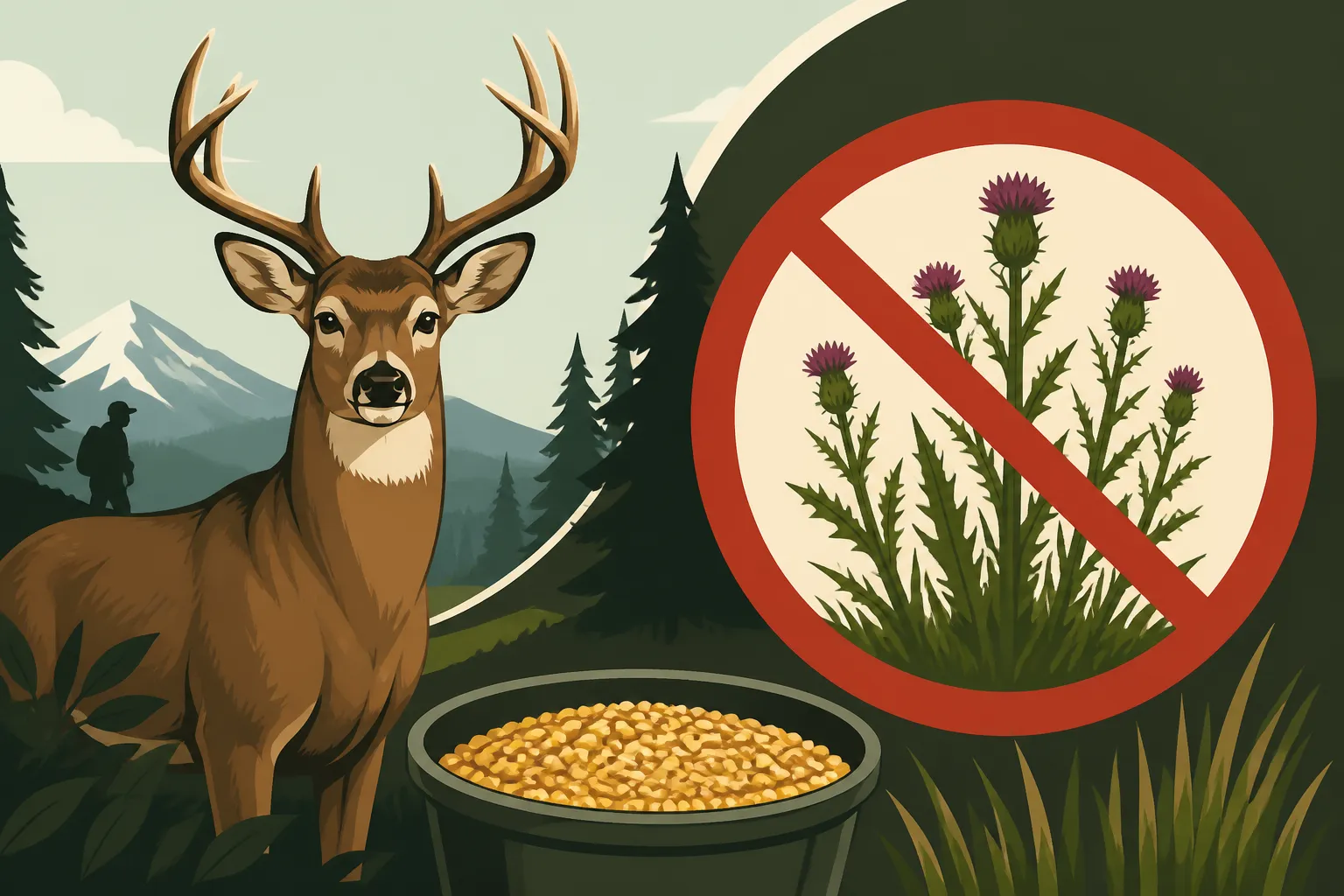
When we picture threats to Oregon's wild spaces, we often think of things like wildfires, habitat loss, or even over-hunting pressure. But there's a quieter, insidious threat that many well-meaning outdoor enthusiasts, including hunters and packers, can inadvertently contribute to: invasive weeds. These non-native plants are ecological bullies. They outcompete native vegetation, reduce forage for wildlife, alter soil chemistry, and can even increase fire danger. For a hunter who values the health of our deer and elk herds, ensuring their habitat remains robust and native is paramount.
Imagine leading your string of pack animals, laden with gear for a multi-day backcountry hunt into a pristine area of the Wallowa-Whitman National Forest. Your horses have been munching on regular hay from a local farm back home. Unbeknownst to you, that hay contains seeds from invasive species like knapweed, cheatgrass, or rush skeletonweed. As your stock graze or even just digest and excrete, those seeds are spread directly onto the forest floor, ready to germinate and establish a foothold. Over time, these small introductions can snowball into widespread infestations, fundamentally changing the character of the very landscapes we cherish and hunt. It's a huge frustration to try and do the right thing, only to realize you might be contributing to a problem you don't even see. This is precisely why the "weed-free" feed rules exist—to break that chain of introduction.
Understanding Oregon's Weed-Free Feed Requirements
Oregon, like many western states, has implemented specific requirements for feed brought onto public lands, particularly those managed by the Forest Service and Bureau of Land Management (BLM). These rules are designed to prevent the introduction and spread of invasive plant species via the digestive tracts or fur of pack and saddle stock. It's not just about hay; it extends to pellets, cubes, and even straw used for bedding. The core idea is that any forage or bedding material brought onto these lands must be certified free of noxious weed seeds.
The key term here is "certified." This isn't just a casual glance at a bale of hay. It means the feed has been inspected by an authorized entity, usually a state department of agriculture or a local weed district, and meets specific standards. This certification process ensures that the feed you're using has been grown, harvested, and processed in a way that minimizes the risk of containing viable noxious weed seeds. It’s a bit of extra homework for us as hunters, but it's a small price to pay for preserving the wild spaces we love to explore with our stock. Ignoring these rules isn't just an ecological gamble; it can also lead to citations and fines, which nobody wants when they're simply trying to enjoy an ethical hunt.
Where and When Weed-Free Feed is Required
Generally speaking, if you're planning on taking horses, mules, llamas, or other pack stock onto federally managed lands like National Forests or BLM areas within Oregon, you'll need to use certified weed-free feed. This includes popular hunting units in eastern Oregon's Blue Mountains, or the rugged high country in areas like the Eagle Cap Wilderness. The rules are especially stringent in designated wilderness areas and areas identified as having high ecological value or being particularly vulnerable to invasive species.
It's not usually a requirement for private lands, though a responsible land user would still consider the implications. State forests and other state-managed lands might have their own specific guidelines, so always double-check with the managing agency for the specific area you plan to visit. The season also doesn't typically dictate the rule; if you're using feed, it needs to be certified. Whether you're planning a late-season elk hunt or an early scouting trip, the feed requirements for your stock remain consistent. It can feel like an extra burden when you're already juggling gear, maps, and Physical Training for an Oregon Elk Hunt, but it's an important part of being a responsible public land user.
What Constitutes Certified Weed-Free Feed
Certified weed-free feed typically carries specific tags, twine, or stamps indicating its certification. This isn't just a "pretty clean" bale of hay; it means it has passed inspection according to standards set by the North American Invasive Species Management Association (NAISMA) or a similar state-specific program. These standards are quite rigorous, checking for the absence of specific noxious weed seeds.
For hunters, this usually means sourcing hay, pellets, or cubes that are explicitly labeled as "certified weed-free." These products are often grown in fields that are routinely inspected for noxious weeds and harvested with clean equipment. If you're buying hay, look for the official tag or special colored twine. For bagged feed, the certification will be printed on the label. Never just assume a feed is "clean" if it doesn't have the official designation. It's like checking the specific requirements for Oregon Muzzleloader Equipment Rules; you can't just assume your gear is legal without verifying.
Finding and Using Certified Weed-Free Feed
So, you're committed to doing things right – excellent! Now comes the practical part: where do you get this special feed, and how do you ensure you're using it effectively? It’s not always as readily available as conventional feed, especially in more remote areas, so a bit of planning is definitely in order.
Sourcing Certified Products
Your best bet for finding certified weed-free feed is often through larger feed stores, agricultural cooperatives, or directly from hay growers who participate in certification programs. Many western Oregon communities, as well as those bordering prime hunting grounds in eastern Oregon, will have options. Sometimes, a quick call to the local extension office or weed district can point you toward certified growers in your area. You can also look for distributors that specifically cater to pack outfitters and guides, as they are usually well-versed in these requirements.
When purchasing, always verify the certification. Don't be afraid to ask for the documentation or to see the tags on the bales. A reputable dealer will be happy to provide this proof. Remember, bringing non-certified feed could mean being turned away from a trailhead, or worse, facing a fine if encountered by a ranger. It's a key step in responsible Horse and Llama Packing Into Oregon Backcountry.
Here's a quick look at common certified feed types:
| Feed Type | Description | Certification Check |
|---|---|---|
| Hay | Baled forage, most common for horses. | Look for colored twine (e.g., orange/purple) or official tags. |
| Pellets/Cubes | Compressed forage, often easier to pack and measure. | Certification noted on the bag label. |
| Processed Grains | Rolled or crimped oats, barley, etc. Often used as supplements. | Ensure they are clearly labeled "weed-free." |
| Straw/Bedding | Used for animal bedding. | Should also be certified weed-free if taken into prohibited areas. |
Proper Storage and Transport to Prevent Contamination
Once you have your certified feed, it's critical to keep it from becoming contaminated before it even reaches the trailhead. This means storing it separately from any non-certified feed you might have. If you've been hauling regular hay in your horse trailer, make sure to thoroughly clean it out before loading up your weed-free supply. Even a few stray seeds from previously hauled feed can undermine your efforts.
When packing for your trip, consider using sturdy, sealed containers or heavy-duty tarps to protect your certified feed during transport. This prevents seeds from blowing in or hitching a ride from other sources. Think about how you handle your gear for Archery Setup for Wet Oregon Timber – you want to keep everything protected and performing as intended. It's also a good idea to feed your stock certified feed for a few days before your trip into public lands. This helps clear their digestive systems of any non-certified seeds they might have ingested, reducing the risk of internal contamination.
Compliance and Best Practices on Public Lands
Following the rules isn't just about avoiding penalties; it's about being a good steward of the land. When you're out there, deep in a wilderness area, every action you take has an impact. Ensuring your stock feed is weed-free is a fundamental part of responsible backcountry hunting.
Feeding Your Stock Responsibly
Once you're on public land, continue to be diligent. When you set up camp, choose a spot where your stock can be contained and where any dropped feed can be easily managed or cleaned up. Many hunters utilize techniques like Highlining Stock at a Backcountry Camp to keep their animals in a controlled area, minimizing their impact on the vegetation and preventing widespread seed dispersal. If you're feeding pellets or cubes, using feed bags or tubs can significantly reduce waste and the potential for seeds to scatter.
Before breaking camp, take a moment to inspect the area where your stock were kept. Look for any spilled feed or droppings and make an effort to disperse or clean them up. This minimizes the chance of a localized weed patch starting right where you camped. It's all part of the "leave no trace" ethos that underpins responsible outdoor recreation, and it's especially important for those enjoying Multi-Day Camps in Oregon's Roadless Country.
Using Mapping Tools for Planning and Compliance
Modern mapping tools can be a huge asset in planning your hunt and ensuring compliance with regulations, including weed-free feed zones. Services like onX Hunt or GoHunt often have layers that show public land boundaries, wilderness areas, and sometimes even specific land manager regulations. While these apps might not pinpoint exact weed-free feed requirements on a map, they help you identify when and where those rules will apply, specifically when you are entering federal lands.
Before you head out, use these tools to confirm the land ownership of your intended hunting area. If you're planning to enter a National Forest or BLM land, you know the weed-free feed rules apply. You can also use them to identify specific trails or access points, helping you prepare your stock and their feed accordingly. Understanding the geography and jurisdiction is half the battle, much like understanding E-Scouting Oregon Units With Satellite Imagery helps you find productive elk country.
Adhering to Broader Stock Use Regulations
Beyond weed-free feed, remember that using stock on public lands comes with a broader set of responsibilities and rules. Stock Use in Oregon Wilderness areas, for example, often have restrictions on group size, specific camping locations, and methods for tying up animals. Many National Forests and wilderness areas also have rules about certified weed-free hay (not just other feeds) and whether it's allowed at all, sometimes mandating only pellets or cubes.
It's your responsibility to check the specific regulations for the National Forest, BLM district, or wilderness area you plan to visit. These rules can vary by agency and even by specific Ranger District. A quick call to the local land management office or a thorough read of their online resources is always a good idea. This proactive approach ensures you're not just complying with feed rules but with all regulations, making your hunt as smooth and impactful as possible.
Disclaimer
This article is for general informational purposes only and does not constitute professional advice. Laws, prices and regulations vary by location and change over time. Consult a qualified professional for guidance on your specific situation.