Trespass Law and Posted Land in Oregon
One of the most nerve-wracking parts of hunting in Oregon, especially when you're trying to find new spots or explore areas with mixed ownership, is the constant worry about trespassing. No one wants to accidentally cross a property line, face a landowner's wrath, or worse, get a citation. This guide is all about helping you understand Oregon's trespass laws, how to identify posted land, and practical strategies to confidently navigate public and private property, keeping you legal and stress-free.
Understanding Oregon's Trespass Law
The foundation of responsible hunting, or really any outdoor activity, in Oregon is respecting property boundaries. It's not just a polite suggestion; it's the law. The legal framework around trespass in Oregon is designed to protect landowners' rights while also outlining clear expectations for those who venture onto their property. Many hunters feel a knot in their stomach when they see an old fence line or an unclear sign, and that anxiety is valid because the rules can feel a bit murky at times.
The Legal Definition of Trespass
In Oregon, trespass generally occurs when a person enters or remains unlawfully on someone else's property without permission. This isn't just about stepping onto an obvious private ranch; it can apply to timber company lands, smaller rural parcels, or even areas that appear to be open and unmaintained. The key phrase here is "without permission." Permission can be explicit (like a signed agreement or verbal consent from the landowner) or implied (like an open gate with no "no trespassing" signs, though this is a risky assumption to make, especially when hunting).
What often catches hunters off guard is that trespass isn't always about malice. Sometimes it's simply an honest mistake due to poor signage, confusing boundaries, or relying on outdated maps. However, the law generally holds individuals responsible for knowing where they are. Imagine you're on a hot track for a Blacktail Deer Hunting in Oregon's Coastal Clearcuts and that deer crosses into what you thought was public land, only for a landowner to appear. It's an uncomfortable situation for everyone, and often stems from a lack of clear understanding beforehand. The consequences can range from a warning to a substantial fine, and in more egregious cases, even a loss of hunting privileges.
What Constitutes "Posted" Land?
Oregon law is fairly specific about what makes land "posted" and how landowners must go about it to make the trespass law enforceable. It's not enough for a landowner to just say their land is private; they need to provide clear notice. This is where hunters can arm themselves with knowledge to avoid accidental infractions.
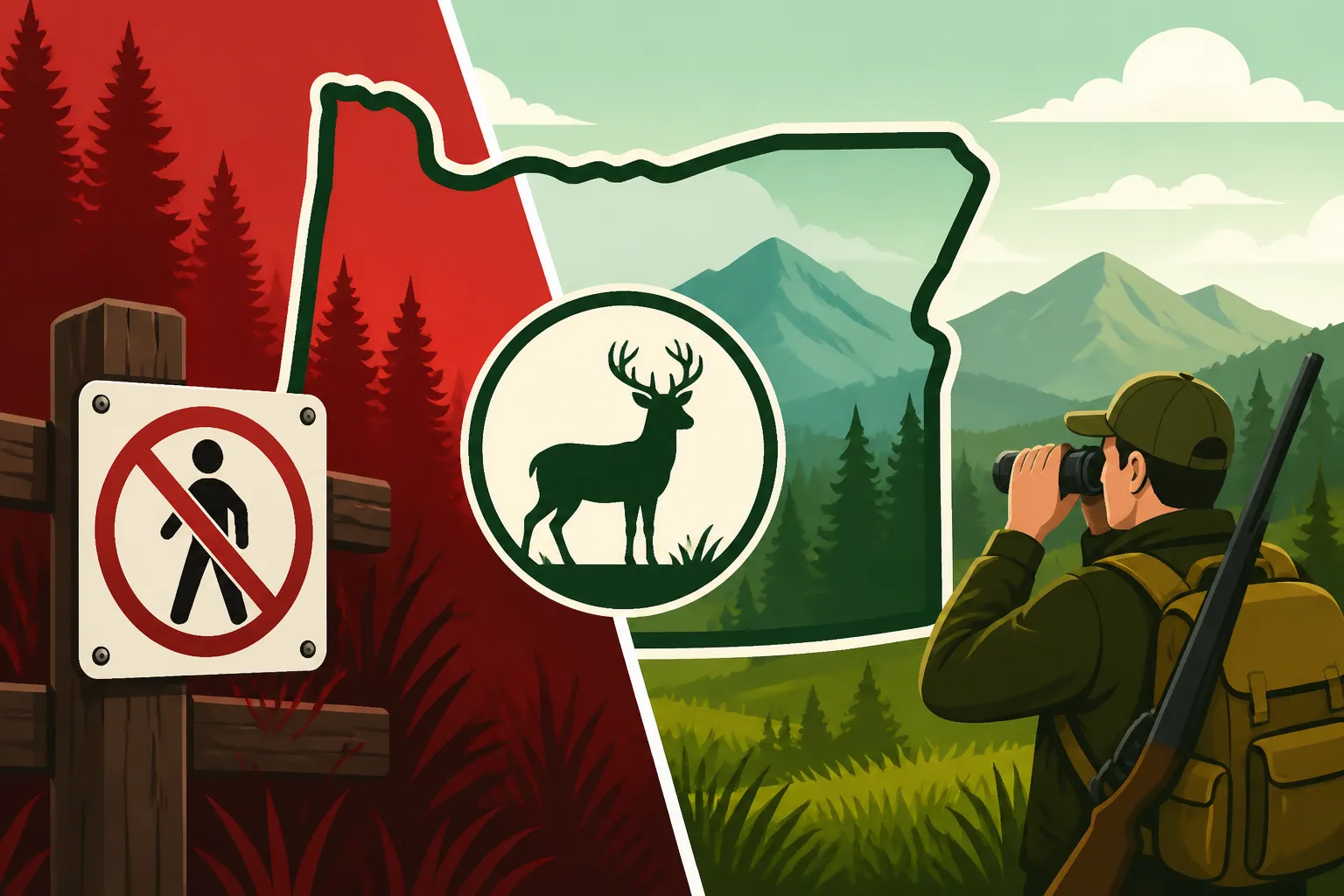
According to Oregon statute, land is considered adequately posted if "no trespassing" signs are placed at intervals of 500 feet or less along the boundary. These signs must be conspicuous, meaning easily seen from any reasonable approach. They also need to be at least 8×10 inches in size, clearly stating "No Trespassing." Alternatively, a landowner can use fluorescent orange or green paint on trees or posts at specific heights and intervals to denote boundaries, especially in timbered areas where signs might be less practical or prone to falling down. This paint method can be subtle, especially in thick brush, so keen observation is crucial. You might be focused on Still-Hunting Speed in Wet Brush and miss that tell-tale paint mark.
Understanding these requirements is your first line of defense. If you're walking along a boundary and you see signs every hundred yards or so, or consistent paint markings, that's a clear signal to stay out. The absence of such signs, however, doesn't automatically mean permission. It simply means the landowner might have a harder time proving criminal trespass if there's no visible notice. Always err on the side of caution.
Navigating Land Ownership for Hunters
Oregon is a tapestry of land ownership, from vast tracts of national forest and BLM land to checkerboard private timber holdings and small family farms. For hunters, this diverse landscape presents both incredible opportunities and significant challenges in knowing exactly where you can and cannot hunt. The reality is, what looks like continuous timberland might actually be a patchwork of different owners.
Public Versus Private Land
The most fundamental distinction in hunting access is between public and private land. Public lands—like those managed by the U.S. Forest Service, Bureau of Land Management (BLM), or even certain state lands and wildlife areas—are generally open for hunting by the public, provided you have the proper licenses and tags and adhere to all regulations. These are the vast, sprawling areas that many of us dream of exploring for Archery Elk Hunting Oregon's August and September Seasons or Glassing Eastern Oregon Rimrock for Mule Deer. However, even on public land, there can be specific closures or restrictions, so always check local regulations and maps.
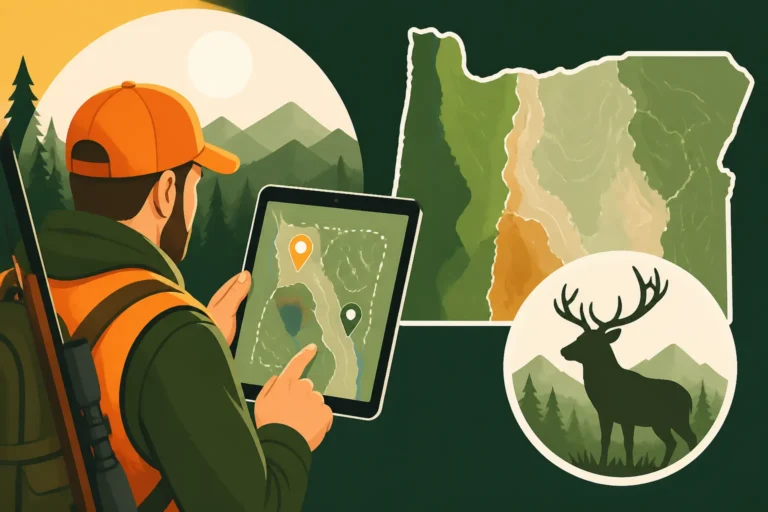
Private land, on the other hand, belongs to individuals, companies, or other non-governmental entities. Hunting on private land always requires permission from the landowner. This permission can take many forms: a handshake, a written agreement, a purchased permit, or participation in programs like Oregon's Access and Habitat program. The frustration often comes when public lands are difficult to access without crossing private property, or when private holdings are nestled deep within public landscapes. This is where tools become invaluable. Many hunters rely heavily on mapping applications like onX Hunt or GoHunt to clearly delineate public and private boundaries right on their phone or GPS device. These apps layer land ownership information over detailed topo and satellite maps, showing you exactly which parcel you're on, who owns it, and if it's public or private. This is critical for avoiding accidental trespass, especially when you're deep in the backcountry or in an unfamiliar area.
Mixed Ownership and Checkerboard Properties
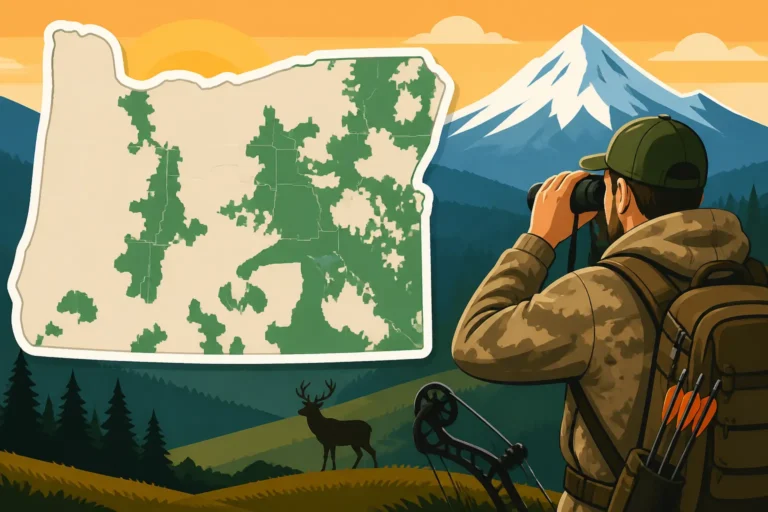
One of the trickiest situations for hunters in Oregon, especially in certain parts of Eastern Oregon or historically managed timber regions, is dealing with "checkerboard" or mixed ownership patterns. This often happens due to historical land grants, where alternating sections of land were granted to railroad companies or other private entities, leaving a confusing mosaic of public and private ownership. Imagine mile after mile of squares, one public, one private, one public, one private – it's a navigational nightmare if you don't have accurate information.
In these areas, it's incredibly easy to inadvertently step from a public parcel onto a private one without realizing it. A clear cut on public land might abut a replanted section on private land, with no fence or obvious boundary marker. This is where your pre-hunt scouting and in-field navigation become paramount. Before you even leave home, use digital tools like onX Hunt to study the land ownership patterns in your chosen unit. Identify any checkerboard areas and plan your routes to stay firmly on public ground or to secure permission for the private parcels you intend to cross or hunt.
For those researching specific hunt units and land access, resources from the Oregon Department of Fish and Wildlife (ODFW) and planning tools like GoHunt can provide valuable insights into access programs, timber company policies, and general land status information. Knowing the ins and outs of areas like Hunting Private Timber Land With a Permit or Reading Green Roads on an Oregon Travel Management Map can be the difference between a successful hunt and a frustrating encounter. Always assume that if you're not absolutely sure, it's private, and you need to verify before proceeding.
Seeking Permission and Building Relationships
While avoiding trespass is crucial, proactive engagement with landowners can open up incredible hunting opportunities and foster positive relationships between hunters and private property owners. It's often said that asking for permission is a lost art, but in Oregon, it's more important than ever.
The "Asking Permission" Approach
The thought of knocking on a stranger's door to ask permission to hunt can be intimidating for many hunters. There's the fear of rejection, or feeling like you're imposing. However, approaching landowners respectfully and with a clear purpose can often yield surprising results. Many landowners, especially those who struggle with wildlife damage or simply enjoy the presence of responsible hunters, are open to granting access.
When you approach a landowner, come prepared. Have a map of their property (you can often get this from county assessor websites or mapping apps like onX Hunt) and point to the specific areas you're interested in. Introduce yourself, explain why you're there, and make it clear you understand and respect their property. Offer to share some of your harvest, if that's something you're comfortable with. Discuss how you plan to access the property, what steps you'll take to ensure safety, and how you'll leave things exactly as you found them – or better. Emphasize that you'll be respectful of fences, gates, crops, and livestock. Sometimes, landowners appreciate help with things like nuisance animals, and your presence could be a solution. This approach is fundamental to programs like Asking Permission on Oregon By-Permission Land, where mutual trust is built.
Consequences of Trespassing
The legal and ethical consequences of trespassing are severe and far-reaching. Legally, entering private property without permission, especially if it's properly posted, can result in a Class C misdemeanor in Oregon. This can carry fines, and even lead to a suspension of your hunting license. No one wants to deal with court dates or costly penalties, especially when it could have been avoided with a simple check of a map or a polite knock on a door.
Beyond the legal ramifications, accidental or intentional trespass severely damages the reputation of all hunters. Every negative interaction a landowner has with a hunter makes it harder for the next responsible hunter to gain access. It erodes trust and can lead to more "no hunting" signs, tighter restrictions, and less open land for everyone. Responsible hunters are ambassadors for our sport, and upholding ethical conduct, including absolute respect for private property, is paramount. Learning how to properly Reading a Travel Management Area Map Before You Drive or researching Oregon's Access and Habitat Program Lands can prevent many of these issues, fostering a positive image for all of us who cherish Oregon's hunting heritage.
| Land Type | General Access Rules | Posting Requirements | Key Considerations for Hunters |
|---|---|---|---|
| Public Land | Generally open to hunting with valid licenses/tags, subject to specific unit regulations, closures, or permits. | Usually no "no trespassing" signs; boundaries may be marked with specific agency signs or natural features. | Always verify specific unit regulations and any in-season closures. Use mapping apps to confirm public status. |
| Private Land | Requires explicit permission from the landowner for any entry, including hunting or retrieving game. | Must be conspicuously posted with 8×10 inch "No Trespassing" signs every 500 feet, or by specific paint markings. | Always seek permission. The absence of posting does not imply permission. |
| Timberland (Private) | Often requires permits or enrollment in access programs; specific rules vary by company (e.g., Weyerhaeuser, Hancock). | Posting can vary; signs, gates, or specific company rules posted at entry points. | Check company websites for access policies and permits well in advance. Fire season can lead to emergency closures. |
| Access & Habitat (A&H) Land | Properties enrolled in ODFW's A&H program, offering varying degrees of public access (e.g., "Walk-In Access" or "By Permission"). | Clearly marked with distinct A&H signs at access points. | Read specific A&H property rules carefully; some are walk-in only, others require contacting a landowner. |
Ultimately, understanding Oregon's trespass laws and diligently navigating land ownership is about more than just avoiding a ticket; it's about being a respectful and responsible hunter. By doing your homework, using modern tools like onX Hunt, and building positive relationships with landowners, you ensure access for yourself and for future generations of hunters.
Disclaimer
This article is for general informational purposes only and does not constitute professional advice. Laws, prices and regulations vary by location and change over time. Consult a qualified professional for guidance on your specific situation.