Why Bulls Shed in Late Winter
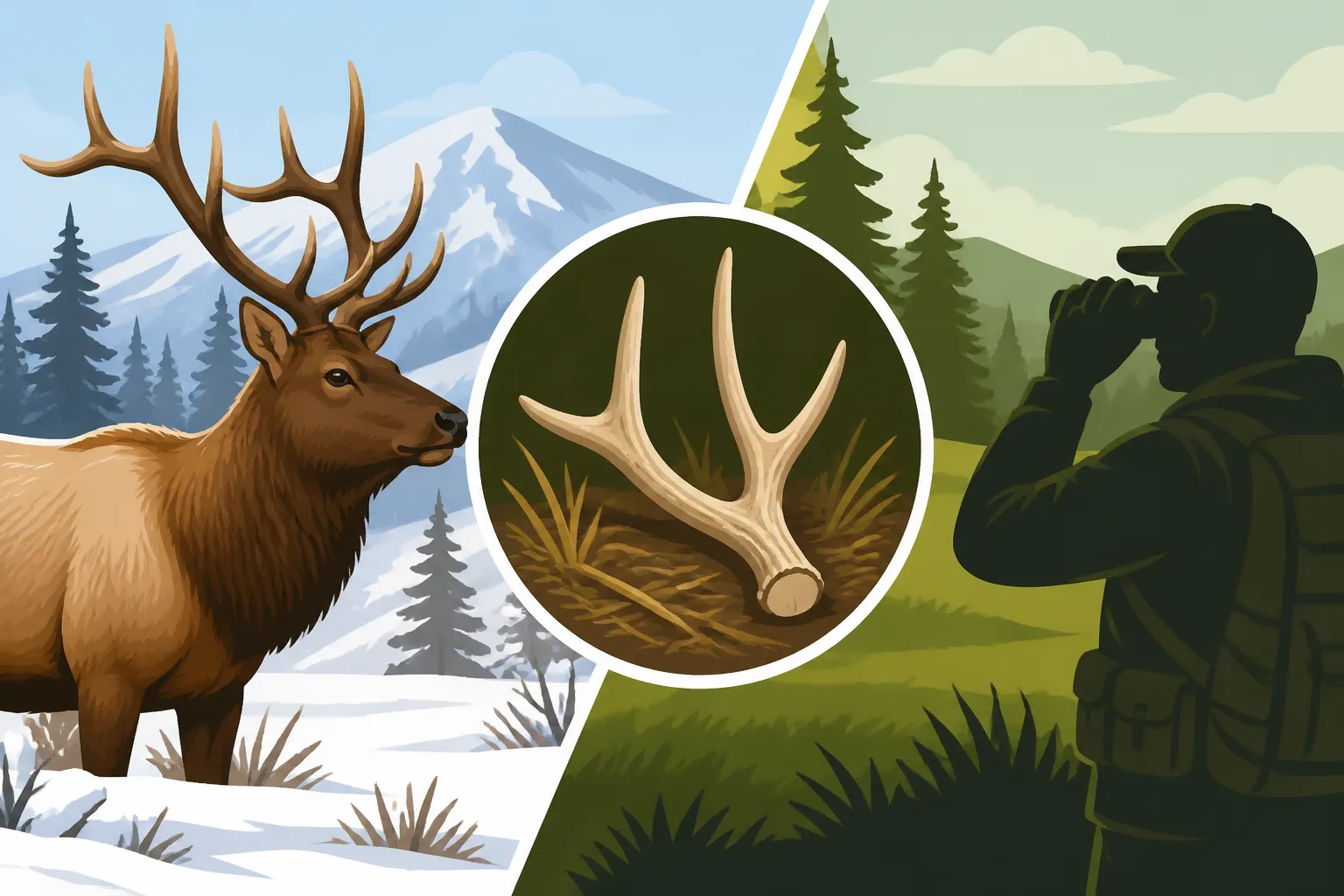
It's a familiar sight for any hunter who spends time in the late winter woods: a perfectly intact antler lying on the forest floor, a silent testament to the seasonal cycle of nature. Many of us have stumbled upon one, felt that thrill, and then started wondering why these magnificent animals suddenly drop their crowns, often right when we're hoping to find them. This guide will dive deep into the fascinating biological and environmental reasons why bulls shed their antlers in late winter here in Oregon.
The Biological Clock: Photoperiod and Hormones
The primary driver behind antler shedding is not some sudden decision by the bull, but rather a deeply ingrained biological response to the changing seasons, specifically the reduction in daylight hours, known as photoperiod. This natural rhythm dictates the waxing and waning of a bull's testosterone levels, which are the true orchestrators of antler growth and, eventually, their release.
Decreasing Testosterone Levels
As the days grow shorter after the fall equinox and we move deeper into winter, a bull's body registers this reduction in light. This signal triggers a cascade of hormonal changes, most notably a significant drop in testosterone. During the intense rut, these hormone levels are at their peak, fueling aggressive behavior and the need for hardened antlers for sparring and display. However, once the breeding season is over and the cows are bred, the physiological need for these impressive bone structures diminishes.
This decline in testosterone is the fundamental key. Without sufficient testosterone to maintain the connection, a specialized layer of bone cells, called osteoclasts, begins to activate at the pedicle—the bony base on the skull from which the antler grows. These cells effectively dissolve the bone tissue that connects the antler to the skull, creating a weakened zone. Think of it like a natural pre-programmed detachment mechanism, slowly but surely severing the ties. This process isn't instant; it's a gradual weakening that eventually leads to the antler simply falling off. This is why you might find one shed antler and then search for days or weeks for its mate, as they don't always drop simultaneously.
The Role of the Pedicle
The pedicle is more than just a mounting point; it's a dynamic interface. Throughout the year, it's constantly undergoing changes to support the antler cycle. In the spring, after shedding, the pedicle prepares for new growth, often appearing as a velvet-covered nub. As summer progresses, the new antlers grow rapidly, calcifying and hardening. During the rut, the pedicle provides a strong, stable anchor for the heavy, fighting-ready antlers. But when testosterone levels dip, the process of reabsorption begins right at the connection point between the antler and the pedicle.
This reabsorption means that the body is essentially recycling the minerals and nutrients that were invested in growing the antlers. It's an incredibly efficient biological system, demonstrating how nature reclaims and reuses resources. The shedding process itself is typically painless for the bull, though the area might be sensitive briefly after the antler falls off. You'll often see the pedicle left as a clean, rounded stump, ready to begin the cycle anew in just a few short months. This biological efficiency is crucial for the animal's survival, ensuring that energy isn't wasted on maintaining a structure that no longer serves a purpose until the next breeding season.
Nutritional Stress and Energy Demands
While the changing photoperiod is the primary signal, the timing of antler shedding can be significantly influenced by a bull's overall health and the nutritional resources available to him, especially during the harsh conditions of late winter.
Impact of Winter Severity
Oregon winters, particularly in the eastern parts of the state or at higher elevations, can be incredibly tough. Deep snow, prolonged cold temperatures, and limited forage force elk and deer to expend considerable energy just to survive. A severe winter means less available food, and the food that is accessible is often of lower nutritional quality. When a bull is battling the elements and struggling to find enough calories to maintain its body temperature and basic bodily functions, its system prioritizes survival over non-essential biological processes.
In these conditions, the body diverts precious energy and nutrients away from maintaining antlers. The calcium, phosphorus, and other minerals locked up in the antlers become a drain rather than an asset. This additional stress can accelerate the shedding process. Bulls that have endured a particularly taxing rut, perhaps by engaging in many fights or breeding numerous cows, enter winter already depleted. Couple that with a harsh winter, and you're likely to see them shed their antlers earlier than their healthier counterparts. This is why when you're Shed Hunting Rules on Oregon Winter Range, you might find sheds earlier in areas hit harder by winter storms.
Body Condition and Herd Health
A bull's body condition going into winter is a huge factor. A bull that came out of the rut in peak physical shape, perhaps one that didn't have to fight as hard or breed as many cows, will generally hold onto his antlers longer. Conversely, an old bull, one that's been injured, or one that had a particularly intense rut will likely shed earlier. His body simply doesn't have the reserves to spare. Think of it as an emergency brake system for the body; when resources are scarce, the first things to go are the "luxuries," and in winter, antlers fall into that category.
For species like Rocky Mountain Elk in Eastern Oregon or Oregon Mule Deer and the Herd Range Decline, where winter ranges can be particularly unforgiving, monitoring herd health and winter conditions is crucial for wildlife managers and hunters alike. Tools like GoHunt can provide valuable data on historical snow depths and winter range conditions, helping you understand the potential impact on antler shedding and overall herd vigor. Understanding the dynamics of Elk Numbers in Oregon's Blue Mountains or Mule Deer Winter Range in Eastern Oregon can also offer clues to how much nutritional stress animals are under, which directly correlates to their shedding timeline. Hunters often look for signs of a hard winter to predict where sheds might be concentrated or when they might drop.
| Species | Typical Shedding Period (Oregon) | Factors Influencing Early Drop | Factors Influencing Late Drop |
|---|---|---|---|
| Roosevelt Elk | February – April | Severe winter, poor body condition, intense rut, older age | Mild winter, good body condition, younger prime bulls |
| Rocky Mountain Elk | February – April | Severe winter, poor body condition, intense rut, older age | Mild winter, good body condition, younger prime bulls |
| Mule Deer | January – March | Severe winter, poor body condition, intense rut, older age | Mild winter, good body condition, younger prime bucks |
| Blacktail Deer | January – April | Severe winter, poor body condition, intense rut, older age | Mild winter, good body condition, younger prime bucks |
Note: These are general periods; individual animals and local conditions can cause significant variation.
Environmental Factors and Winter Severity
Beyond the individual bull's biology, broader environmental conditions play a substantial role in influencing the precise timing of antler drop. It's not just a matter of the calendar turning, but how nature interacts with the animal's needs.
Early or Late Winters
The onset and severity of winter in Oregon can dramatically shift when bulls begin to shed. An unusually early cold snap or heavy snowfall in November or December can put immediate stress on animals, forcing them to burn more calories and utilize reserves faster. This can lead to an earlier shedding period than in a mild year. Conversely, a prolonged, gentle fall that transitions into a mild winter with easily accessible forage can allow bulls to maintain their condition longer, thereby extending the period they carry their antlers. This variation is why shed hunters pay such close attention to long-range weather forecasts. If you're scouting for sheds, knowing the regional weather patterns is almost as important as knowing the local animal behavior.
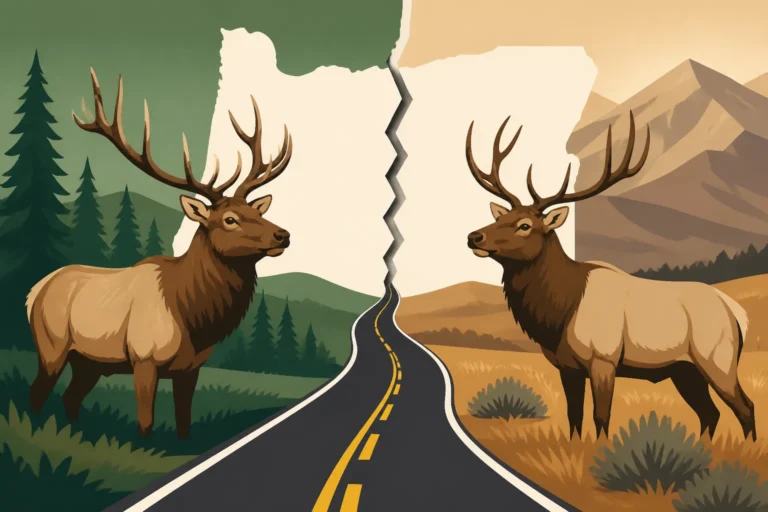
Consider the diverse environments across Oregon; a mild winter along the coast range, home to Roosevelt Elk in Western Oregon, might see later drops compared to the high desert of Eastern Oregon, where mule deer and Rocky Mountain elk face much harsher conditions. This regional variation is critical for anyone hoping to find sheds. For those who study Elk Behavior After a Wildfire, they might observe how habitat changes influence forage availability and thus, shedding patterns. A burn might initially provide flush new growth, but a lack of cover combined with a severe winter could still lead to earlier shedding due to exposure.
Predator Presence and Movement
While not a direct cause of shedding, the presence and activity of predators can indirectly influence when a bull sheds, primarily by affecting its energy expenditure and stress levels. If a bull is constantly being pushed by cougars, wolves, or even coyotes, it will burn more calories evading threats. This heightened stress and increased energy demand can contribute to a faster decline in body condition, which, as we discussed, can hasten the antler-shedding process. Animals that are constantly on the move, stressed, and not getting adequate rest or nutrition will likely shed earlier than those in more secure, lower-stress environments.
Predator presence might also subtly alter wintering patterns, pushing herds into areas where forage is less abundant or requires more effort to obtain. For example, if a Cougars in Oregon After the Hound Ban population is particularly active in a specific winter range, elk might be more vigilant, leading to less time spent feeding efficiently. Understanding these ecological dynamics is part of being a well-rounded hunter and conservationist, recognizing the myriad pressures on big game populations.
The Aftermath: What Happens Next for the Bull
Once a bull sheds its antlers, it's not simply an end to a cycle; it's the beginning of a new one. The period immediately following shedding is critical for recovery and preparation for the year ahead.
Vulnerability and Recovery
After shedding, a bull is left with two exposed pedicles on its skull. While the shedding process itself is generally painless, the pedicles are sensitive and vulnerable to injury or infection for a short time. Bulls are also somewhat psychologically impacted; without their crowning glory, they often lose some of their dominance and can be more docile. You might notice shifts in herd dynamics, with bulls that were previously dominant becoming more subservient to those still carrying antlers, or even to cows. This period of relative vulnerability is short-lived, however, as the pedicles quickly scab over and begin to prepare for new growth.
This recovery phase is essential. The bull's body, having expended significant energy on the rut and then on surviving winter, now needs to replenish its reserves. Good nutrition in the late winter and early spring is vital for regaining body condition and laying the groundwork for strong new antler growth. What Bears Eat Before Berries Ripen might seem unrelated, but healthy spring forage is critical for all large herbivores, including elk and deer. The better the early spring nutrition, the stronger and faster the new antlers will grow, often starting within weeks of shedding.
The New Antler Cycle Begins
Almost immediately after shedding, the process of new antler growth commences. The pedicles, once healed, begin to form a soft, velvet-covered tissue. This "velvet" is actually skin, rich in blood vessels and nerves, that supplies nutrients to the rapidly growing bone underneath. Antler growth is one of the fastest rates of bone growth in the animal kingdom, truly a marvel of nature. The rate and size of new antler growth are directly linked to the bull's age, genetics, and, most critically, his nutritional intake during the spring and summer.
A bull that enters spring in excellent condition, with access to high-quality forage, will typically grow larger, more impressive antlers than one that had a hard winter or struggled with poor nutrition. This is why Antler Growth and Nutrition are so intricately linked. By late summer or early fall, the antlers will have reached their full size, hardened, and the velvet will dry and be rubbed off. And then, the entire spectacular cycle will repeat, year after year, driven by the sun, the seasons, and the bull's incredible biology. It's a reminder of the intricate connections that shape the lives of Oregon's magnificent game species.
Disclaimer
This article is for general informational purposes only and does not constitute professional advice. Laws, prices and regulations vary by location and change over time. Consult a qualified professional for guidance on your specific situation.