Oregon Turkey Population Growth
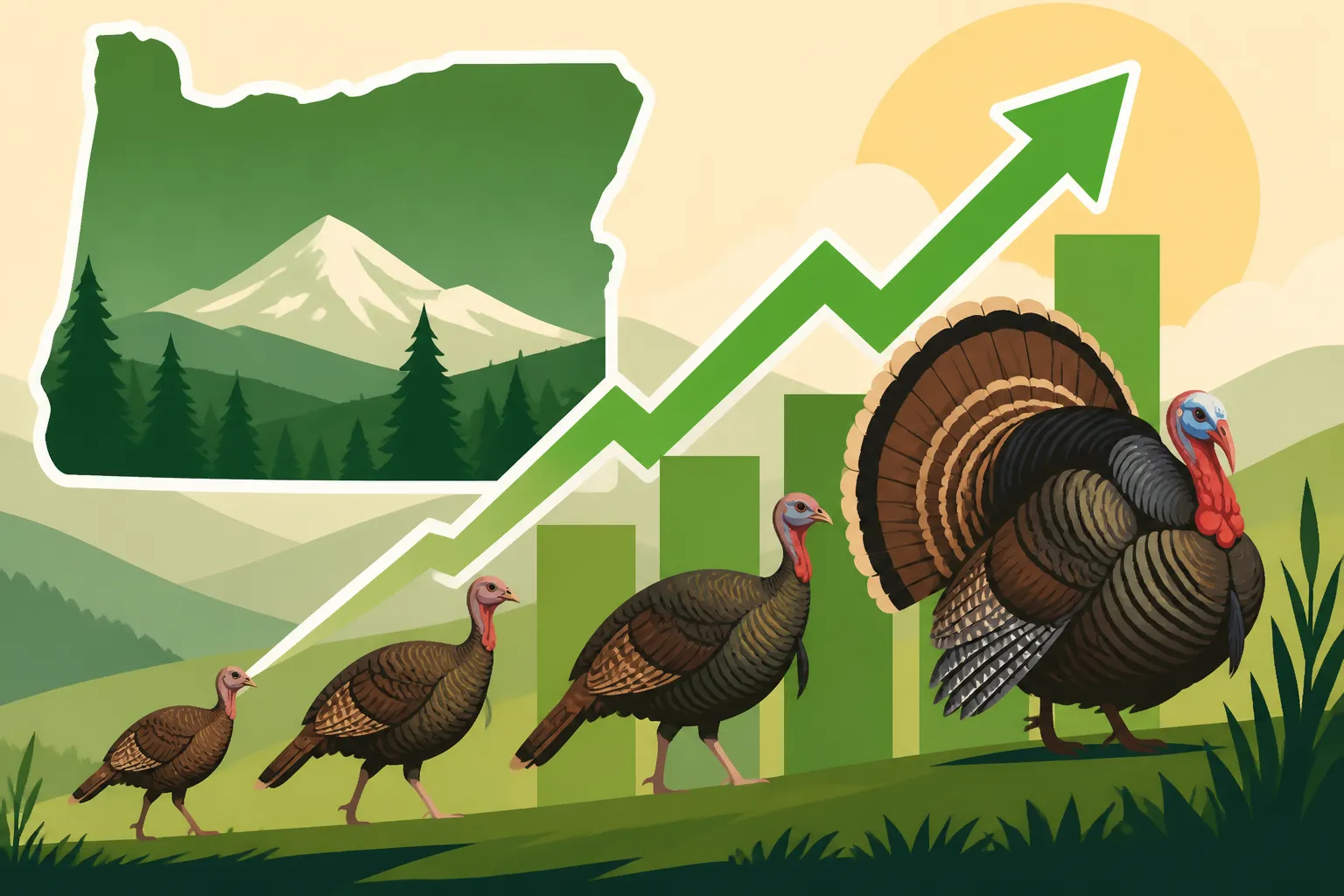
For many years, seeing a wild turkey strutting through an Oregon forest or field was a rare, almost mythical sight. It felt like a dream for hunters in the state, and if you weren't on the ball with scouting and understanding what little pockets held birds, you might as well have been chasing unicorns. But those days are largely behind us, and if you've been noticing more gobblers and hens popping up, you're not imagining things. This guide is all about diving deep into how Oregon's wild turkey populations have blossomed, where they stand today, and what that means for both the birds and us as hunters.
The Story of Wild Turkeys in Oregon: From Absence to Abundance
It’s hard to imagine now, with turkeys becoming such a familiar sight in many parts of the state, but these magnificent birds weren't always a staple of Oregon's wildlife landscape. For a long time, if you wanted to hunt wild turkeys, you were heading out of state. The journey from near absence to their current thriving populations is a real testament to dedicated conservation efforts and the adaptability of these incredible birds.
Early Efforts and Reintroduction Programs
The story of wild turkeys in Oregon truly begins with their reintroduction. The original native wild turkeys were extirpated from the state long ago, mainly due to habitat loss and unregulated hunting in the early settlement days. By the mid-20th century, there were virtually no wild turkeys left in Oregon. Recognizing the ecological and recreational value these birds could bring, state wildlife agencies embarked on ambitious reintroduction programs. This wasn't a one-and-done deal; it involved strategic releases over several decades, bringing different subspecies into areas deemed suitable for their survival.
The primary subspecies introduced were the Rio Grande turkey, with Merriam's turkeys also finding a home in specific regions, particularly in the ponderosa pine forests of Eastern Oregon. More recently, there have been some minor releases of Eastern turkeys in Western Oregon, although Rios remain the dominant bird west of the Cascades. These early releases were often in what felt like prime turkey habitat at the time – areas with a mix of open woodlands, scattered timber, and agricultural lands that provided diverse food sources and roosting trees. The initial challenge was simply getting birds to take hold, to survive their first winter, and to reproduce successfully. It was a slow burn, but with each successful breeding season, the foundation for Oregon's current robust turkey population was laid.
Key Factors Driving Early Population Success
Once those initial birds were released, several critical factors aligned to allow their populations to truly explode. Think of it as hitting the jackpot with habitat and timing. Firstly, many parts of Oregon offered a mosaic of ideal turkey habitat. The fertile valleys of Western Oregon, with their oak woodlands, clearings, and agricultural interfaces, provided an abundance of food, from acorns and berries to waste grain. Meanwhile, the mixed conifer and ponderosa pine forests of Eastern Oregon offered crucial roosting trees and diverse undergrowth for foraging.
Secondly, the initial low numbers meant low hunting pressure and relatively favorable conditions regarding natural predators. While coyotes and bobcats were present, the turkeys had a head start in establishing themselves before predation could become a significant limiting factor. Mild winters during crucial establishment years also played a huge role. Turkey poults are vulnerable to cold, wet weather, and a series of gentle springs and winters allowed for high poult survival rates, which in turn meant more birds reaching maturity and breeding. Early hunting regulations were also designed to protect and allow for growth, with very limited tag numbers and short seasons, ensuring that the nascent populations weren't overharvested. This careful stewardship allowed the birds to spread their wings, literally, across new areas of the state.
Understanding Current Oregon Turkey Population Trends
Today, you'd be hard-pressed to travel through much of Oregon's rural landscape without hearing a gobble or seeing a flock of turkeys. The growth has been phenomenal, leading to widespread hunting opportunities. However, it's not a uniform story across the state; turkey populations ebb and flow with local conditions, habitat, and other factors, making them a dynamic species to understand and pursue.
Regional Differences in Turkey Numbers
If you've hunted turkeys in different parts of Oregon, you've likely noticed that some areas are absolutely crawling with birds, while others have more scattered populations. This isn't just luck; it's a direct reflection of regional differences in habitat quality, climate, and management history. For instance, you’ll often find some of the highest densities of Rio Grande turkeys in the Rogue and Umpqua Valleys in Southern Oregon, as well as parts of the Willamette Valley. These areas boast extensive oak woodlands, mixed conifer forests, and plenty of agricultural fields that provide year-round food sources and excellent roosting habitat. The mild, relatively dry summers are also favorable for poult survival. Oregon Turkey Subspecies and Range goes into more detail about which birds thrive where, but suffice it to say, the Rios love that Western Oregon valley life.
Contrast that with higher elevation areas or denser, unbroken coastal timber. While you might find pockets of birds, the continuous, often wet and dense canopy of rainforest isn't as ideal for turkeys, which prefer a more open understory and good clearings for foraging. In Eastern Oregon, Merriam's turkeys are often associated with ponderosa pine forests and mixed conifer stands, particularly in the Blue Mountains and other eastern ranges. These populations can be more dispersed but still offer fantastic hunting. Factors like elevation, annual precipitation patterns, and the prevailing land use—whether it's public forest, private timber, or expansive ranches—all play a significant role in determining how many birds a particular area can support and where they choose to make their homes.
Challenges to Continued Growth and Stability
While Oregon's turkey populations are generally robust, it’s not all sunshine and gobblers. There are ongoing challenges that impact their continued growth and stability. Predation, for one, is a constant factor. Coyotes are ever-present, and bobcats and even cougars will prey on turkeys, especially during nesting season when hens are vulnerable, or on young poults. Coyote Density in Eastern Oregon gives you an idea of how prevalent these predators can be. While turkeys have evolved to deal with predators, sustained high predator numbers can put a dent in local turkey recruitment.
Habitat fragmentation is another growing concern, particularly in areas experiencing human development. As forests are logged or agricultural lands are converted, the continuous blocks of diverse habitat that turkeys thrive in can be broken up, making it harder for them to access all the resources they need. Disease, though often localized, can also be a silent killer. Outbreaks of diseases like blackhead disease, which is more common in areas with domestic poultry or high concentrations of game birds, can devastate local flocks. Weather patterns also remain crucial. Unseasonably cold or wet springs can lead to high poult mortality, even if adult populations are healthy. This is why population numbers can fluctuate from year to year; one bad spring can mean fewer birds the following season. Hunting pressure, particularly in readily accessible public land units near population centers, can also make birds warier and harder to hunt, though harvest levels are generally managed to ensure sustainability.
The Role of Habitat and Management in Sustaining Turkey Populations
The continued success of wild turkeys in Oregon isn't just about the birds themselves; it's deeply tied to the quality of their habitat and the ongoing management efforts by wildlife agencies and conservation groups. As hunters, understanding these elements isn't just academic; it directly informs how we can be more successful and how we can contribute to the future of turkey hunting.
Critical Habitat Components for Turkeys
Turkeys are particular about their living spaces, needing a diverse range of features to thrive throughout the year. At the top of the list are good roosting sites. These are typically tall, mature trees, often conifers or large hardwoods, where turkeys can fly up to escape ground predators at night. Without safe roosting areas, a flock can be extremely vulnerable. Next is robust nesting cover. Hens need dense undergrowth, thickets, or tall grasses to hide their nests from predators like raccoons, skunks, and coyotes. If this cover is sparse or disturbed, nesting success plummets.
Foraging areas are equally vital. Turkeys are omnivores with varied diets, feasting on acorns, seeds, berries, insects, and waste grains. This means they need access to a mix of open woodlands, brushy clearings, agricultural fields, and riparian zones. In Western Oregon, oak woodlands are gold mines for acorns, while in Eastern Oregon, open ponderosa pine forests provide diverse forage. Private timber lands can offer excellent habitat, especially where logging creates regenerating clearcuts with dense undergrowth for nesting, alongside mature trees for roosting. Understanding these components is key when you're E-Scouting Oregon Units With Satellite Imagery or on the ground trying to locate birds.
Conservation Efforts and Hunter Involvement
Oregon's wild turkey populations wouldn't be where they are today without continuous monitoring and active management. The Oregon Department of Fish and Wildlife (ODFW) plays a crucial role, conducting surveys, setting hunting seasons and tag allocations, and implementing habitat improvement projects. Their biologists keep a close eye on population trends, poult recruitment, and overall health, using this data to make informed decisions that ensure sustainable hunting opportunities for years to come. You can often find summaries of these efforts in reports like Reading an Oregon Big Game Statistics Report.
Beyond ODFW, organizations like the National Wild Turkey Federation (NWTF) are instrumental. They partner with state agencies and private landowners to enhance turkey habitat, conduct research, and promote responsible hunting. These efforts often involve selective timber thinning to promote undergrowth, planting food plots, or protecting key riparian areas. As hunters, our involvement is critical. Every turkey tag purchased contributes directly to conservation funds that support these efforts. Moreover, ethical hunting practices, such as accurate harvest reporting (which, let's be honest, is a mandatory step that helps ODFW understand harvest rates) and respecting land ownership, ensure that turkeys continue to be valued and protected. Utilizing resources like GoHunt can help hunters stay informed on specific unit data and contribute to a more knowledgeable hunting community. This collective effort is what sustains the birds we love to pursue.
What This Means for Oregon Turkey Hunters
The impressive growth and expansion of Oregon's wild turkey populations have opened up incredible opportunities for hunters across the state. No longer is turkey hunting a niche pursuit reserved for a select few; it's a vibrant and accessible season that many look forward to, offering unique challenges and rewards. Understanding where these birds are thriving and how to approach them effectively is key to a successful hunt.
Finding Productive Hunting Areas
With turkeys now found in nearly every corner of the state where suitable habitat exists, the challenge shifts from "where are they?" to "where are the most of them, and how do I find them?" The increased population means that you have more options than ever before. For hunters targeting the Rio Grandes, the oak woodlands and agricultural fringes of Southern and Western Oregon—think areas around Medford, Roseburg, and even parts of the Willamette Valley—can be incredibly productive. These birds often use established travel corridors between roosting sites in timber and feeding areas in open fields. Don't be afraid to put some miles on your boots scouting before the season, listening for morning gobbles, and looking for fresh sign like droppings, tracks, and dusting bowls. Websites like GoHunt offer detailed unit breakdowns and historical success rates that can help you narrow down your search before you even leave home.
For those pursuing Merriam's turkeys, often found in the more mountainous, ponderosa pine country of Eastern Oregon, focus on areas with a mix of mature timber for roosting and open clearings or grassy slopes for feeding. Areas within the Blue Mountains, Ochoco National Forest, or even parts of the Umatilla National Forest can hold good numbers. Accessing Public Land Hunting in Oregon: Forest, BLM and State is often key in these regions. Remember that seasonal movements can influence where you find birds; they might be spread out in spring and summer, but often congregate in specific areas during fall and winter. Oregon Spring Turkey Season Dates and Oregon Fall Turkey Hunts highlight the different opportunities throughout the year, each requiring slightly different tactics.
Let's take a quick look at how the general opportunity stacks up across the state:
| Region | Primary Turkey Subspecies | Typical Habitat | General Population Density | Hunting Opportunity |
|---|---|---|---|---|
| Southern Oregon | Rio Grande | Oak woodlands, ag fields | High | Excellent |
| Willamette Valley | Rio Grande | Mixed forests, ag fringes | Medium to High | Very Good |
| Coast Range | Rio Grande | Timbered canyons, some clearings | Medium | Good, more challenging |
| Eastern Oregon | Merriam's, Rio Grande | Ponderosa pine, mixed conifer | Medium to High | Very Good |
| Central Oregon | Merriam's | Juniper, ponderosa pine | Medium | Good |
Ethical Hunting and Supporting Conservation
With more turkeys to hunt, it's more important than ever to remember our role in ensuring these populations remain healthy and thriving. Ethical hunting isn't just about following the rules; it's about respecting the animal, the land, and our fellow hunters. This means practicing good sportsmanship, ensuring clean kills, and accurately reporting your harvest, as required by Oregon Mandatory Harvest Reporting and the $25 Penalty. Even if you don't fill your tag, reporting your efforts provides valuable data to ODFW.
Every tag you purchase, whether it's an Oregon Spring Turkey Season Dates tag or one for the fall, directly contributes to the conservation and management efforts that allow these populations to grow. These funds support habitat projects, disease monitoring, and research that benefits not just turkeys, but a whole host of other wildlife. It's truly a full-circle contribution. Ultimately, the joy of turkey hunting in Oregon isn't just about pulling the trigger; it's about connecting with nature, appreciating the strategic challenge of calling in a wary tom, and knowing that your participation helps keep this vibrant wildlife story alive for generations to come.
Disclaimer
This article is for general informational purposes only and does not constitute professional advice. Laws, prices and regulations vary by location and change over time. Consult a qualified professional for guidance on your specific situation.