Pronghorn Fawn Survival in Dry Years
The high desert landscape of Oregon, with its vast expanses and often unforgiving climate, presents unique challenges for its wildlife, none more so than the delicate balance of pronghorn fawn survival. When dry years settle in, extending periods of low precipitation, the ripple effects can be devastating for the newest generation of these incredible animals, making it crucial for us to understand the mechanisms at play. This guide will delve into the specific ways drought impacts pronghorn fawns, from habitat degradation to increased vulnerability, offering insights for those passionate about these speedsters of the sagebrush.
The Arid Reality: How Dry Years Transform Pronghorn Habitat
Oregon's high desert, where pronghorn roam, is inherently an arid environment. It's a land of sagebrush, juniper, and sparse grasses, all adapted to conserve water. However, when multiple dry years stack up, or a single year brings exceptionally low rainfall and snowfall, this already tough landscape becomes even more challenging. The delicate balance of flora and fauna is disrupted, directly impacting the very foundation of pronghorn life.
Scarce Forage and Nutritional Stress
One of the most immediate and significant impacts of dry years is the drastic reduction in available forage. Pronghorn, while primarily browsers, also rely on a variety of forbs and grasses for their nutritional needs, especially during critical periods like fawning. In a drought, these plants either don't sprout, wither early, or produce significantly less biomass. Imagine trying to find enough nutritious food in a landscape that usually provides just enough, but now it's barely anything. This isn't just about quantity; it's about quality. The protein and moisture content in drought-stressed plants plummet, leading to a cascade of problems.
Does, in particular, suffer immensely from poor forage. A pregnant or lactating doe needs high-quality nutrition to sustain herself and provide for her fawns. If her diet is lacking, her body condition deteriorates. This can mean she gives birth to smaller, weaker fawns, or worse, struggles to produce enough milk to nourish them in their most vulnerable early weeks. It's a tough cycle where the struggle for food directly translates into the struggle for life for the next generation. We often spend our time e-scouting for game, and resources like GoHunt can help visualize historical precipitation, but sometimes, the biggest impact isn't directly visible on a map but rather in the subtle thinning of the herd.
Dwindling Water Sources and Their Far-Reaching Effects
Beyond food, water is life, especially in the desert. While pronghorn are remarkably adapted to derive much of their moisture from the plants they eat, they still need access to freestanding water sources, particularly in dry conditions. Natural springs, ephemeral ponds, and even man-made guzzlers become vital oases. During prolonged dry years, these sources can completely dry up or become critically low, forcing pronghorn to travel further, expend more energy, and concentrate in smaller, riskier areas.
This reduction in water sources doesn't just make pronghorn thirsty; it shifts their entire movement pattern. Imagine a doe with young fawns, having to walk miles under the scorching sun just to get a drink. Not only does this drain her energy, but it exposes her vulnerable fawns to predators for longer periods. It also means less time spent bedded down and hidden, which is a fawn's primary defense mechanism. Water Sources That Hold Deer in Dry Country is a good read, and while it focuses on deer, the principles of seeking out and protecting these limited water resources apply equally to pronghorn in the same parched environments. The pressure on all big game in these regions increases dramatically.
Direct Impacts of Drought on Pronghorn Fawn Survival
The harsh realities of a drought-affected habitat translate directly into grim statistics for pronghorn fawns. Their survival rate, always a delicate balance of factors, can plummet dramatically when the landscape offers little respite or resources. Understanding these direct impacts helps paint a clearer picture of the challenges facing Oregon's pronghorn herds.
Compromised Doe Health and Neonatal Vigor
The condition of the mother pronghorn is perhaps the single most critical factor in fawn survival. As we discussed, dry years lead to poor forage quality and quantity. This isn't just an inconvenience for the doe; it's a profound nutritional deficit that impacts every aspect of her reproductive cycle. If a doe enters the fawning season in poor body condition, the chances of her fawns surviving are significantly reduced.
Fawns born to nutritionally stressed does are often smaller, weaker, and less vigorous. They may struggle to stand quickly, hide effectively, or evade predators. Their immune systems might be compromised, making them more susceptible to disease. Perhaps most critically, a poorly nourished doe will produce less milk, or milk of lower quality. Pronghorn fawns rely entirely on their mother's milk for the first few weeks of life. Without adequate sustenance, they simply cannot grow quickly enough to outpace predators or develop the stamina needed to keep up with the herd. It's a sad reality that the health of the mother dictates the fate of her offspring. This issue isn't unique to pronghorn; we see similar declines when we discuss Why Oregon Mule Deer Numbers Are Falling in areas affected by habitat degradation and drought.
Increased Predation Risk in Stressed Environments
Predation is a constant threat for young pronghorn fawns, even in good years. Coyotes, bobcats, and golden eagles are always on the prowl. However, dry years exacerbate this threat significantly, creating a perfect storm for predators. Firstly, as forage becomes sparse, fawns have fewer places to hide effectively. The short, withered vegetation offers less concealment than lush, healthy growth. This makes them easier targets for aerial predators like eagles and ground predators scanning the open plains.
Secondly, the overall health of the fawns themselves is diminished, as mentioned earlier. Weaker fawns are slower to react, less able to run, and generally easier to catch. Even a marginally slower fawn can be the difference between life and death. Lastly, and perhaps most insidiously, dry years can make predators hungrier and more desperate. If their primary prey species are also struggling due to drought, coyotes, for example, might intensify their hunting efforts for fawns. The concentration of pronghorn around dwindling water sources also creates an easy target-rich environment for predators, who can simply lie in wait. This is a cruel aspect of nature, where the weak often fall first, a scenario intensified by environmental stress.
Here’s a comparative look at fawn survival factors in typical vs. dry years:
| Factor | Typical Year (Good Moisture) | Dry Year (Drought Conditions) |
|---|---|---|
| Forage Quality/Quantity | Abundant, nutritious forbs and grasses | Sparse, low-nutrition, withered vegetation |
| Water Availability | Numerous springs, ponds, and guzzlers | Limited, drying, or distant sources |
| Doe Body Condition | Excellent, healthy weight for fawning | Poor, nutritionally stressed, reduced milk |
| Fawn Vigor at Birth | Strong, alert, quick to stand and hide | Smaller, weaker, less mobile, compromised immunity |
| Fawn Hiding Cover | Ample, tall vegetation for concealment | Scarce, short cover, poor concealment |
| Predation Risk | Moderate, fawns can often evade | High, fawns vulnerable, predators more effective |
| Overall Fawn Survival | Higher rates, good recruitment into herd | Significantly lower rates, poor recruitment |
Pronghorn Adaptations and Limitations in Drought
Pronghorn are often lauded for their incredible adaptations to the arid environments of the American West. Their speed, eyesight, and unique digestive system all contribute to their survival in places where other animals might struggle. However, even these marvelously adapted creatures have their limits, and prolonged drought can push them past their breaking point, especially when it comes to fawn survival.
Evolutionary Adaptations for Arid Survival
Let's not forget what makes pronghorn so special. Their large eyes, positioned for a wide field of view, give them exceptional eyesight, allowing them to spot predators from immense distances across the open plains. This is crucial for avoiding danger in environments with limited cover. Pronghorn Speed, Eyesight and Behaviour highlights these phenomenal traits. Their legendary speed, often reaching sustained bursts over 50 mph, is their ultimate defense, allowing them to outrun almost any predator once detected. This is a vital adaptation for adult survival.
Furthermore, pronghorn have a specialized digestive system that is highly efficient at extracting moisture from the plants they consume, particularly sagebrush and forbs. This allows them to go for extended periods without needing to drink freestanding water, which is a huge advantage in naturally dry areas like Oregon's high desert. They also have a unique ability to regulate their body temperature, minimizing water loss through sweating. These are all incredible evolutionary advantages that have allowed pronghorn to thrive for millennia.
When Adaptations Aren't Enough for Fawns
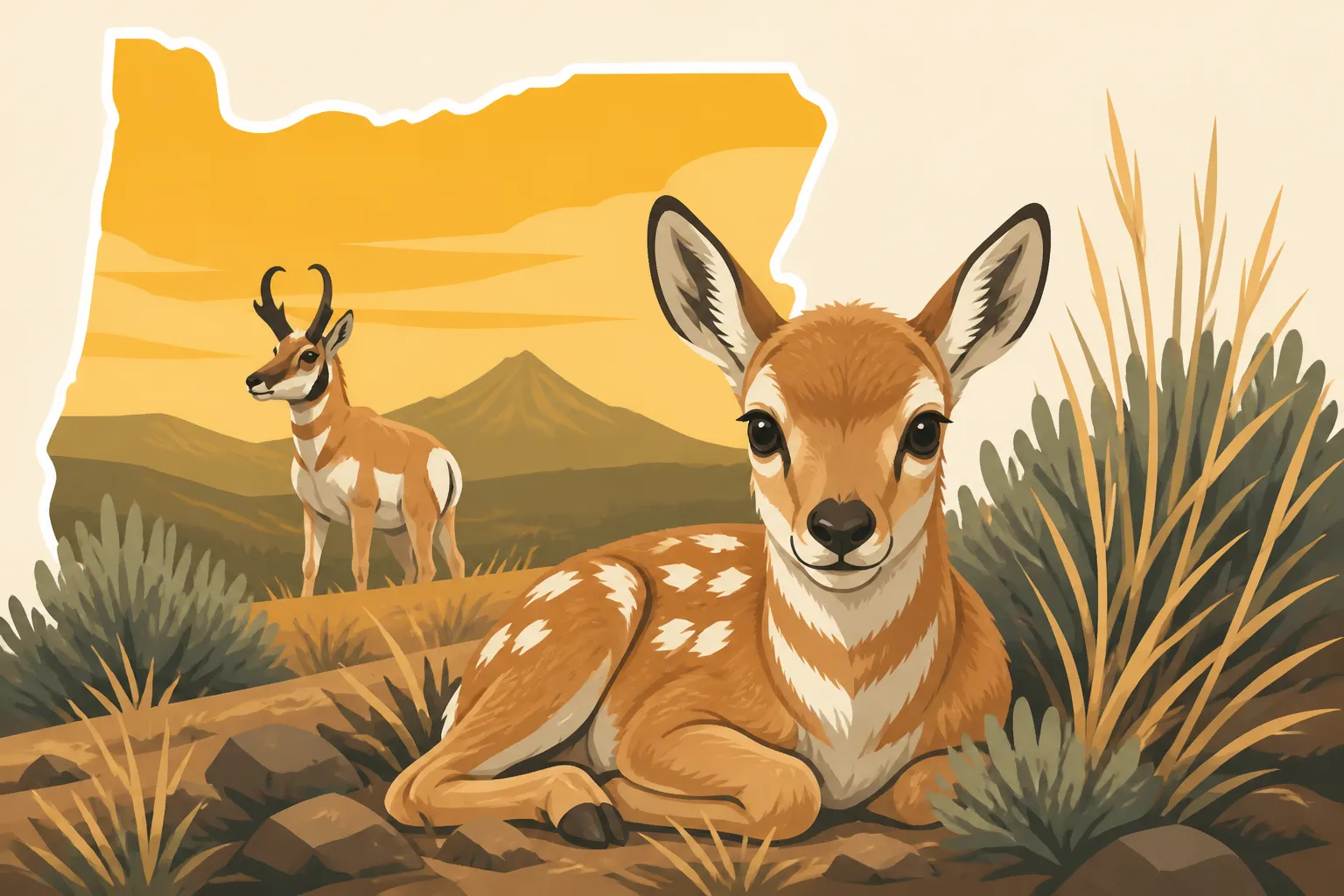
Despite these amazing adaptations, pronghorn fawns are born without many of these capabilities fully developed. A newborn fawn isn't running at 50 mph; it's a fragile creature that relies on camouflage and stillness to survive. Its primary defense is to lie motionless, hidden in vegetation, while its mother forages nearby. This strategy is severely hampered when drought reduces the available cover to sparse, brittle stems. A fawn’s tiny body can also dehydrate more quickly, and their digestive system is still developing, making them more reliant on their mother’s milk.
The doe's ability to provide that milk is directly tied to the very resources that drought depletes. So, while adult pronghorn can often tough out a dry year, moving greater distances to find water and food, their fawns often can't. The cumulative stress on the doe, combined with the lack of hiding cover and nutritional support, creates a scenario where the fawn's inherent vulnerabilities are magnified, and the species' impressive adaptations in adults simply don't translate to immediate fawn survival. It's a stark reminder that even the most well-adapted species can be pushed to the brink when environmental conditions become extreme. This is something often observed in Oregon Pronghorn Range and Numbers where population fluctuations are directly linked to these environmental pressures.
Understanding and Adapting as Hunters
For those of us who cherish Oregon's pronghorn and dream of a high desert hunt, understanding the impact of dry years on fawn survival isn't just academic; it has real implications for hunting strategy, conservation ethics, and our overall appreciation of these magnificent animals. Recognizing these challenges allows us to be more informed and responsible participants in the landscape.
Observing Herd Health and Recruitment
One of the best things hunters can do is to pay close attention to herd health and recruitment during and after dry years. When you're out scouting, whether physically or through tools like GoHunt and E-Scouting Oregon Units With Satellite Imagery, look for indicators. Are the does looking thin? How many fawns do you see compared to does? A low fawn-to-doe ratio is a direct sign of poor recruitment, often a result of difficult conditions like drought. You might notice fewer yearlings in the subsequent seasons, indicating that the fawns from a particularly dry year didn't make it to adulthood.
It’s easy to focus on mature bucks, but taking the time to observe the overall health of the herd, particularly the does and fawns, offers valuable insight into the long-term viability of the population. This isn't just about finding game for your tag; it's about connecting with the ecosystem and understanding its pulse. If you're fortunate enough to draw a tag in one of Oregon's limited pronghorn units, knowing the condition of the herd can influence your expectations and even your shot selection, perhaps leaning towards older animals to allow younger, rarer fawns and does to contribute to recovery. Many public agencies like ODFW use these observations as part of their larger How ODFW Counts Big Game efforts, compiling data to manage populations.
Adapting Scouting and Hunting Strategies
Dry years inevitably mean different game distribution. Pronghorn, like all big game, will concentrate around remaining water sources and areas with any available forage. This means traditional scouting locations might be empty, while previously overlooked pockets of green-up or reliable springs become hotspots. When you're Hunting Oregon's High Desert Hunting Country, this adaptability is key. Using online mapping resources and aerial imagery to identify remaining water features, even small ones, or areas that might have received localized precipitation, becomes paramount.
You might also find that pronghorn are warier and more skittish due to increased pressure on resources and potentially higher predator activity. Their natural flight response might be heightened. Stalking will be even more challenging, and long-range glassing becomes an even more critical skill. Patience and persistence are always virtues in pronghorn hunting, but they are amplified during dry years. Understand that the animals are under stress, and plan your hunt accordingly, perhaps focusing on areas with less pressure or being prepared for even longer stalks. It’s also wise to consider the cumulative impact of tough years on a population; sometimes, passing on a younger buck allows the herd to build back stronger. This ethical consideration is a hallmark of responsible hunting.
Disclaimer
This article is for general informational purposes only and does not constitute professional advice. Laws, prices and regulations vary by location and change over time. Consult a qualified professional for guidance on your specific situation.