Where Oregon Antelope Live
Trying to find antelope in Oregon can feel like searching for a needle in a haystack, especially if you're used to hunting deer or elk in dense timber. These creatures of the high desert demand a different approach, and knowing where they actually live is your first, most critical step. This guide is all about breaking down the typical habitats and behaviors of Oregon's pronghorn, helping you pinpoint their stomping grounds and plan your hunt more effectively.
Understanding Oregon's Pronghorn Range
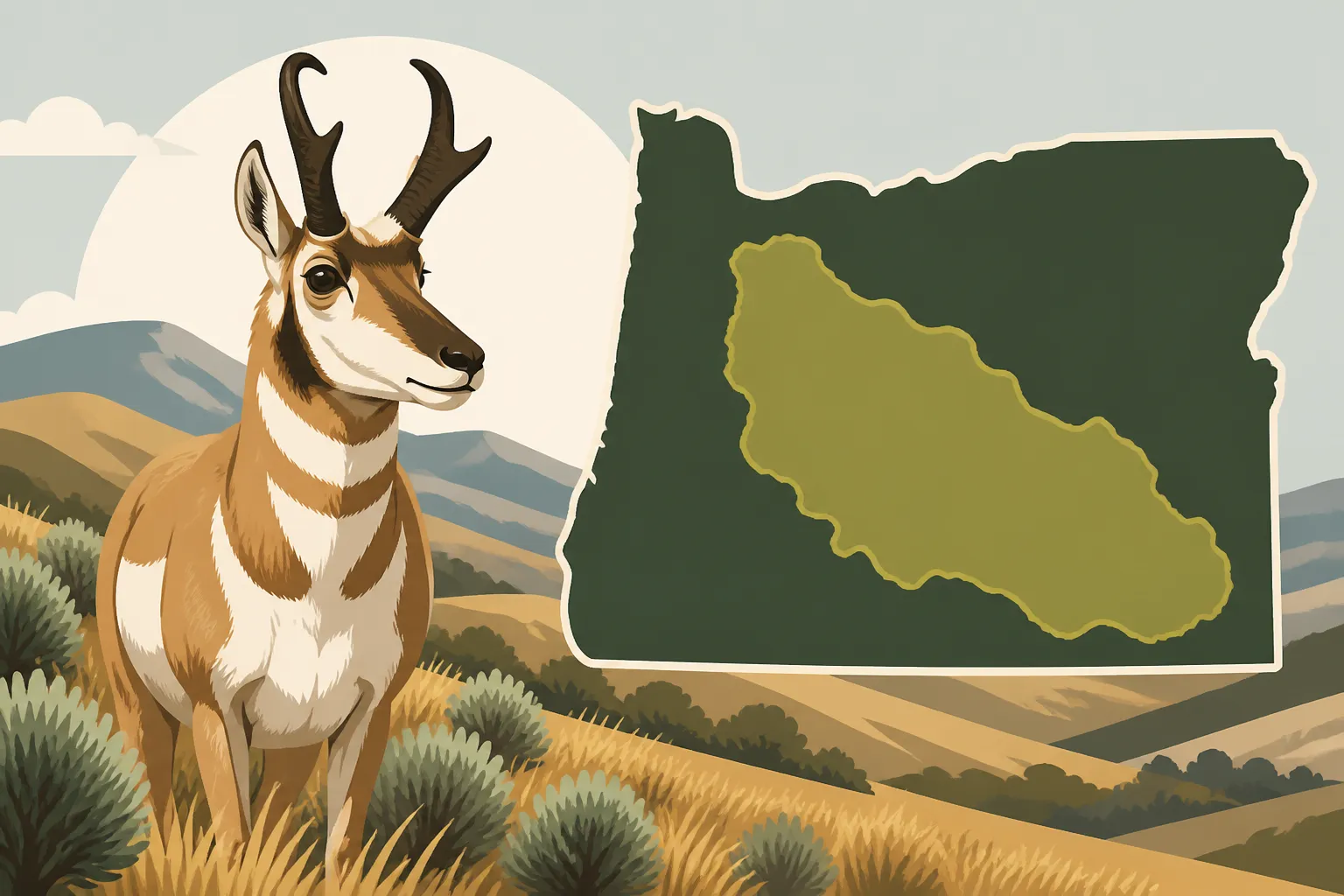
Oregon's high desert is a vast, often intimidating landscape, but it's also the exclusive domain of our pronghorn population. Unlike elk or deer, which you might find in a variety of timbered or open country, pronghorn are pretty particular about where they call home. They thrive in open, arid environments where their incredible eyesight and speed give them the ultimate advantage. If you're looking to chase these magnificent animals, you're going to be spending your time east of the Cascades, deep in the sagebrush and juniper country.
The High Desert Heart of Pronghorn Country
When we talk about Oregon's high desert, we're really focusing on the southeastern quadrant of the state. This expansive region, characterized by its wide-open vistas, sparse vegetation, and often stark beauty, is precisely where you'll find healthy herds of pronghorn. Areas like the Warner Valley, Steens Mountain, and the vast tracts of BLM land stretching towards Idaho and Nevada are the quintessential "antelope country." It's a land of extremes, with hot, dry summers and cold, snowy winters, but the pronghorn are perfectly adapted to it. They've evolved to survive on the tough, fibrous vegetation, and their physiological adaptations allow them to go long periods with minimal water, though they certainly appreciate a good water source when they can find one. This specific landscape provides the blend of food, cover (or lack thereof, which benefits their eyesight), and space they need to thrive. If you want to understand the larger picture, diving into Oregon Pronghorn Range and Numbers can give you a deeper appreciation for where these animals are distributed across the state.
Key Geographic Areas for Antelope
While the general "high desert" designation is true, certain units and areas consistently hold more pronghorn than others. Think of places like the Hart Mountain National Antelope Refuge, which, as its name suggests, was specifically established to protect these animals. While hunting within the refuge might have special rules, the surrounding units often benefit from the presence of a strong core population that disperses outwards. Other top-tier units include those around the Steens Mountain, Beatys Butte, and areas bordering Nevada and California, where the habitat seamlessly transitions into similar antelope-friendly terrain. These areas aren't just hot spots because of their vastness; they offer the right mix of sagebrush flats, rolling hills, and scattered juniper stands that provide essential forage and a sense of security for these wide-ranging animals. When you're poring over maps, especially using tools like GoHunt or other digital mapping platforms, focus on these big, open basins with minimal tree cover. These are the places that consistently show up on the radar for those pursuing antelope. You might even discover some insights into Oregon High Desert Hunting Country by comparing notes on general species distribution.
Pronghorn Habitat Preferences and Behavior
Understanding where Oregon antelope live isn't just about drawing lines on a map; it's about getting into their heads a little bit. What do they like in their environment? What makes them feel safe, or offers them a good meal? Their choices are dictated by a combination of food availability, water access, and their unique survival strategies in open country.
Ideal Terrain and Vegetation
Pronghorn are speed demons of the open plains, and their habitat preferences reflect this. They absolutely thrive in wide-open, semi-arid grasslands and sagebrush-steppe environments. Think vast, relatively flat to gently rolling terrain where their phenomenal eyesight—often compared to an 8-power binocular—can be put to its best use. They want to see predators coming from miles away. Tall timber or dense brush? Not their cup of tea, as it would negate their primary defense mechanism: early detection and blistering speed.
The vegetation they prefer isn't the lush green stuff you find in the Coast Range. Instead, they're browsers and grazers of tough, drought-resistant plants. Sagebrush, various grasses, forbs (flowering plants), and even cacti are on their menu. This is why you'll find them so frequently in areas dominated by big sagebrush (Artemisia tridentata) and various bunchgrasses. These plants provide both sustenance and a bit of low-lying cover for fawns. When you're out Glassing Sage and Juniper for Eastern Oregon Mule Deer, keep an eye out for pronghorn too, as their habitats can sometimes overlap, particularly in the more open mule deer zones.
Seasonal Movements and Water Sources
While pronghorn are often associated with arid landscapes, water is still a critical factor, especially during the scorching summer months. You won't find them far from a reliable water source for long, though they are incredibly efficient at extracting moisture from the plants they eat. Their movements, while often vast and seemingly random across the plains, are frequently tied to available water—be it springs, stock ponds, or guzzlers. During dry periods, these water points become absolute magnets for herds.
In terms of seasonal movements, Oregon's pronghorn generally don't undertake the long, dramatic migrations seen in some other big game species, but they do adjust their distribution based on forage quality, snow depth, and water. During spring and early summer, they'll spread out as new growth emerges and fawns are born. As summer progresses and forage dries up, they might concentrate closer to perennial water sources. Winter can push them to lower elevations or areas where snow isn't as deep, allowing them easier access to browse. Understanding Pronghorn Fawn Survival in Dry Years highlights just how crucial these seasonal factors and water sources are for herd health. When you are doing your e-scouting, make sure to layer in water sources; sometimes, simply finding a handful of reliable water holes can narrow down your search considerably. The article on Finding Water on a Digital Map Before You Hunt provides excellent strategies for this very task.
Scouting Strategies for Oregon Antelope
Okay, so you know where they generally live and what kind of habitat they prefer. Now, how do you actually find them? Scouting for Oregon's antelope involves a combination of digital diligence and good old-fashioned boot leather, all focused on leveraging their unique characteristics.
E-Scouting Before Your Boots Hit the Ground
Before you even think about burning fuel driving across the desert, dedicate serious time to e-scouting. This is where tools like GoHunt really shine. Start by looking at topo maps and satellite imagery. Identify vast expanses of sagebrush and grassland. Look for open, rolling terrain with minimal tree cover. Pay close attention to subtle changes in elevation, dry washes, and isolated groups of junipers – these might offer a bit of shade or a visual break from the endless plains, and could be places antelope pause.
Crucially, identify potential water sources. These could be natural springs, man-made stock ponds, or even guzzlers. Pronghorn will often be found within a reasonable distance of water, especially in drier parts of the year. Mark these potential spots on your digital map. Also, look for distinct travel corridors or breaks in the landscape that might funnel animals. Don't forget to check out E-Scouting Oregon Units With Satellite Imagery for more detailed tips on leveraging technology to your advantage. This initial phase of e-scouting allows you to virtually "drive" hundreds of miles, narrowing down vast units into manageable, promising sections you can then visit in person.
On-the-Ground Reconnaissance
Once you've done your digital homework, it's time to hit the road and glass. Antelope hunting is often a game of patient glassing. Find a high vantage point – a rimrock, a small hill, or even the top of your truck if it's safe – and settle in with good binoculars or a spotting scope. The vastness of the high desert makes long-range glassing not just helpful, but essential. You're looking for movement, for flashes of white, or even just shapes that don't quite fit the natural contours of the landscape.
When you do spot animals, take your time to observe their patterns. Where are they feeding? Which way are they generally moving? Are they headed towards a specific water source? Because pronghorn have incredible eyesight, stalking them often requires long, circuitous routes that use every bit of available terrain for cover. Sometimes, the best "cover" is simply the sheer distance and your patience. Remember that while they are curious, their Pronghorn Speed, Eyesight and Behaviour make them incredibly difficult to sneak up on in open country. Be prepared to cover a lot of ground, both visually and on foot. Exploring Hart Mountain Refuge Hunting Rules in Oregon can also provide insights into how managed areas handle antelope populations, which might give you ideas for general public land strategies elsewhere.
When you're out there, remember that while you're looking for antelope, you're also learning the land. Even if you don't spot them, understanding the lay of the land, finding good access points, and noting potential camping spots for later hunts is invaluable.
Preparing for Your Oregon Antelope Hunt
Antelope hunting in Oregon isn't just about finding the animals; it's about being prepared for the environment. The high desert can be a brutal place, and having the right gear and mindset is crucial for a successful and safe hunt.
Essential Gear for the High Desert
Your gear list for an Oregon antelope hunt will differ significantly from what you'd pack for a rainy blacktail hunt in the Coast Range. First and foremost, quality optics are non-negotiable. A good pair of 10x binoculars, and ideally a spotting scope with a tripod, will save your legs and your eyes. You'll spend hours behind glass, so clarity and light gathering are paramount. Secondly, hydration is key. Carry more water than you think you'll need, especially during early season hunts when temperatures can soar. Electrolyte supplements are also a smart addition.
Comfortable, breathable clothing in layers is essential, as desert temperatures can swing dramatically from morning to midday. Sturdy, broken-in hiking boots are a must, as you'll be covering miles over uneven, rocky, and thorny terrain. Don't forget a wide-brimmed hat, sunscreen, and good sunglasses to protect against the intense sun. Finally, a reliable rangefinder is critical for accurate shot placement across those wide-open spaces. You might also find this article on Rifle Choice for Oregon Elk and Deer helpful, as many of the principles for open country shooting apply to antelope.
Here's a quick reference table for key gear considerations:
| Gear Category | Specific Items Recommended | Why It's Important |
|---|---|---|
| Optics | 10x Binoculars, Spotting Scope (20-60x), Tripod | Long-range scanning, identifying animals, saving boot leather. |
| Hydration | Water bottles, Hydration reservoir, Water filter/purifier | Essential for arid conditions; carry more than you think you'll need. |
| Clothing | Layered, breathable, quick-drying (light colors) | Adapt to extreme temperature swings, sun protection. |
| Footwear | Sturdy, broken-in hiking boots | Protect feet on rough terrain, provide support for long walks. |
| Sun Protection | Wide-brimmed hat, Sunscreen, Sunglasses | Prevent sunburn and eye strain from intense desert sun. |
| Navigation | GPS device, Digital mapping app (GoHunt), Paper maps | Pinpoint locations, mark waypoints, track movements in vast areas. |
| Shooting Aids | Rangefinder, Bipod/shooting sticks | Accurate distance measurement, stable shooting platform for long shots. |
| First Aid | Comprehensive kit, including snake bite kit (optional) | Prepare for cuts, scrapes, blisters, and potential wildlife encounters. |
Understanding Regulations and Access
Oregon's high desert isn't all public land, though vast tracts are managed by the Bureau of Land Management (BLM) and the Forest Service. It's absolutely vital to know where you are at all times. Use your digital mapping tools (like the GoHunt app) to display land ownership layers and clearly identify public versus private ground. Trespassing is a serious offense, and many private ranches in the high desert are actively managed for livestock, making landowners particularly sensitive to unauthorized access.
Always check the current year's hunting regulations pamphlet for specific unit boundaries, season dates, and any special restrictions that might apply to pronghorn. Some areas, like portions of the Hart Mountain National Antelope Refuge, have very specific rules regarding hunting access, methods, or dates. Make sure you understand these before you go. Remember to also look into general public land guidelines, such as those covered in Camping Limits on Oregon National Forest if you plan to stay overnight. Respect for the land, wildlife, and other users is paramount in these fragile ecosystems.
Conservation of Oregon's Pronghorn
As hunters, we play a critical role in the conservation of all game species, and Oregon's pronghorn are no exception. Their populations, while generally stable in core areas, face challenges like habitat fragmentation, drought, and predation. Our participation in controlled hunts and adherence to regulations helps manage herd numbers and provides vital funding for research and habitat improvement projects.
Habitat Challenges and Management Efforts
The health of Oregon's pronghorn herds is intrinsically linked to the health of their high desert habitat. Invasive species like cheatgrass can outcompete native forage, reducing the nutritional value of the landscape. Wildfires, while a natural part of the ecosystem, can also devastate critical winter range or fawning grounds if they burn too hot or too frequently. Drought, a recurring issue in the arid west, directly impacts forage quality and water availability, which in turn affects herd productivity and survival, especially for young fawns.
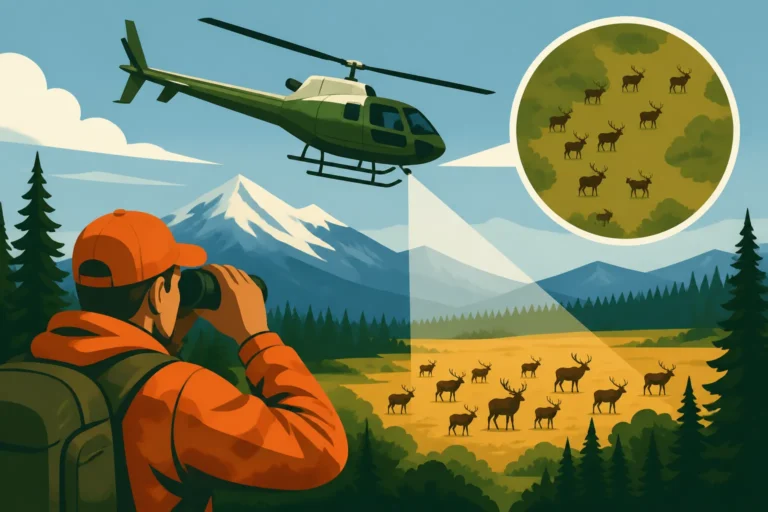
State wildlife agencies work continuously to monitor pronghorn populations through aerial surveys and ground counts, setting tag numbers to ensure sustainable harvest. They also collaborate with federal land managers and private landowners on habitat restoration projects, such as controlling invasive weeds, improving water sources, and managing grazing to benefit native vegetation. As hunters, supporting organizations that advocate for and fund these habitat projects is crucial for the long-term future of Oregon's pronghorn. Knowing more about Oregon Pronghorn Herd Size can offer a good baseline for appreciating the impact of these efforts.
The Hunter's Role in Pronghorn Stewardship
Our role as hunters extends beyond simply harvesting an animal. It involves being ethical, responsible, and informed stewards of the resource. This means knowing and following all regulations, practicing fair chase, and reporting any suspicious activity that could harm the herd or its habitat. Participating in hunter surveys, reporting your harvest, and providing honest feedback to wildlife managers contributes valuable data that helps inform future management decisions.
By understanding the unique biology and habitat requirements of pronghorn, and by acting as responsible conservationists, we help ensure that future generations will also have the opportunity to experience the thrill of chasing these incredible speedsters across Oregon's vast high desert. The challenge of finding and hunting these animals in such a distinct environment connects us deeply to the landscape and the intricate balance of nature.
Disclaimer
This article is for general informational purposes only and does not constitute professional advice. Laws, prices and regulations vary by location and change over time. Consult a qualified professional for guidance on your specific situation.